Your selection in monuments gave 407 results.
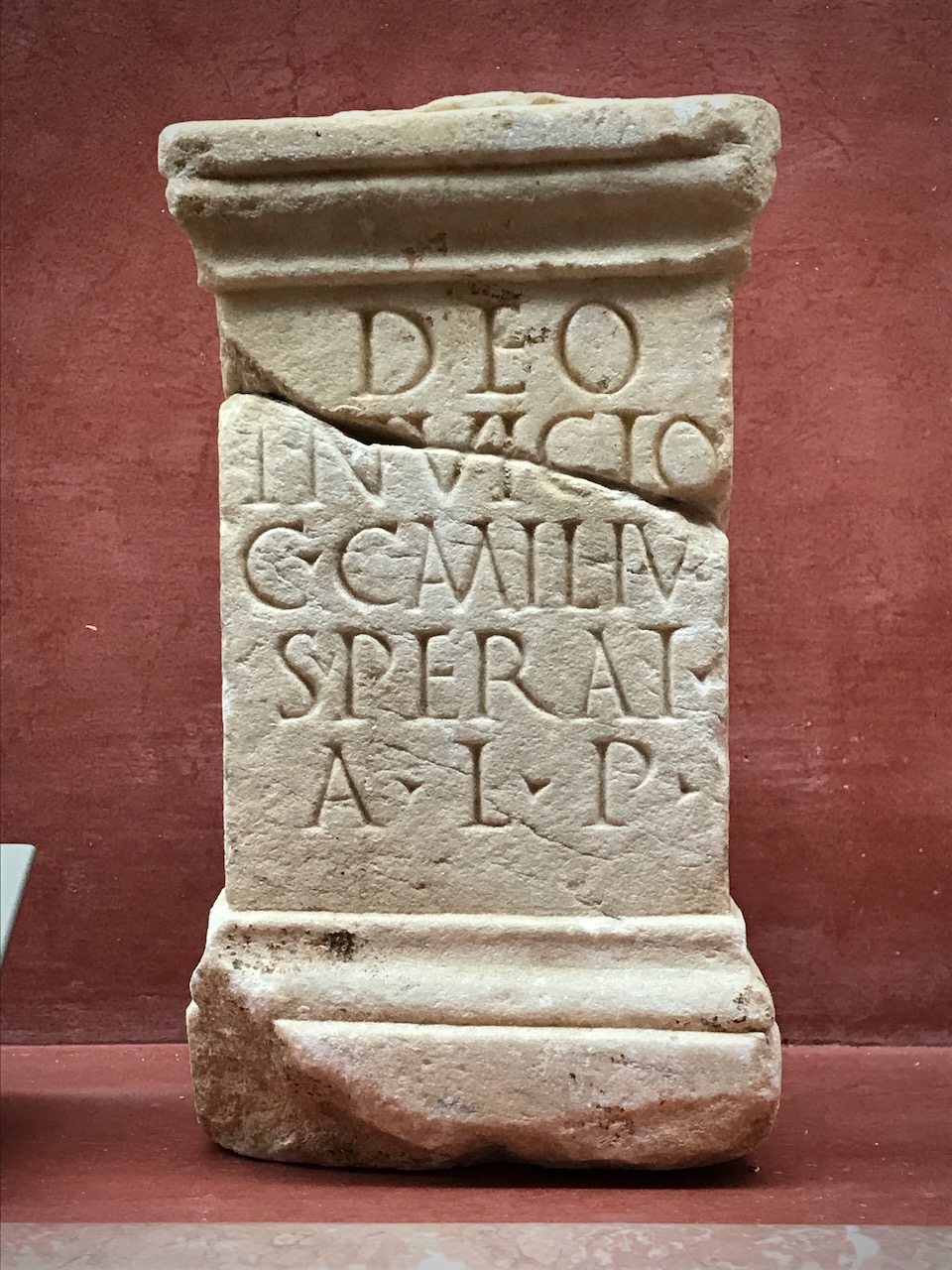
Small white marble altar made in honour of Mithras found at San Albín, Mérida.
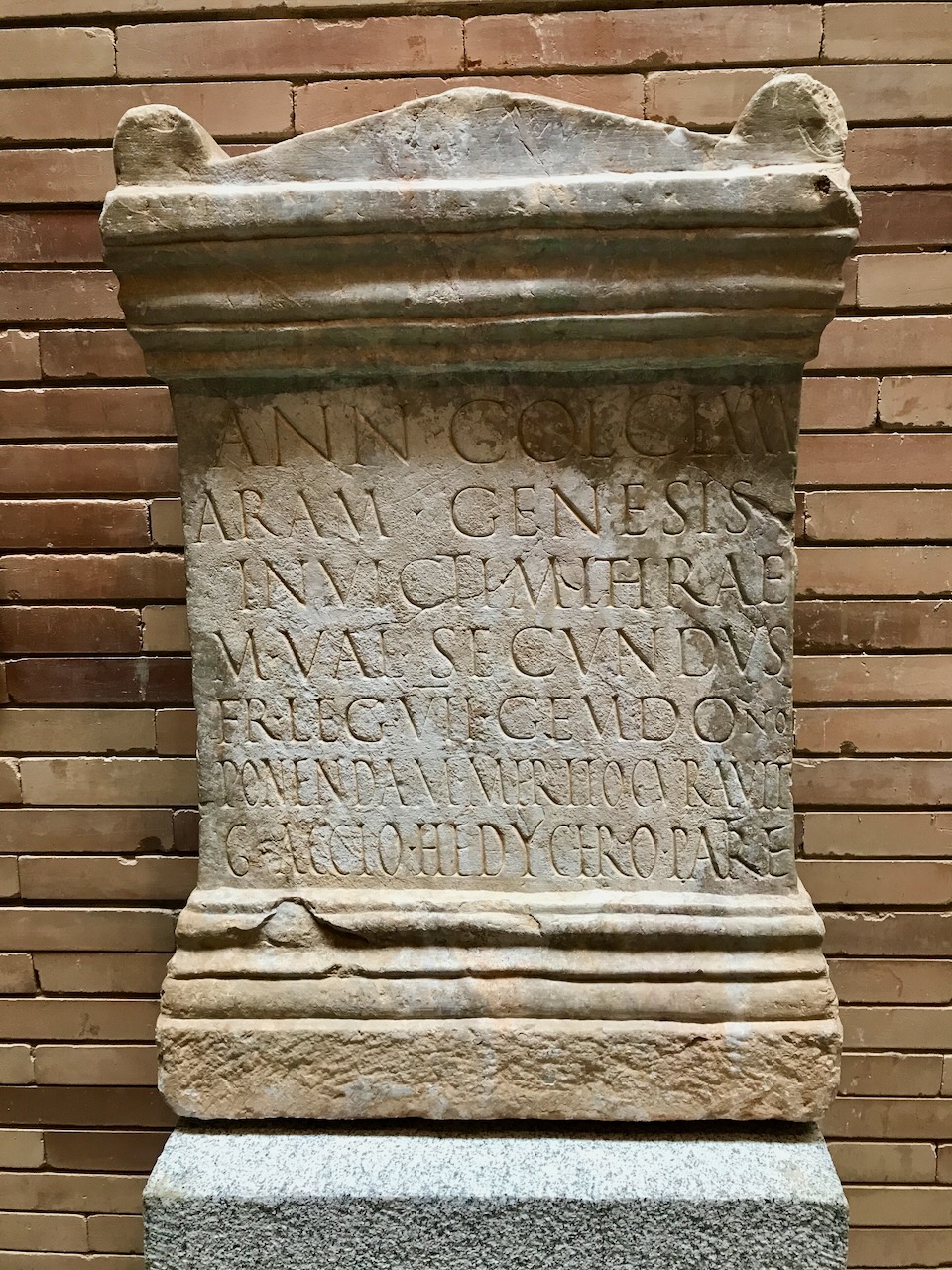
This altar is dedicated to the birth of Mithras by a frumentarius of the Legio VII Geminae.

This cylindrical marble altar was dedicated by the same Pater Proficentius as the slab, both monuments found in the Mithraeum beneath the Basilica of San Lorenzo.
This inscription found in the Mithraeum Aldobrandini informs us of certain restorations carried out in the temple during a second phase of development.
One of the three known inscriptions of Dioscorus, servant of Marci, found in Alba Iulia, Romania.
This marble monument was dedicated in Rome by the slave Fructus and his son Myro.
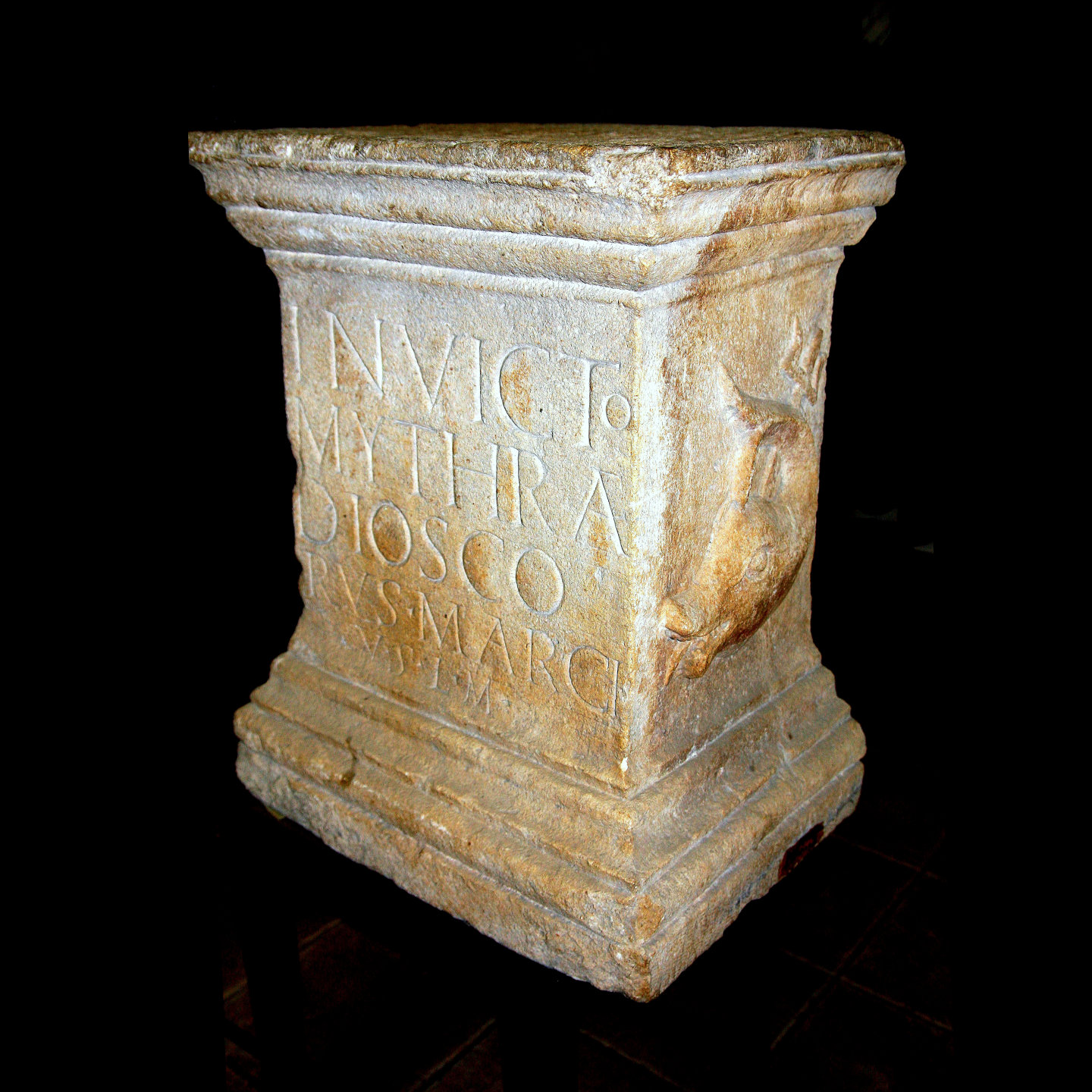
In 1852, Károly Pap, a naval captain, unearthed several Mithraic monuments in his garden at Marospartos, including this altar.

This altar, dedicated to Sol Invictus Mithras by a certain Eutyches for the health of the Emperor Caracalla, was found in Sisak, Croatia, in 1899.
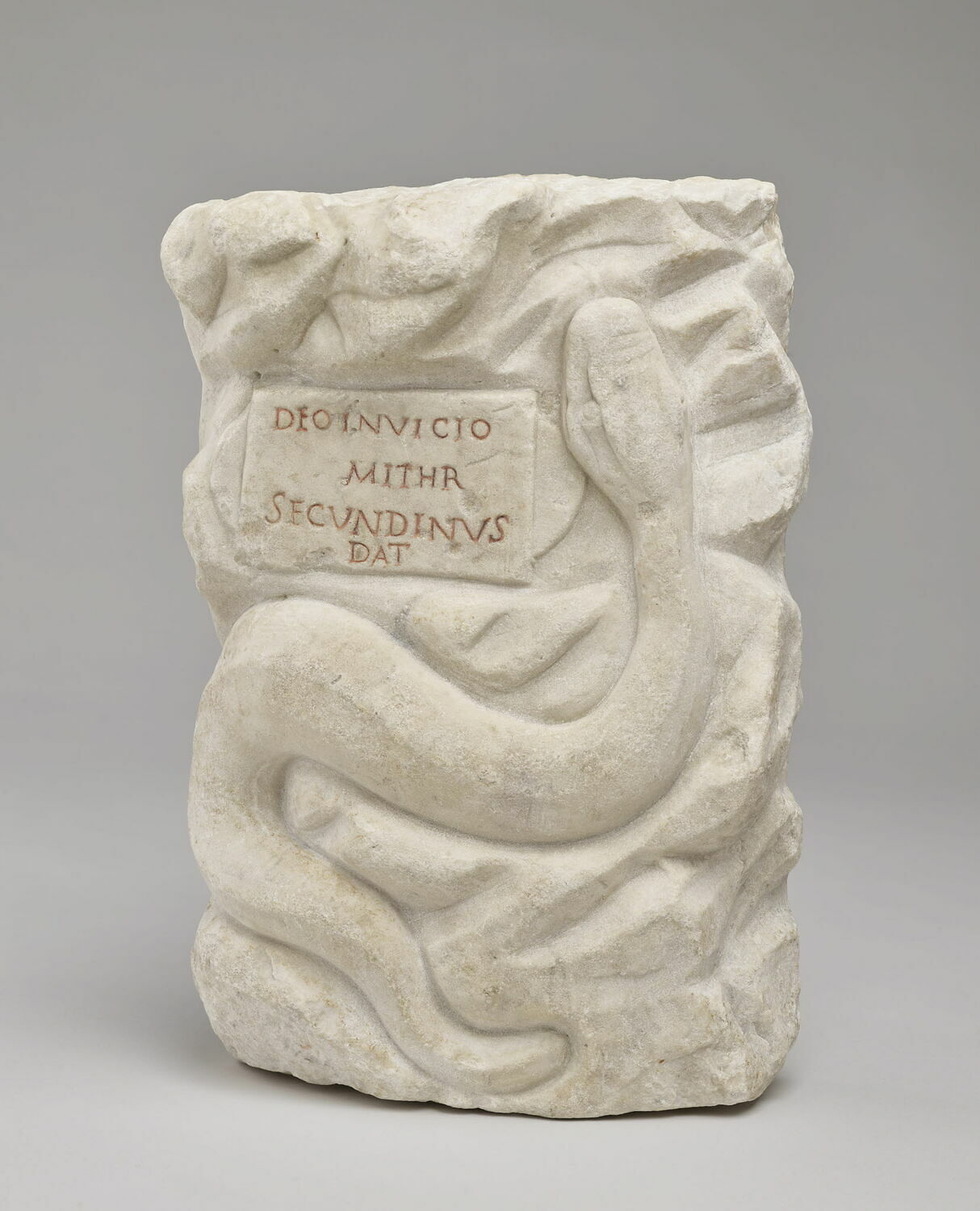
There is no consensus on the authenticity of this monument erected by a certain Secundinus in Lugdunum, Gallia.
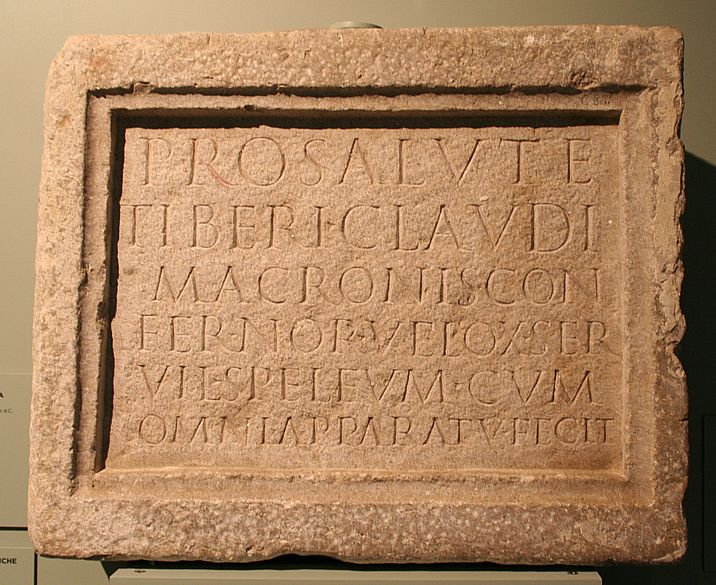
Marble slab with inscription by Velox for the salvation of the chief of the iron mines of Noricum.
The dedicator of this monument is also known for having made a tauroctonic relief in Nesce.
This monument bears an inscription to Mithras by a well-known general of the Roman Empire.
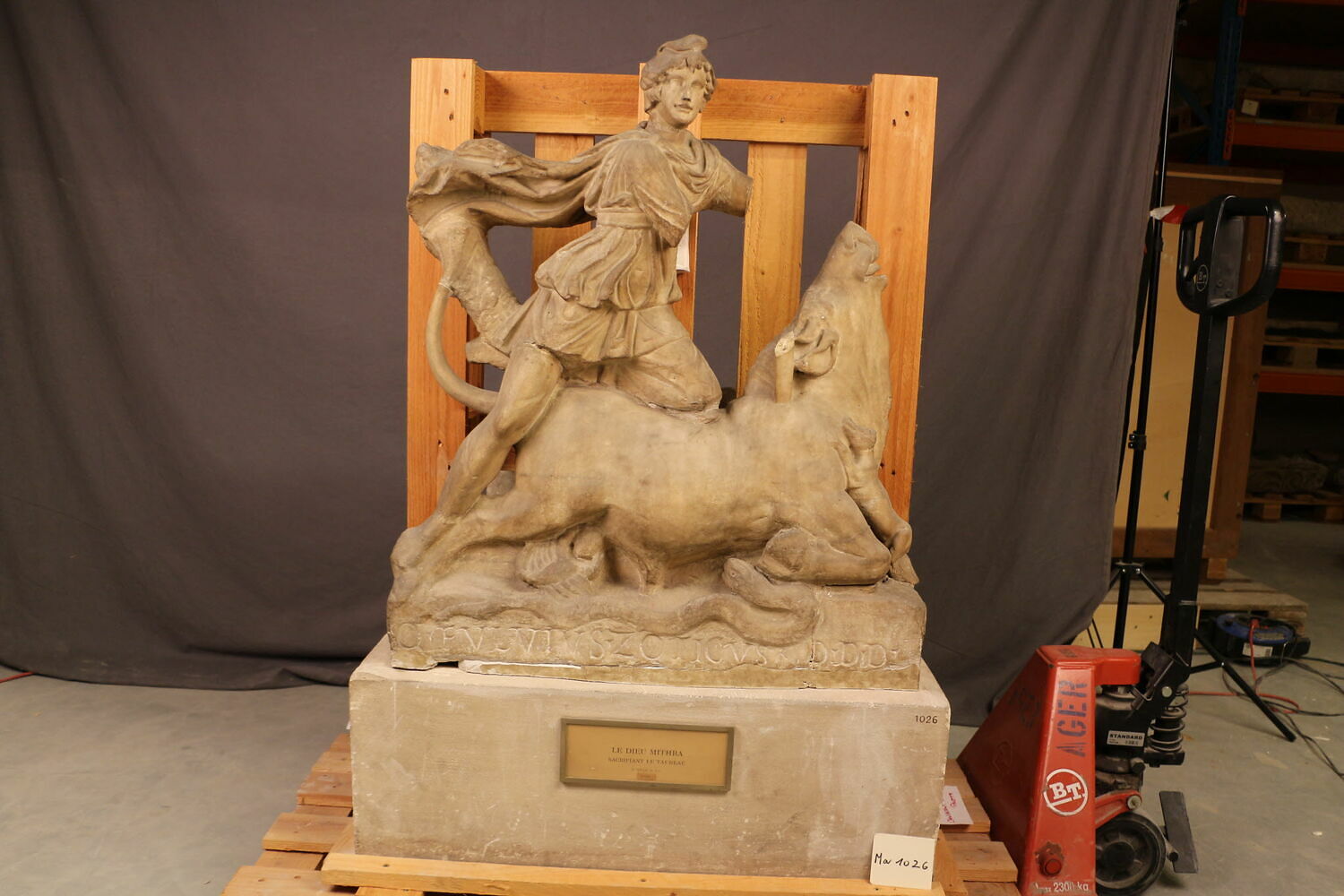
The Tauroctony found in Velletri, Rome, bears an inscription from its owner and donor.
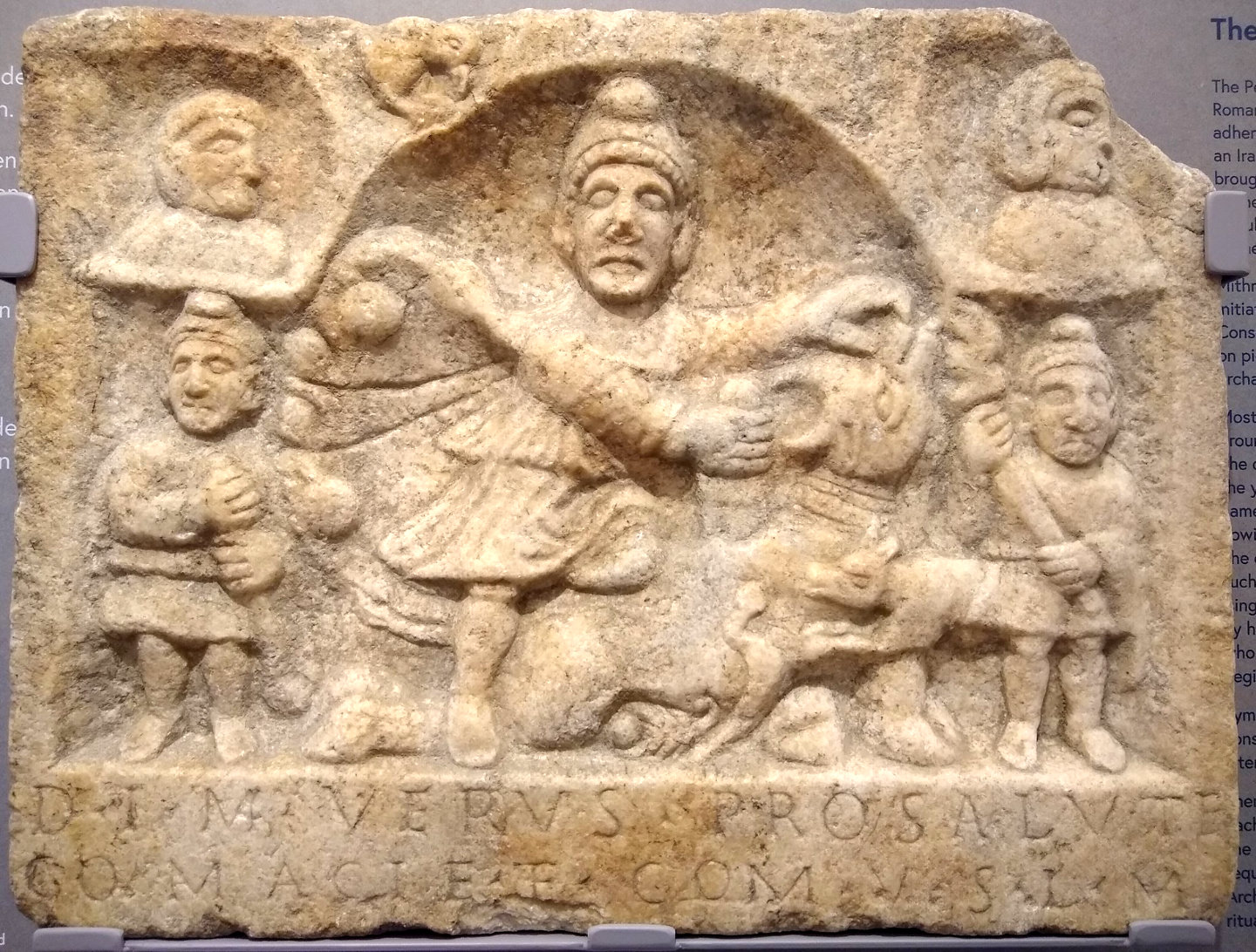
The votive image was donated by a certain Verus for a mithraeum which was probably located in the hinterland of the Limes.
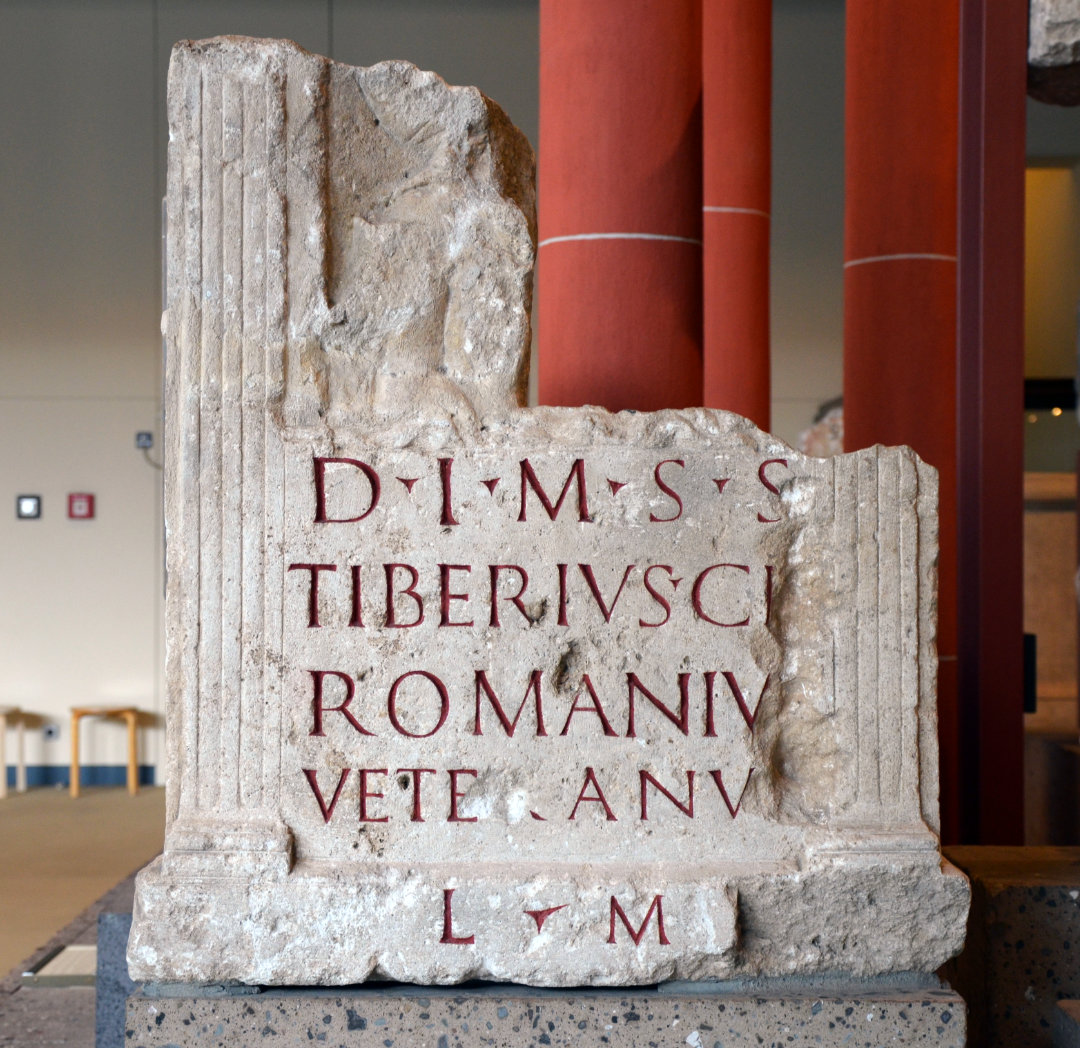
Votive inscription dedicated to Mithras by the veteran soldier Tiberius Claudius Romanius, from the Mithraeum II Köln, 3rd century.
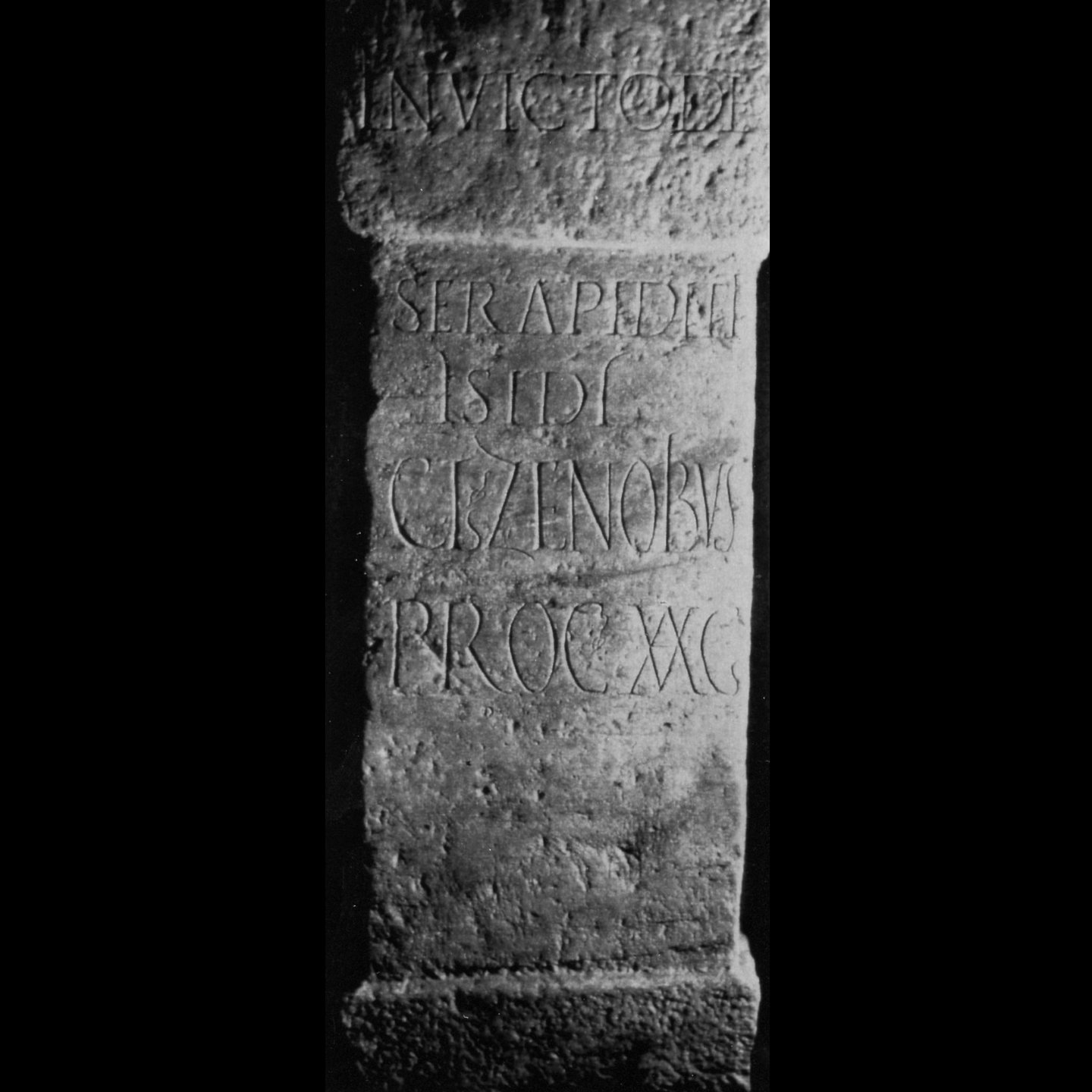
This slab dedicated to the invincible god, Serapis and Isis by Claudius Zenobius was found in 1967 in the walls of the city of Astorga, Spain.
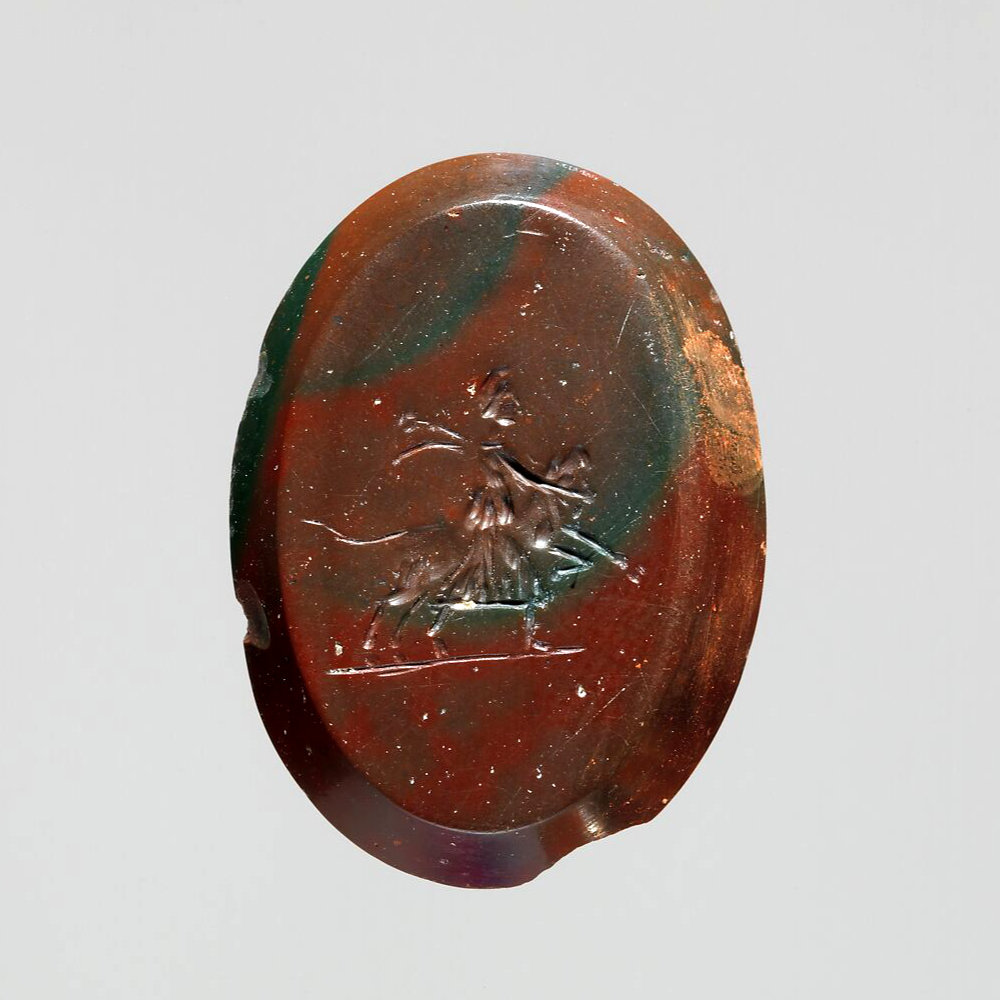
This small magical jasper gem shows Sol in a quadrigra on the recto and Mithras as a bull slayer on the verso.
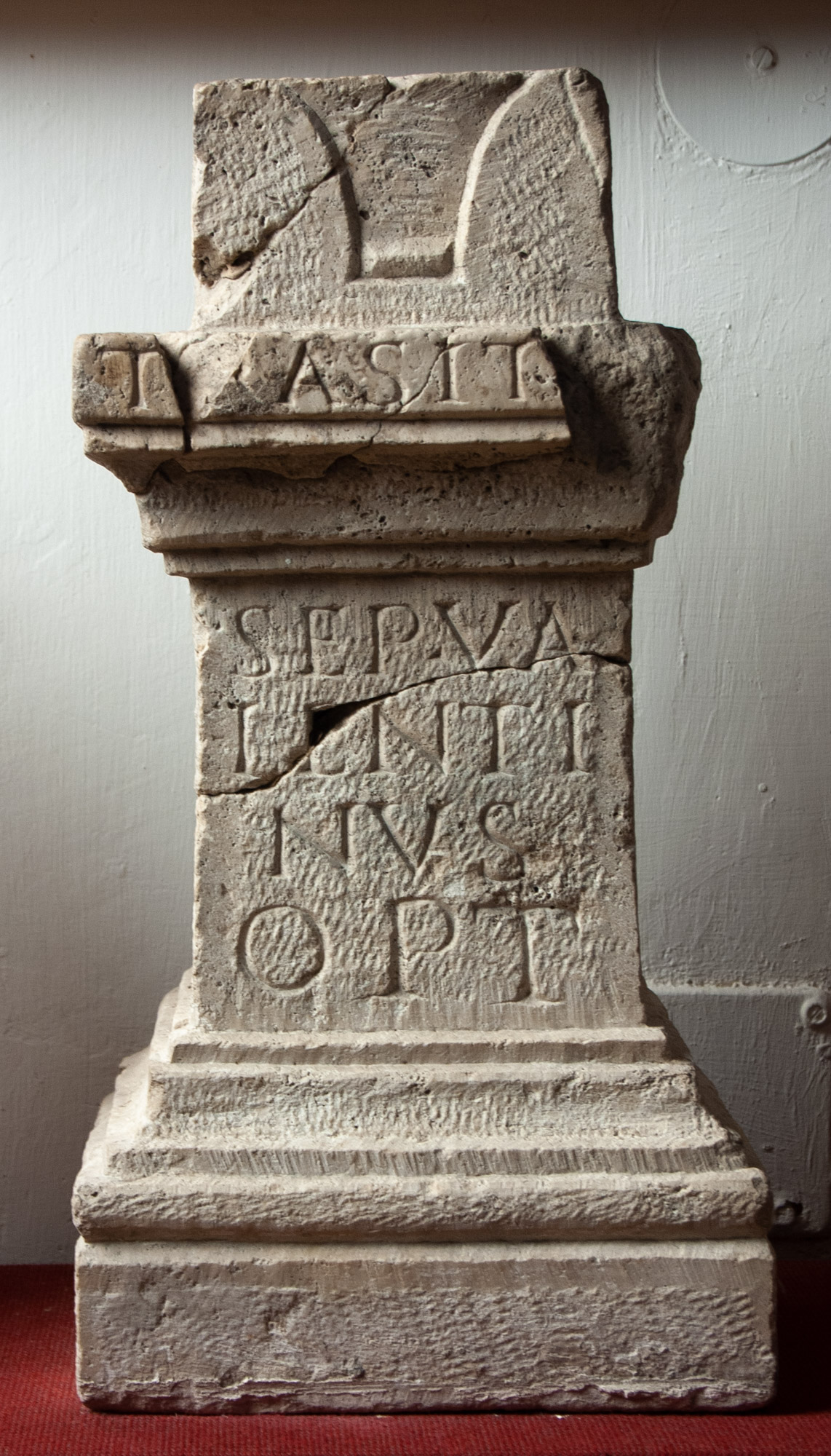
This is one of the altars erected by Septimius Valentinus, in this case, to the transitus of Mithras.
.jpg)
The controversial Italian journalist Edmon Durighello discovered this marble statue of a young naked Aion in 1887.
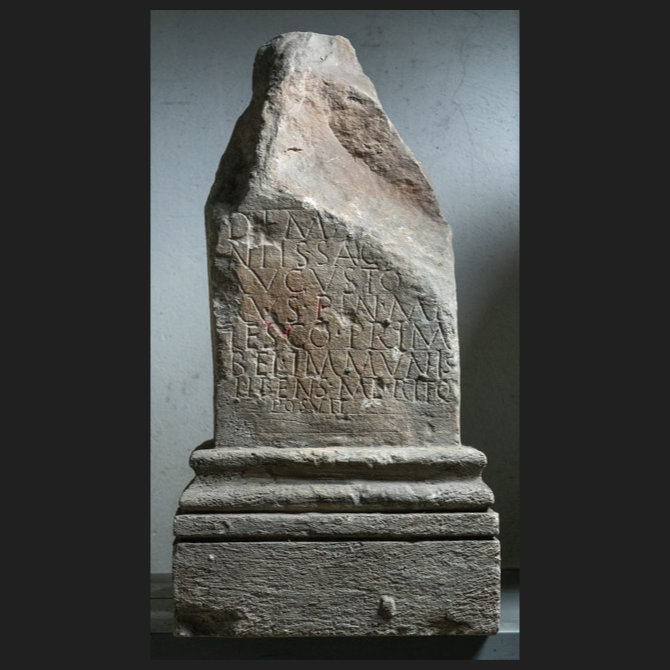
This altar, discovered in Grude, near Tihaljina, Bosnia and Herzegovina, bears an inscription by Pinnes, a soldier of the Cohors Prima Belgica.
