Your search Marcus Aurelius Antonius Augustus gave 307 results.

This marble monument was dedicated in Rome by the slave Fructus and his son Myro.
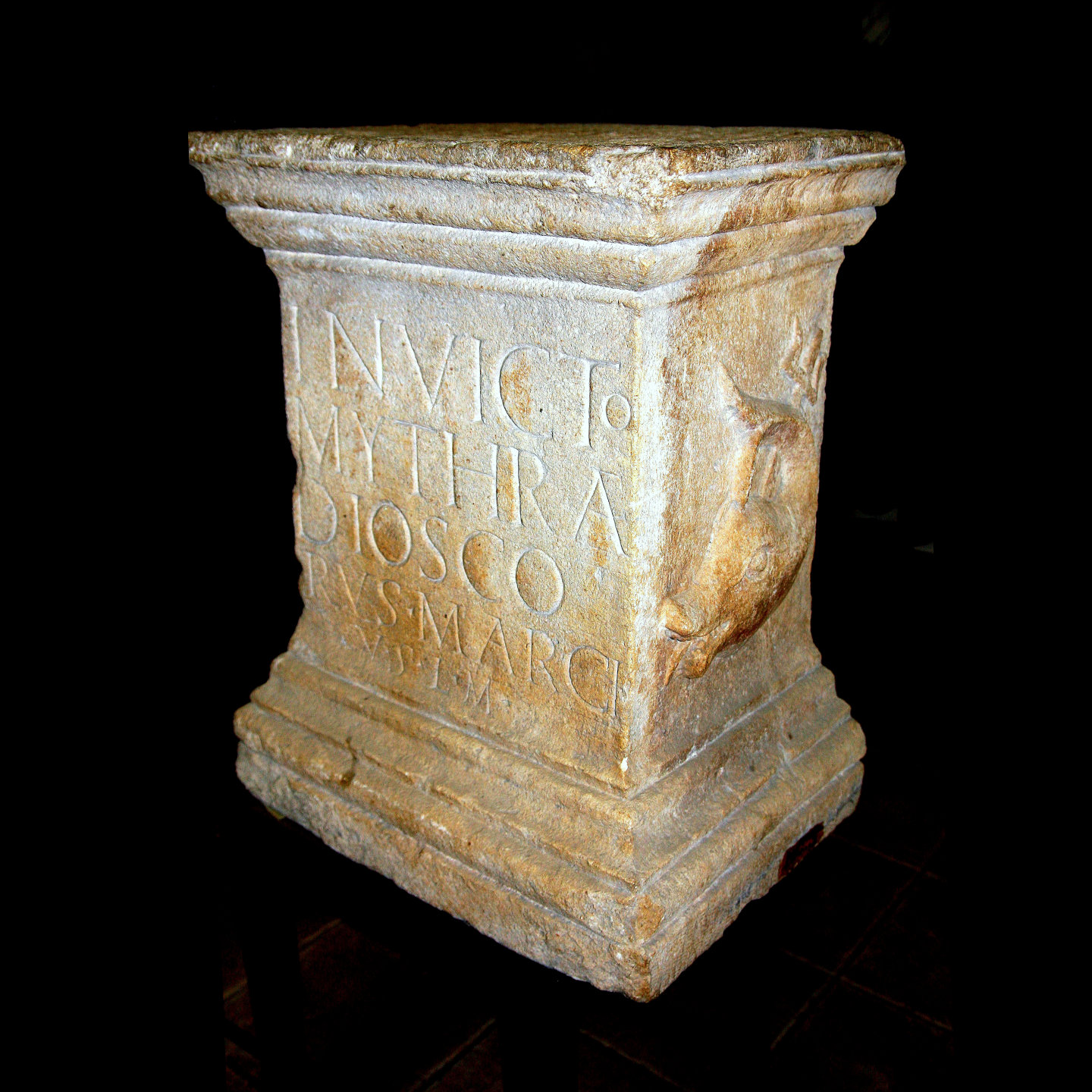
In 1852, Károly Pap, a naval captain, unearthed several Mithraic monuments in his garden at Marospartos, including this altar.
This monument bears an inscription to Mithras by a well-known general of the Roman Empire.
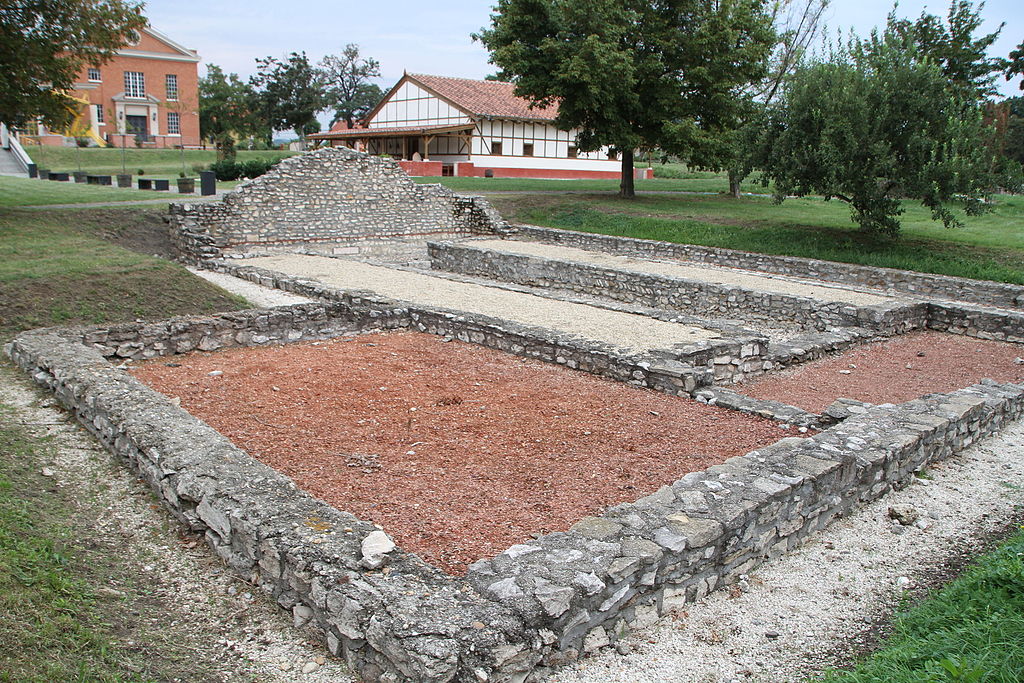
The Mithraeum of Symphorus and Marcus, in Óbuda, Budapest, has been restored to public view in 2004 and, while well presented, it has been heavily restored.

Ernest Renan suggested that without the rise of Christianity, we might all have embraced the cult of Mithras. Nevertheless, it has had a lasting influence on secret societies, religious movements and popular culture.
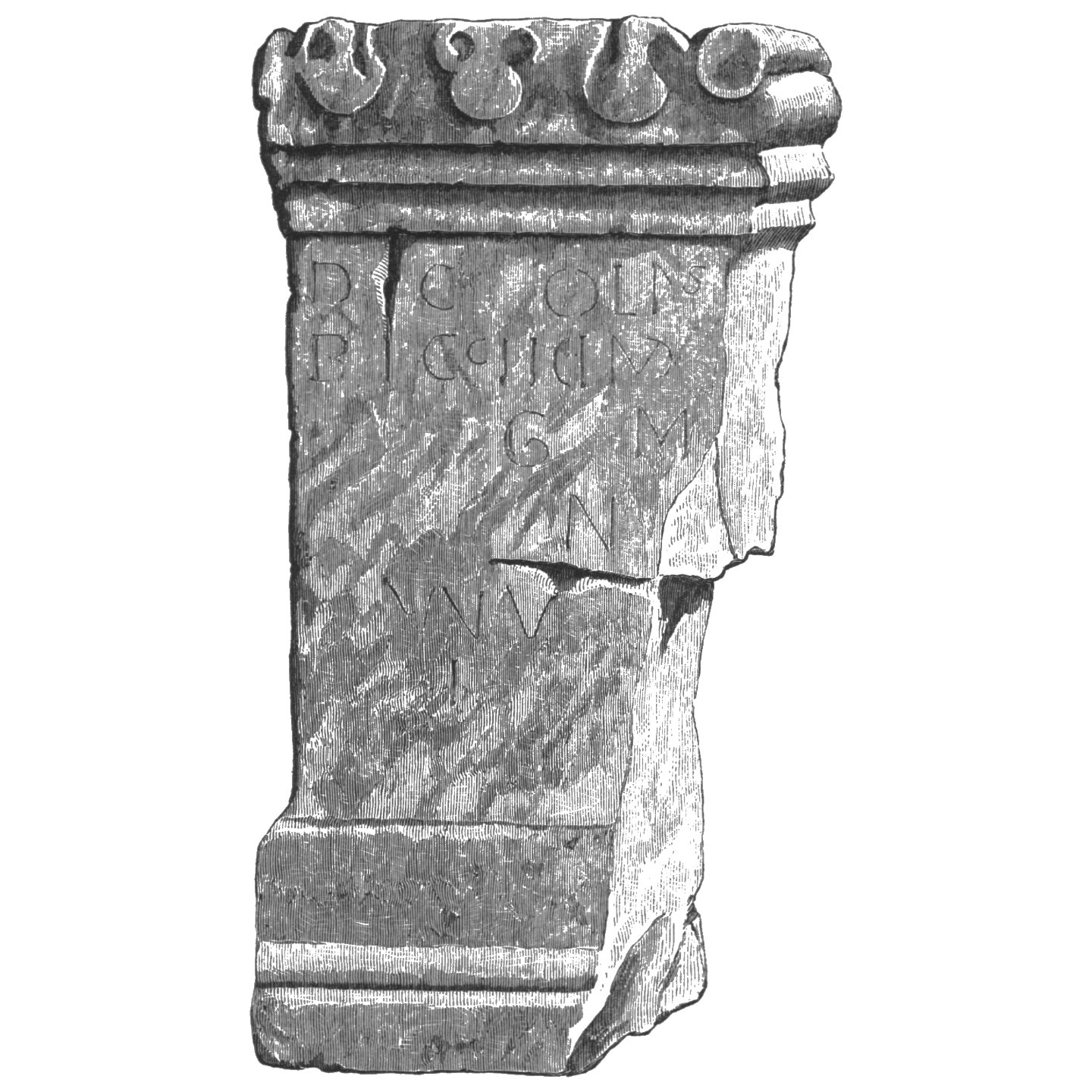
Horsley thought that, like some other inscriptions in the Naworth Collection, this altar also had come from Birdoswald.
This inscription, found in the Mitreo della Planta Pedis, among some other monuments in Ostia, suggests a link between Mithras and Silvanus.
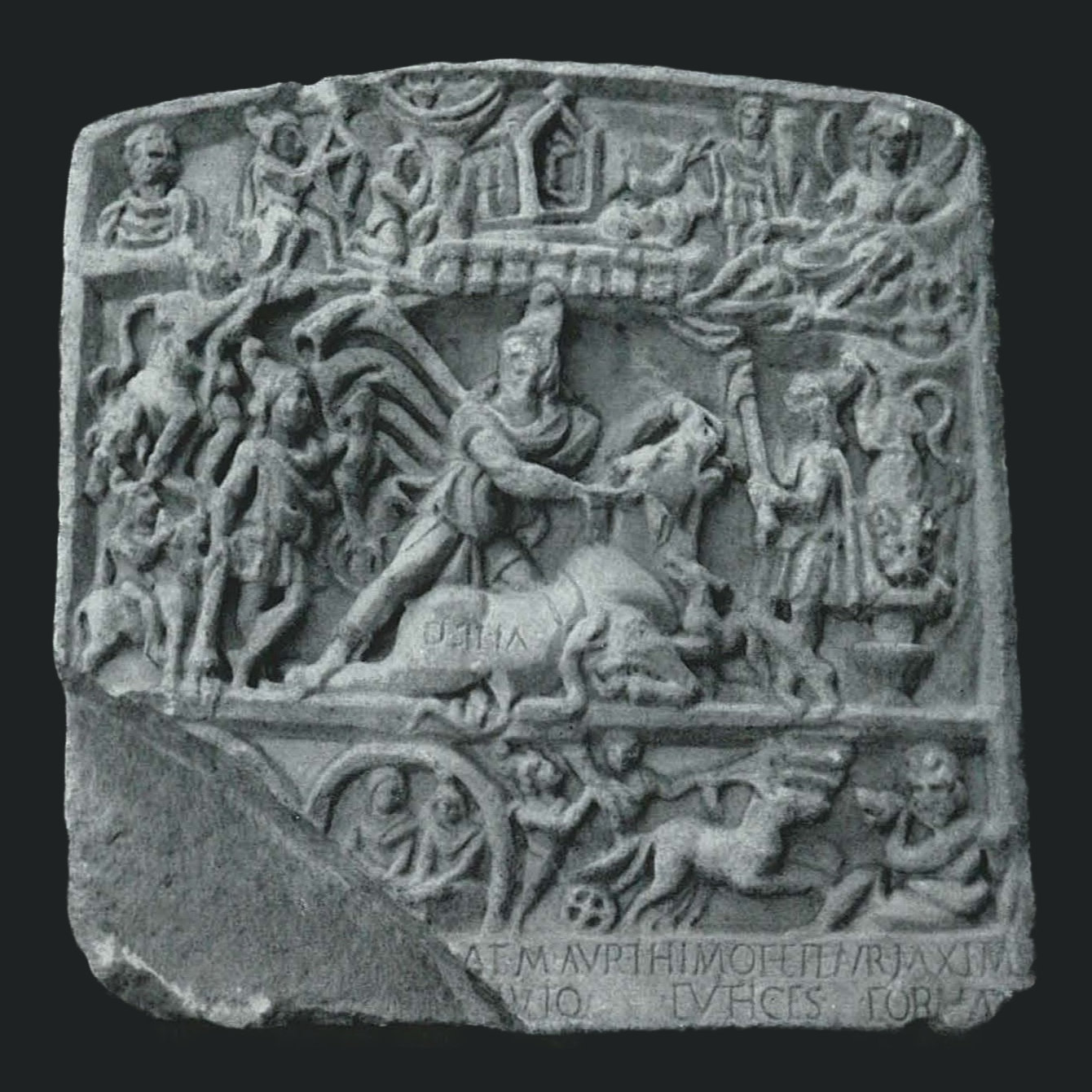
This marble relief of Mithras killing the bull was made by a freedman who dedicated it to his old masters.
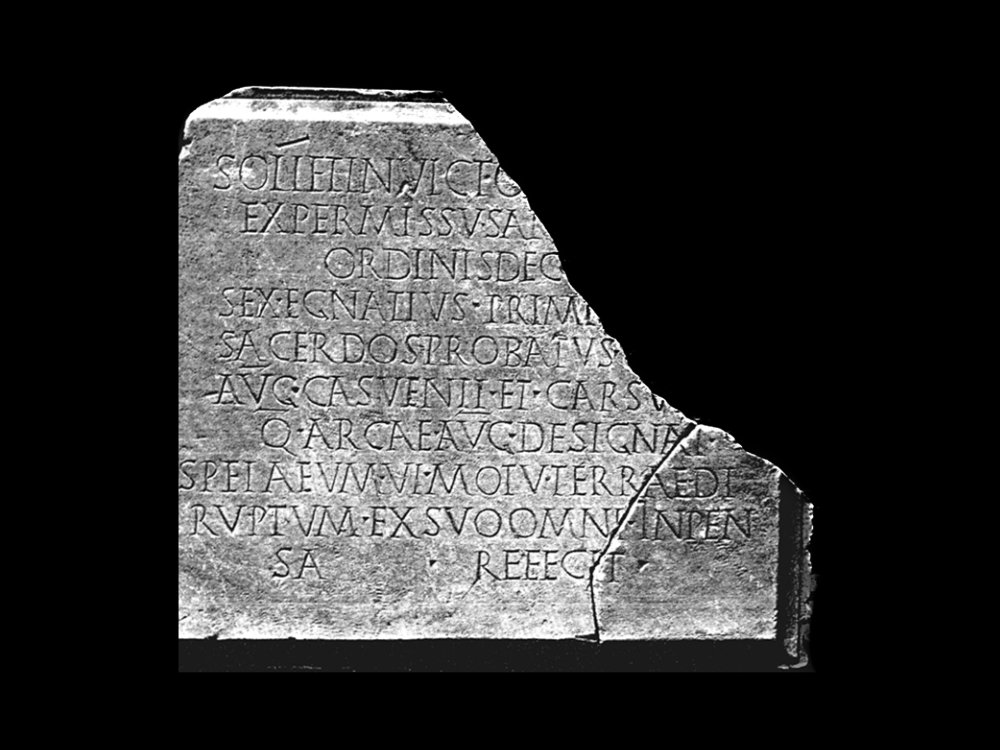
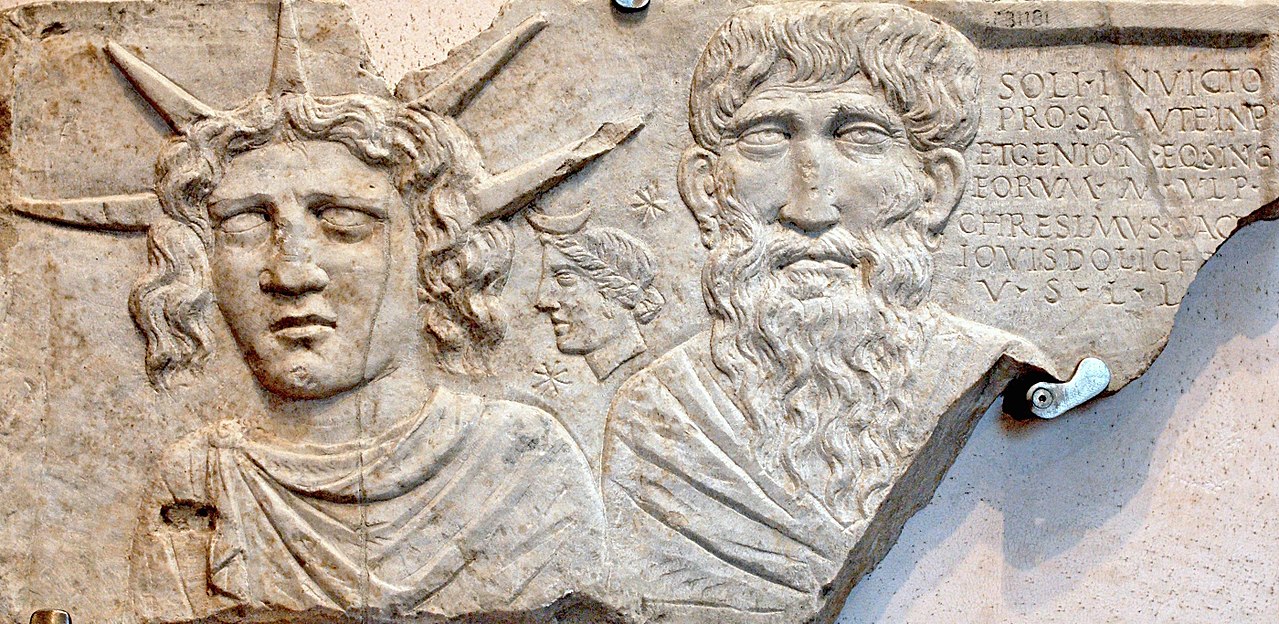
Marble plaque with inscription of a sacerdos probatus to Sol and the god Invictus Mithras.
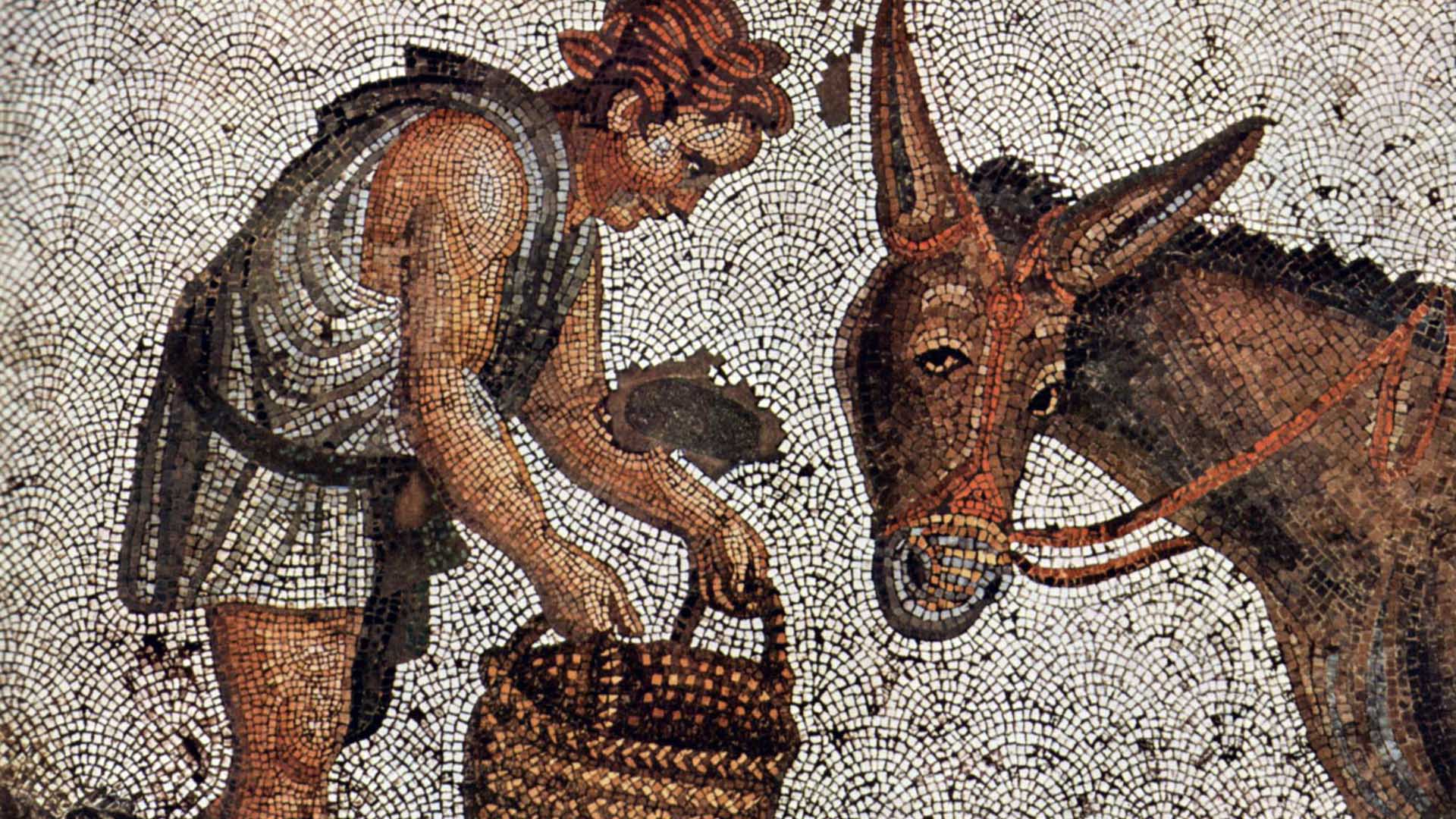
The concluding book of Apuleius’ Golden Ass (or Metamorphoses), where Lucius, the story’s protagonist, undergoes initiation into the mysteries of Isis and Osiris.
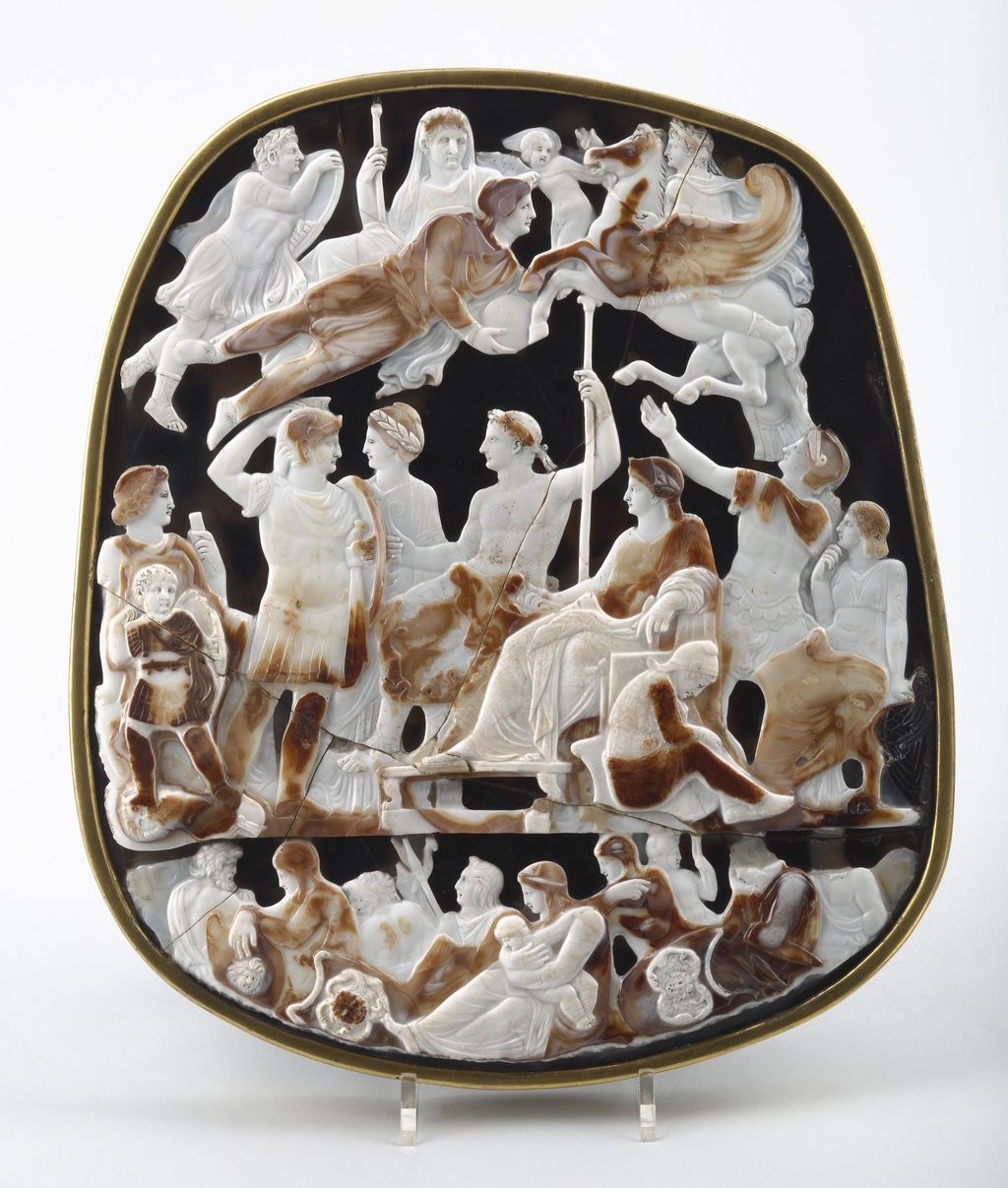
Some authors have speculated that the flying figure dressed in oriental style and holding a globe could be Mithras.
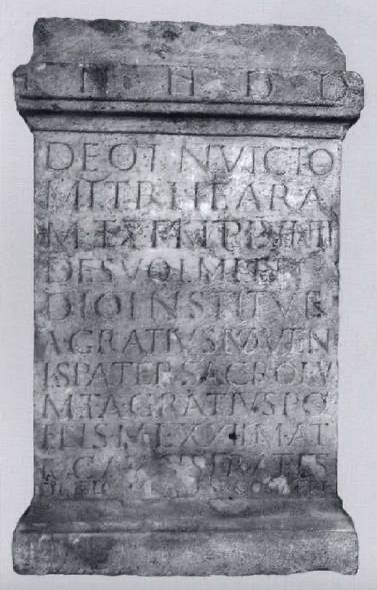
The monument was dedicated by two brothers, one of them being the Pater of his community.
This marble base found in Angera in 1868 bears the inscription of two people who reached the degree of Leo.
During the excavations of 1804-1805, a series of monuments dedicated to Mithras and a temple were discovered at ancient Mons Seleucus.
The inscription explains the transmission of the fourth Mithraic degree through the Paters of the Mitraeum of San Silvestro.
The Mithraeum of Pamphylia was cut back into the rock to form a cave, with a separate relief of Mithras killing the bull.
This inscription by Luccius Crispus was found near the entrance of the Mithraeum at Pamphylia.
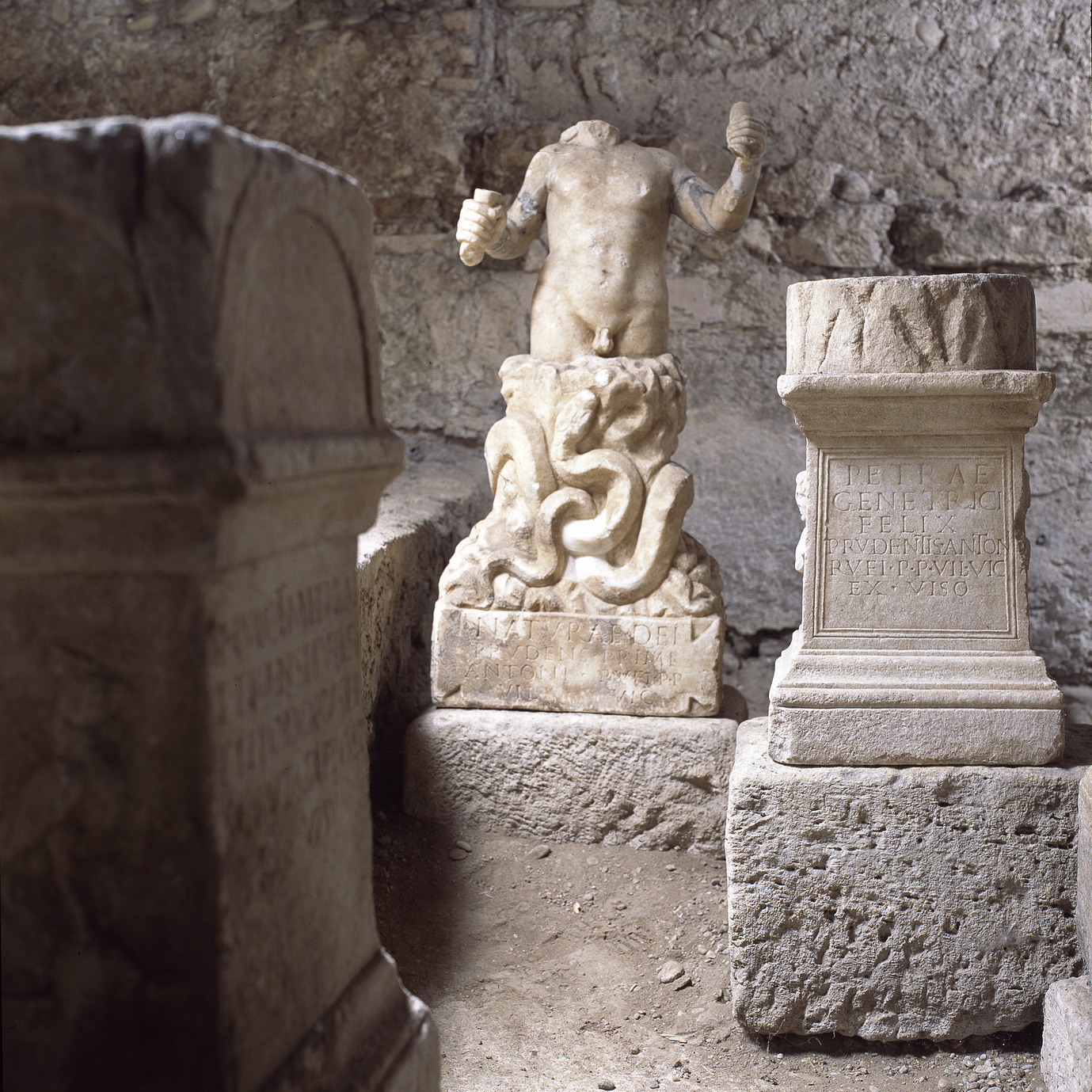
The sculpture includes a serpent climbing the rock from which Mithras is born.
This marble slab found near the Casa de Diana in Ostia bears two inscription with several names of brothers of a same community
