Your search Villa of Domitian at the Castel Gandolfo gave 3663 results.
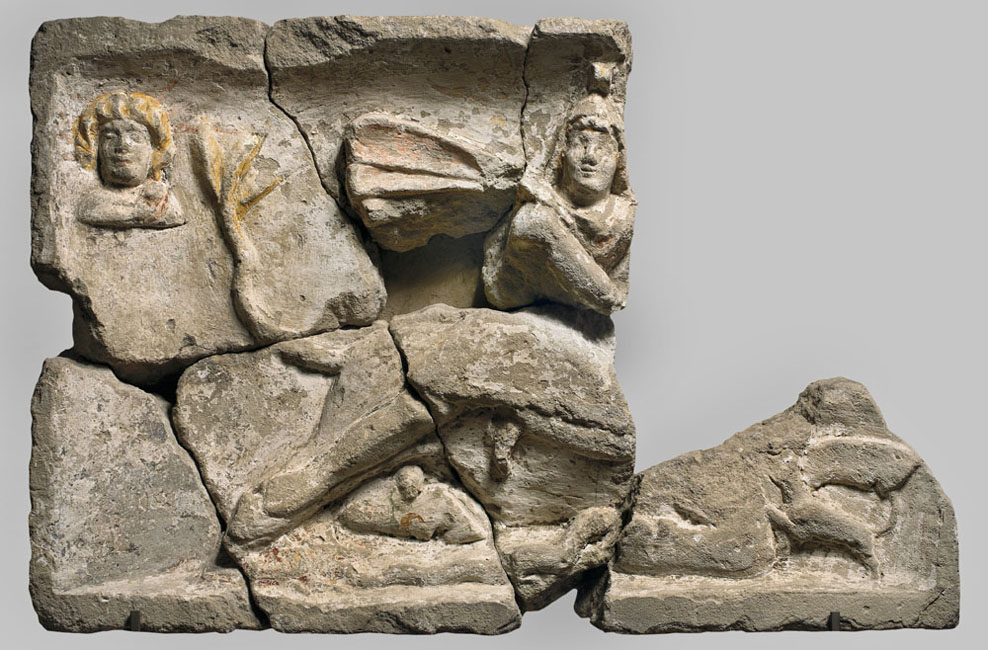
Sandstone relief of Mithras as bull-slayer, found at Petronell in 1932, with dog, serpent and scorpion, traces of polychromy preserved, now in the Museum Carnuntinum.
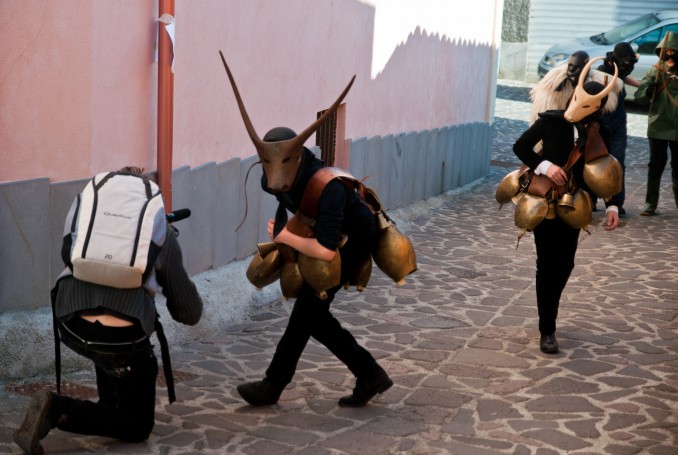
A series of polemical passages in which a leading fourth-century Christian theologian presents the cult of Mithras as a religion defined by cruelty, bodily suffering, and shameful initiation rites.
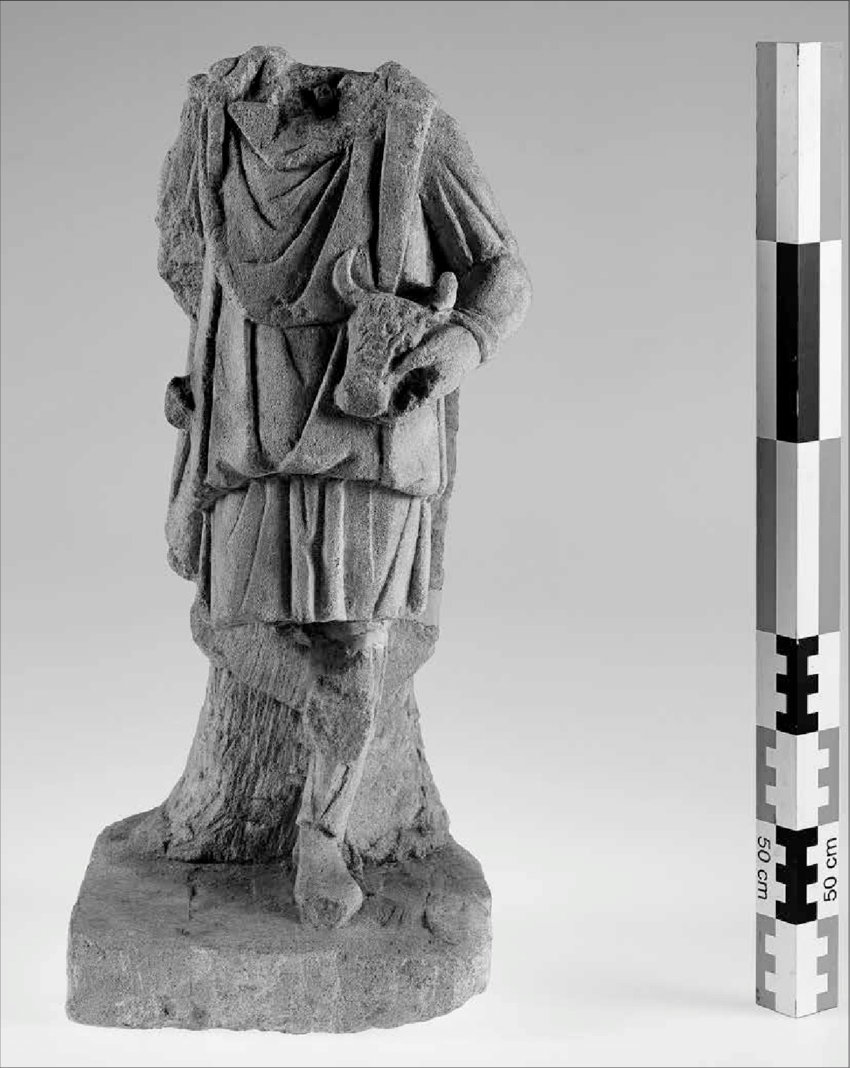
Statue of Cautes from Bodobrica, discovered around 1940, depicting the torchbearer standing before a tree or rock and associated with a bucranium.

Emperor Julian may have been initiated into the cult of the god Mithras at the Mithraeum of Vienne, France, according to Turcan.
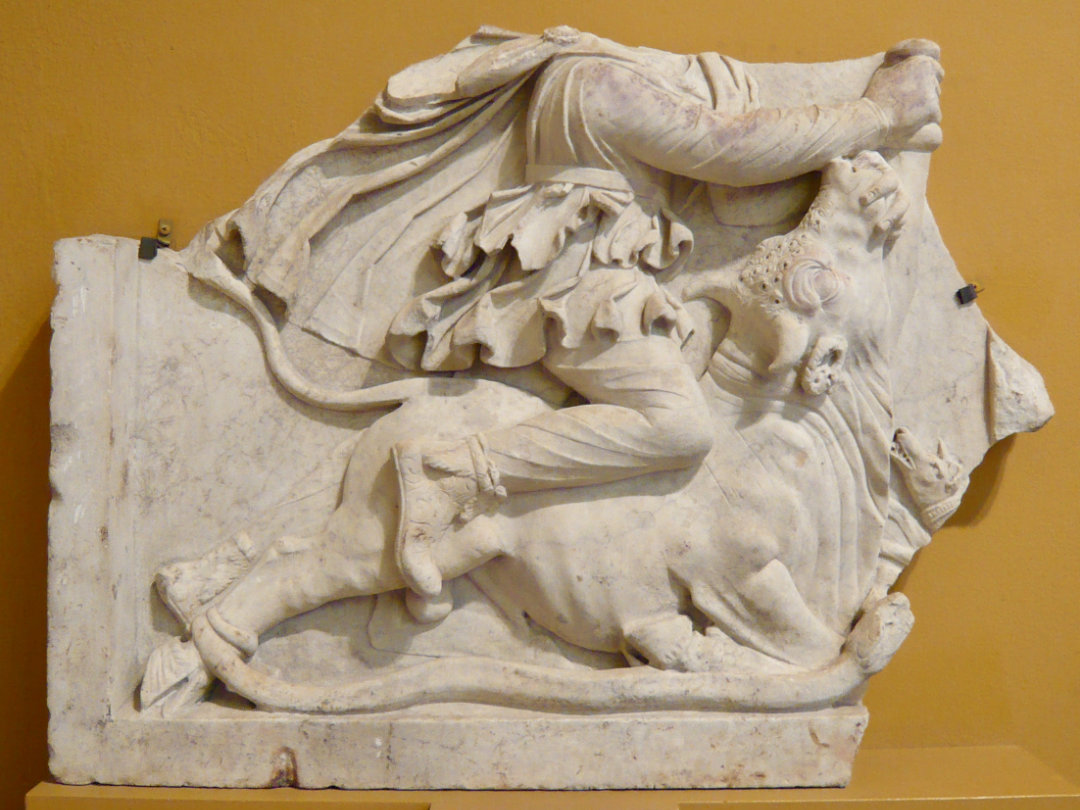
This fragmentary relief depicts Mithras killing the bull in the usual manner, remarkably dressed in oriental attire.
Small limestone stele, discovered at Apt in 1903. It depicts a standing torchbearer in the conventional Mithraic posture and dress, accompanied by a cock placed at his feet.
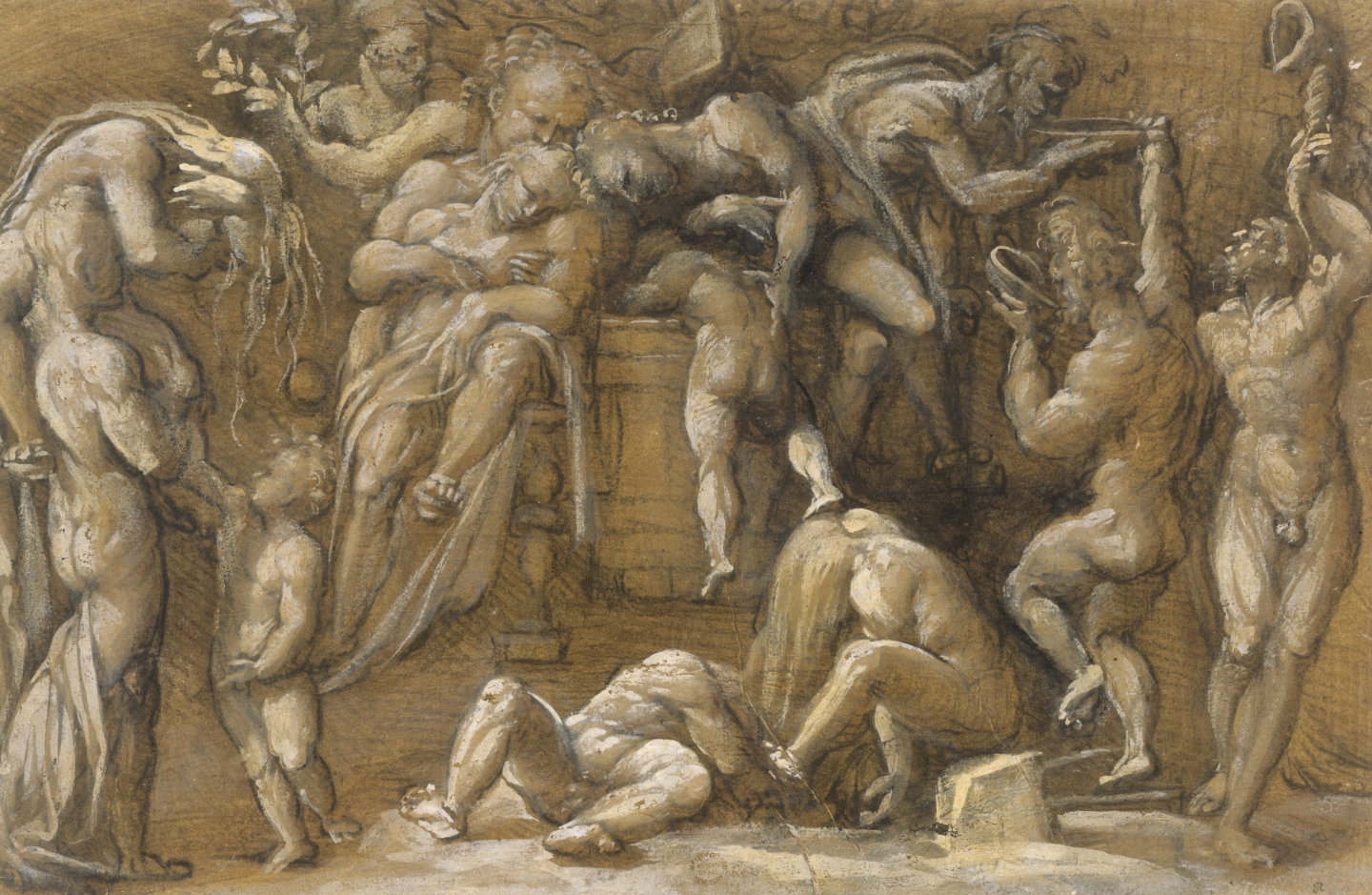
In polemical passages from the late second and early third centuries, Tertullian portrays the cult of Mithras as a demonic imitation of Christian rites and provides rare early references to Mithraic initiation and ritual symbolism.
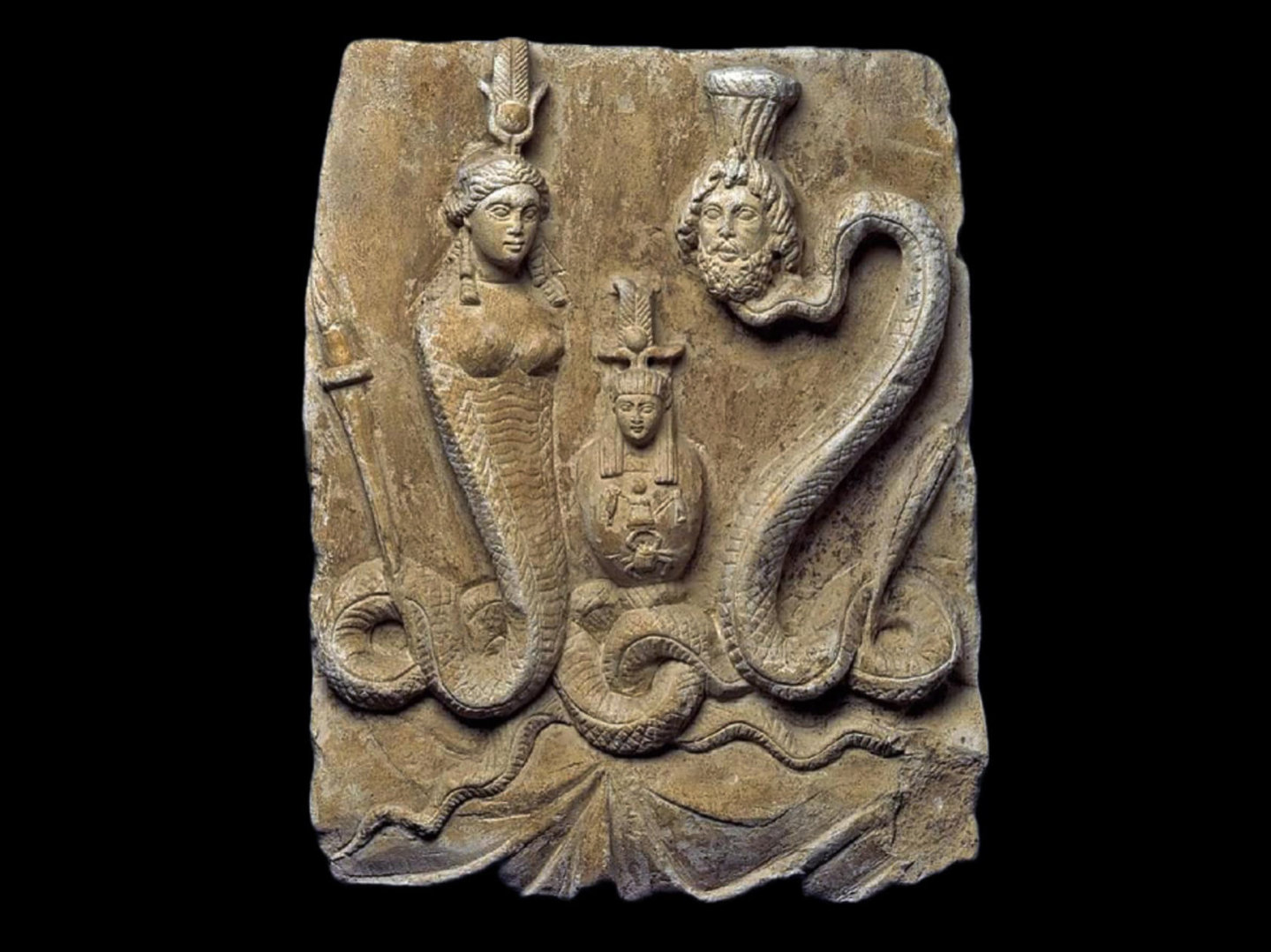
An anonymous late-antique Christian poem, traditionally attributed to Pseudo-Paulinus of Nola (Poema 32, vv. 109–111), that ridicules pagan cults and presents Mithras, Isis, and Serapis as gods of concealment, contradiction, and unstable forms rather than light…
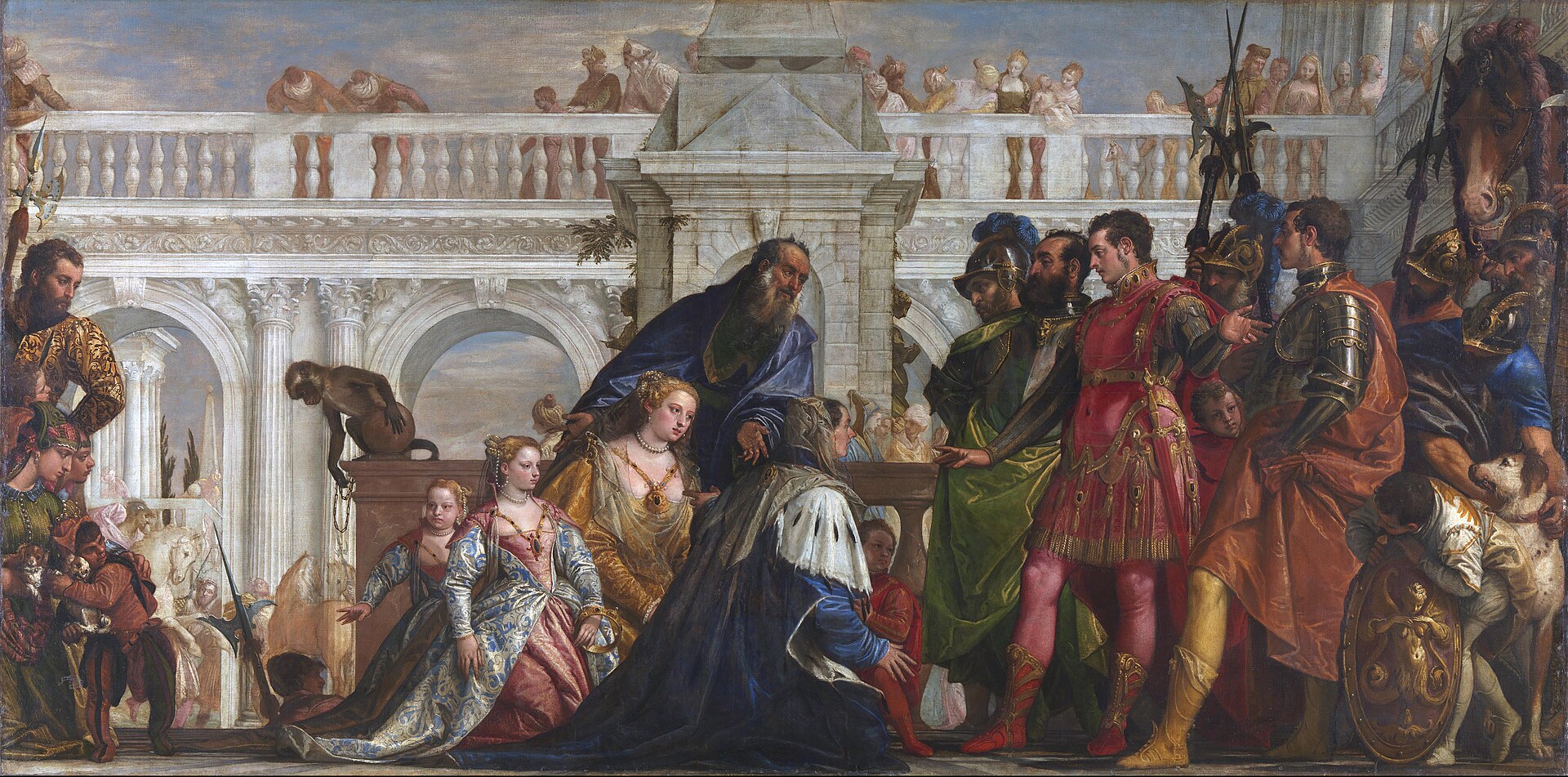
Late antique legendary biography of Alexander the Great (c. AD 300), where history, myth, and imperial ideology merge around figures of divine kingship and solar power.
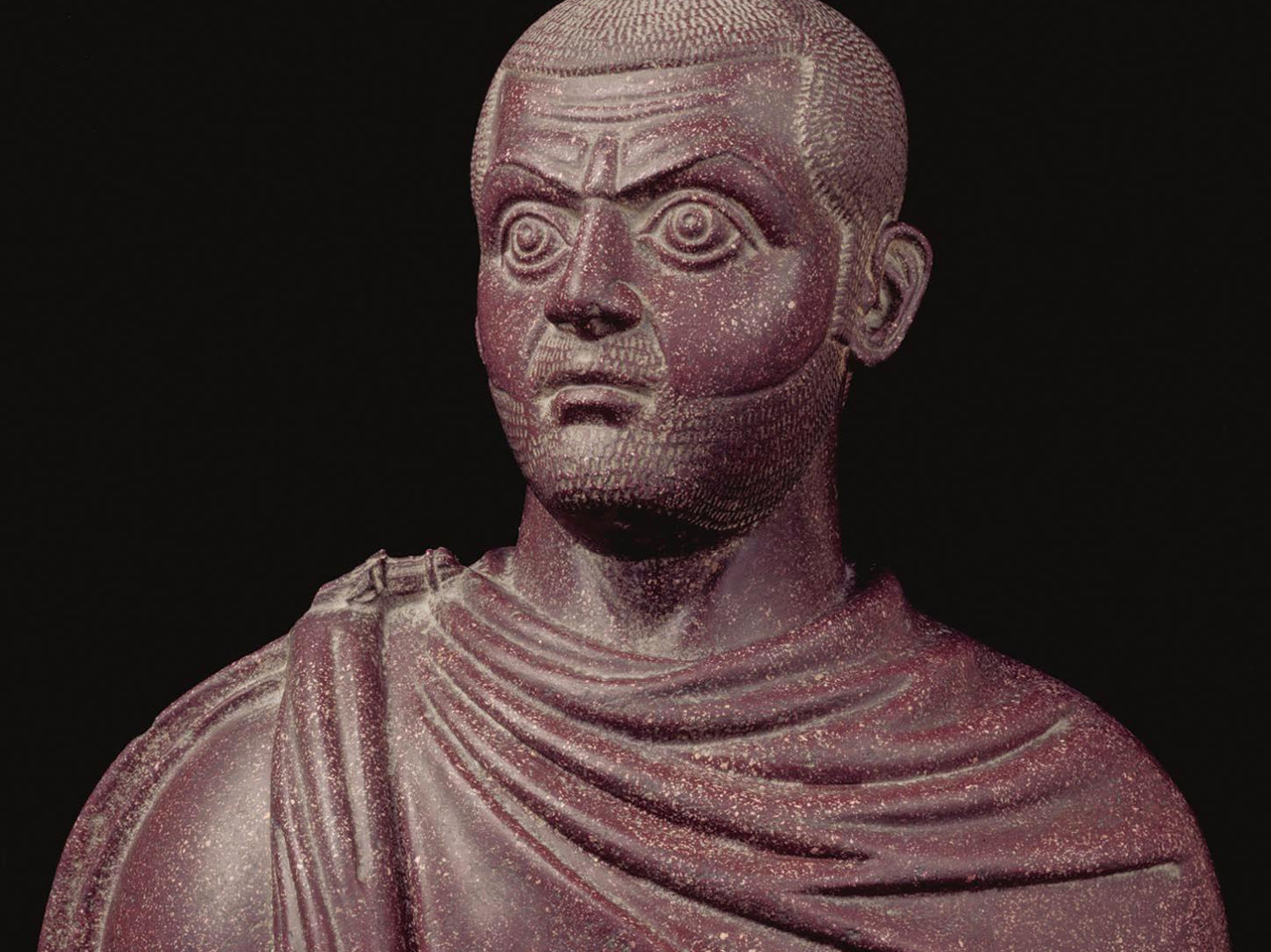
In the eighteenth year of Diocletian’s reign, Galerius Maximianus, persuaded by the sorcerer Theoteknos, consulted demonic oracles in a cave and was urged to initiate the persecution of the Christians.

A erotic military fantasy set against the dramatic background of Rome’s conquest of the British Isles.
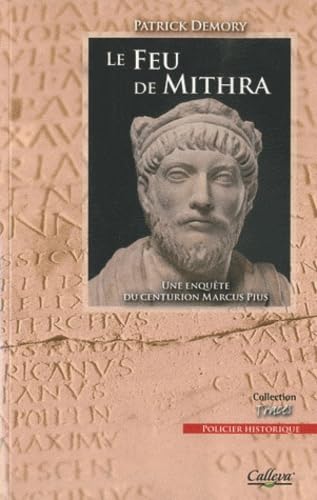
A Roman centurion investigates a ritual murder and a deadly new weapon, the Fire of Mithras, from the alleys of Lutetia to the battle of Argentoratum.

Professor Wind's acclaimed work explores pagan mysticism and neoplatonic philosophy in Renaissance art, offering insightful analyses of masterpieces by Botticelli, Michelangelo, Raphael and Titian.

Born in the mists of history, Mithras, the deity of light, known for at least 3,500 years and still revered today, has appeared in different ages, religions and forms. This volume explores the sources of the god's history, with a focus on the Roman myths of Mithras…

A conversation between Peter Mark Adams and Christophe Poncet on the esoteric tarot, in relation to the elite and Saturnian Sola-Busca tarocchi and the popular and luminous Tarot de Marseille.

Keiner der zahlreichen heidnischen Kulte und keine antike Religion hat das Christentum in einer Weise herausgefordert und geprägt, wie der römische Mysterienkult des Sonnen- und Erlösergottes Mithras.

Why did the Romans worship a Persian god? This book presents a new reading of the Mithraic iconography taking into account that the cult had a prophecy.

Certains mythes de l'Antiquité sont probablement basés sur des récits de « mort imminente » exactement les mêmes que les nôtres. Ainsi, s'expliqueraient le Paradis, l'Enfer, l'âme, le Dieu unique, nos divers «états d'âme»..…

This volume collects the first results of the extensive and articulated research project dedicated to the Mithraeum of the Circus Maximus.

The links between Egypt and Greece are strong and far-reaching, and although the zoomorphic gods frightened Herodotus, the fact remains that the two cultures continued to influence each other.
