Your search Villa of Domitian at the Castel Gandolfo gave 3663 results.


Estate manager and slave of Caius Antonius Rufus, prefect of roads and customs collector.

Roman veteran stationed on the island of Andros, where he built a temple to Mithras.

Soldier of Legio XIII Gemina and strator consularis who dedicated an altar to the invincible Mithras.

Centurio of the Legio III Augusta, Florus dedicated an altar to the unconquered Sol Mithras in El Gahra.

Pater Patrum of Ostia, he officiated at the Mitreo Aldobrandini where he is mentioned in a couple of inscriptions.

A comrade of Charitinus, he was a freedman who consecrated an altar to Mithras for the emperors Philip the Arab and Otacilia Severa.
He devoted an altar to the Mother Goddesses for Respectus, found at the Mithraeum of Friedberg.

Breton centurion stationed in Volubilis, Mauretania Tingitana, known for his loyalty to Mithras and Commodus.


Procurator of the emperor, Porcius Verus erected a relief of Mithras found in Ruše, Slovenia..

Freedman who consecrated an altar to Mithras for the numen and majesty of the emperors Philip the Arab and Otacilia Severa.

Slave on a farm in Valentia, Hispania, who dedicated an altar to the invincible Mithras.
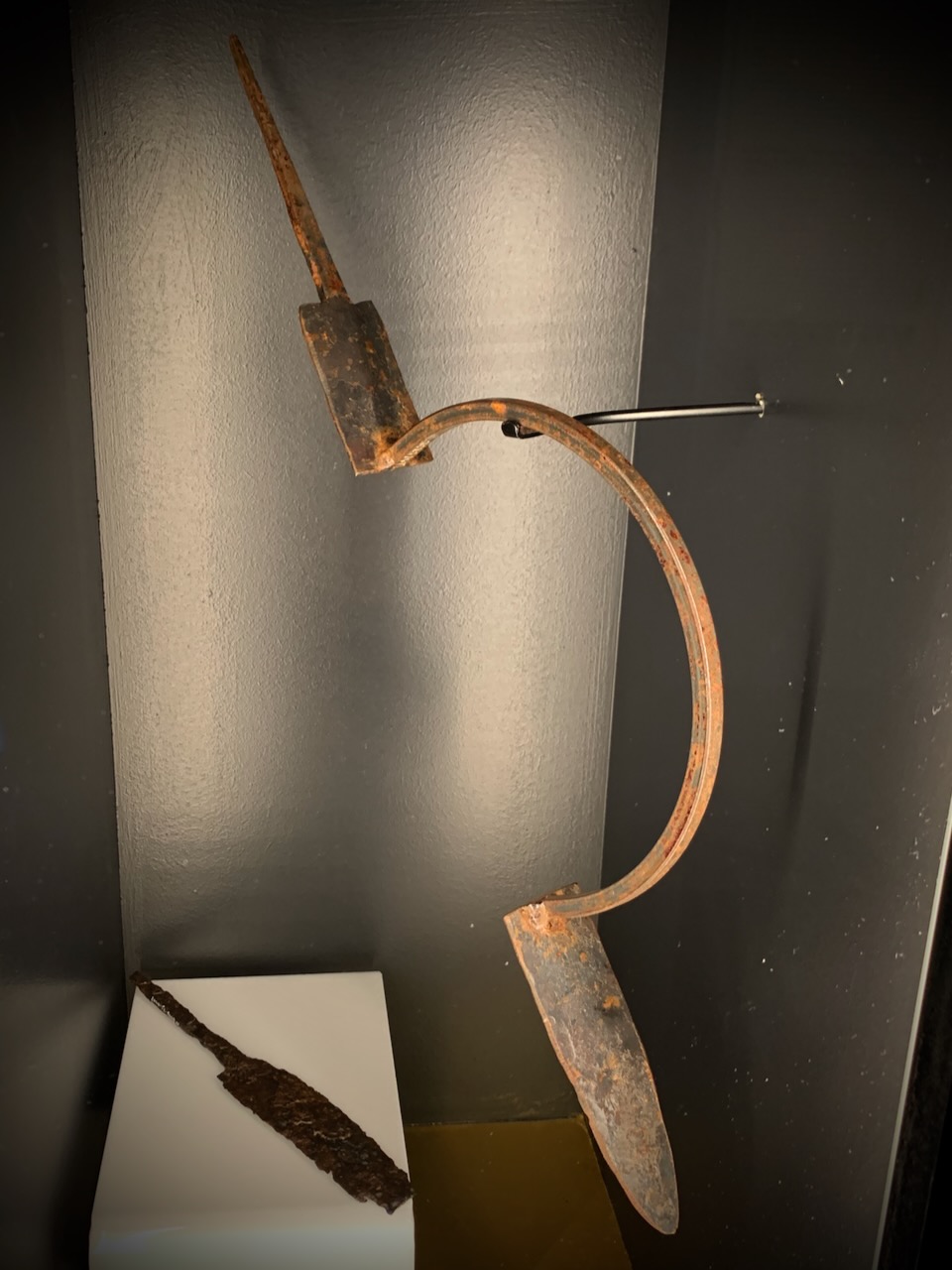
Several iron fragments found in the second mithraeum of Güglingen may have been used during mithraic ceremonies.
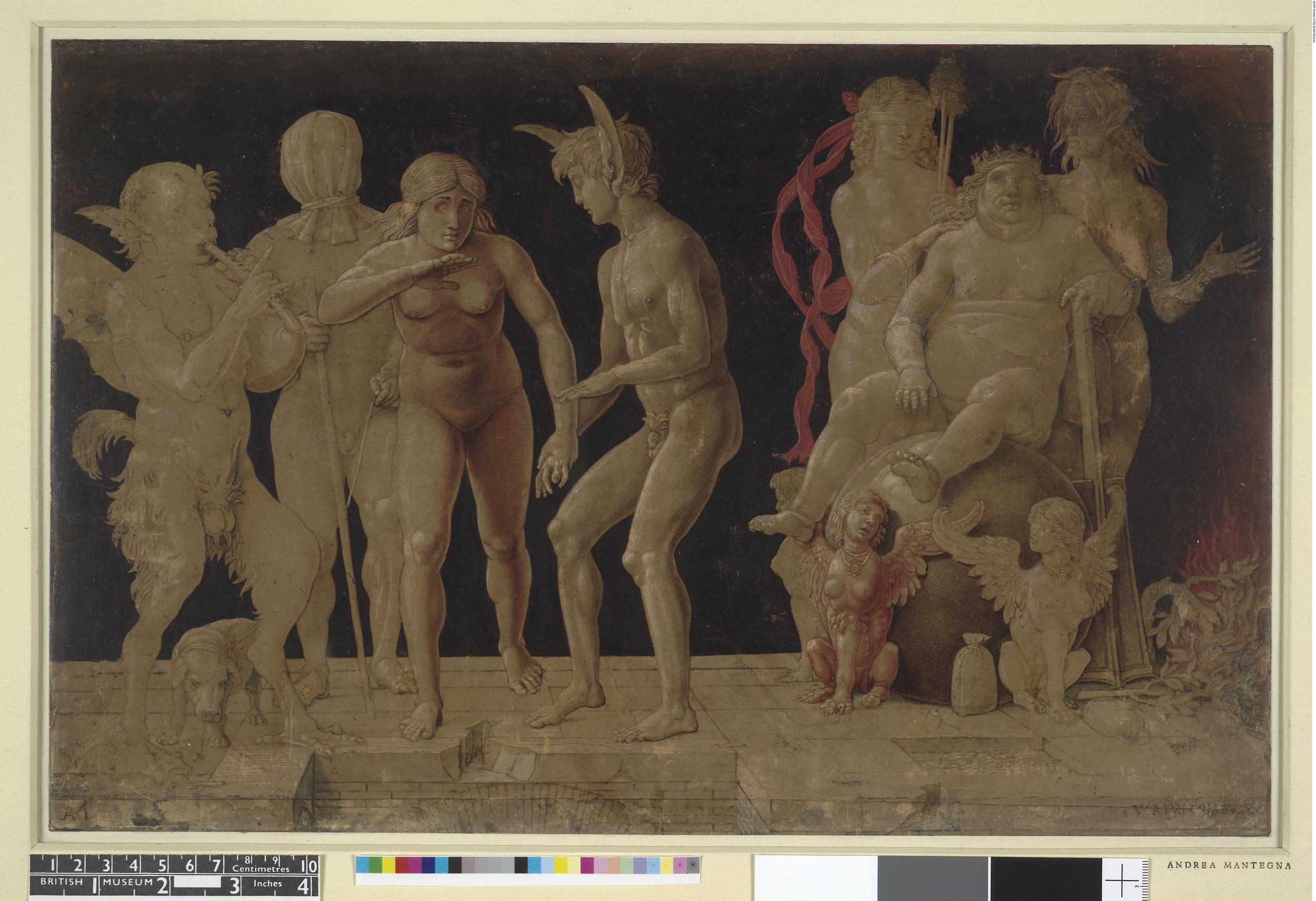
The Cilician pirates incorporated significant divine feminine elements, notably Anahita, into their Mithraic practices, profoundly influencing the initiation rites within the Roman Empire.

The name of this domus comes from the fact that some authors once associated one of its mosaics with the cult of Mithras, a connection that has since been dismissed.
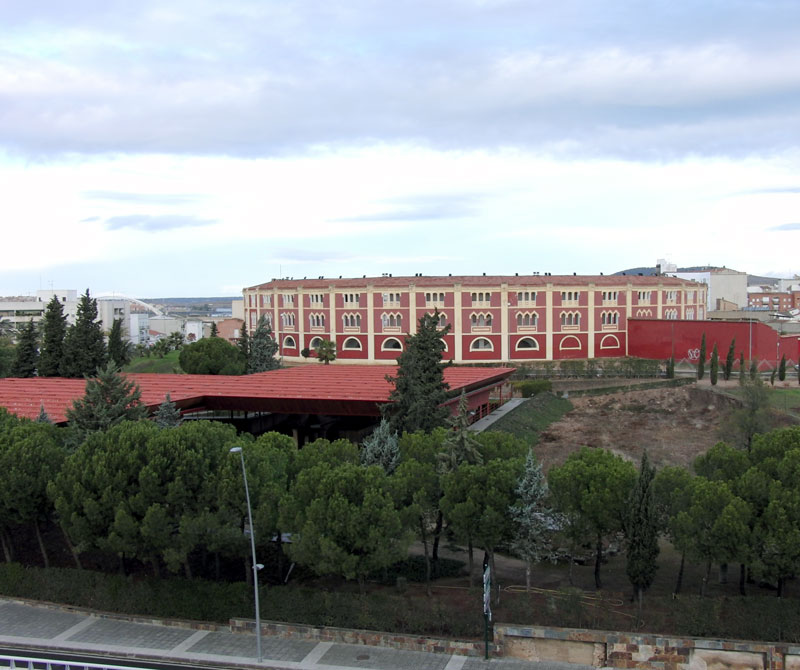
Although the site at Cerro de San Albín is not a Mithraeum, archaeologists have found several monuments related to the cult of Mithras.
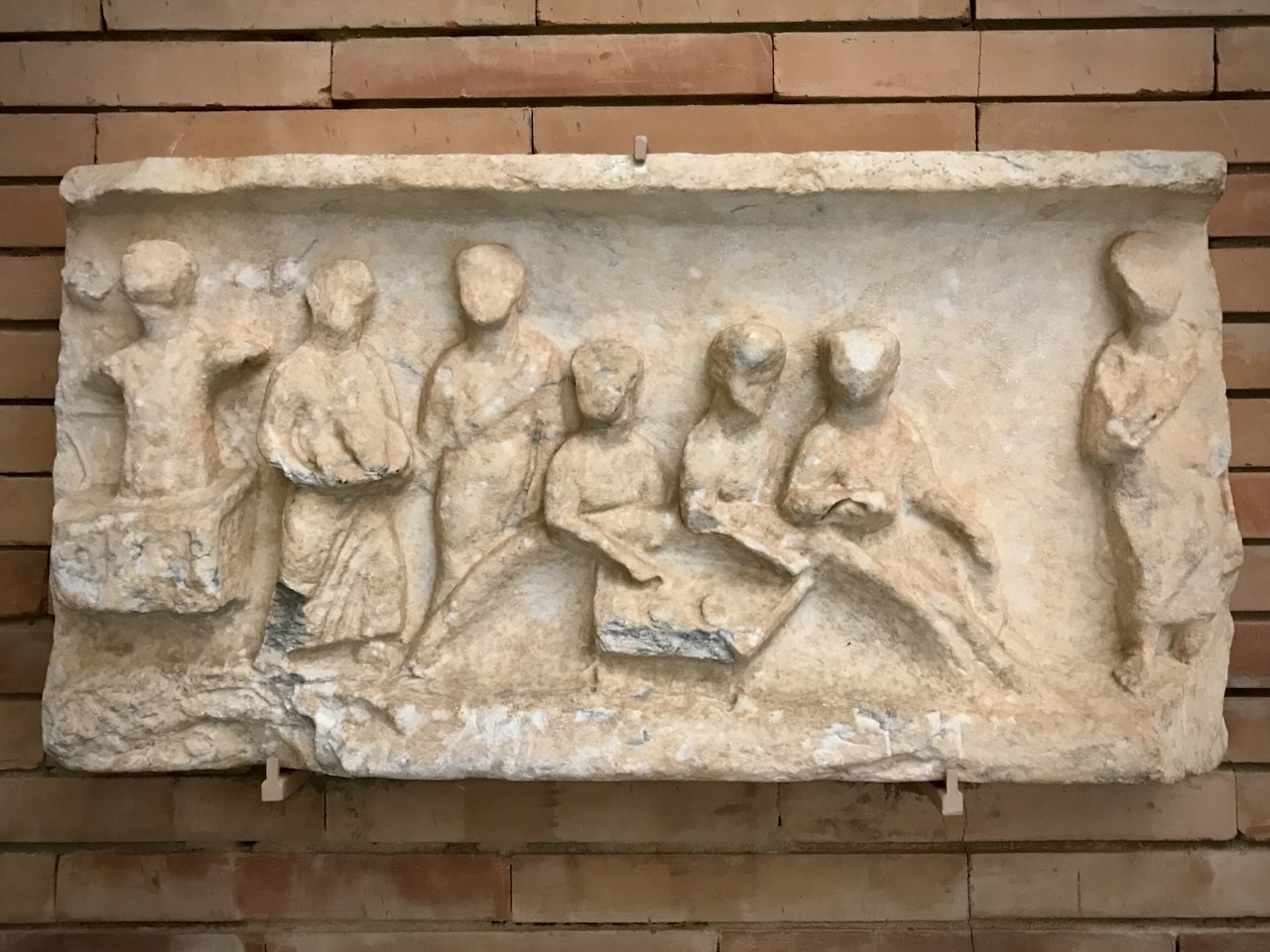
This scene of a feast from Mérida shows three persons at a table with other people standing beside them, one holding a bull’s head on a plate.
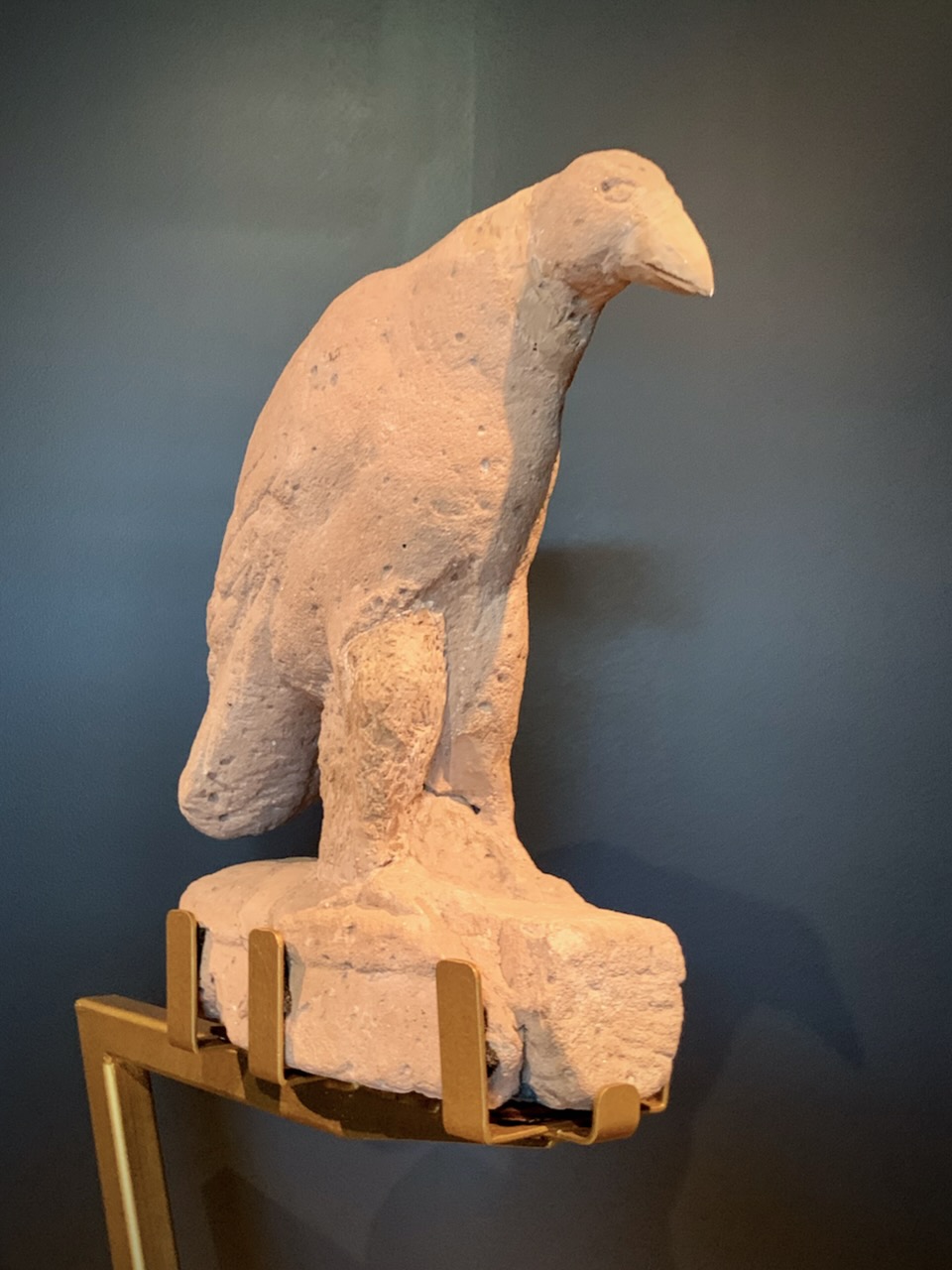
The Stockstadt Raven is one of only two standing-alone sculptures of this bird to be found in Mithraic statuary.

Jaime Alvar speculates that the Gran Mitreo de Mérida could have been located in this area, based on a series of materials unearthed by Mélida during the excavations of 1926 and 1927.
