Your search Villa of Domitian at the Castel Gandolfo gave 3663 results.
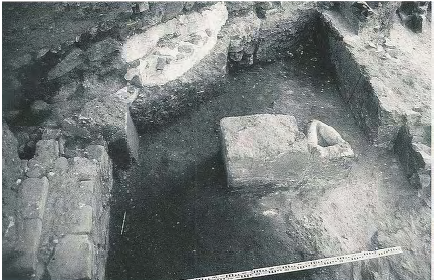
The Mithraeum at Espronceda Street, in Merida, was discovered in 2000. It is a semi-subterranean temple.
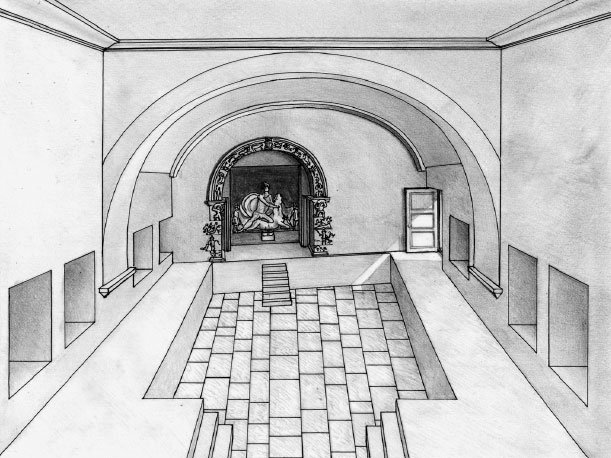
The Mithraeum of Saara, Syria, has been identified through the deciphering of the remains of the iconographic programme on its arch.

The exploration of an old pazo, a manor house, near the Roman wall, in Lugo, led to the discovery of a Roman domus, which existed continuously from the beginnings of the Christian Era until the Late Empire.

In this terracotta relief depicting Mithras as a bull killer found at Cales, now in Calvi Risorta, none of the usual accompanying animals is present.

Second terracotta tablet found at Calvi depicting Mithras killing the bull, now at Berlin, Antiquarium.

The existence of a mithraeum in the "tana del lupo", a natural cave in the castle of Angera, has been assumed since the 19th century, following the discovery of two mithraic inscriptions in the town.

This very fine relief of Mithras killing the bull was discovered in 2014 in Germán, near Sofia, Bulgaria, and is now housed in the Sofia History Museum.
The Mysteries of Mithras is an independent Initiatic Order which is inspired by and uses the allegory of the lost and ancient Mithraic Mysteries also known as Mithraism a previously influential Roman Cult of the same name.

The Mithraeum of Visentium, near Capodimonte in Viterbo, was carved grotto-style into a tuff cliff overlooking the waters of Lake Bolsena, just a few dozen metres away.
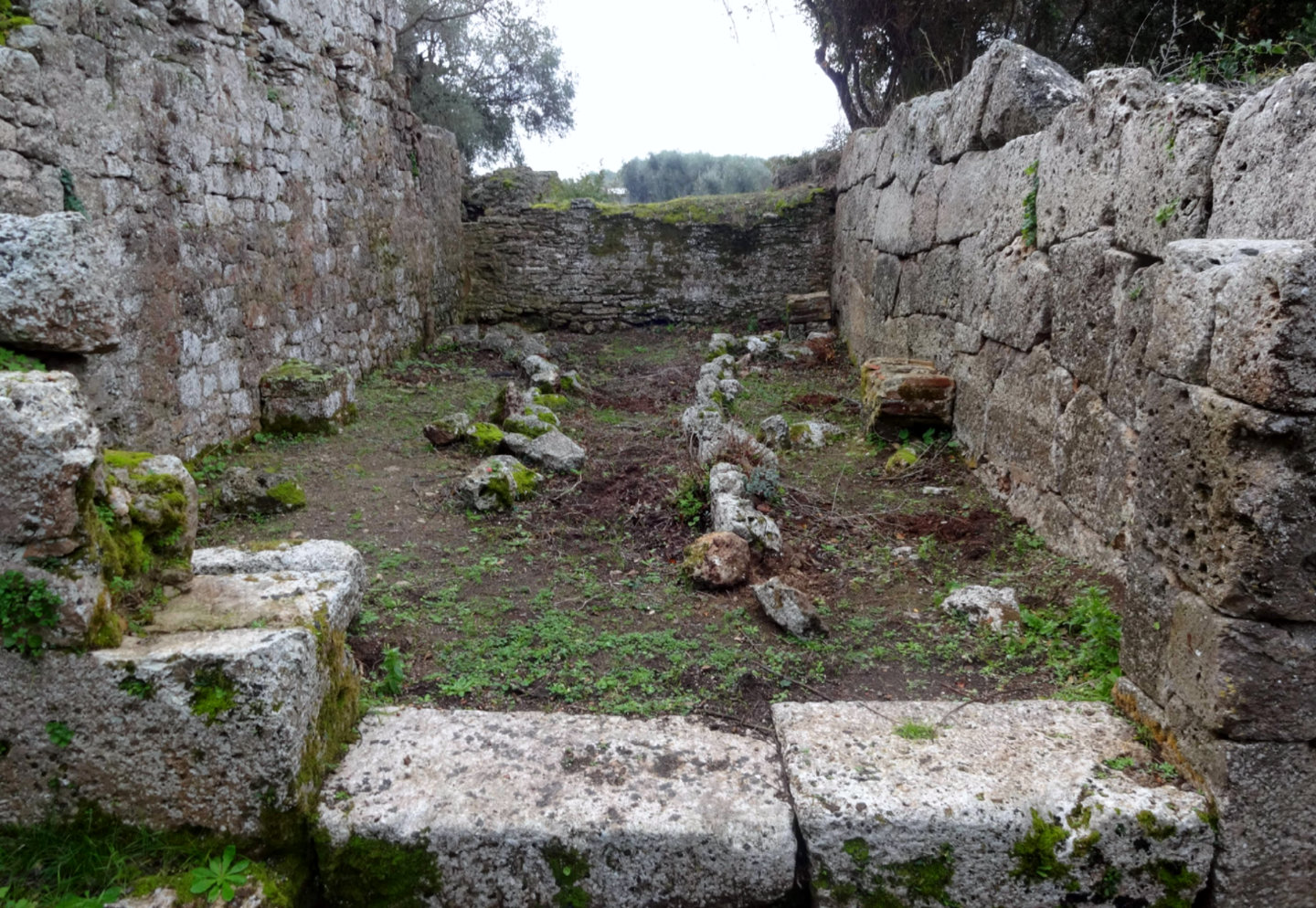
The Mithraeum was inserted into the basement of the basilica-theater by the 3rd century.

This gemstone depicting Mithras killing the bull, preserved in the Ploiești Museum, originated from Prahova County or south of the Danube area.
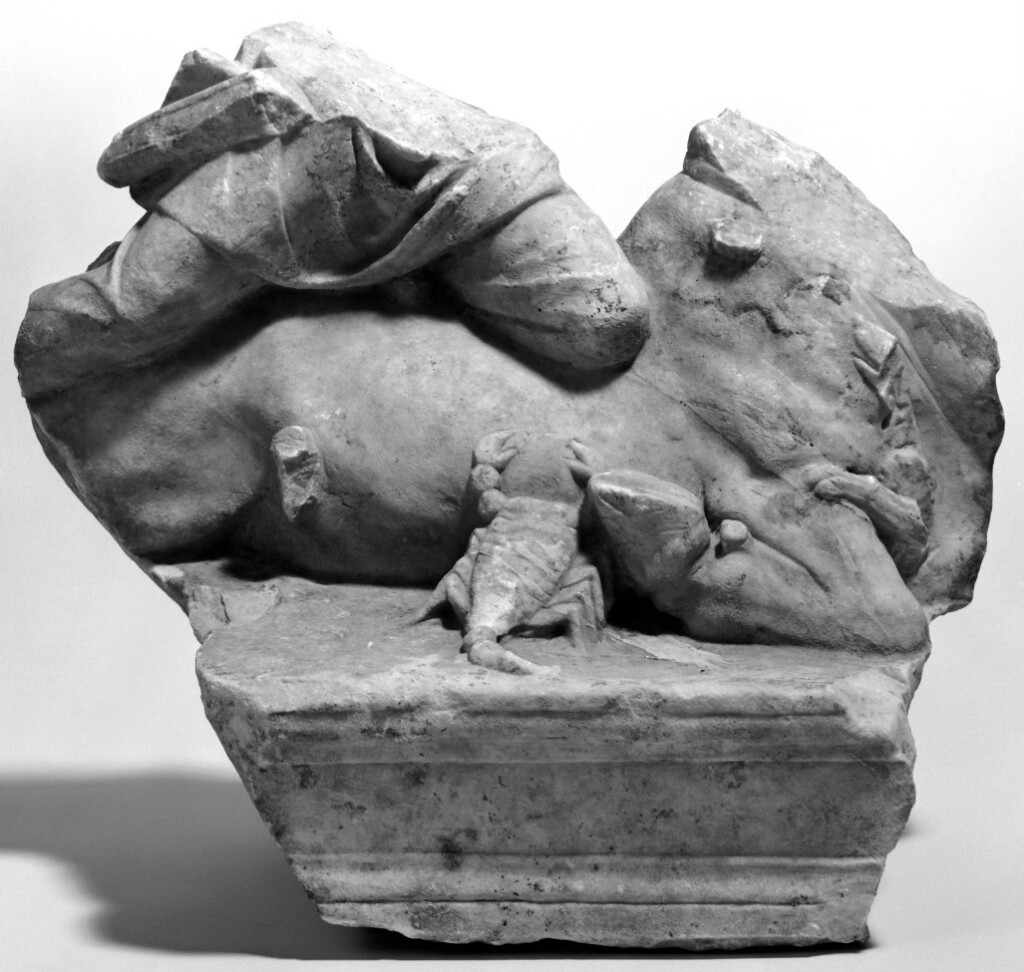
This fragmentary scupture of Mithras killing the bull belongs to the Getty Museum, Los Angeles, USA.
The Dream of Scipio, the Orphic Gold Plates, and the Mithra Liturgy are compared revealing a common cosmovision predicated on the microcosm.

Porphyry states that the Mithraists “perfect their initiate by inducting him into a mystery of the descent of souls and their exit back out again, calling the place a ‘cave’.”.

Over the last century or so, a great deal has been said about the god Mithras and his mysteries, which became known to the European world mainly through his Roman cultus during the Imperial Period.
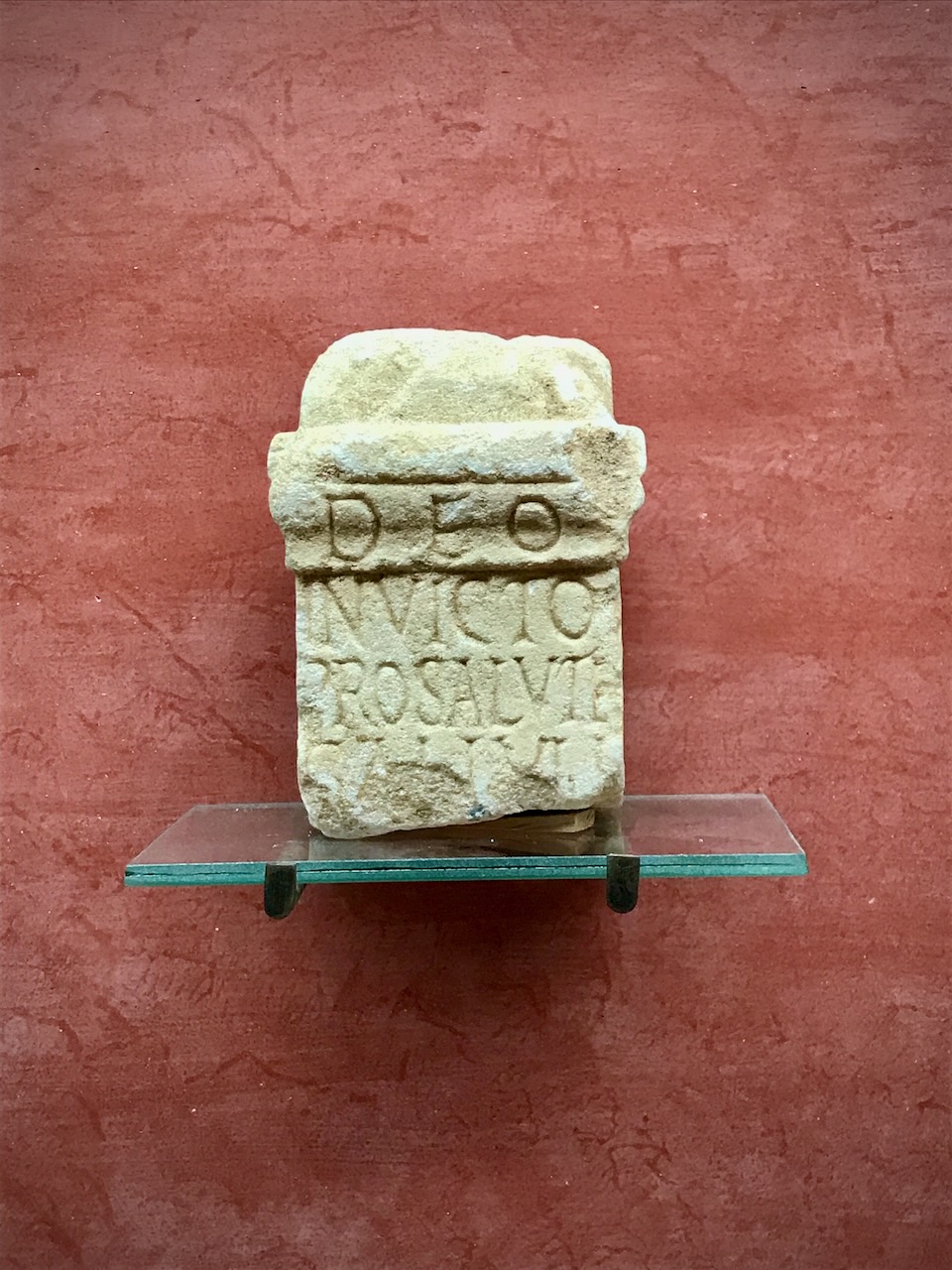
The small Mithraic altar found at Cerro de San Albin, Merida, bears an inscription to the health of a certain Caius Iulius.
This limestone altar to Sol Invictus Mithra was found at Turda in 1905.
This is the second altar found in Ceanu Mic to date, dedicated to an Invictus being.
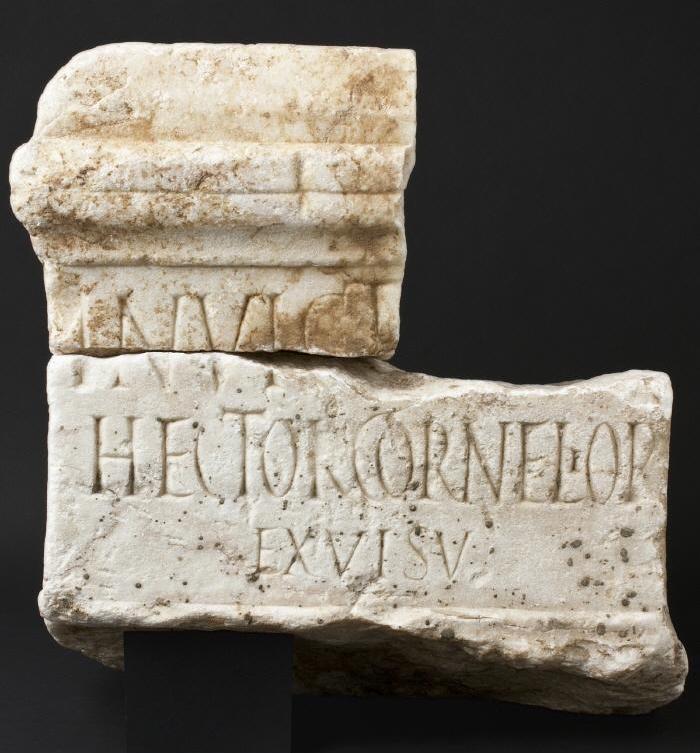
This fragmented altar was found in two pieces that Ana Osorio Calvo has recently brought together.
