Your search Villa of Domitian at the Castel Gandolfo gave 3663 results.
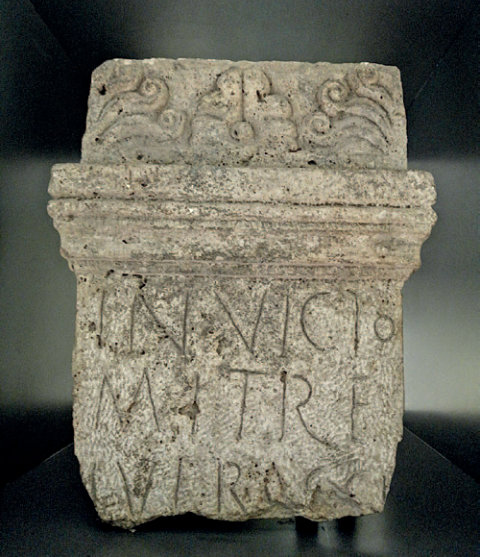
This Mithraic altar of a certain Iulius Rasci or Racci was found in 1979 in a field in Borovo, Croatia, in the area of the Roman fort of Teutoburgium.
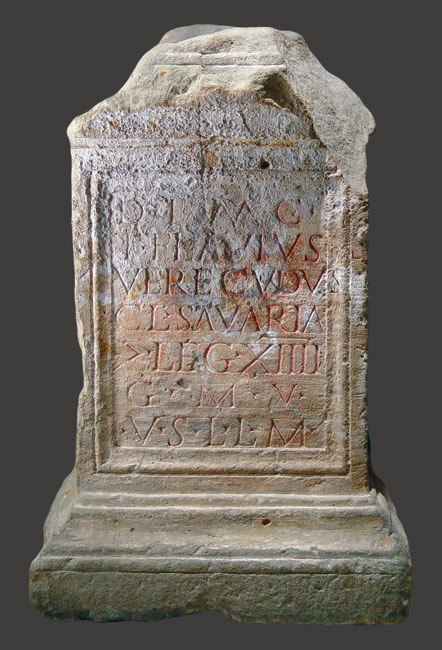
This monument to Mithras and Cautes (or Cautopates) was erected in Carnuntum by the centurion Flavius Verecundus of Savaria.
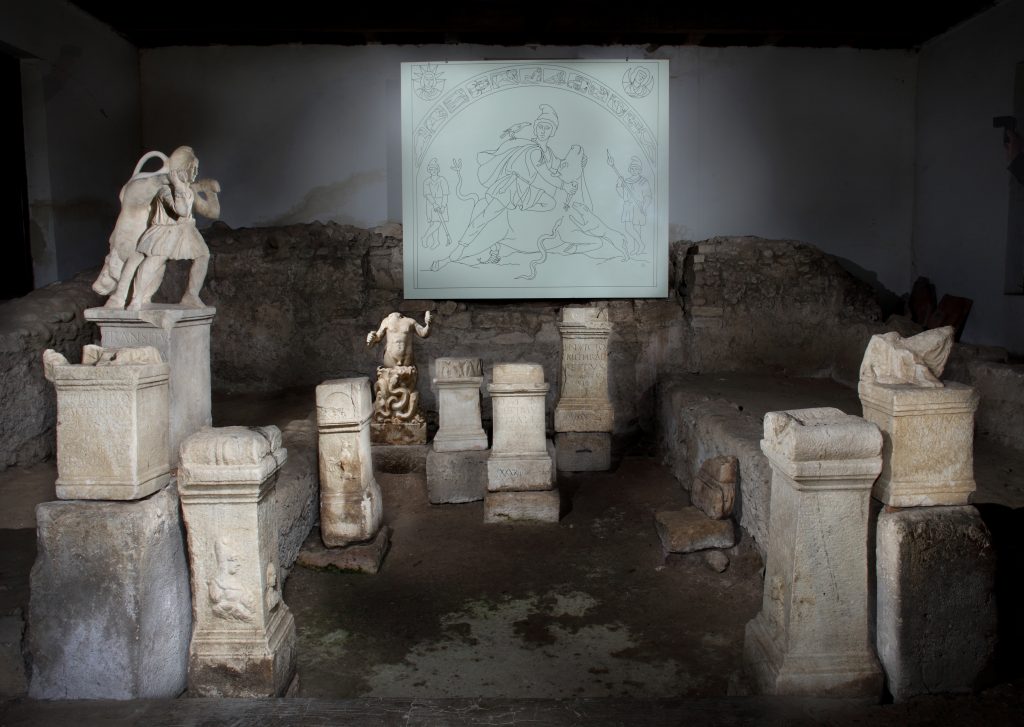
The Mithraeum I of Ptuj contains the foundation, altars, reliefs and cult imagery found in it.

Minto has claimed that the time god Aion was painted on the corner of the north wall of the Mitreo de Santa Capua Vetere.
A statue and a relief of Cautes have been found in an ancient Gallo-Roman site in the commune of Dyo.
The Mithraeum I of Cologne is situated amid a block of buildings. It was impossible to narrowly determine its construction and lay-out.
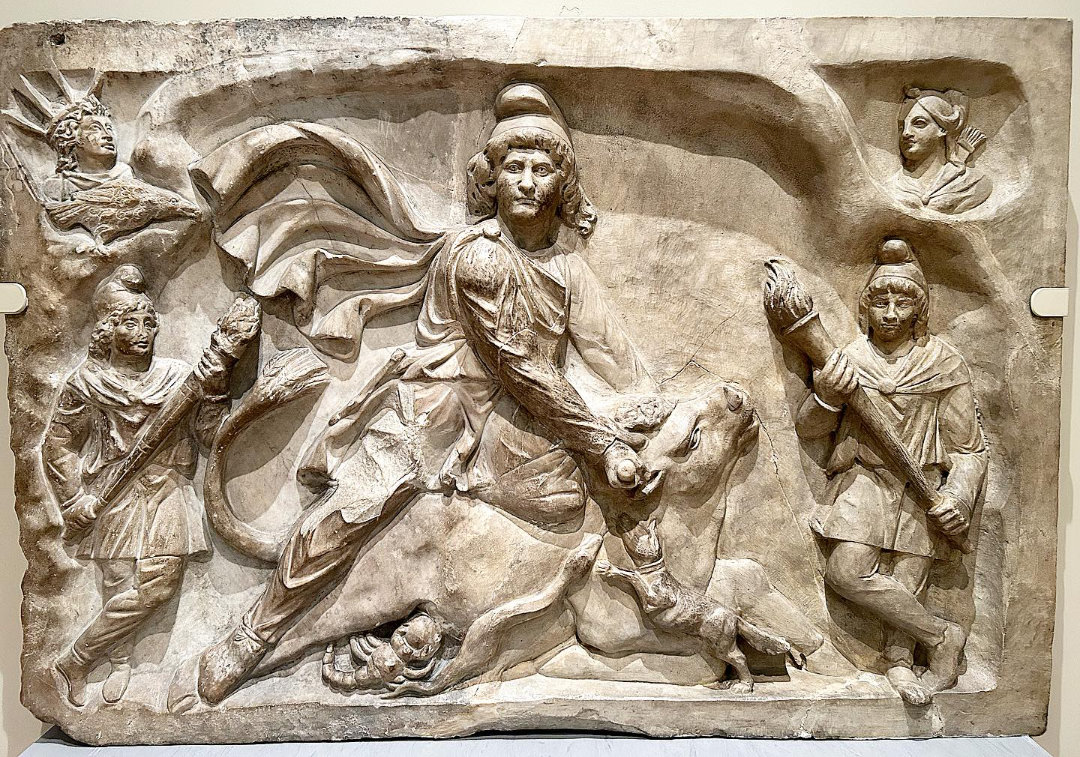
This relief of Mithras killing the bull is on display at the Royal Ontario Museum.
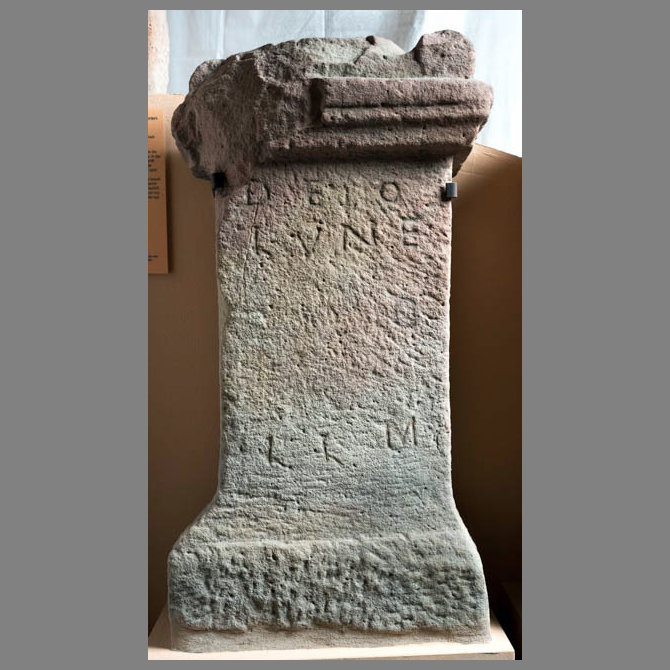
This sandstone altar was dedicated to Luna, who is mentioned as a male deity.
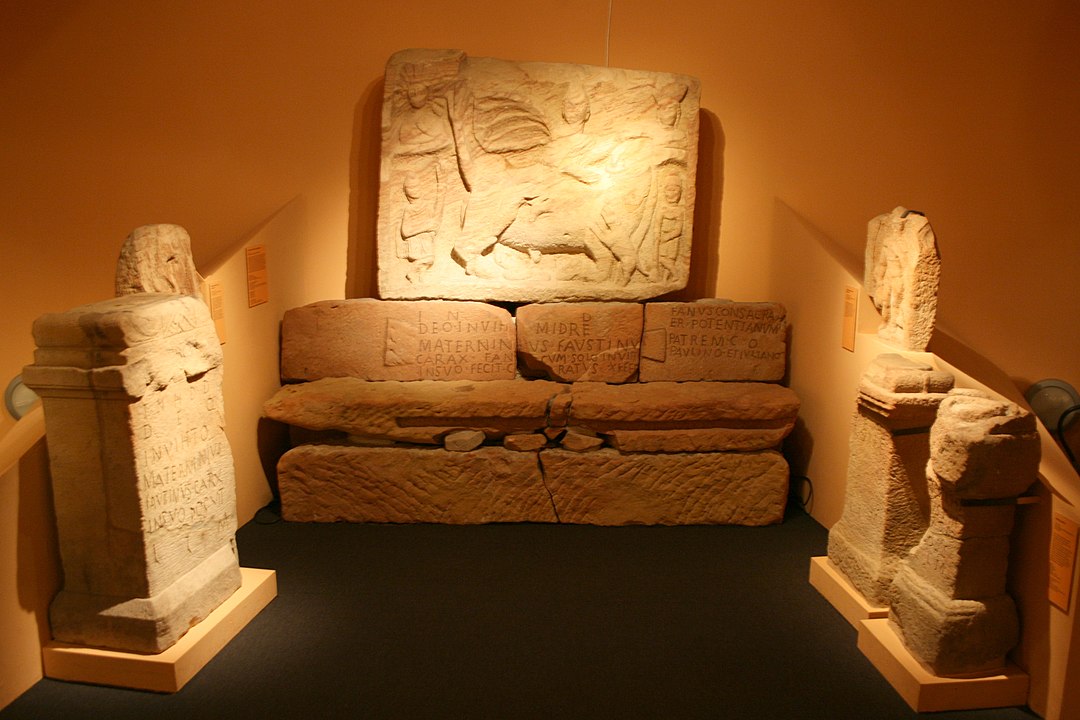
The few remains of the Mithraeum of Gimmeldingen are preserved at the Historical Museum of the Palatinate, in Speyer, Germany.
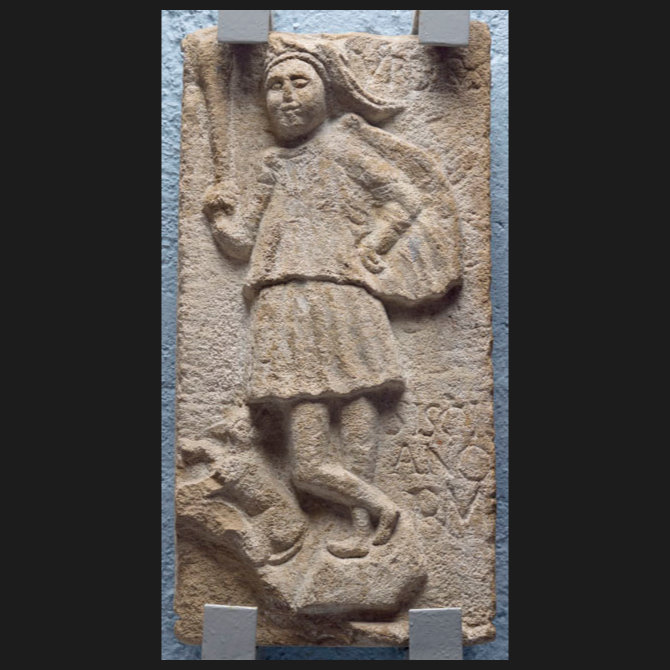
There are no further details about this Mithraic statue from Transylvania, the historical region of central Romania.
Vermaseren noted in his Corpus that he had been informed of a fragmented relief of Mithras killing the bull in "the museum at Ghighen".
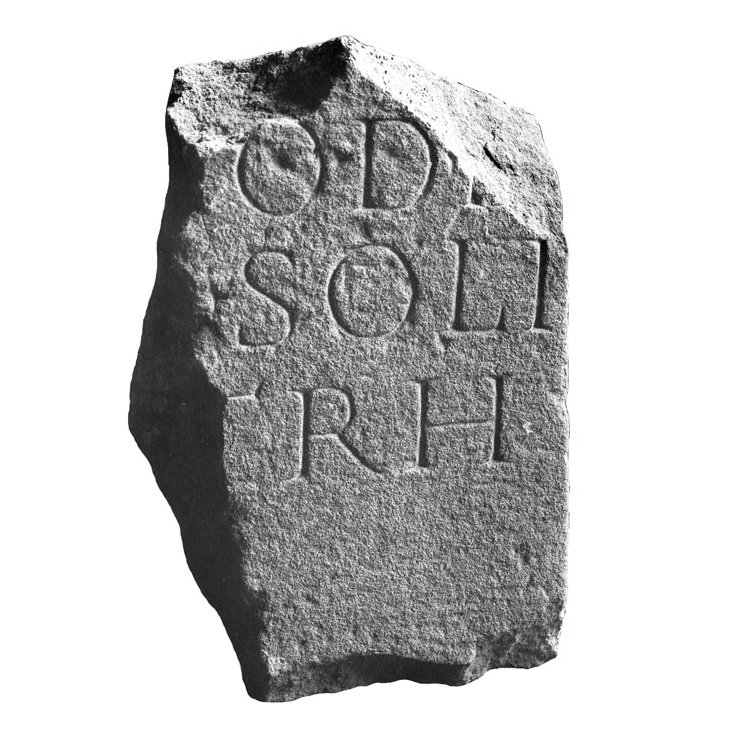
This monument with an inscription to the god Sol Mithras was found in front of the cathedral of Speyer during some sewer works.
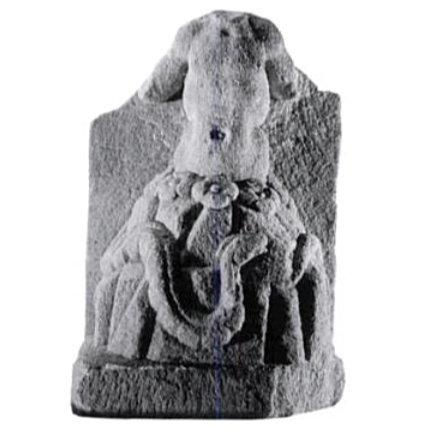
This sculpture of Mithras born from a rock was found in 1922 together with two altars in what was probably a mithraeum.
This statuette was bought by A. Wiedemann in Luxor in 1882 from a man from Kus.
According to F. Cumont, the Bedouins told a legend from which Nöldeke concluded that the castle of Quasr-ibn-Wardân was a fort with a mithraeum.
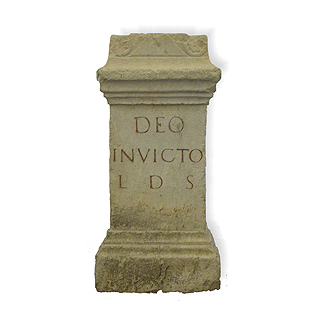
This altar to Deo Invicto was found during the excavation of the Monastero Delle Benedettine di Santa Grata in Bergamo, with a bronze calf’s head on top.
The second temple devoted to Mithras in Carnuntum is situated besides a Jupiter's temple.
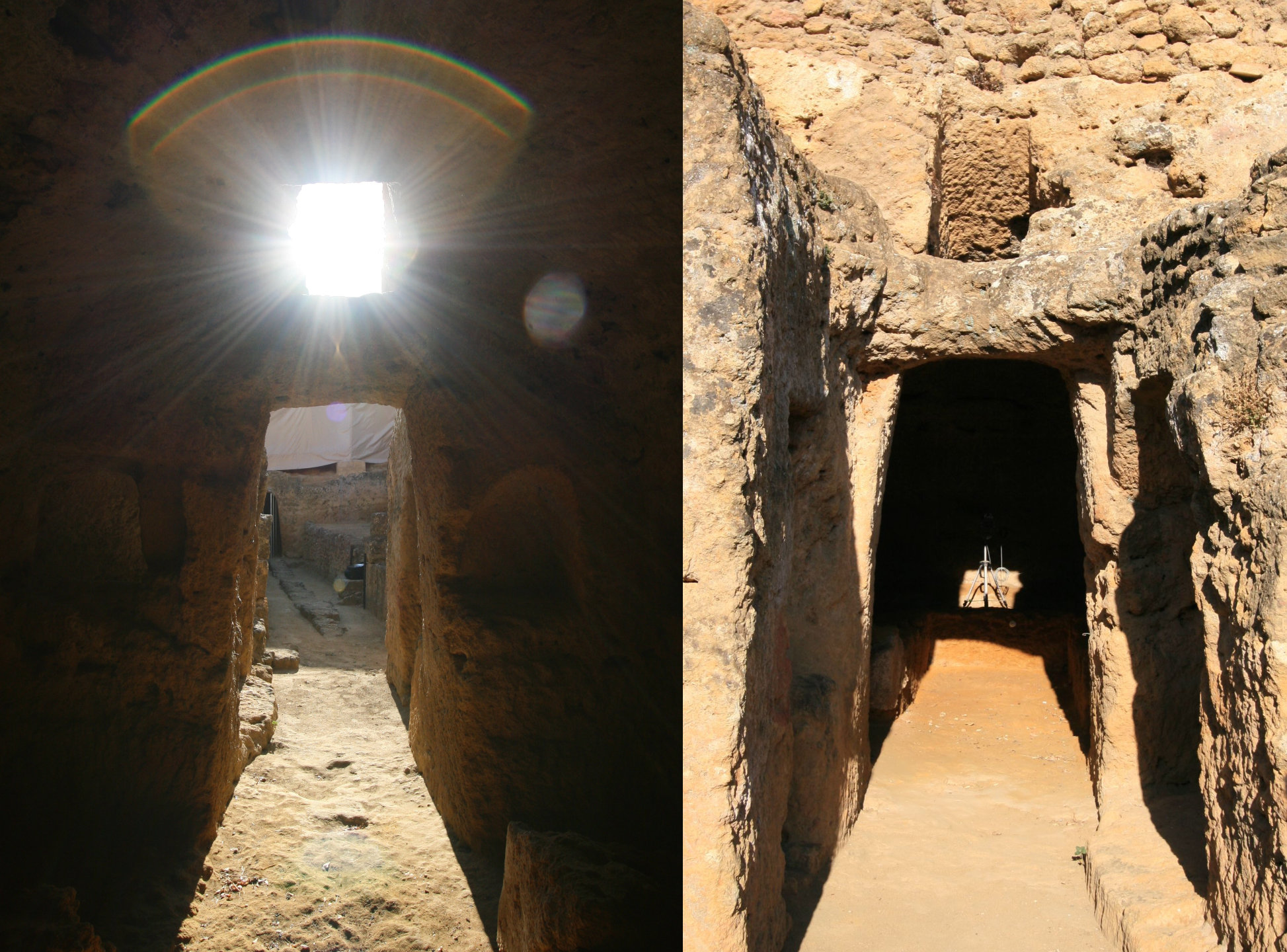
Set in a Roman necropolis, the so-called Mithraeum of the Elephant takes its name from an elephant statue found in one of the tombs.
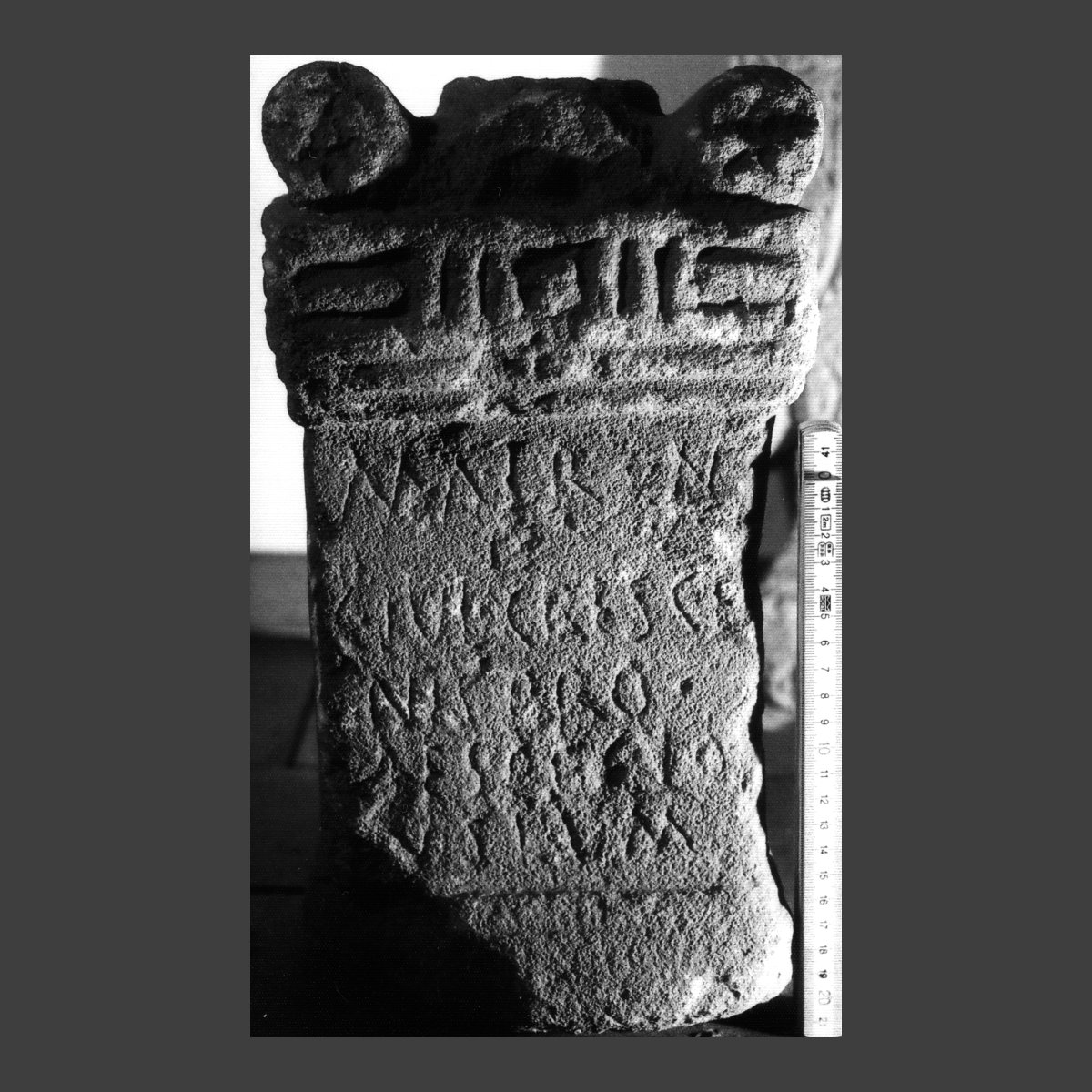
This fragmented altar of a certain Caius Iulius Crescens, found in the Mithraeum of Friedberg, bears an inscription to the Mother Goddesses.
