Your search Villa of Domitian at the Castel Gandolfo gave 3663 results.
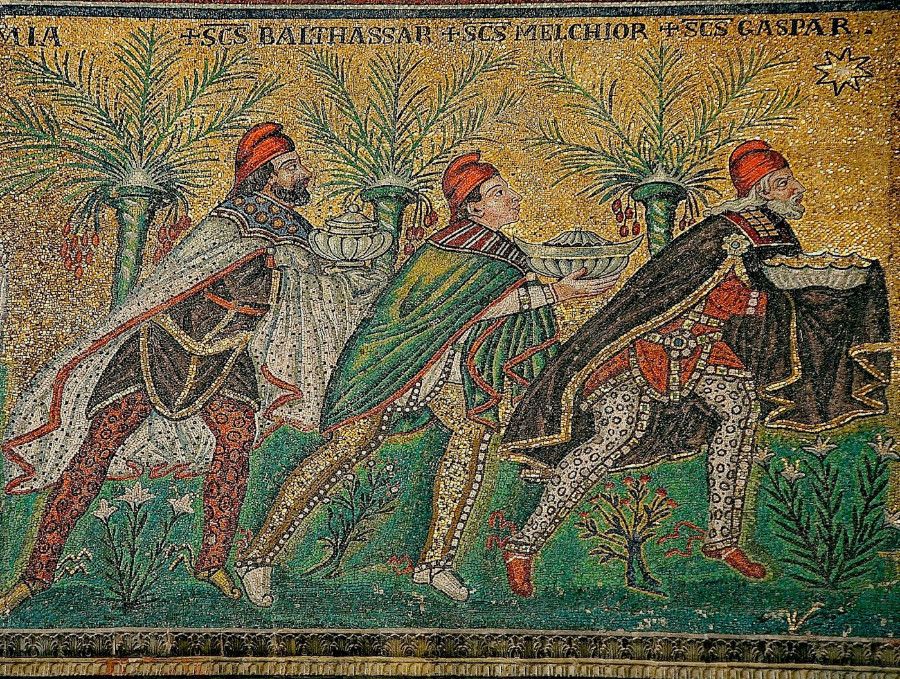
Despite the current political landscape of the US, we can look to antiquity to see that the red cap was actually once a symbol of citizenship and welcome to the foreigner.
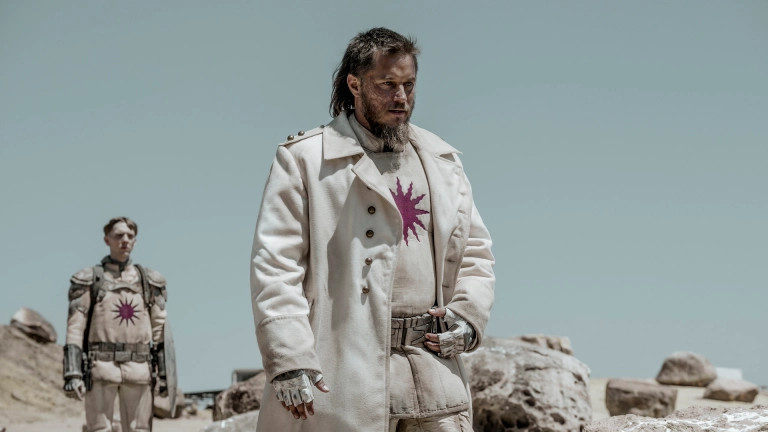
HBO Max's sci-fi series Raised By Wolves features a religious faction that references Sol and the Mithraic Mysteries. Here are the real-world Roman concepts the show borrowed from.
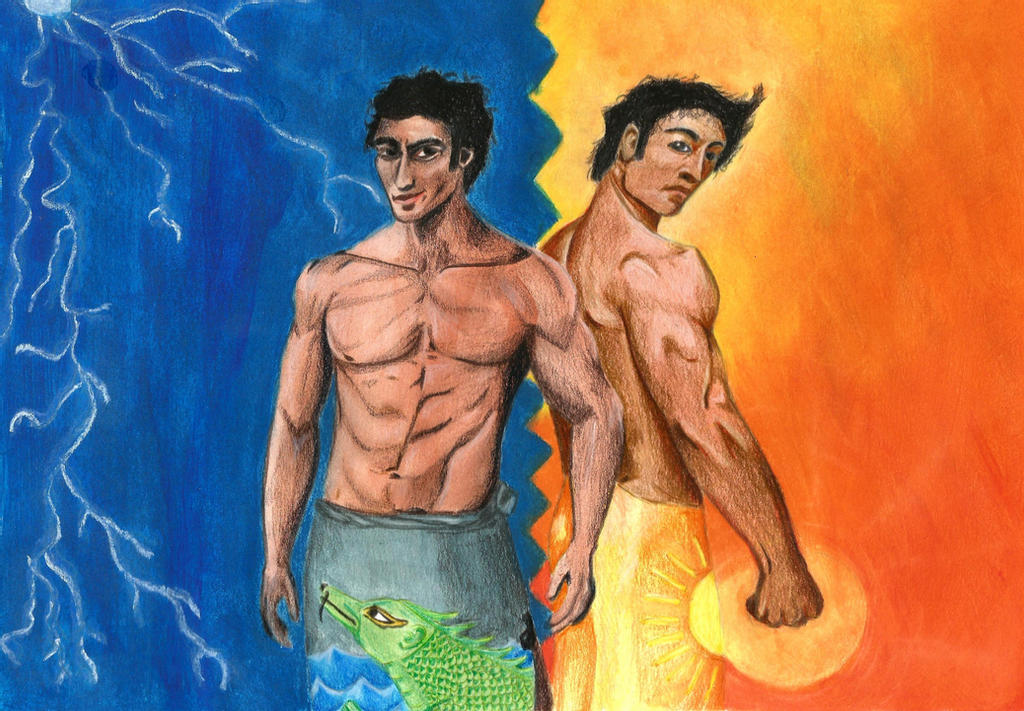
The Sanskrit and Hindi word for friend is “Mitra”. It is also the Nepali word for it. The Sinhala word is ‘mitura’. The word’s etymology has surprising, stark and vivid homosexual connotations.
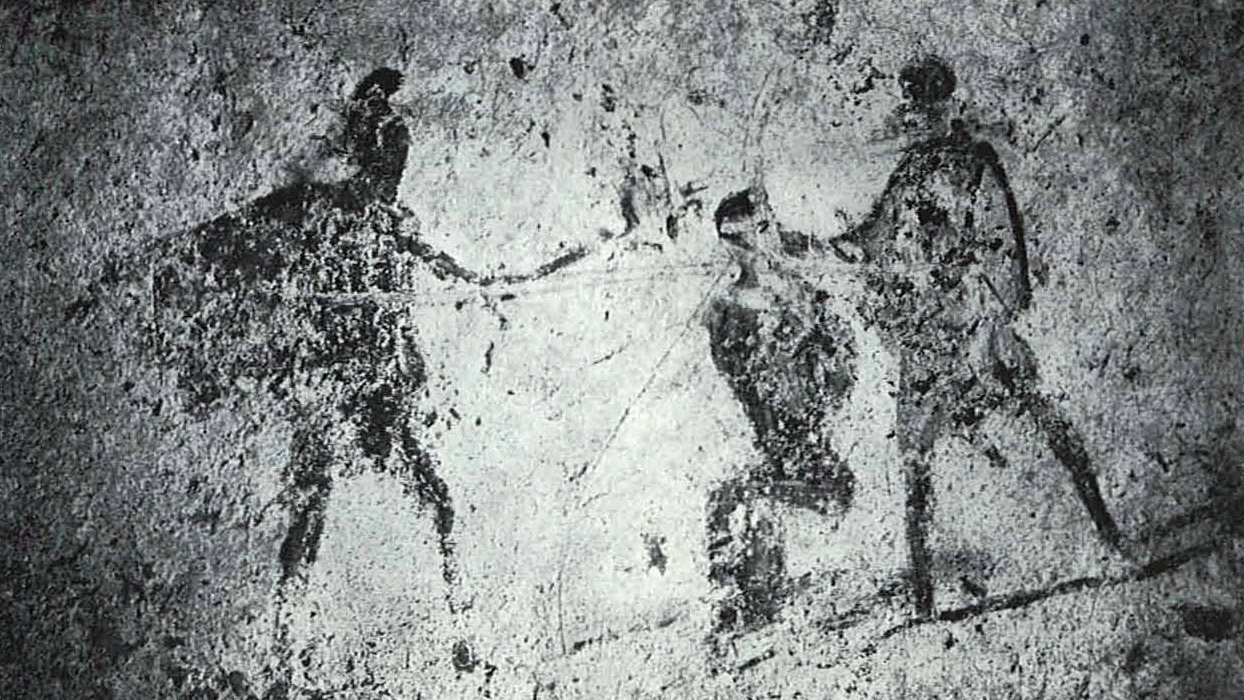
Recontextualizing the Initiation rituals of the Roman Mystery Cult of Mithras.
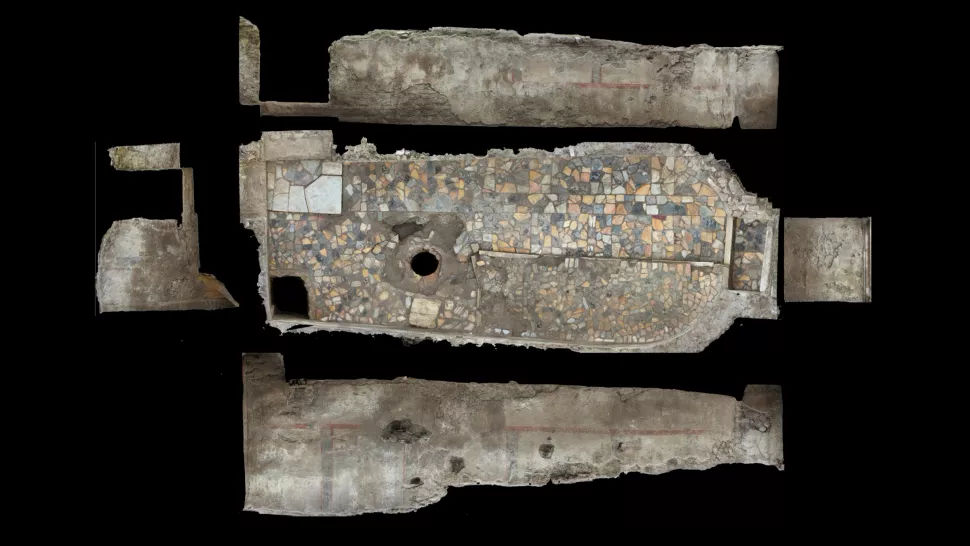
The ancient Roman worshippers were likely in altered states of consciousness.
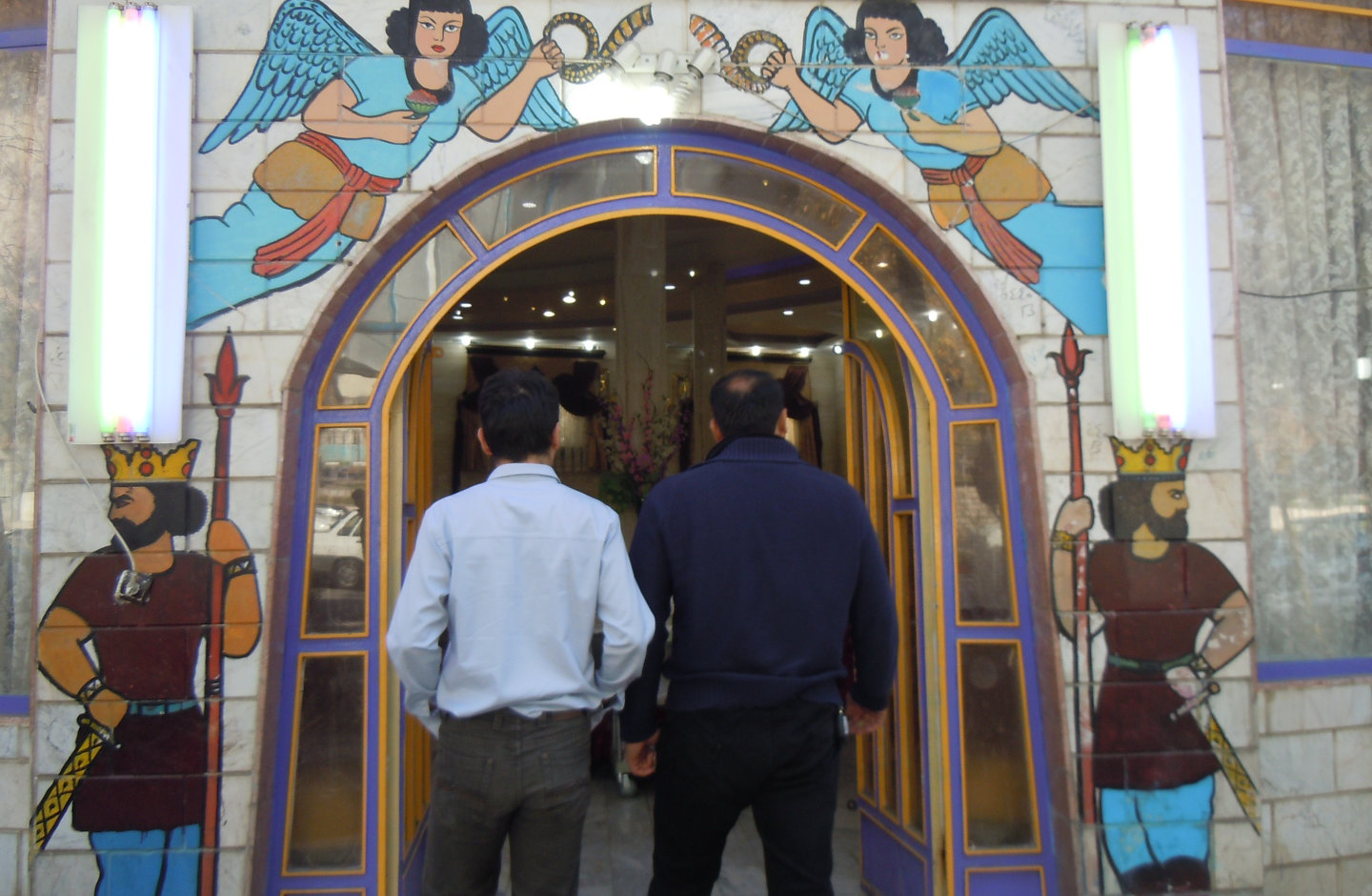
How a rock relief in western Iran, carved during the time of the Sasanian Persian Empire (AD 224-651), has been re-imagined over the centuries.
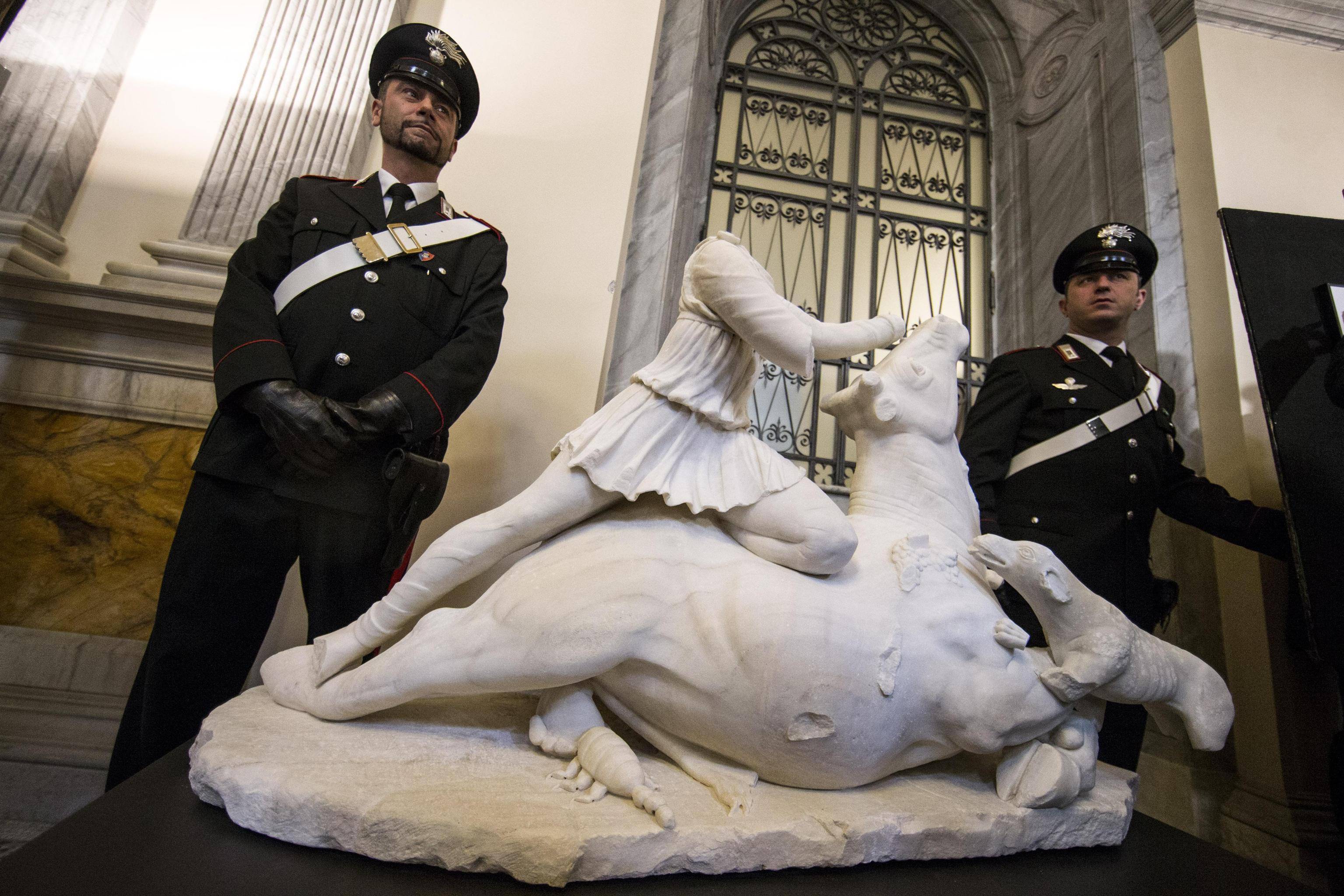
The Mithriac votive sculpture comes from a clandestine excavation in the Tarquinia area. The criminal chain is active in archaeological areas of Rome and southern Etruria.

Germania preserves some of the densest concentrations of Mithraic evidence in the Roman frontier provinces.
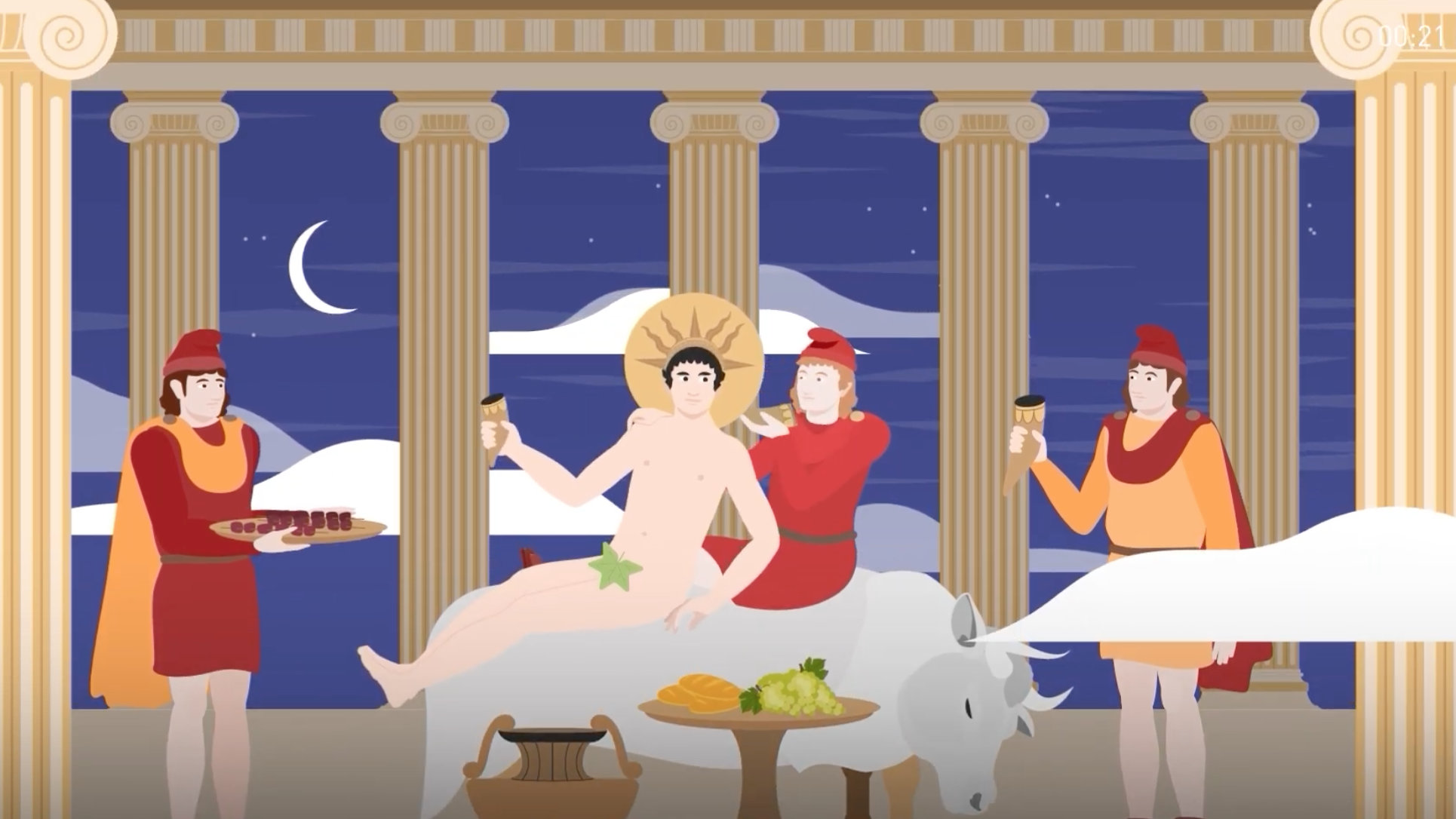
This short animation traces one of the interpretations of the Mithras legend based on archaeological research.
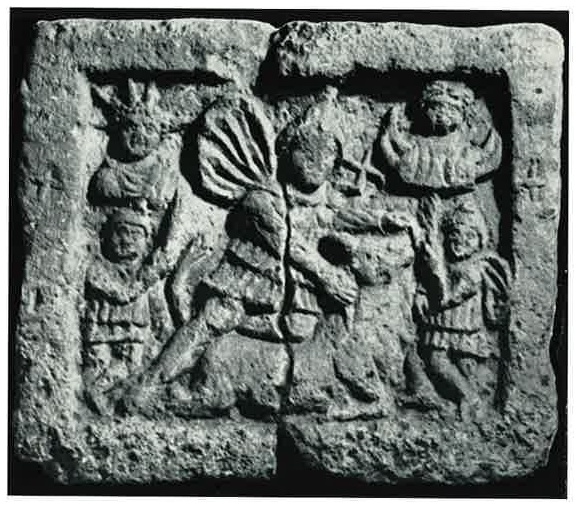
Tuff tauroctony relief in two fragments from Ghighen, ancient Oescus in Moesia Inferior, depicting the standard bull-slaying scene with the full iconographic programme.

Marble head in the Museo Baracco, Rome, generally described as an Alexander but very probably representing Mithras with his eyes lifted towards heaven; the back of the head is finished obliquely with a small hole for fastening a Phrygian cap.
Marble relief formerly in the Palazzo Alberoni and then the Palazzo Vaccari on Via del Tritone, showing Mithras slaying the bull with the raven on the god's cloak, the serpent, dog and scorpion, and the busts of Sol and Luna in the upper corners.
Mithraic object or evidence from Rome reported as no longer preserved.
Wall-painting of Mithras tauroktonos in fresco, discovered in 1886 in an underground room of the house of the Nummi Albani on the Quirinal (Via Firenze); the god wears a red cap and tunic, the torchbearers wear yellow or orange tunic and cap with green or brown anaxyrides…
Upper part of a small marble column with late 2nd- or 3rd-century lettering, bearing a dedication to Sol Invictus Mithras and his sodality by actors from the Forum Suarium, excavated on the Esquiline.

This unusual mural depicting Mithras killing the bull was found near the Colosseum in 1668.
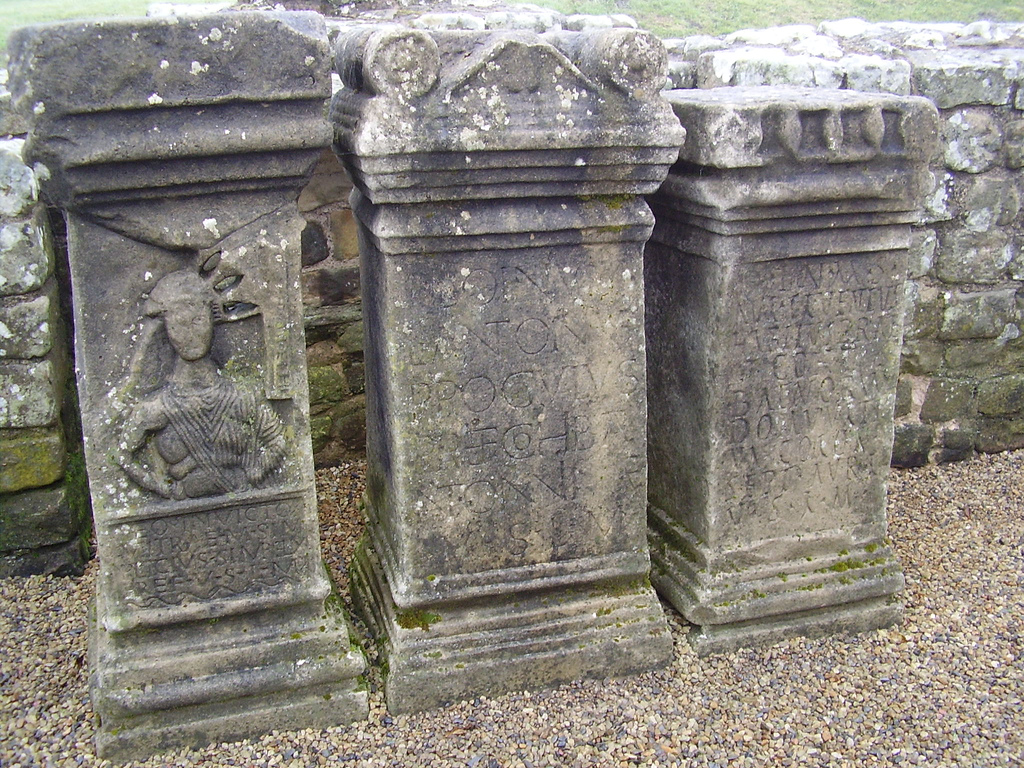
One of the altars from the Carrawburgh Mithraeum depicts the bust of Mithras or Sol.
Altar from Trebnje, ancient Praetorium Latobicorum in Pannonia Superior, dedicated to Invicto Mithrae by Publius Aelius Respectus.
Circular sandstone fire-basin with a spout from the Mithraeum at Königshoffen, found near the entrance; one of three fire-basins attested in the sanctuary.
Square sandstone fire-basin from the Mithraeum at Königshoffen bearing a partially legible dedication to Deo Mithrae; found near the entrance area.
