Your search Villa of Domitian at the Castel Gandolfo gave 3663 results.

Un recorrido por los orígenes, la expansión y el legado de Mitra desde Persia hasta el corazón de Roma.

medical doctor. Hypnotherapist. medieval art interpretation. Mithras mystery I live in Sarrebourg (France) where a marvelous mithraeum was discovered in 1890

Hermadio's inscriptions have been found in Dacian Tibiscum and Sarmizegetusa, as well as in Rome.
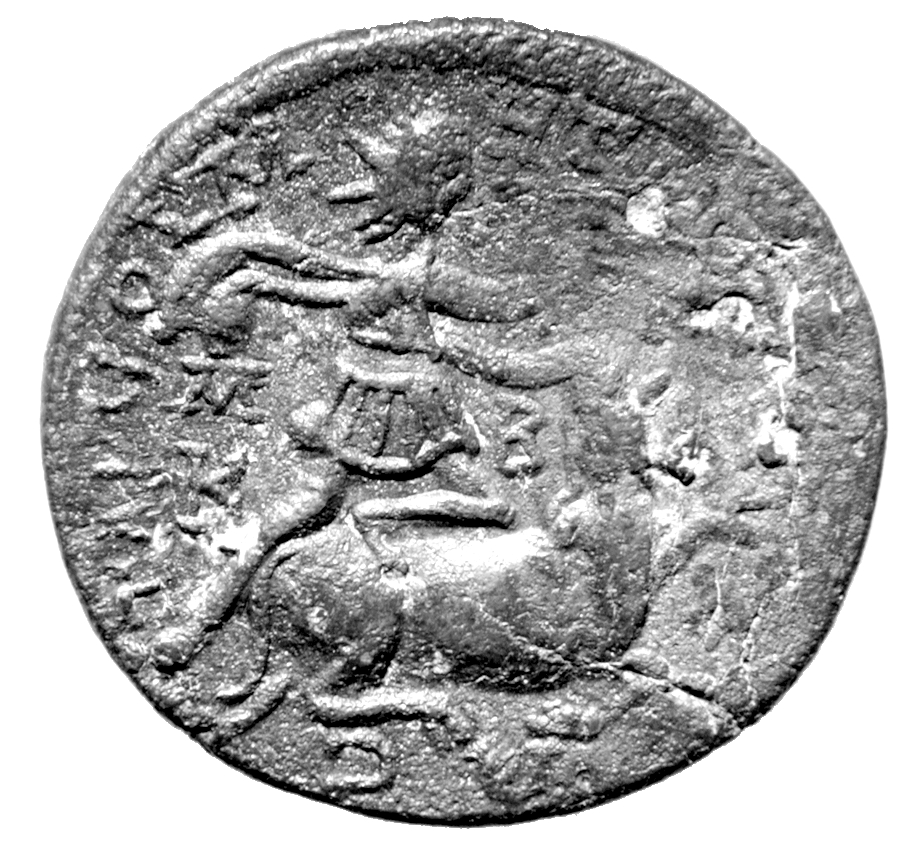
The bronze medallion, from Cilicia, shows Mithras Tauroctonus on the revers.
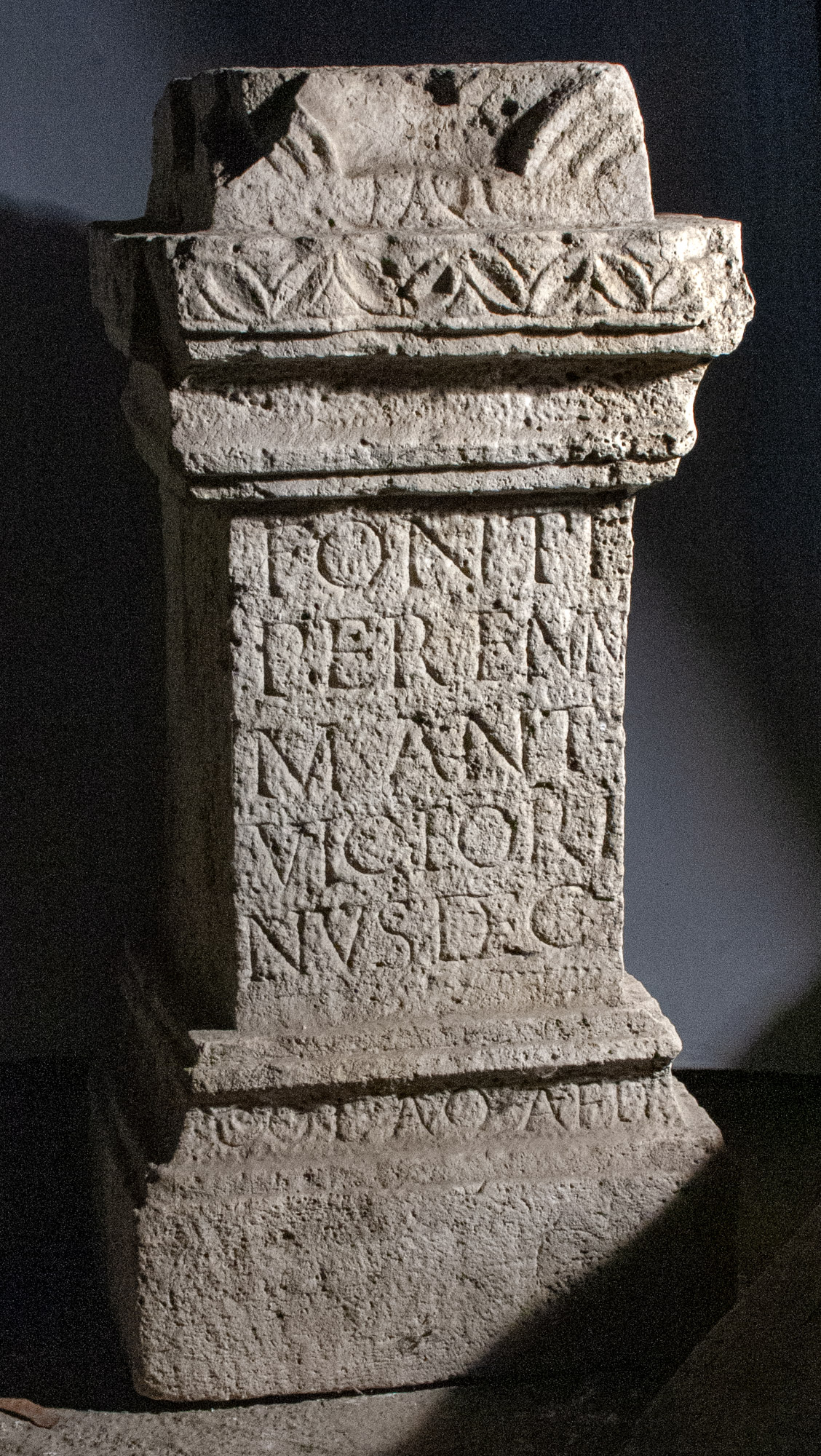
One of several dedications commissioned by the duumvir Marcus Antonius Victorinus in his Mithraeum of Aquincum, modern Budapest.
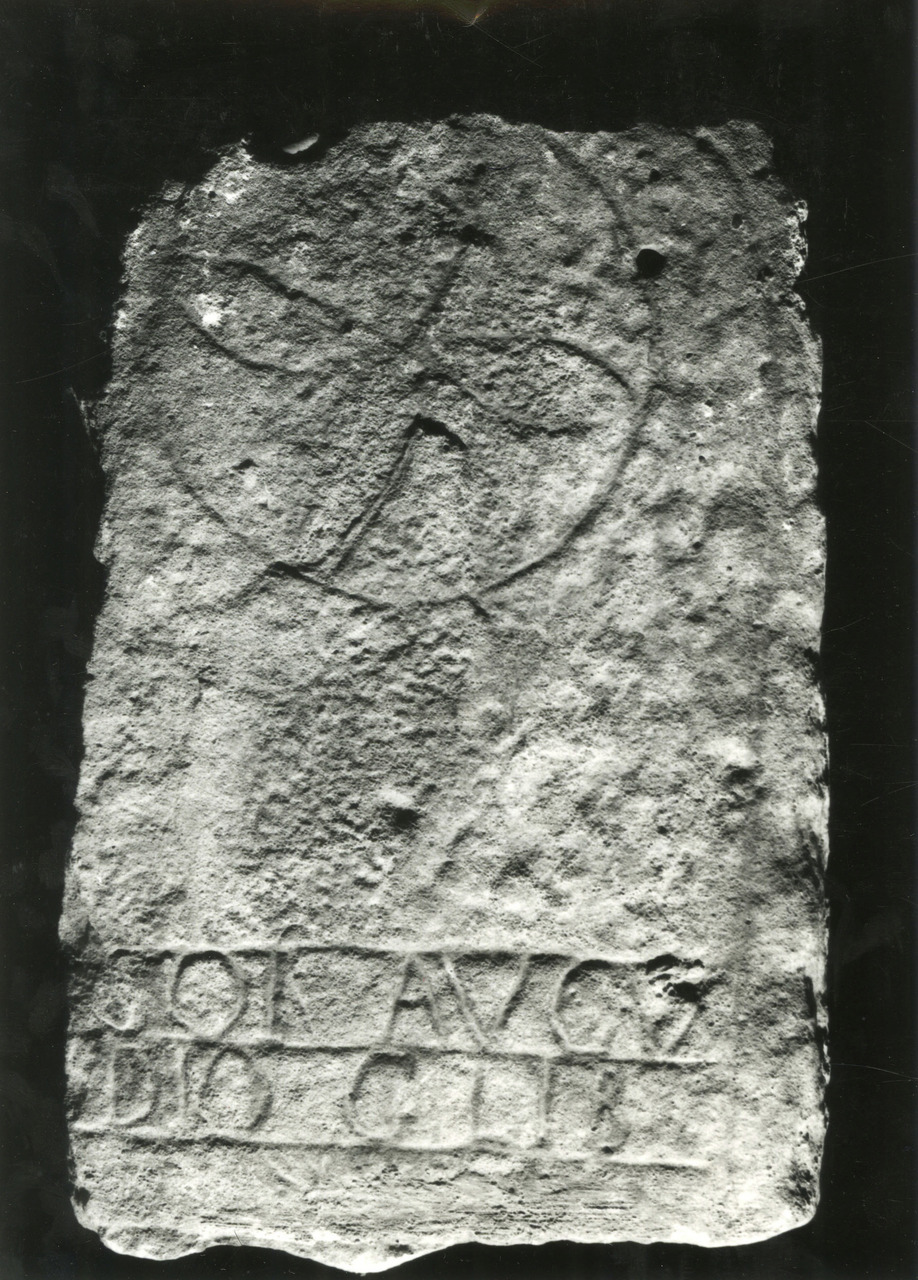
A sandstone slab found along the border of the Tagus river near Thirmarum (modern Trillo, near Cifuentes in Guadalajara), recording an inscriptoiin by a certain Cornelius, freedman of Gaius.

Thirmarum is recorded as a findspot for Mithraic material in Tarraconensis.
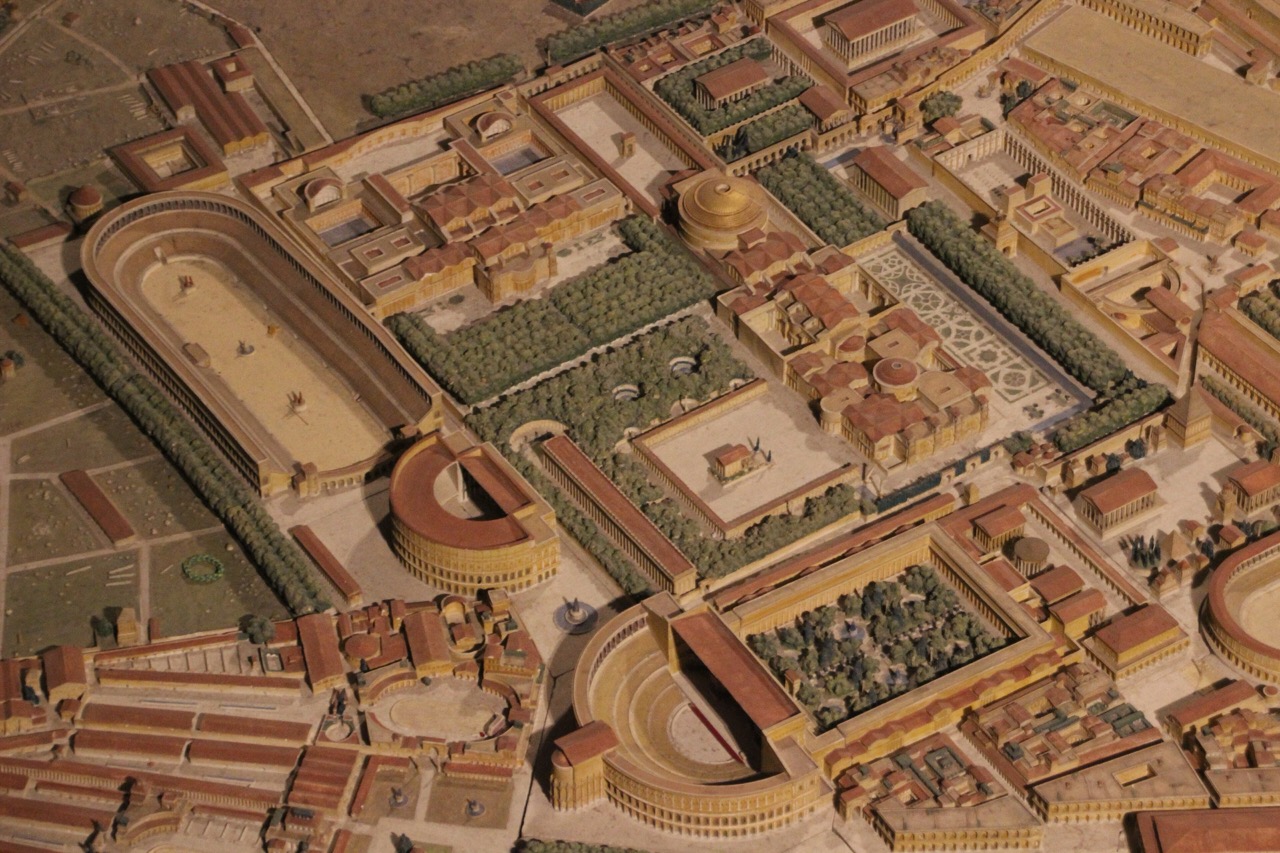
Archaeological evidence shows that the area around Rome has been inhabited since around 14,000 years ago. Excavations support the theory that Rome grew from pastoral settlements on the Palatine Hill, which was built over the area of the Roman Forum.
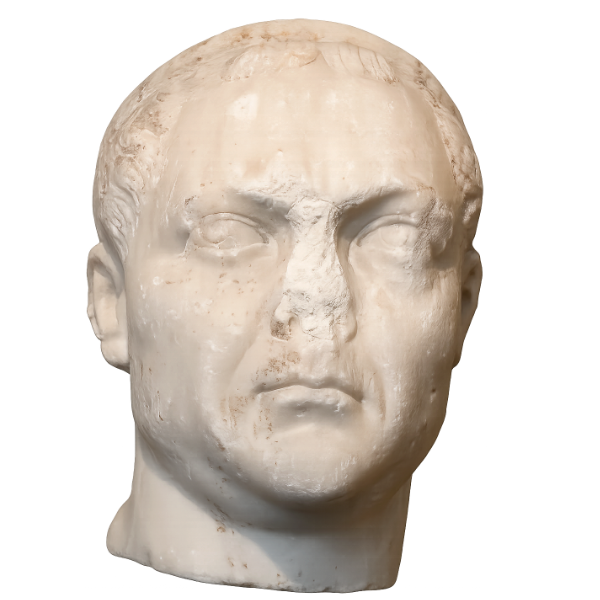
Roman emperor from 253 to 260, he was taken captive by Shapur I of Persia. He was thus the first emperor to be captured as a prisoner of war.
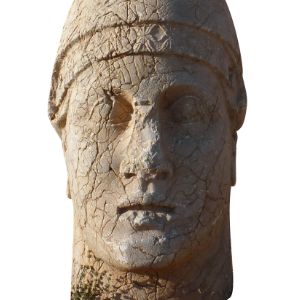

A white marble tauroctony relief of unknown provenance, now preserved in the Lapidary Museum of Verona, depicting the standard Mithraic bull-slaying scene.

Fragment of yellowish chalcedony in the Cabinet des Médailles, Paris, formerly in the Millingen collection, depicting the standard tauroctony.

Rock-crystal gem in the Cabinet des Médailles, Paris, depicting Mithras as bull-slayer with the standard iconographic programme.
Oval jasper gem in the Cairo Museum depicting Mithras slaying the bull with Sol, Luna, a leontocephalic figure and seven stars.
Gem formerly published as Mithraic by Cumont but subsequently identified as depicting the Egyptian deity Besa.

Yellow lenticular carnelian gem probably from Aquileia, now in Udine, depicting a Mithraic scene nearly identical to the Florence jasper.
A small marble fragment from Augusta Emerita (modern Mérida) bearing the fragmentary inscription (S)arapi(s), attesting to the veneration of Sarapis in proximity to the Mithraic sanctuary.
A small limestone votive altar from Pola (modern Pula) bearing on its front face a damaged relief head of a youthful Sol with long curly hair, above which is carved the inscription Soli and below the dedicatory text by Atticus (No. 757).
Marble slab of unknown provenance from Moesia Inferior, preserving only the opening of a dedication to Soli invicto Mithrae.
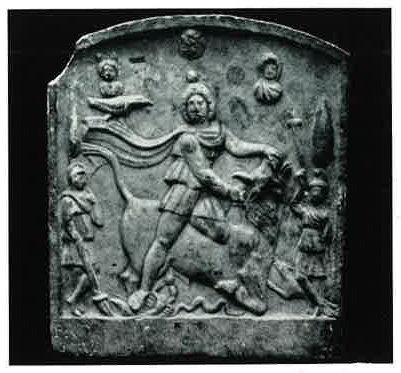
Marble tauroctony relief of uncertain but probably Apulum/Dacian provenance, depicting Mithras tauroktonos with raven, serpent, scorpion, and dog.
