Your search Villa of Domitian at the Castel Gandolfo gave 3663 results.

Sandstone altar decorated with ritual vessels and the hooked staff associated with Roman beneficiarii.
Inscribed altar from the Friedberg Mithraeum erected by the beneficiarius consularis Caius Paulinius Iustus.
Sandstone altar from the cella decorated with a knife and axe and originally placed on one of the sanctuary bases.
Lost sandstone altar or base decorated with a Phrygian cap from the speleum of the Friedberg Mithraeum.
Sandstone statuette fragment preserving the curled head of a young figure from the Mithraeum of Taunus.
Imported limestone relief fragments showing the Mithraic torchbearers beside the podia of the sanctuary.
Small marble relief of Mithras slaying the bull within a wreath decorated with zodiac signs.
Triple-part sanctuary at Saalburg whose Mithraic interpretation remains uncertain despite serpent-vases and possible Aion fragments.
Elongated cult building near the Saalburg fort traditionally interpreted as a Mithraeum but later reconsidered as a possible funerary enclosure.
Subterranean Mithraic sanctuary near Dormagen with painted walls and a cult relief at the rear.
Complex military inscription invoking Apollo, Sol and Luna under Severus Alexander.

The lion-headed statue of Hedderneheim is a reconstruction from fragments of two different sculptures.

Colonia Ulpia Traiana Augusta Dacica Sarmizegetusa was the capital and the largest city of Roman Dacia, later named Ulpia Traiana Sarmizegetusa after the former Dacian capital, located some 40 km away. The city was destroyed by the Goths.
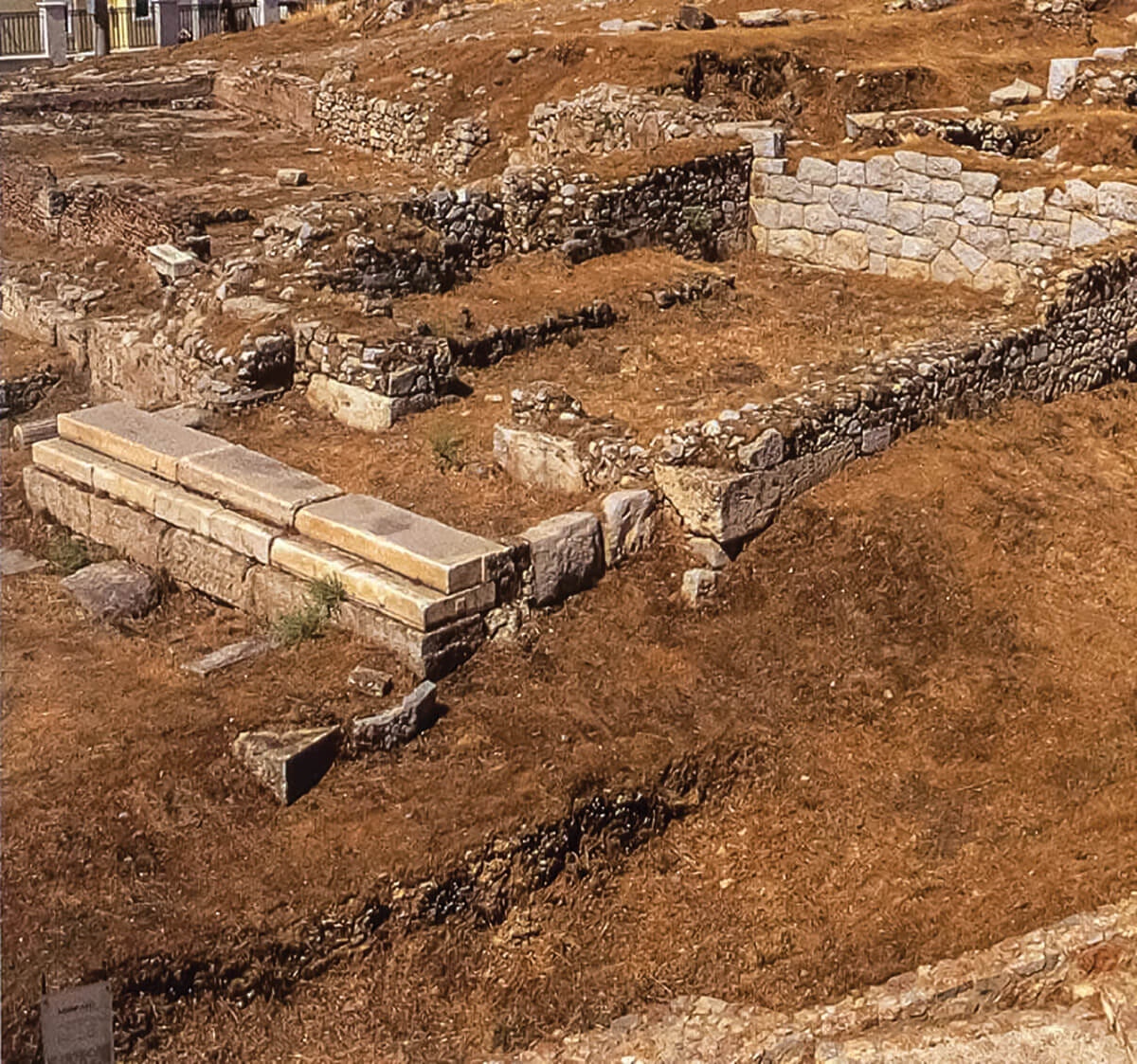
A Mithraeum has been identified in Eleusis where the last Hierophant form thespia had the rank of Father in the Mithraic Mysteries.
Commagenean sanctuary preserving relief fragments of Mithras greeting royal figures at the hierothesion of Mithridates Kallinikos.
Antioch was the capital of Roman Syria and gateway between the Mediterranean and the eastern provinces.
Altar inscription from Sahin invoking the most high heavenly god and Mithras in the Alawite Mountains.
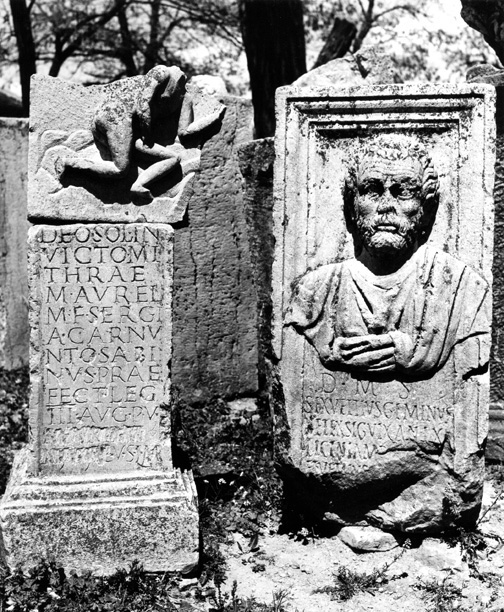
This altar to the god Sol invicto Mithra was erected by a legate during Maximin’s reign in Lambaesis, Numidia.
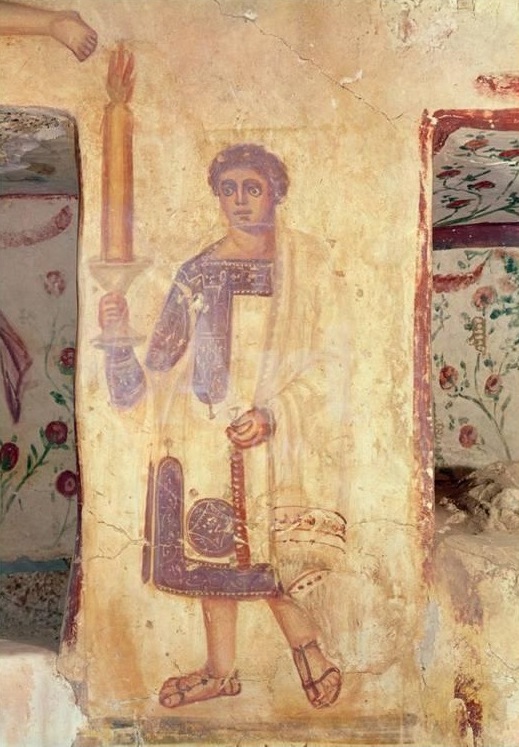
The Mithraic nature of the frescoes of Oea, according to the scholars Cumont and Vermaseren, is now questioned.
