Your search Villa of Domitian at the Castel Gandolfo gave 3663 results.
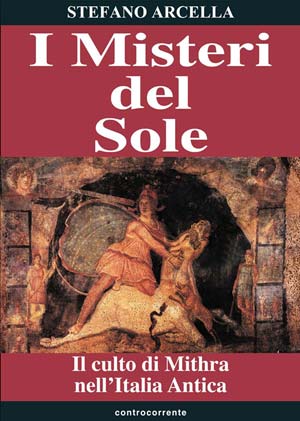
A study of Roman Mithraism that combines historical evidence with a symbol-centred interpretive approach, exploring Mithraic iconography, ritual experience, and the cult’s encounter with Christianity in the Late Empire.
A study that re-examines Roman Mithraism through epigraphic evidence and comparative analysis, exploring its links with Orphism, Platonism, and Iranian traditions, and presenting the cult of Mithras as a solar path of individual spiritual awakening between East and West…

Francesco Massa examines how the concept of mysteria was transformed in the Roman Empire, as Christian authors from the mid-second century CE adopted the language of mysteries to articulate their own rituals and beliefs, reshaping understandings of both Christian and traditional cults…

Memoir by Félix Lajard analysing a Mithraic bas-relief discovered in Vienne in 1830. Based on direct examination of the fragments and their context, the study corrects an earlier misidentification and documents a rare lion-headed figure within a probable mithraeum…
Interprets Mithraism as an initiatory path of inner transformation, reading its myths and rites as symbolic maps of consciousness rather than as historical narratives, and includes an appendix with the Ritual of Mithra from the Great Magical Papyrus of Paris…
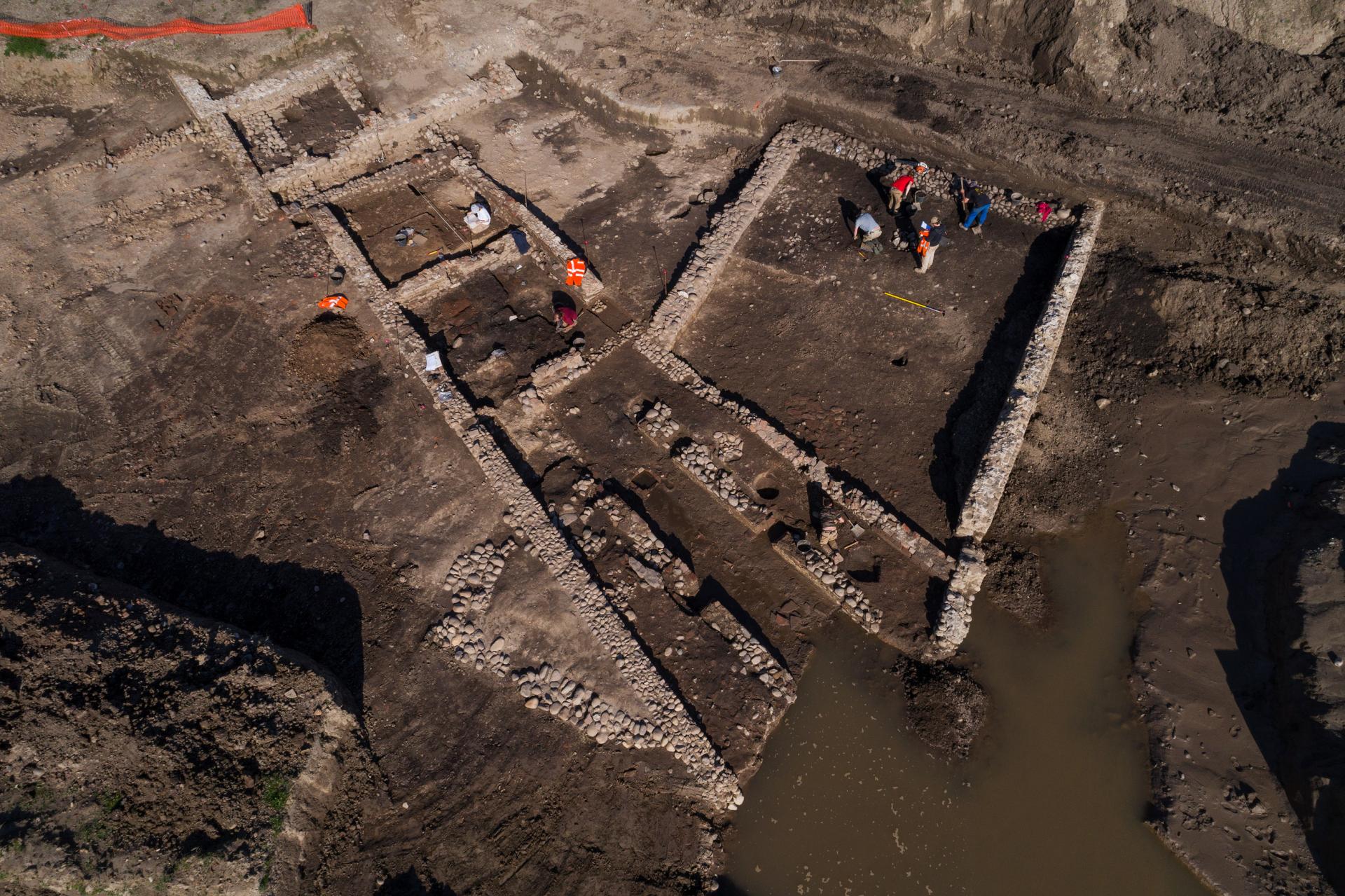
For the first time, a Mithraeum has been discovered in Corsica, at the site of Mariana, Lucciana (Haute-Corse).
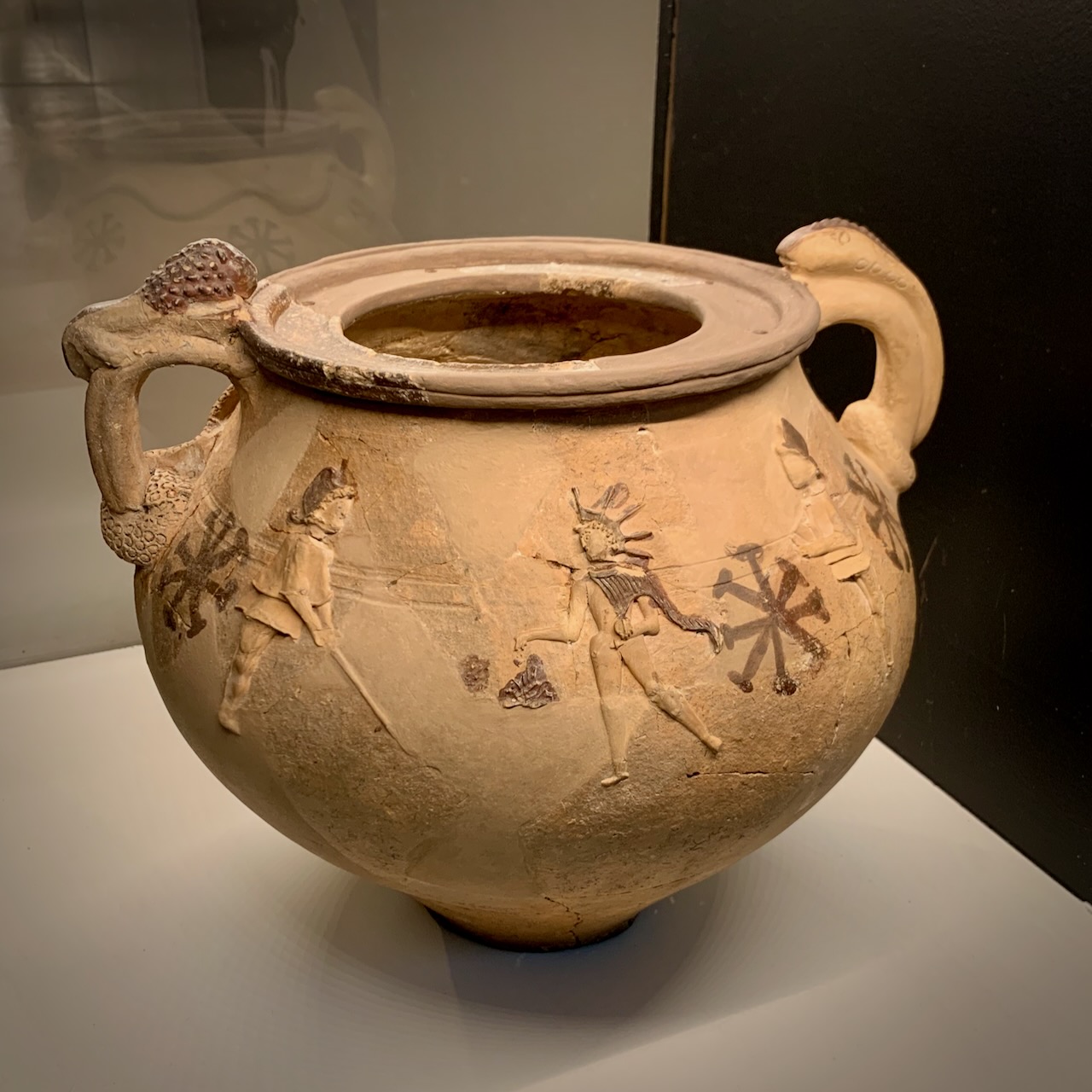
The Mithraic vase from Colonia Claudia Ara Agrippinensium in Germany includes Sol-Mithras between Cautes and Cautopates, as well as a serpent, a lion and seven stars.
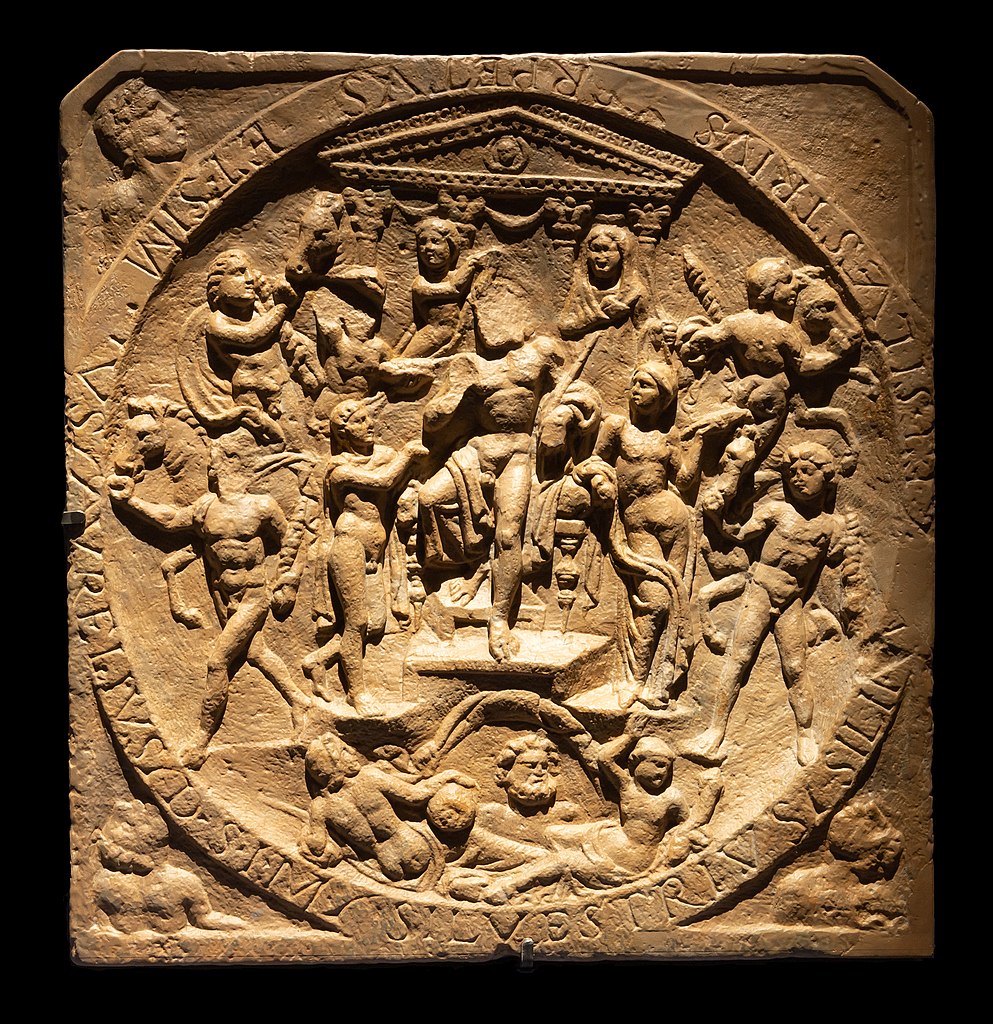
The relief of Dieburg shows Mithras riding a horse as main figure, surrounded by several scenes of the myth.
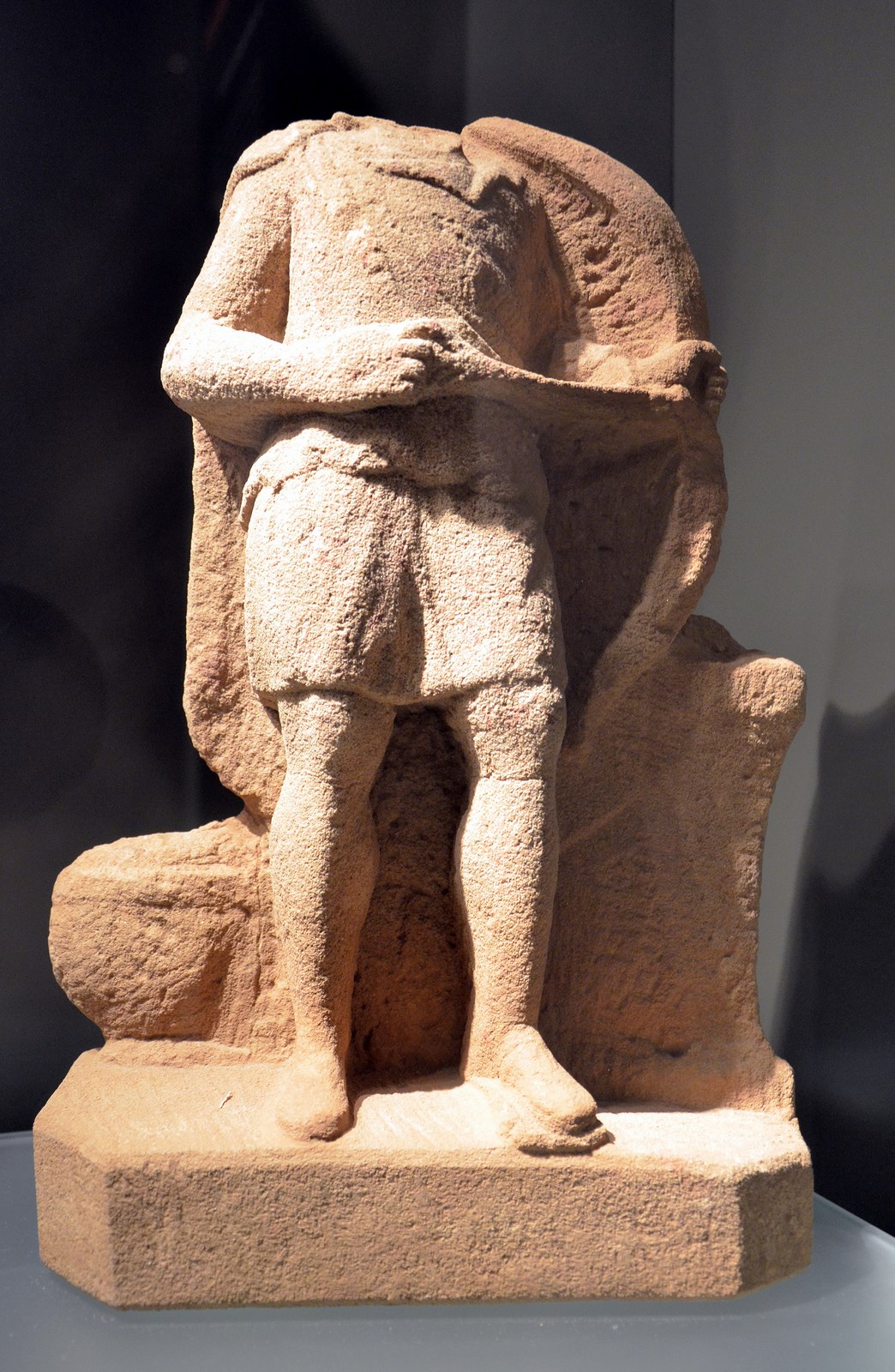
Statue in yellow sandstone found in the pit of the Mithraeum of Dieburg, showing Mithras standing beside an altar with bow and arrow, accompanied by a vase and associated with the water miracle.

Greek graffiti scratched on wall plaster, recording a list of everyday expenses from Dura-Europos, Roman Syria.
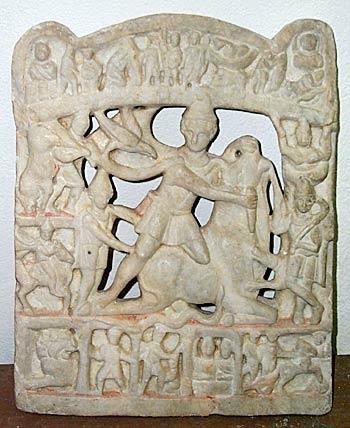
This Mithraic relief of the Danubian type was found in 1940 in the old town of Plovdiv.
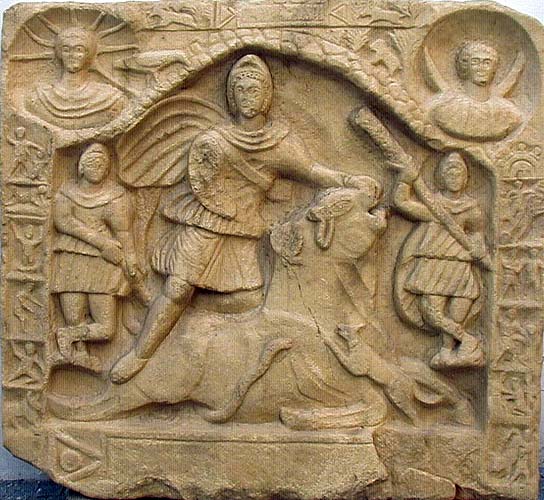
The relief of Mithras slaying the bull at Mauls in Gallia cisalpina is a paradigmatic example of the so-called Rhine-type Tauroctony.
The Mithraeum II in Stockstadt was in fact the first one known built in the vicus. It was destroyed by fire around 210.
Red sandstone altar from Stockstadt, featuring a square cavity in the front that contained a fragment of crystal and a small lamp.

Selected passages on Mithras drawn from Greek and Latin literary sources.
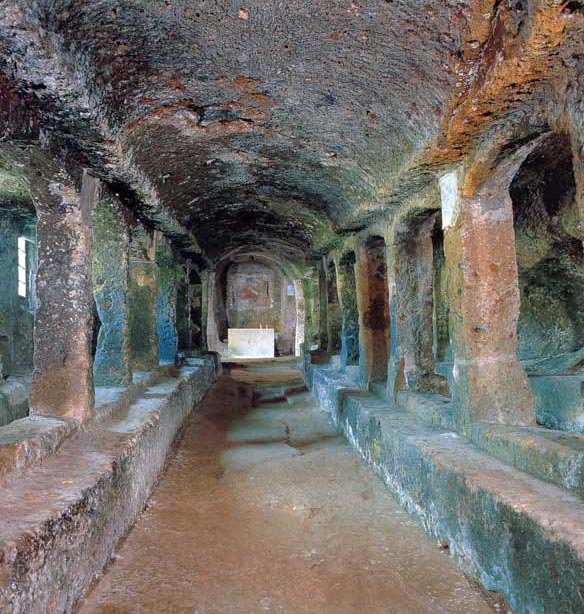
The Mithraeum of Sutri was built inside a rocky hill that also hosted the Roman theatre of the city.
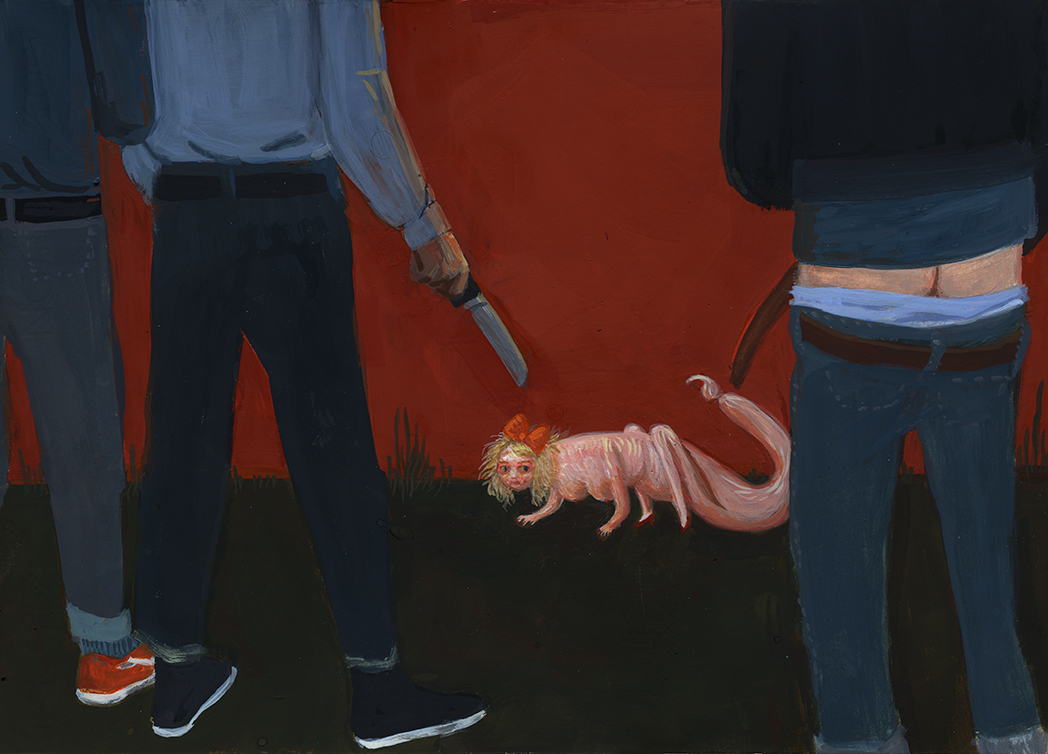
In Letter 107 to Laeta, Jerome combines a pastoral reflection on conversion with an account of the urban prefect Gracchus, who ordered the destruction of a Mithraic cave in Rome, listing the seven grades of initiation associated with the cult.
In these passages from his hymns and satires, Julian articulates a solar theology in which Helios governs cosmic order and time. Within this framework, Mithras appears as a personal divine guide associated with the ascent of souls.
