Your search ernesto mila gave 148 results.

"The remaining figure on this monument, Herakles, was previously misidentified as Apollo on this remarkable black basalt tablet from Samsat, known in Roman times as Samosata.
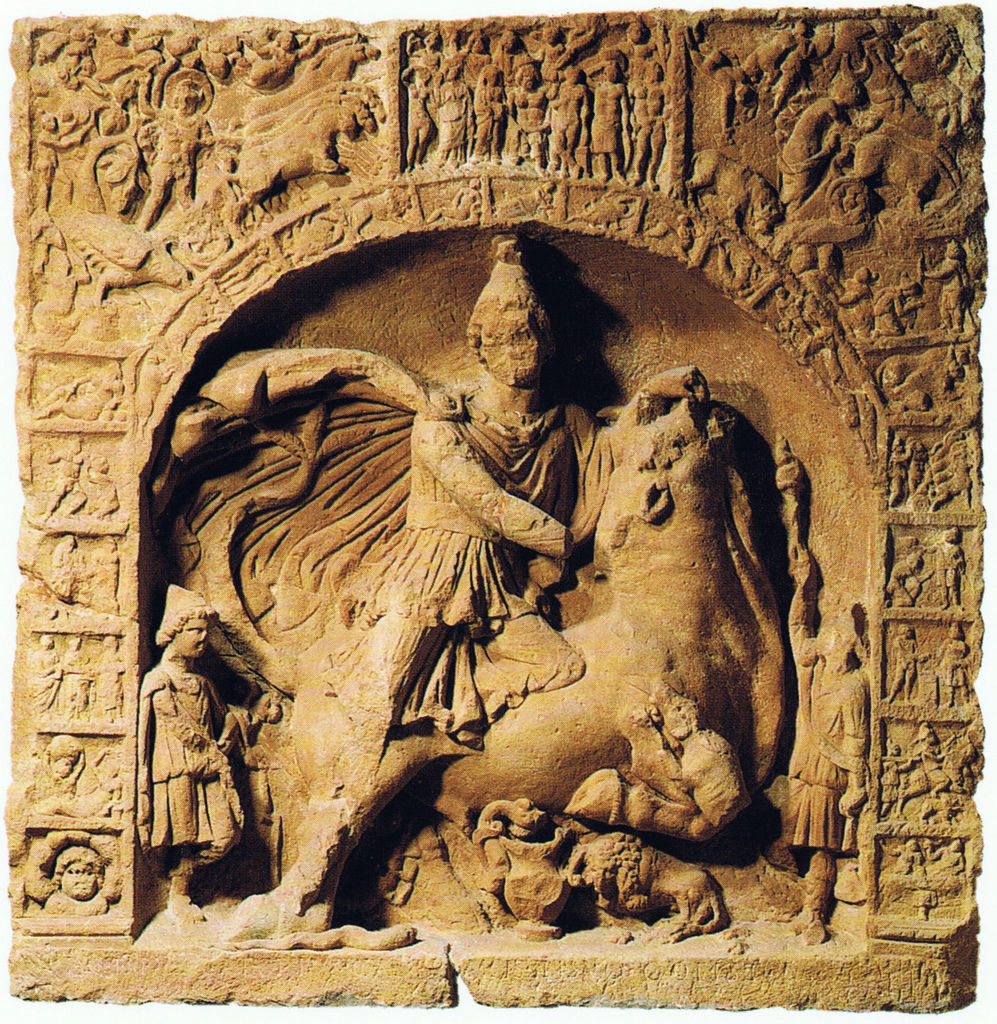
Franz Cumont considers the bas relief of Osterburken ’the most remarkable of all the monuments of the cult of Mithras found up to now’.

Tracing the links between the cult of Mithras and the Proud Boys’ quest for identity, power, and belonging. How ancient rituals and brotherhood ideals resurface in radical modern movements.

The large number of monuments found at the Mithraeum of Sarmizegetusa and the sheer size of the temple are unusual.

Over the last century or so, a great deal has been said about the god Mithras and his mysteries, which became known to the European world mainly through his Roman cultus during the Imperial Period.
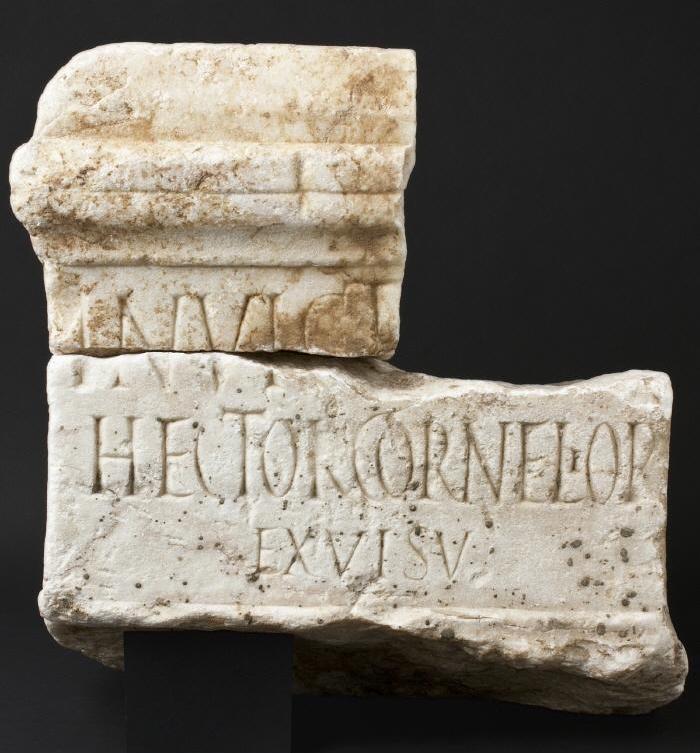
This fragmented altar was found in two pieces that Ana Osorio Calvo has recently brought together.

This marble sculpture from Sicily, known as the Randazzo Vecchio or Rannazzu Vecchiu, contains some essential elements of the Mithraic Aion, the lion-headed god.

Translation and Introductory Essay by Robert Lamberton. Station Hill Press Barrytown, New York 1983.

Preamble and notes published by G. R. S. Mead in his series Echoes from the Gnosis 1907, London and Benares. Translation of the manuscript by Dieterich Eine Mithrasliturgie 1903, Leipzig.

For the launch of our YouTube channel, we chat with the author, poet, essayist and friend Peter Mark Adams about the Sola-Busca tarot, a Renaissance masterpiece, uncovering ties to the Mithras cult.
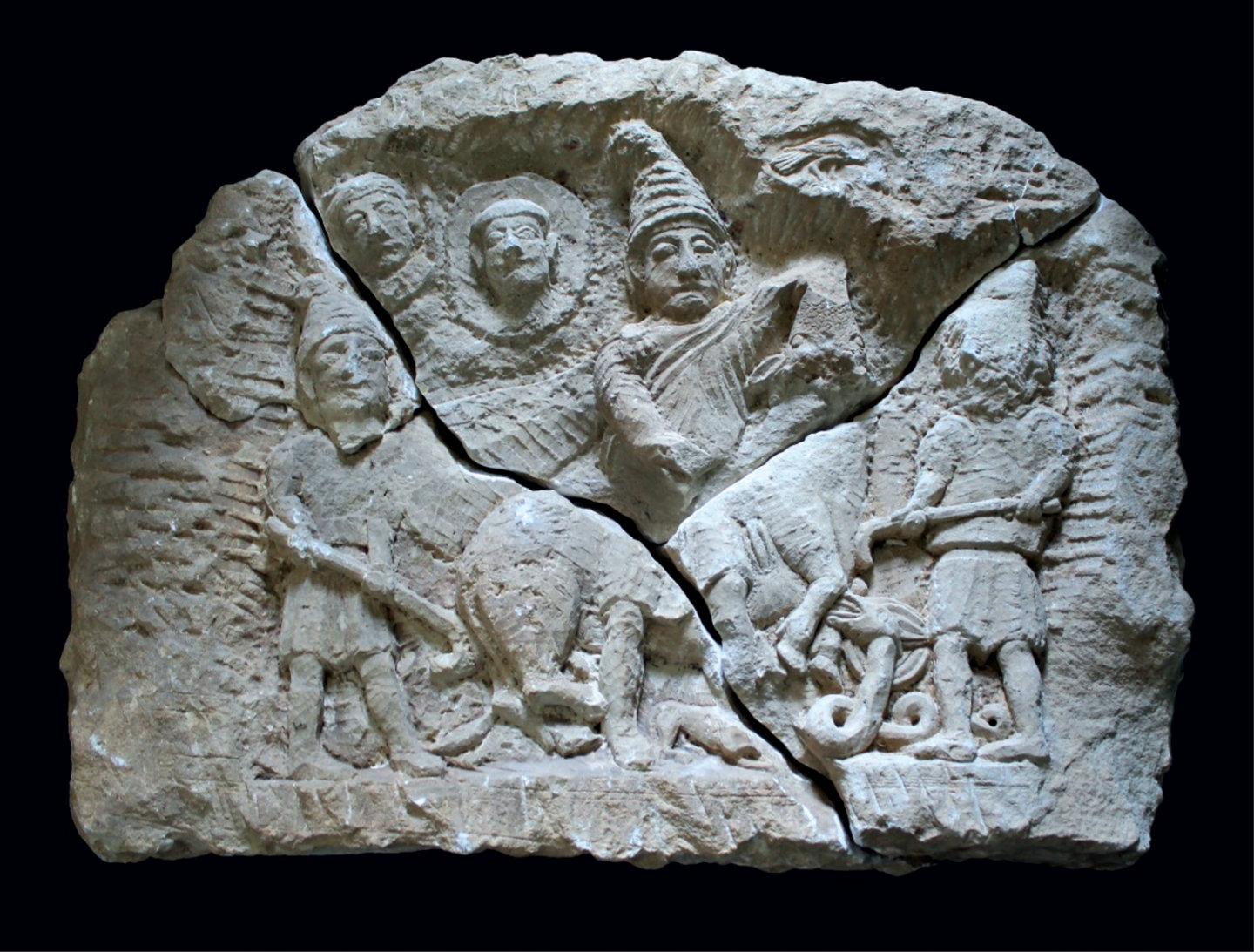
The relief of Mithras killing the bull, found near Zvornik in Bosnia and Herzegovina, features some variations on the usual scene.
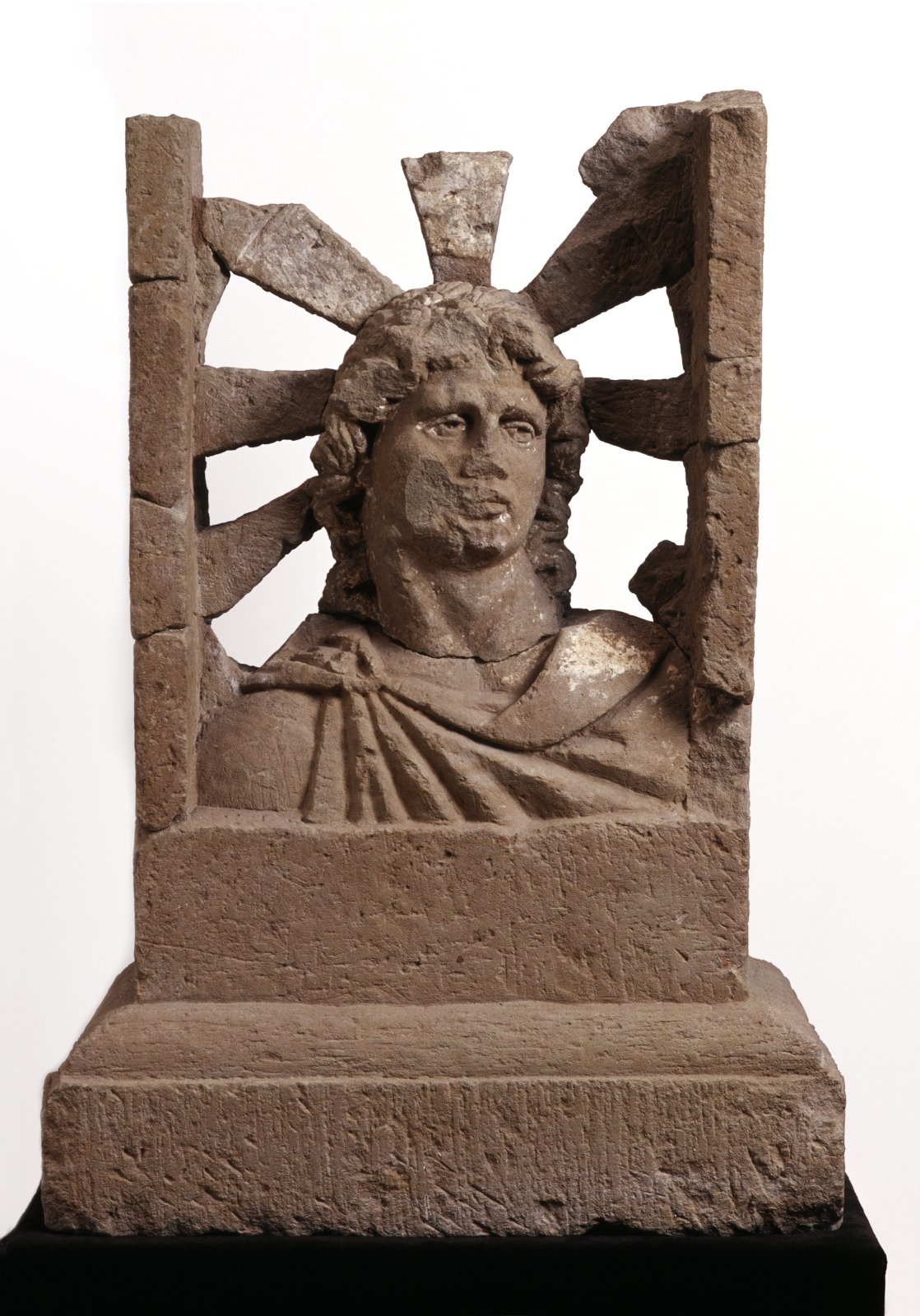
The altars of the gods of the Sun and Moon found in the Mithraeum of Mundelsheim wear openwork segments that could be lighten from behind.

Laurent Bricault has revolutionised Mithraic studies with the exhibition The Mystery of Mithras. Meet this professor in Toulouse for a fascinating look at the latest discoveries and what lies ahead.
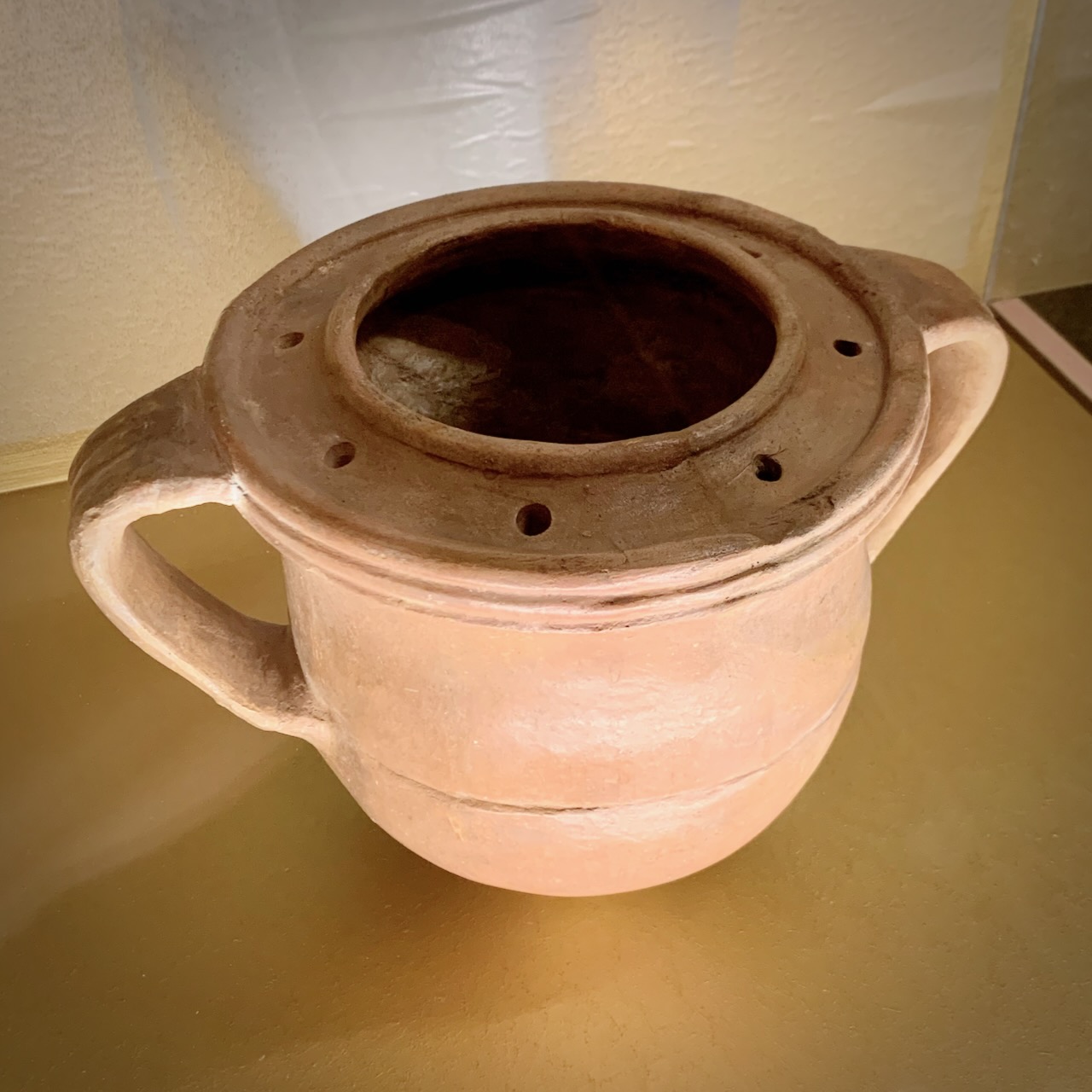
The vessel to burn incense from the Mithraeum of Dieburg is similar to those found in other Roman cities of Germany.
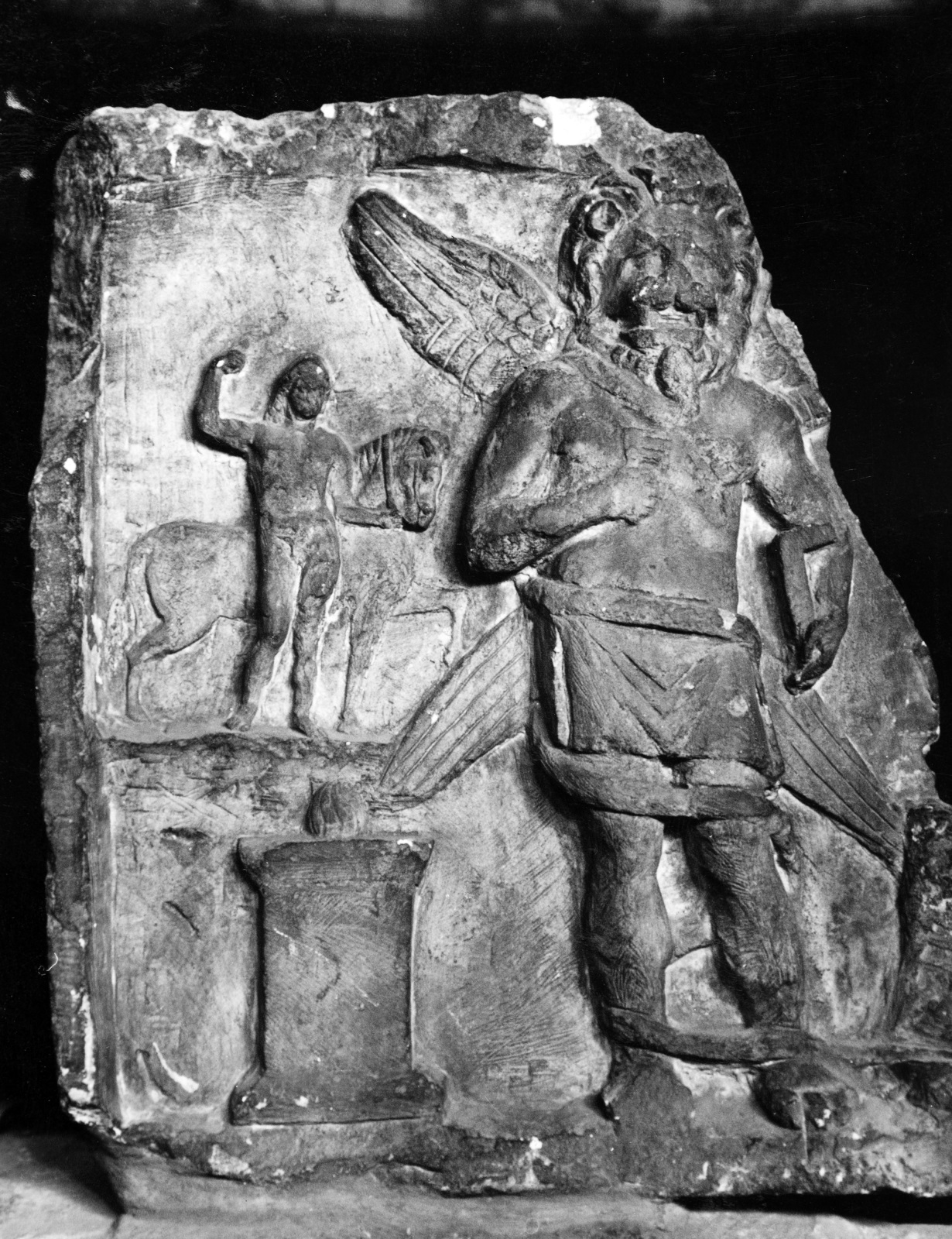
The relief of Aion from Vienne includes a naked youth in Phrygian cap holding the reins of a horse.
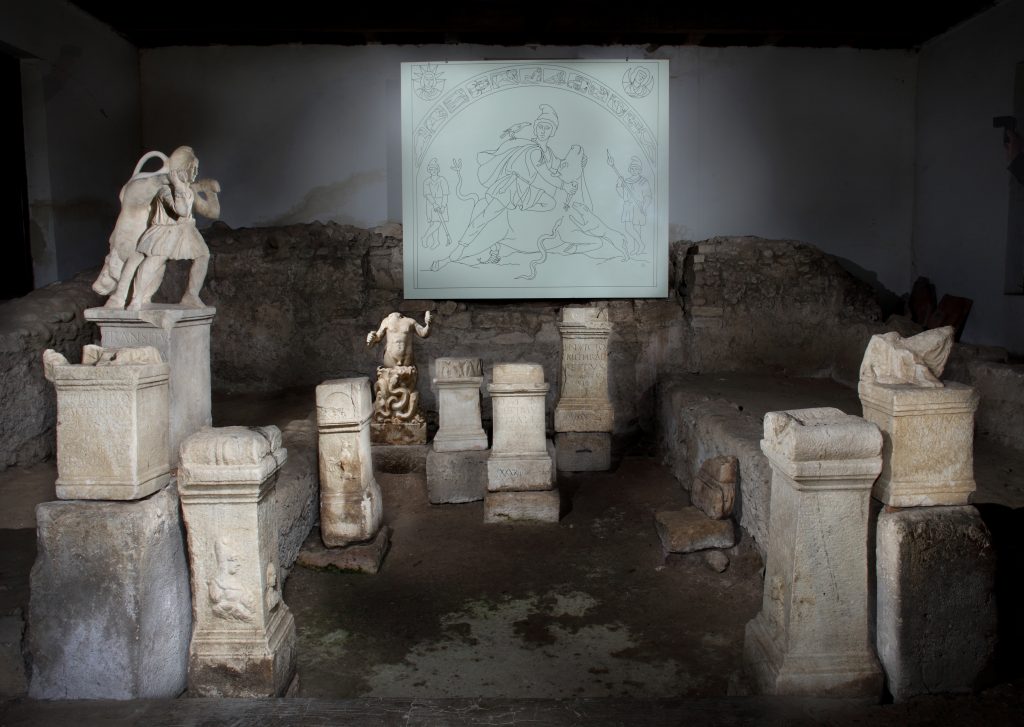
The Mithraeum I of Ptuj contains the foundation, altars, reliefs and cult imagery found in it.
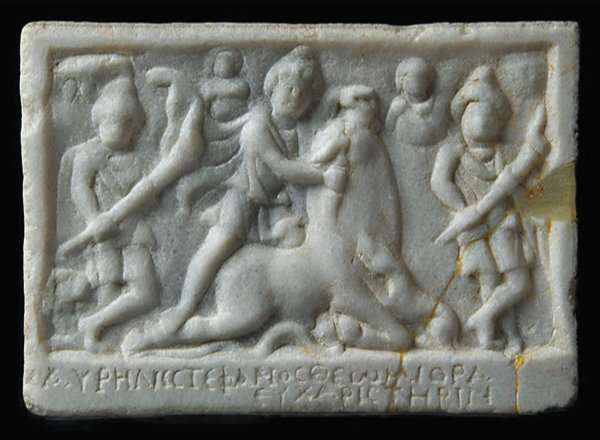
This relief of Mithras killing the bull is unique in the Apulum Mithraic repertoire because of its inscription in Greek.
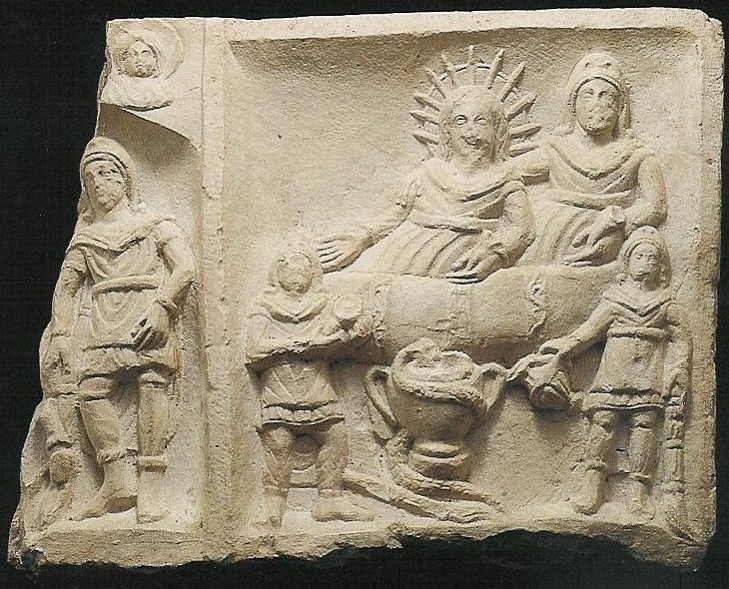
The remains of the mithraic triptic of Tróia, Lusitania, were part of a bigger composition.
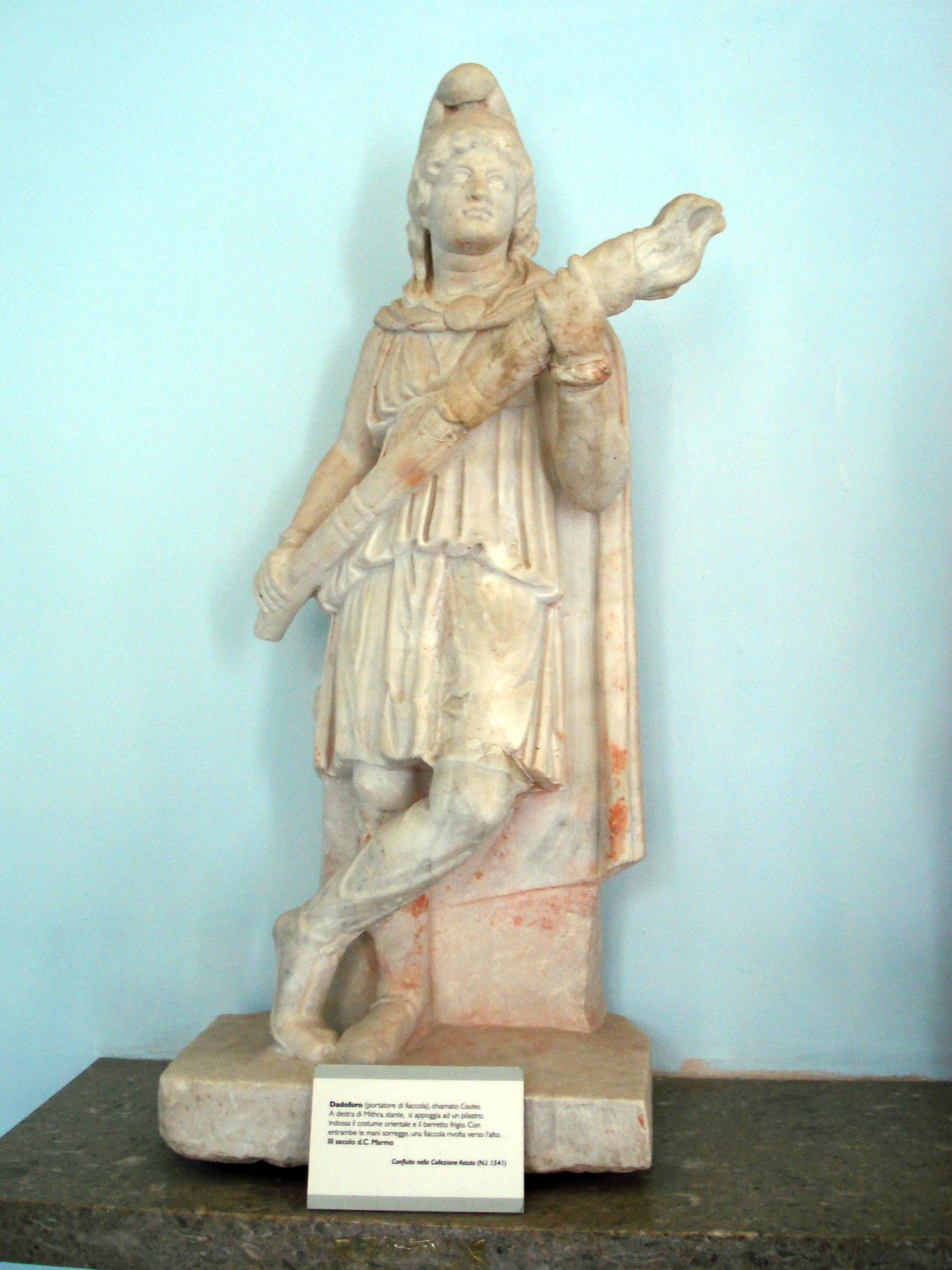
These two mithraic sculptures of Cautes and Cautopates belong to the same collection of Astuto de Noto, made up of mostly Sicilian monuments.
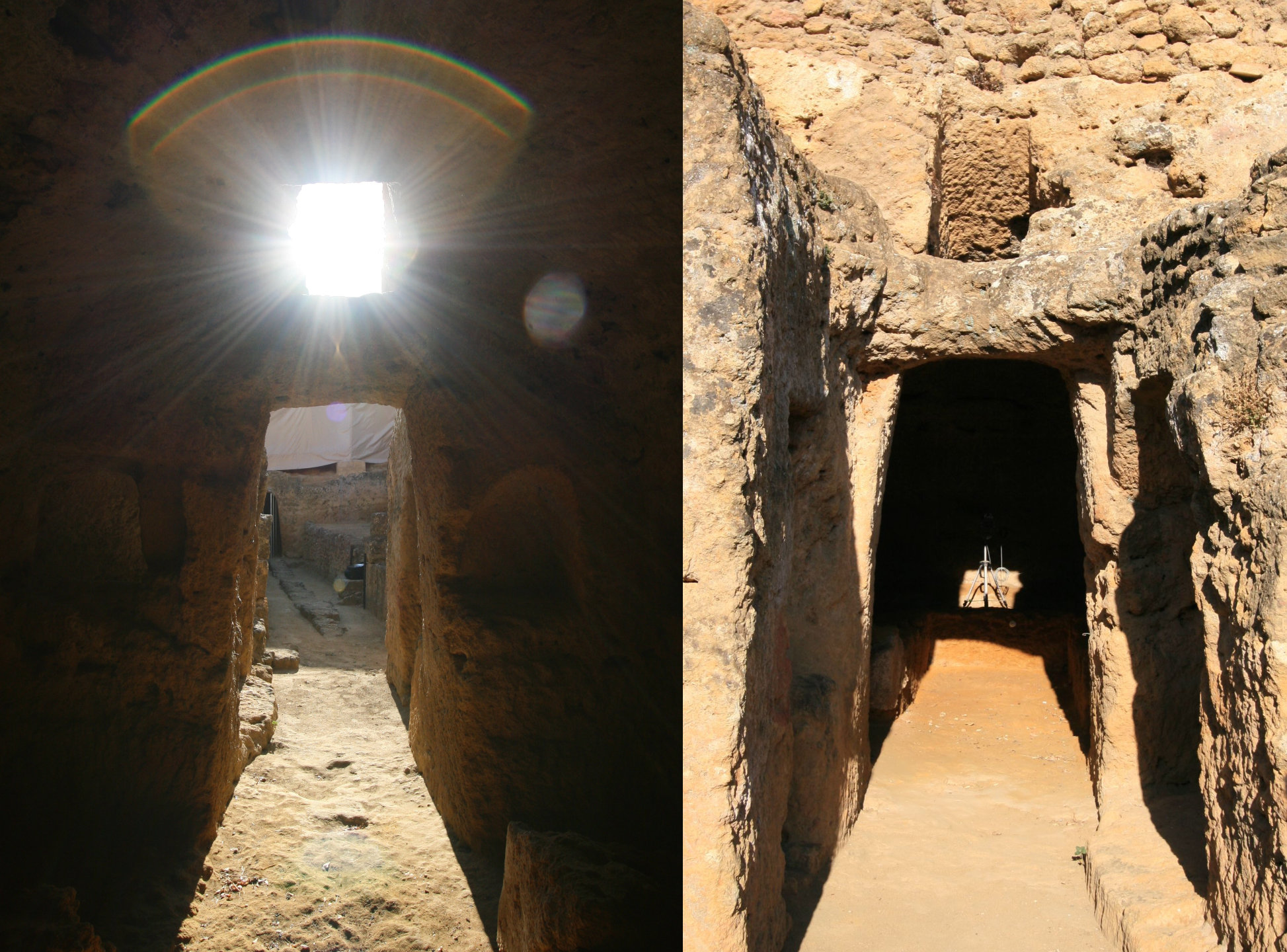
Set in a Roman necropolis, the so-called Mithraeum of the Elephant takes its name from an elephant statue found in one of the tombs.
