Your search farid ud din attar gave 1805 results.

Hermadio's inscriptions have been found in Dacian Tibiscum and Sarmizegetusa, as well as in Rome.
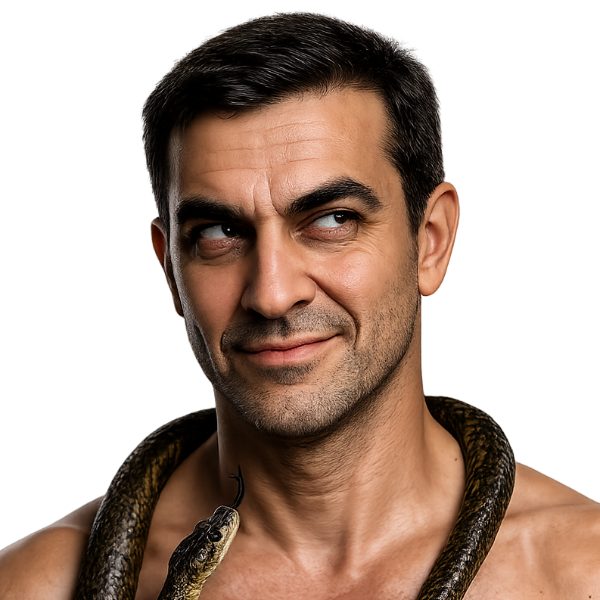
Syndexios in Ostia, his name Marsus suggests that he was a snake-charmer.

Magister of a Bracaran sodalicium associated with the cult of Mithras in Roman Lusitania.

A powerful and wealthy man, founder of a mithraeum in the city of Aquincum of which he was the mayor.

Governor of Numidia and prolific dedicator of monuments to Sol Mithras, Sol Invictus and other deities in late Roman North Africa.
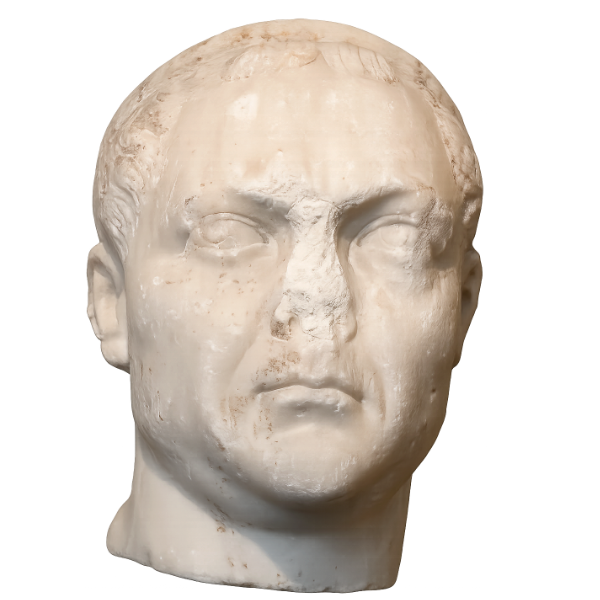
Roman emperor from 253 to 260, he was taken captive by Shapur I of Persia. He was thus the first emperor to be captured as a prisoner of war.

Early Mithraic Leo from Novae whose name has been associated with the honey symbolism of the leonine grade.
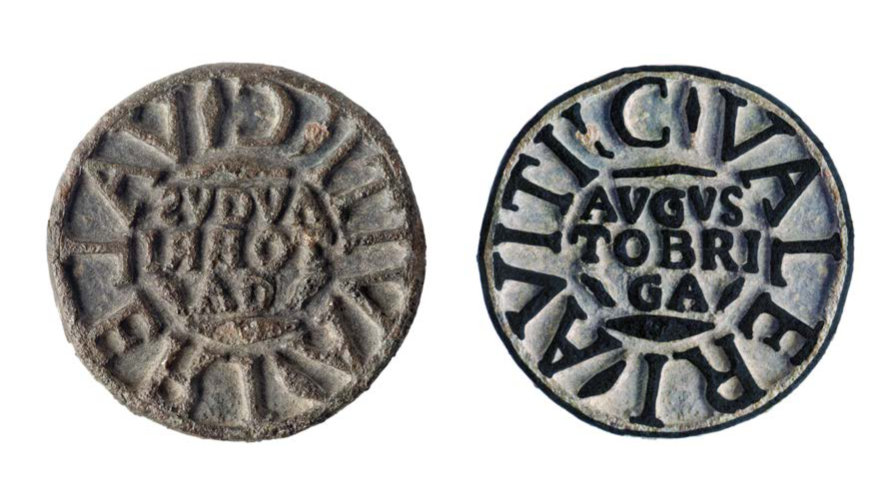
Bronze personal seal of a duovir of Tarraco and owner of the villa of Els Munts.

Landowner from Augustobriga, transferred to Tarraco by Antoninus Pius and owner of the villa of Els Munts and its Mithraeum.

Roman prefect commemorated in a rare dedication to Sol Apollo Anicetus Mithras at Rudchester.
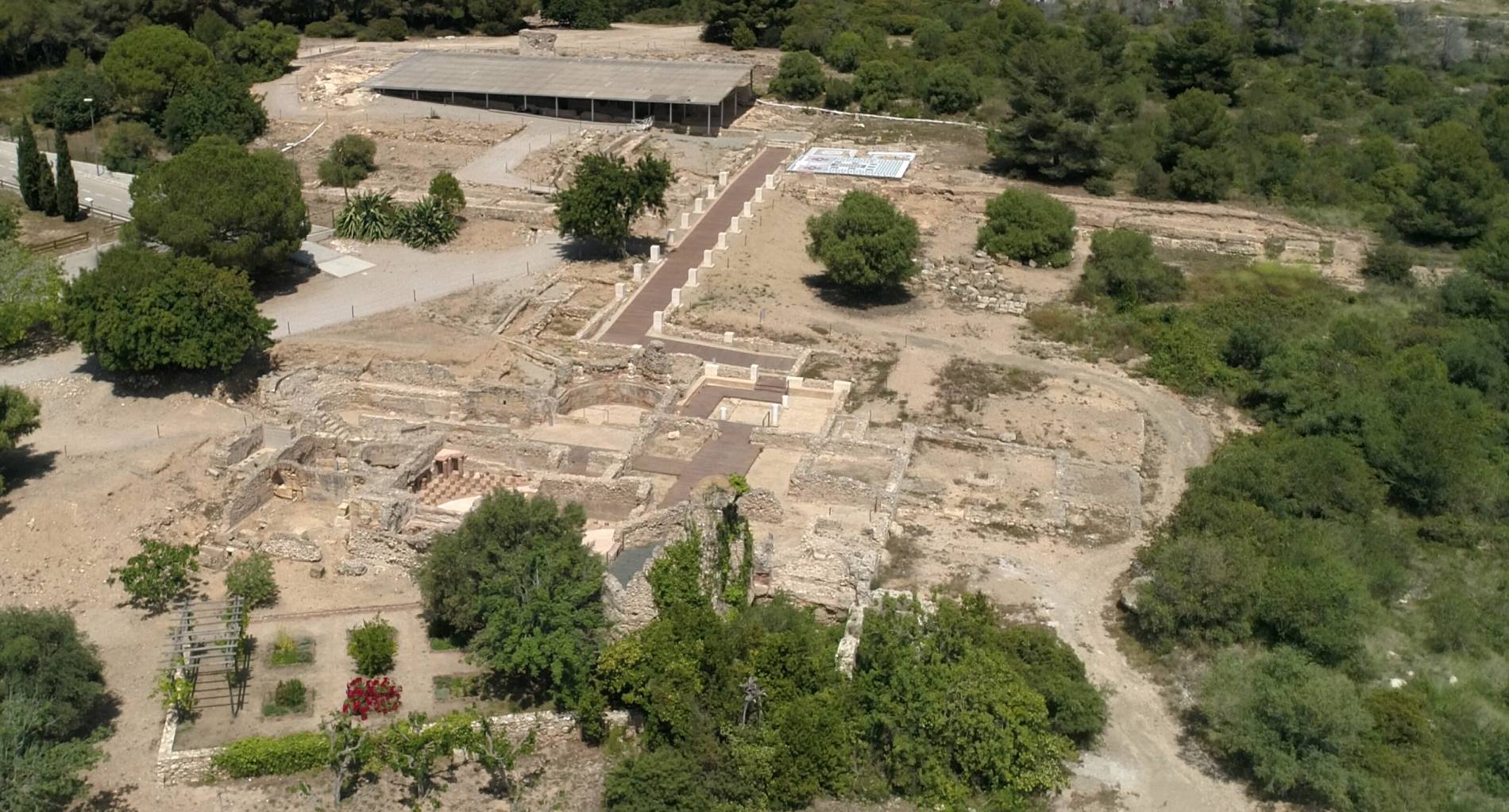
The Mithraeum of Els Munts, near Tarragona, is one of the largest known to date.

This altar from Grumentum in Lucania was dedicated to Sol Invictus Mithras by Titus Flavius Saturninus, an evocatus in imperial service.

A funerary cippus, dated to the 2nd–3rd century, commemorating Publius Anthius Logus, pater sacrorum, and erected by Cornelia, daughter of Lucius, found at Sextantio near modern Montpellier in Narbonensis.
A small stone pedestal and the fallen statue of a seated Mother-goddess from the Mithraeum at Procolitia (modern Carrawburgh), depicting a figure of ungainly proportions enfolding in her arms a basket resting on her knees, found in the corner behind the screen at the east end of the temple…

Abudiacum occupied a position along the important road network linking Raetia with the Alpine regions.
A fragment of a pebble relief showing Mithras as bullkiller, with the collar-wearing dog holding its head near the wound, found in the bed of a stream at Interanum (modern Entrains-sur-Nohain) in Lugdunensis.
A funerary inscription from Besançon (ancient Vesontio) in Belgica, bearing the title mater sacrorum, but correctly excluded from the Mithraic corpus, as women were barred from Mithras sanctuaries.
A dedicatory inscription to Sol Invictus, made by an individual named Eudaemon, found at Glanum (modern Saint-Rémy-de-Provence) in Narbonensis.
A marble statue from the south wall of the gallery of the Castle at Cataio in the Veneto, depicting a cross-legged torchbearer in Eastern attire (Cautopates) with a sorrowful expression, standing beside a rock at which he points his torch.
A small bronze statuette reportedly found in Italy and now in the British Museum in London, depicting a cross-legged figure in Eastern attire (Cautopates) pointing a broken torch downwards with his right hand and holding a ram's head in his left.
