Your search farid ud din attar gave 1805 results.

A marble relief found on the small island of San Michele di Zampanigo near Torcello in the Venetian lagoon, now in the Museum of Torcello, showing a cross-legged figure in Eastern attire resting his head in his right hand and holding a downward-pointing torch (Cautopates), framed by poppies…
An inscription recording the completion and dedication of the Temple of Sol at Como by T. Flavius Postumius Titianus, corrector of Italy, by order of the emperors Diocletian and Maximian, with Axilius the Younger as curator of the city of the Comenses.
A white marble relief fragment found in a house at Ganaceto near Modena in 1845, now in the Museo Lapidario in Modena, showing Cautes in Eastern attire and anaxyrides cross-legged, with a fragment of Mithras' flying cloak according to Cumont.
A coarse-grained yellowish-white marble tauroctony relief fragment found walled in at San Zeno am Nonsberg in the Trentino in 1911, now in the Museum Ferdinandeum at Innsbruck, showing part of Mithras slaying the bull and Cautes raising a flaming torch.
Three fragments of a pottery plate bearing a relief of Mithras as bullkiller, with Cautes holding an upraised torch and sickle-shaped object and the bust of Luna above, found in the pottery workshops along the Ziegelstrasse at Augusta Treverorum (modern Trier) in Belgica…
Numerous animal bones including birds, beasts of prey, and the muzzle of a wild boar, found as ritual deposits in the Mithraeum at Pons Saravi (modern Saarburg) in Belgica.
A collection of ritual vessels from the Mithraeum at Pons Saravi (modern Saarburg) in Belgica, including a stone vase, a plate with a lion's head in relief, a terra-sigillata plate with a hunting scene, and an urn filled with ash, bird bones, and rings…
A fragment from the Mithraeum at Pons Saravi (modern Saarburg) in Belgica, showing a standing naked man with a bird, possibly a cock, on his left arm, tentatively identified as Mercury, with the head, hands, and parts of the legs lost.
The right lower corner of a relief fragment from the Mithraeum at Pons Saravi (modern Saarburg) in Belgica, showing a standing naked man holding his hands crosswise on his breast, with the upper part and head lost.
A bronze statuette of a standing naked youth wearing a necklace and with outstretched hands, the thumb of the right hand touching the index finger, with a hole in the back for fastening, possibly representing Apollo, from the Mithraic sanctuary at Angleur near Liège in Belgica…
Two bronze statuettes of youthful women in flying cloaks with outstretched hands holding an object, possibly representing the Seasons, from the Mithraic sanctuary at Angleur near Liège in Belgica.
A torch end held by a hand in the pose of a dadophore, and another hand holding a small offering, found at the south-east cemetery adjacent to the Mithraeum of Les Bolards (ancient Venetonimagus) in Lugdunensis.
A fine white marble bust of Venus, a head of a helmeted deity possibly Minerva, small female heads, and bronze eye-plaques analogous to those from the temples of Sequana and Apollo Vindonnus, found at the building south-west of the Mithraeum at Les…
A large red and white granite marble disc surrounded by rays, possibly representing the sun, found at the building south-west of the Mithraeum at Les Bolards (ancient Venetonimagus) in Lugdunensis.
A limestone statue from the Mithraeum at Borcovicium (modern Housesteads), depicting Cautopates in Eastern attire standing cross-legged on a base and pointing his torch downwards, with head lost.
Ritual vessels and iron objects from the Mithraeum at Procolitia (modern Carrawburgh), including containers for votive offerings, cups, cooking-pots, platters, mortaria and jars, and iron implements comprising an altar-shovel, thatch-hook, mounting and candlestick…
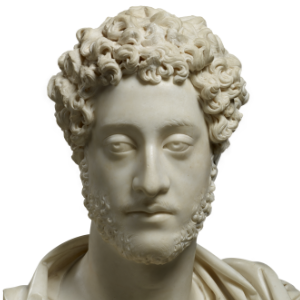
Roman emperor traditionally regarded as the first ruler initiated into the Mysteries of Mithras.

Alfius Severus was a prominent figure associated with the Mithraeum of Marino, probably acting as pater of a small Mithraic community connected with the nearby peperino stone quarries.
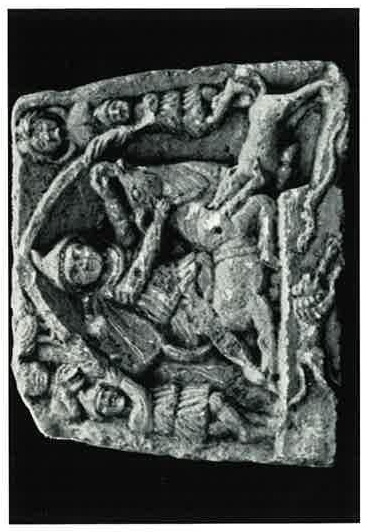
Limestone tauroctony relief from Oltenia, Dacia, of unknown exact provenance, depicting the standard bull-slaying with the full iconographic programme.
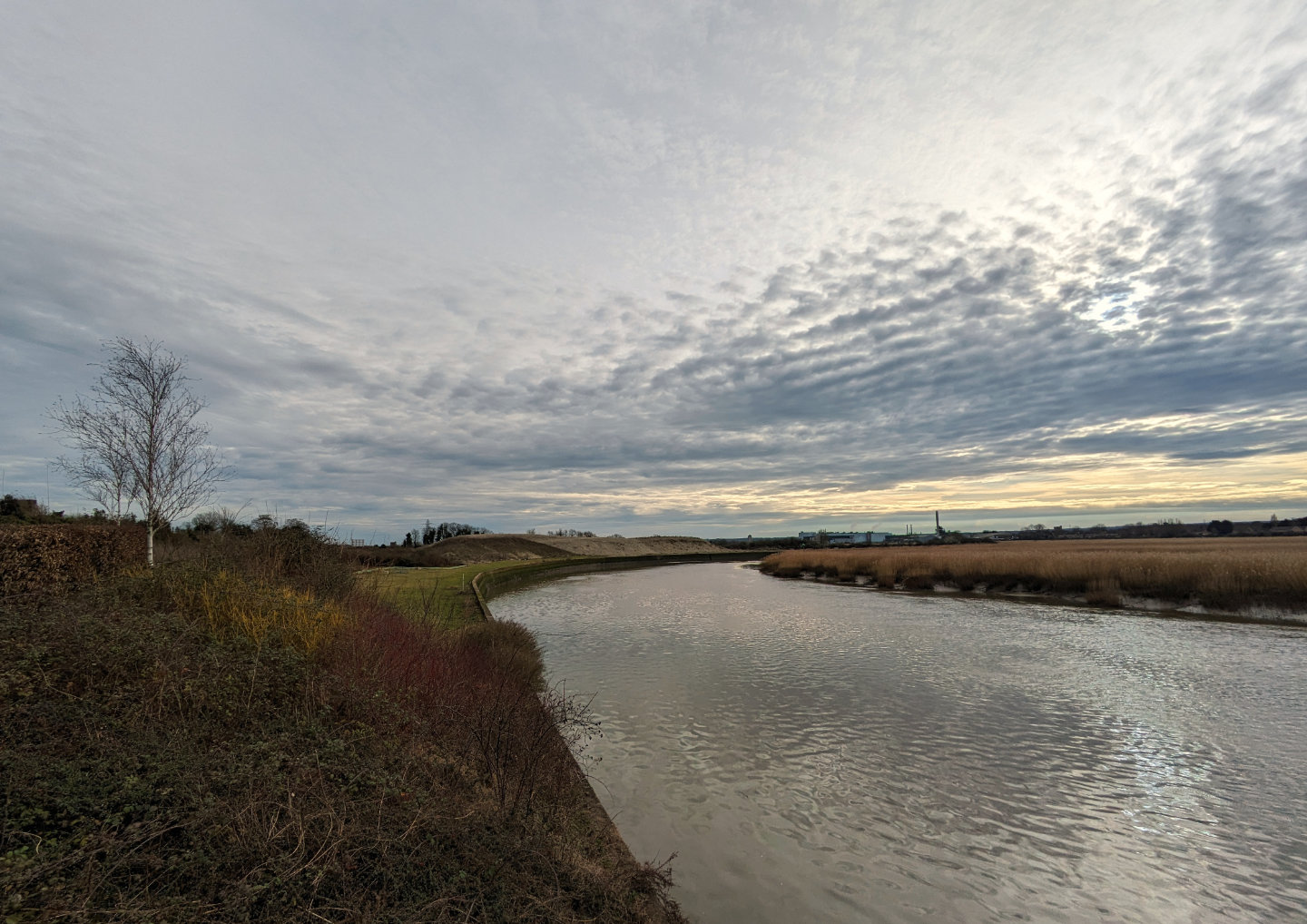
To date, there is no evidence that the so-called Mithraeum of Burham was ever used to worship the sun god.
