Your search farid ud din attar gave 1805 results.
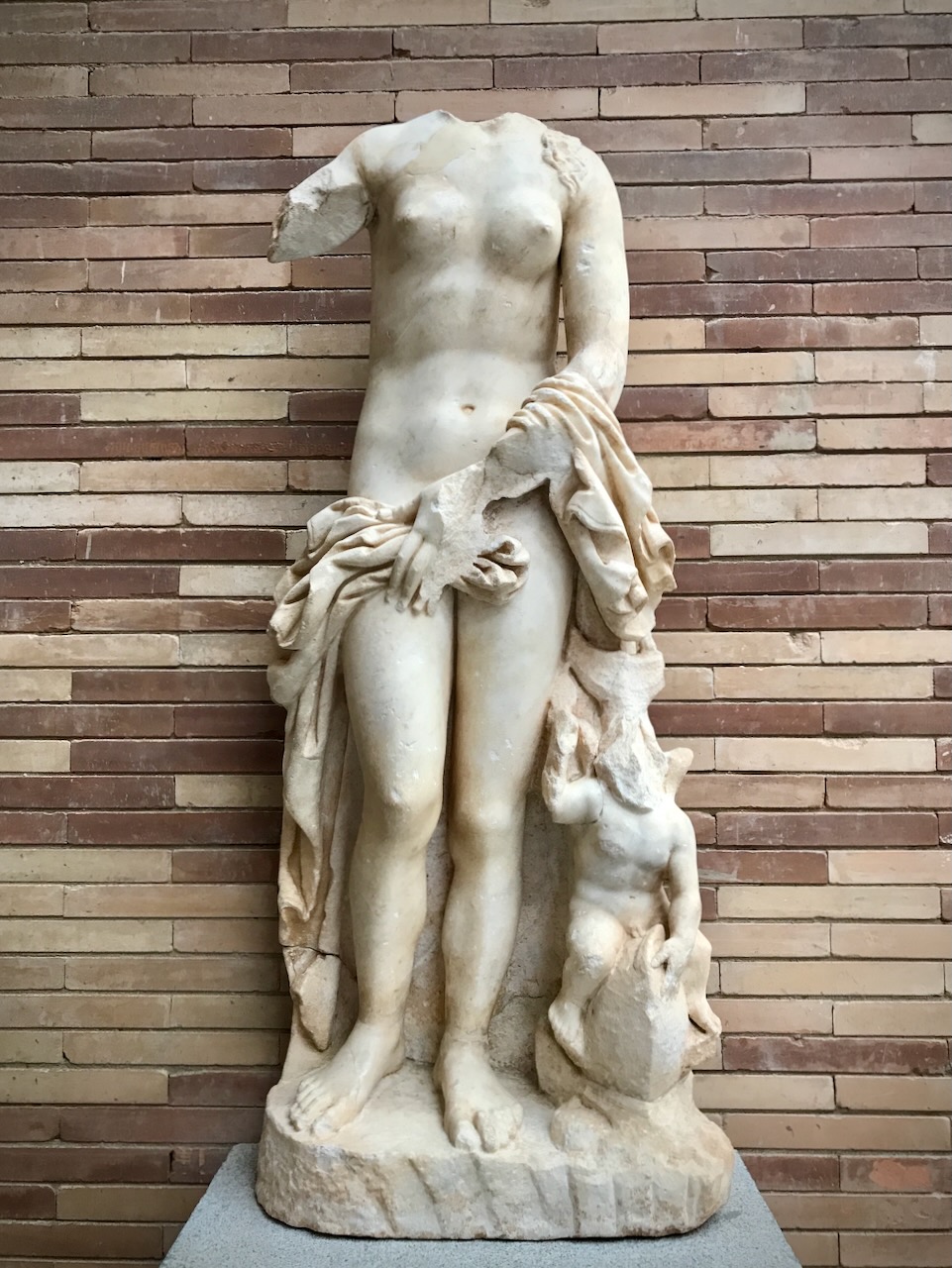
The Venus pudica of Merida stands next to the young Amor riding a dolplhin.

The inscription on the decorated altar No. 839 from the Mithraeum at Vindobala (modern Rudchester), recording a gift to the Deity by L. Sentius Castus, a soldier of the Sixth Legion.
A decorated altar from the Mithraeum at Vindobala (modern Rudchester), with the letters DEO crowned with vittae on the shaft, surrounded by palm-branches, a representation of Mithras' rock-birth on the capital, and on the front of the die a naked figure grasping a bull's horns…
Bronze plate from Budapest, ancient Aquincum or vicinity, preserving a Mithraic representation of uncertain composition; no longer in a known collection.
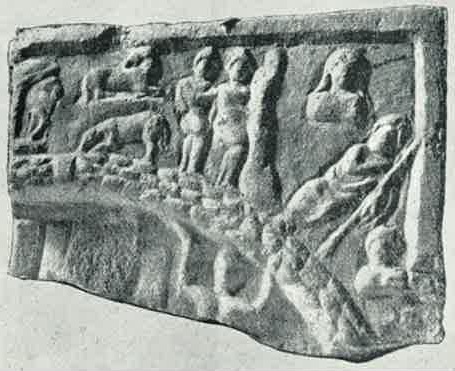
White marble statuette from Budapest, ancient Aquincum or vicinity, depicting a badly damaged Mithras killing the bull with dog and serpent; the god's head is lost.
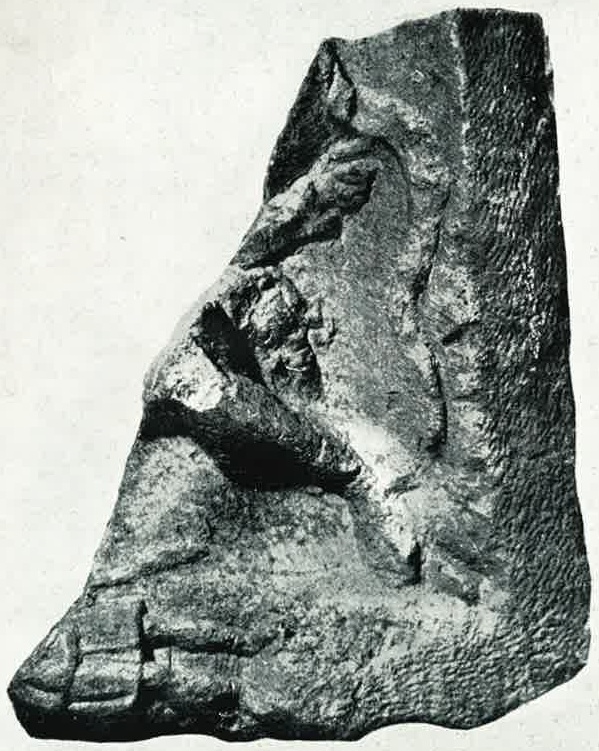
Right upper corner of a white marble tauroctony relief from Budapest, ancient Aquincum or its vicinity, in the National Museum since 1868, preserving part of the grotto border and divine busts.
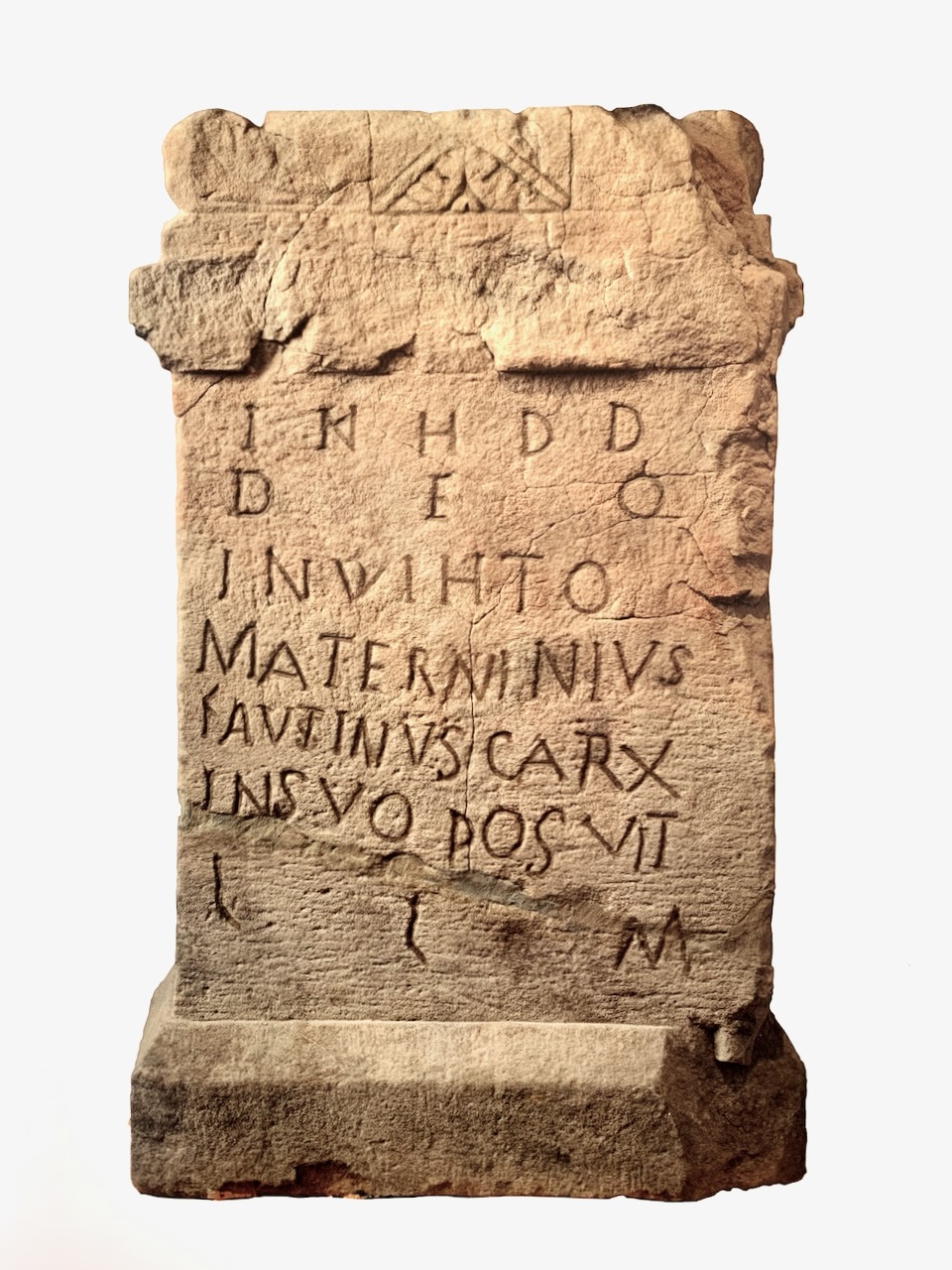
Corax Materninius Faustinus dedicated other monuments found in the same Mithraeum in Gimmeldingen.


Scholar, politician and a court astrologer to the Roman emperors Claudius, Nero and Vespasian.
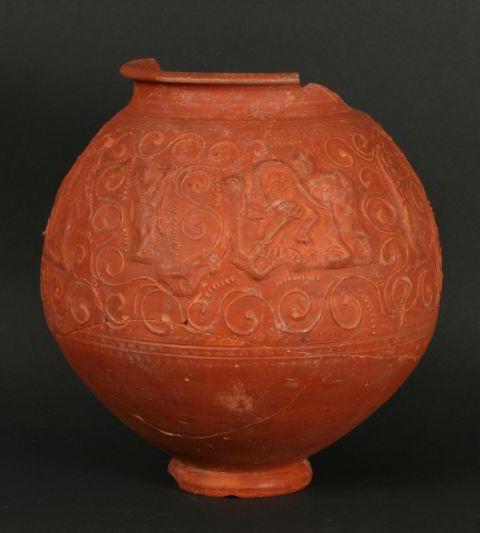
This terracotta vase features prolific decoration, including Mithras Tauroctonos, Fortuna, Cautes, a dog and Pan playing a syrinx.
Two marble relief fragments from Dolni Vadin, Thracia, one showing Sol's chariot and the other the right lower corner of a bull-slaying scene; the two fragments may not belong to the same relief.
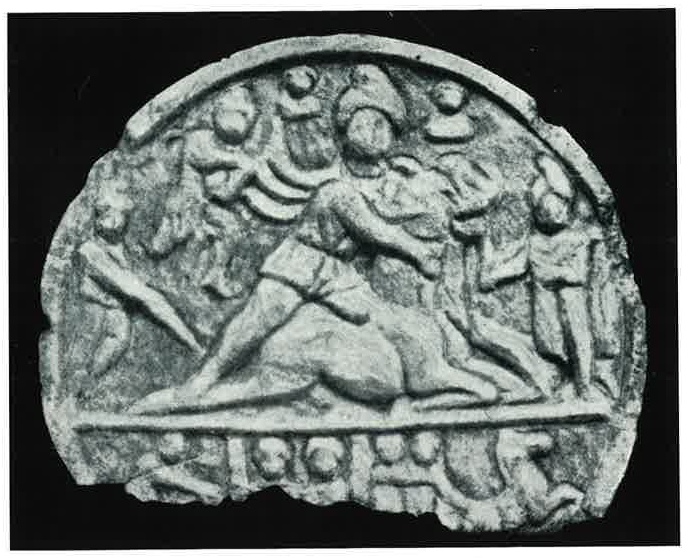
Small circular marble tauroctony relief from Kadine-Most in the Küstendil district, Moesia Superior, divided into two parts by a horizontal rim, with the bull-slaying in the upper and a figure or inscription in the lower.
Sandstone relief fragment from the Mithraeum at Gimmeldingen preserving the upper bodies of two standing deities: a bearded male, possibly Vulcanus, and a helmeted Minerva with lance.
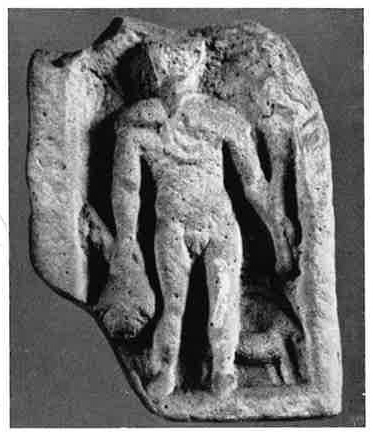
Sandstone relief from the Mithraeum at Gimmeldingen depicting a standing Mercury with caduceus and purse, accompanied by a ram and a cock; the head and upper caduceus are damaged.
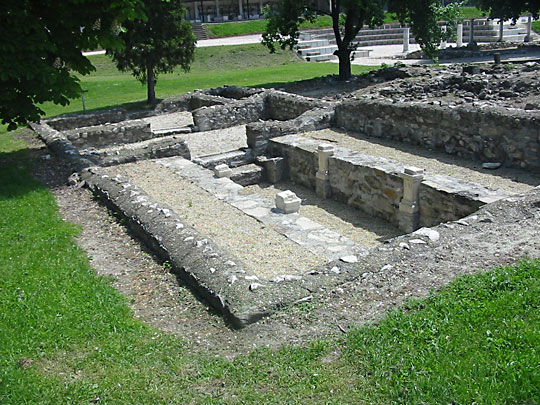
This temple of Mithras in Aquincum was located within the private house of the decurio Marcus Antonius Victorinus.
Fragments of this limestone statue include the head and torso of Mercury, holding the caduceus in his left hand.
This base was found in the 18th century and bears an inscription to the god Arimanius.

Senior Mithraic priest of Ostia whose inscriptions preserve rare and unique epithets of Mithras, including Incorruptus Juvenis and Indeprehensibilis.


