Your selection in monuments gave 98 results.

Marble torso found at Ostia in 1912 between the Decumanus and the Via dei Molini, dedicated to Mithras by a certain Atilius Glycol.
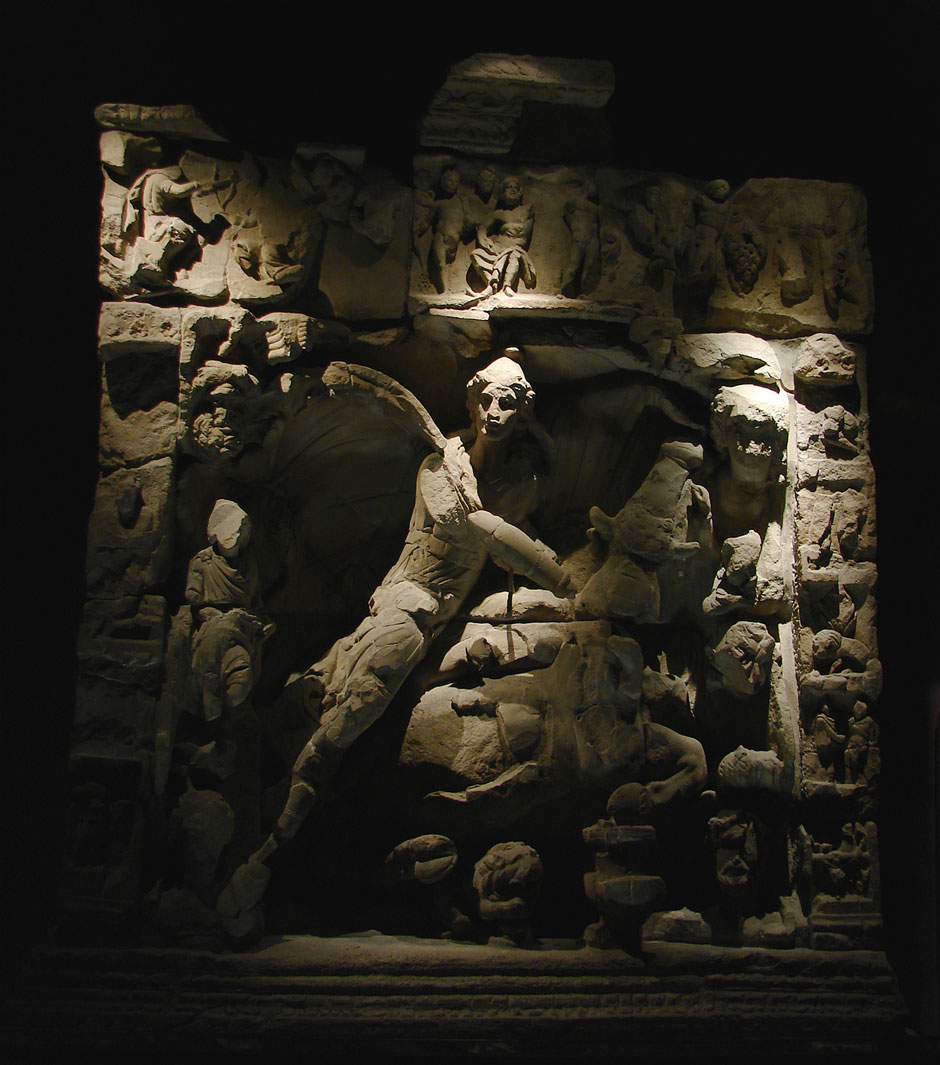
The Tauroctony of Saarbourg (Sarrebourg, ancient Pons Sarravi), France, contains most of Mithras deeds known in a single relief.
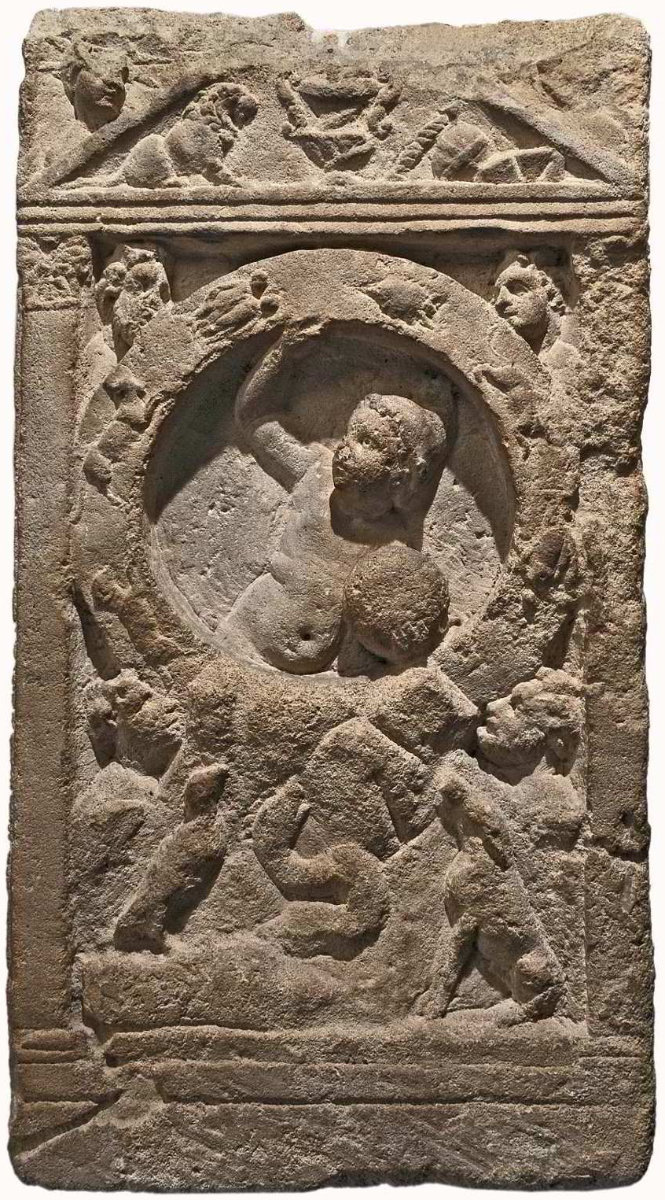
The relief depicts the birth of Mithras, holding a globe, surrounded by the zodiac.
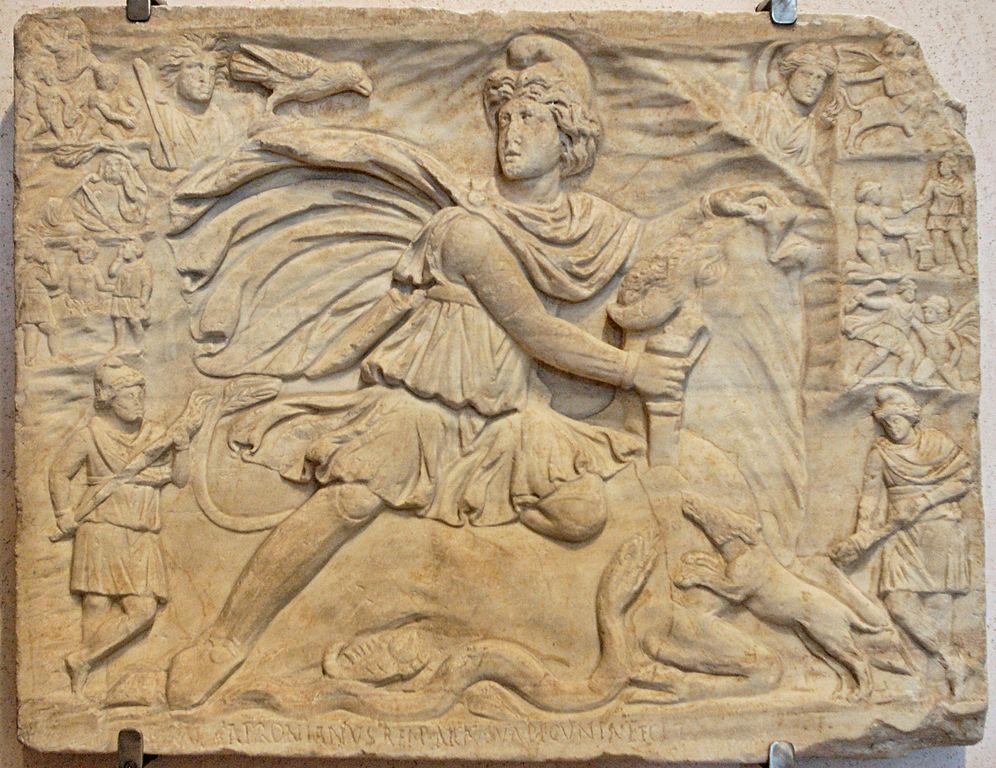
The relief of Mithras slaying the bull of Nersae includes several episodes from the exploits of the solar god.
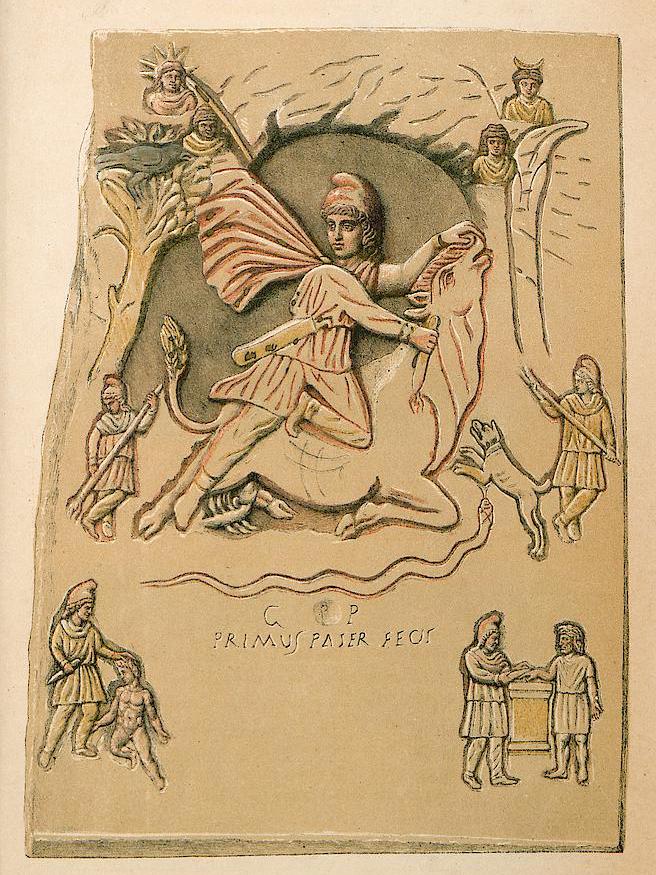
The relief of Mithras slaying the bull found on the Esquiline Hill includes two additional scenes with Mithras and two other figures.
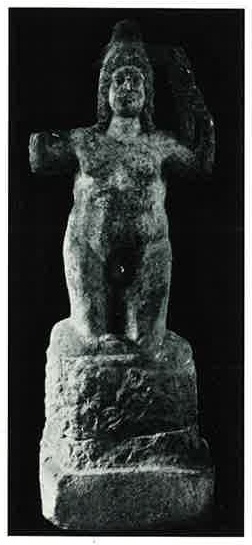
This white marble statue of the rock-birth from Cibinium in Roman Dacia is one of the largest known Mithraic sculptures from the Danubian provinces.

Gold lamina from Ciciliano showing a nude, serpent-entwined Aion-Kronos holding a key and surrounded by Greek voces magicae (2nd c. CE).
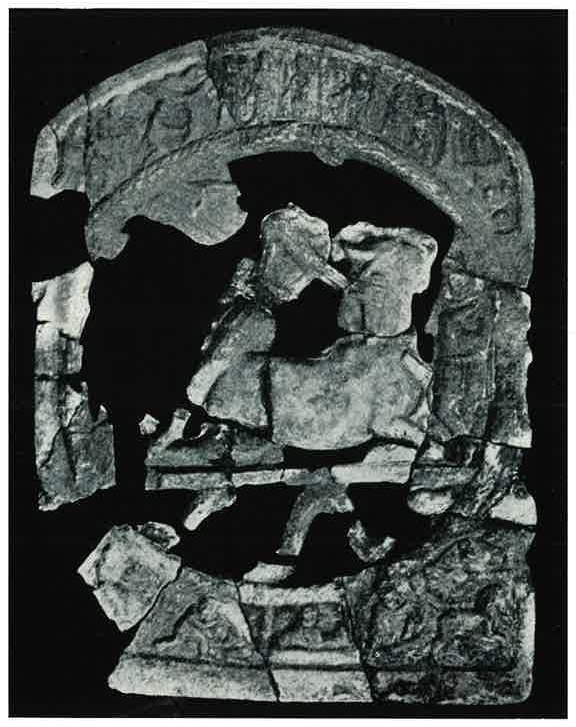
White marble tauroctony relief in several fragments from the Mithraeum at Biljanovac, Moesia Superior, depicting the standard bull-slaying with the full iconographic programme.
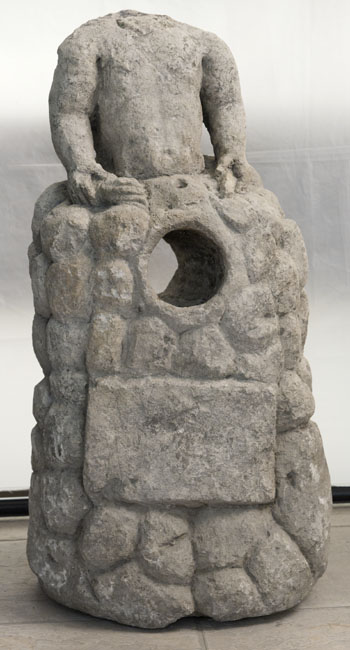
This sculpture from Dobrosloveni, Romania, depicts the petrogenesis of Mithras, with a hole through the generative rock from which water flowed.
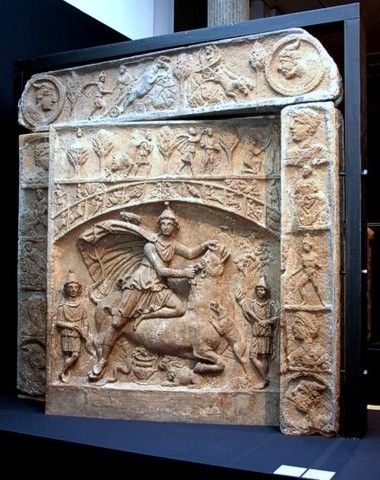
This relief is so well-known that it has been reproduced in nearly every handbook of archaeology and of history of religions.

In this relief of Mithras as bull slayer, recorded in 1562 in the collection of A. Magarozzi, Cautes and Cautopates have been replaced by trees still bearing the torches.
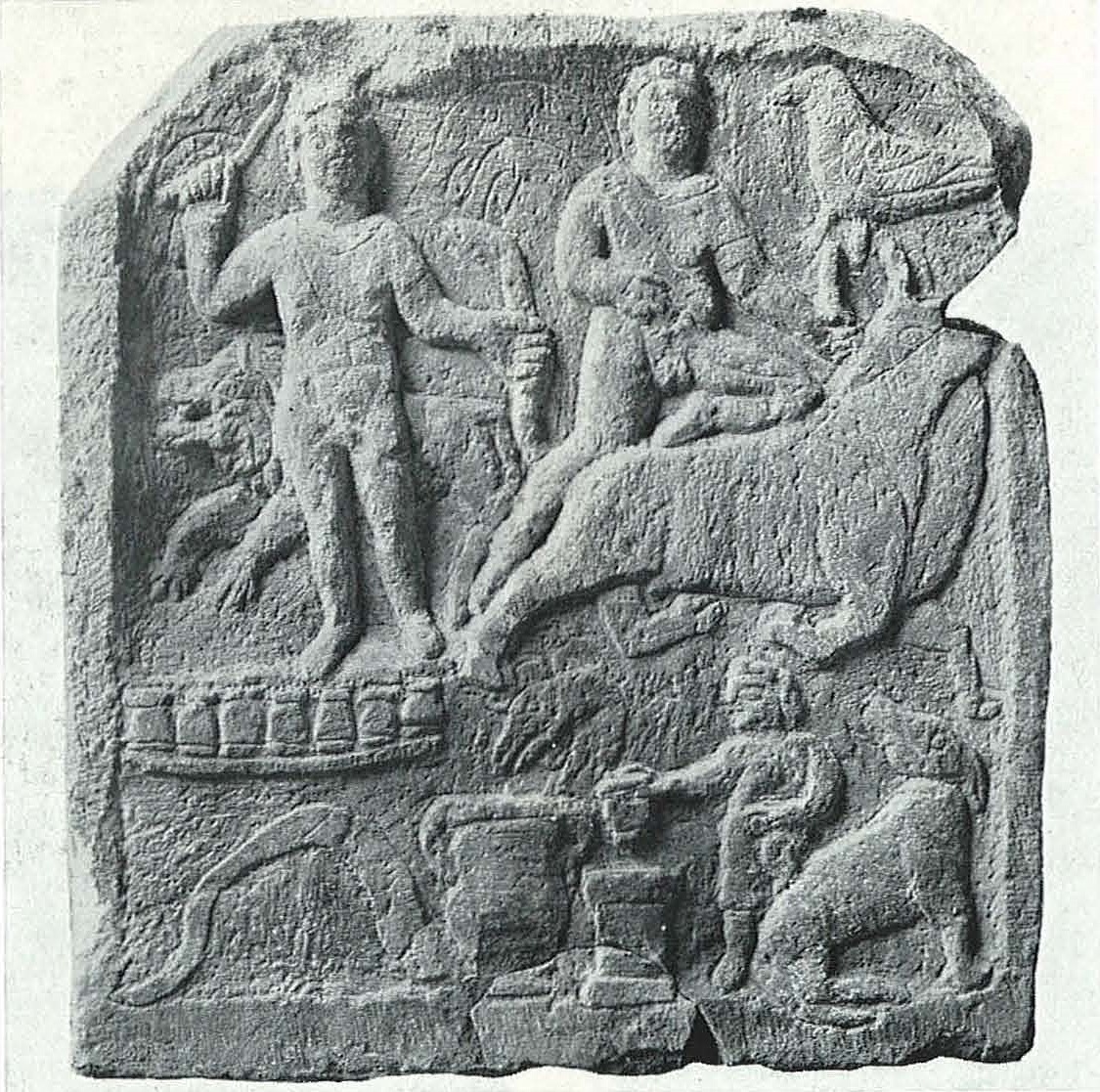
The Tauroctony from Landenburg, Germany, shows a naked Mithras only accompanied by his fellow Cautes.
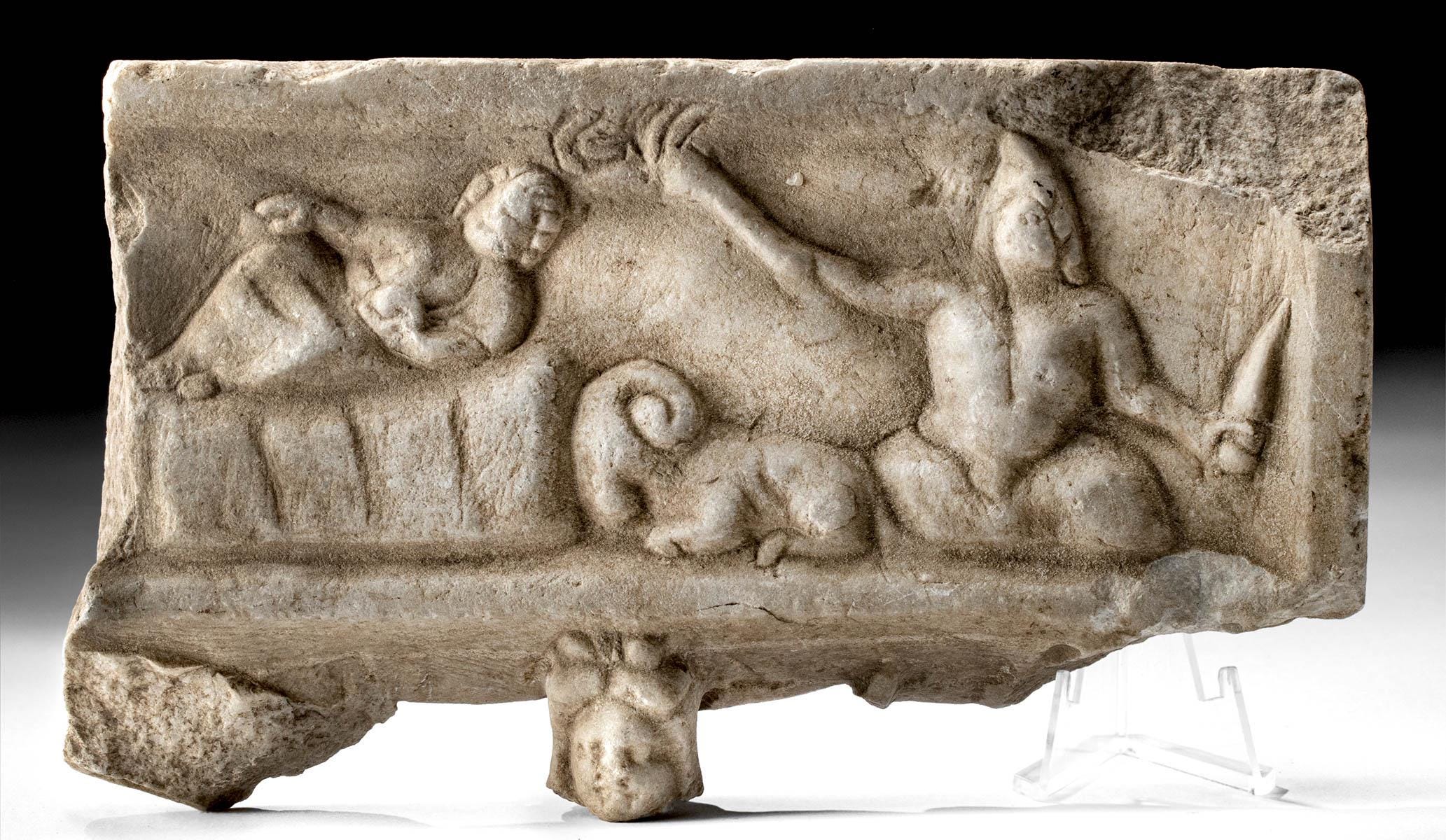
Mithras emerging from the rock with torch and dagger beside a reclining Oceanus or Saturn.
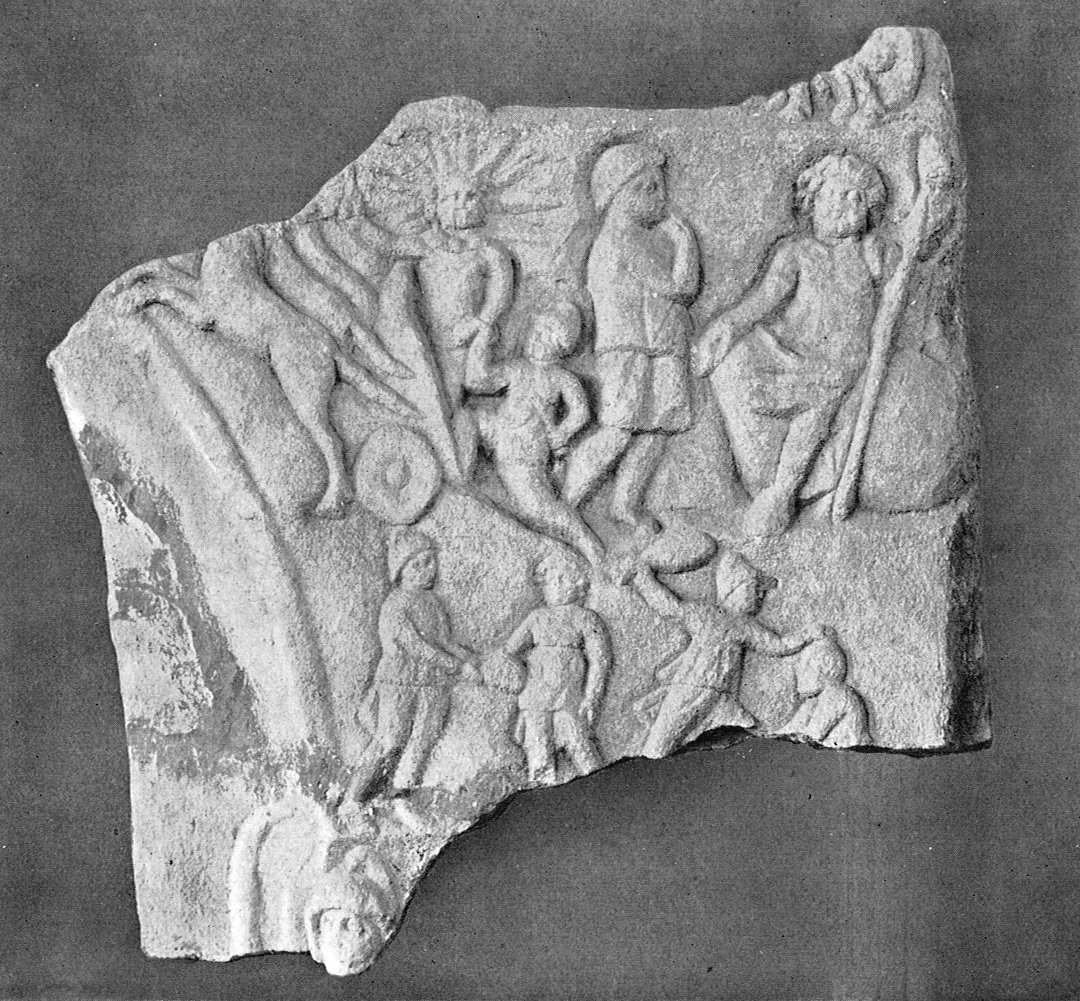
Several Mithraic scenes, including Mithras with Saturn, Mithras with Sol and Mithras' Ascension, are depicted on this fragment of a relief from Ptuj.
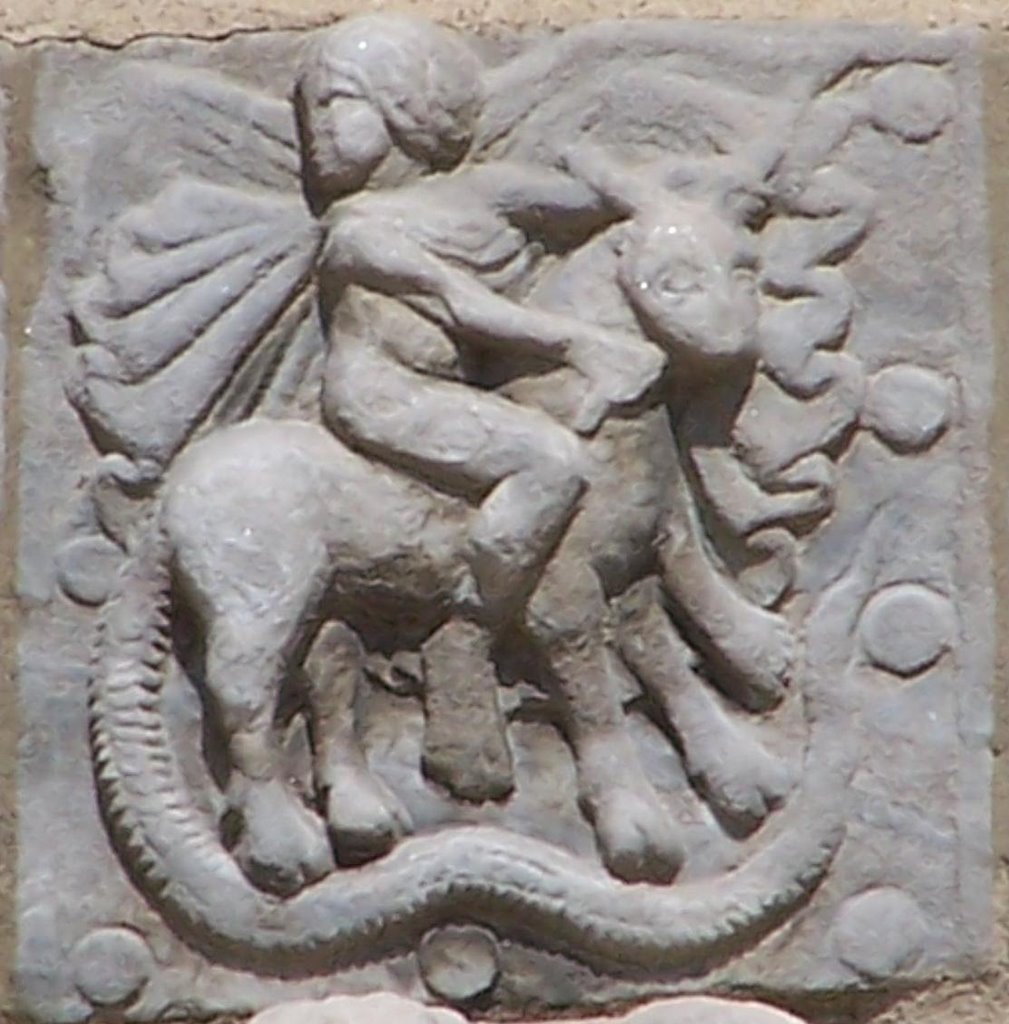
Mithras slaying the bull appears as the sign of Capricorn in a zodiacal sequence on the Pórtico del Cordero of the Abbey de Santo Domingo de Silos, Burgos, Spain.
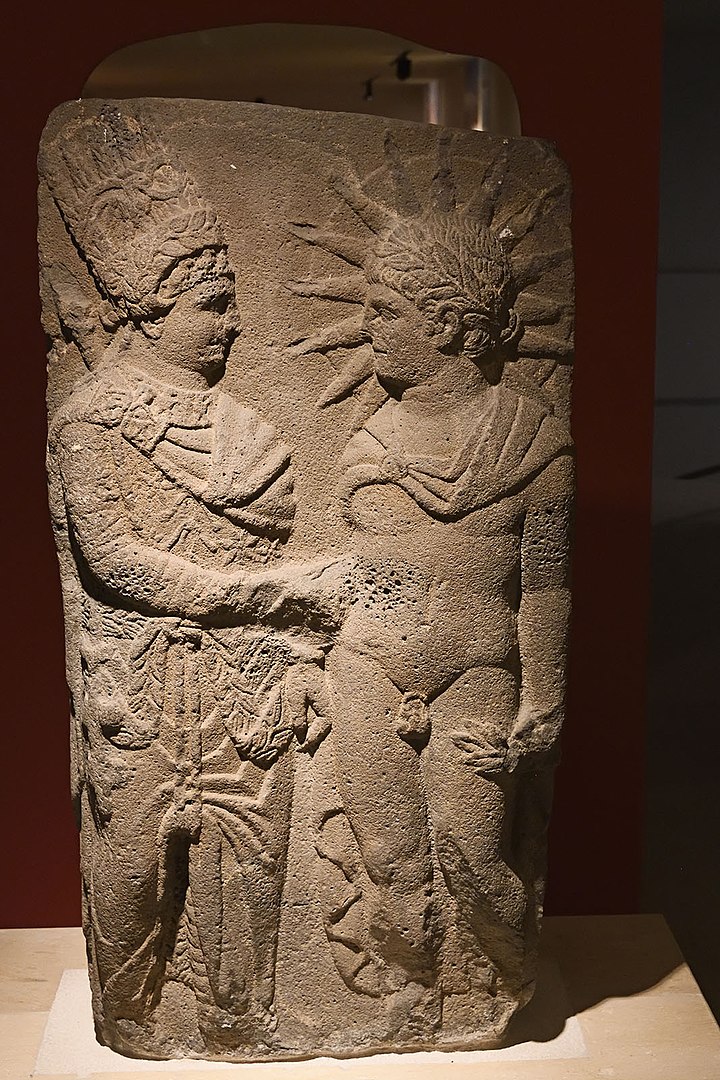
Stele representing Apollo-Mithras-Helios in a Hellenistic nude fashion, shaking hands with Antiochus I.
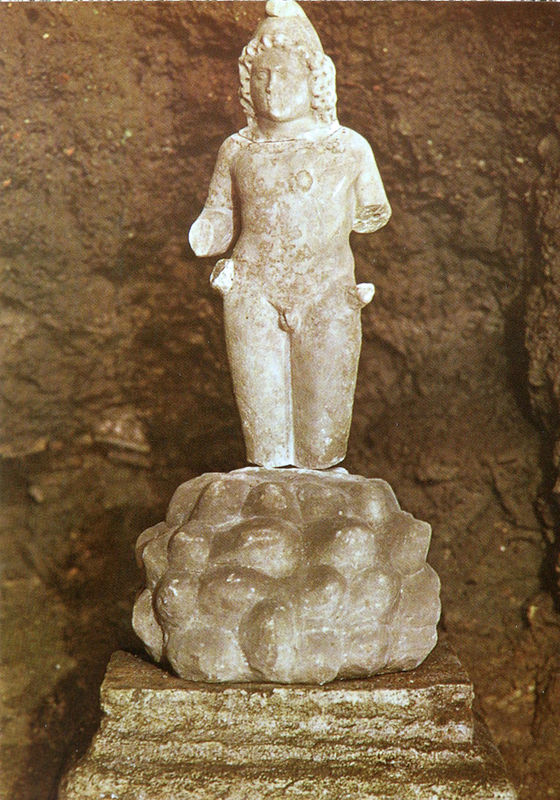
Mithras birth from the knees upwards emerging from a rock and wearing as usual a Phrygian cap.
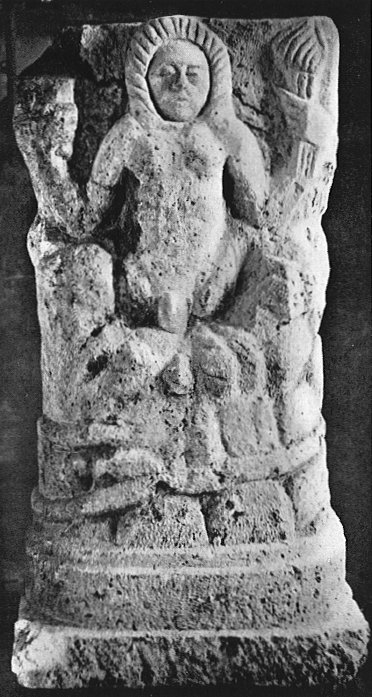
Another sculpture of Mithras rock-birth from the Mithraeum of Victorinus, in Aquincum.
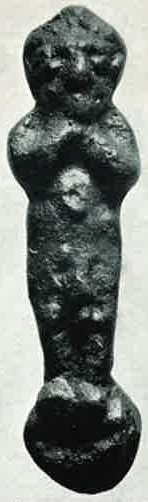
Bronze fibula from Petronell-Carnuntum, depicting a standing lion-headed Aion.
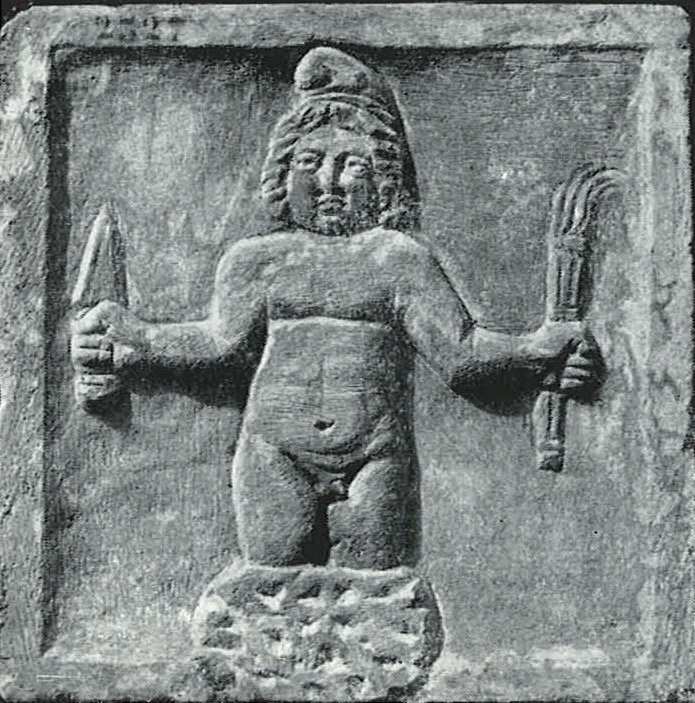
The relief of Mithras being born from the rock of the Esquiline shows the young god naked, as usual, with a torch and a dagger in his hands.
