The New Mithraeum
21 Aug 2021
Updated on Jan 2022
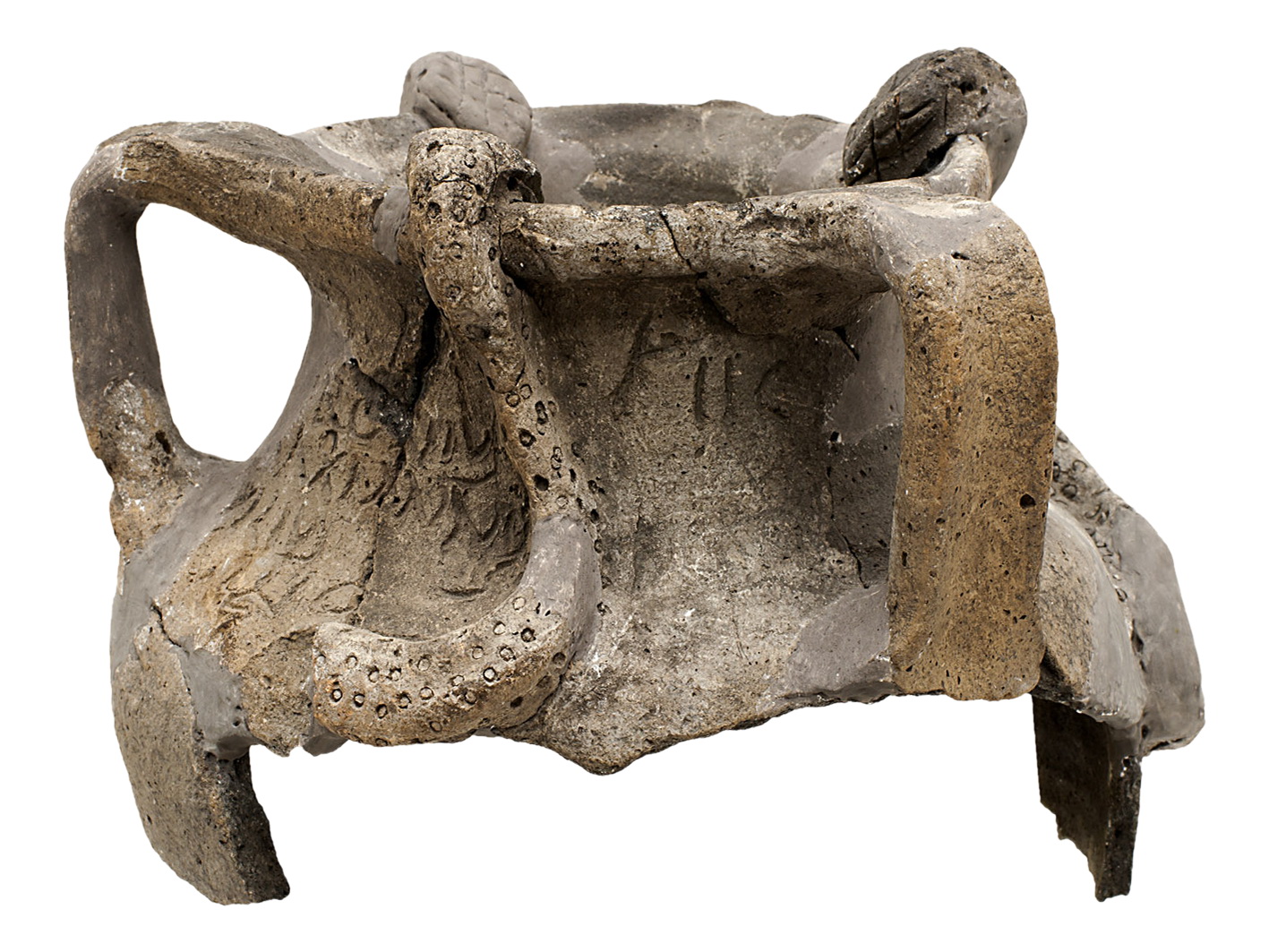
Typical vessels with snake decorations in caves usually indicate a connection with the Mithraic mysteries. The majority of the numerous pottery and animal bones accumulated as a result of reoccurring cult feasts in the cave and thus reflect the eating habits and the selection of animals for the practice of the cult.
The remains of animals studied to date confirm that the animals typical for cult feasts are represented. There are numerous poultry bones among the material. Many are from chickens but wild birds have also been accounted for. Remains of very young sheep, goats…
The remains of animals studied to date confirm that the animals typical for cult feasts are represented. There are numerous poultry bones among the material. Many are from chickens but wild birds have also been accounted for. Remains of very young sheep, goats…
The full article is reserved for our members.
Log in or create a free account to access the entire site.