Global Gods in Local Contexts
The international conference Global Gods in Local Contexts will take place in
Vienna and Hainburg from 28 to 30 September 2026, bringing together archaeologists, historians and specialists in ancient religion to explore the transmission, adaptation and local development of the so-called “Oriental cults” across the Danubian and Balkan provinces of the Roman Empire.
Mithraic studies feature prominently in the programme. Among the scheduled speakers are
Csaba Szabó (Mithras in Roman
Dacia),
Lucinda Dirven (the Dura-Europos mithraeum),
Nirvana Silnović (double-sided Mithraic reliefs from Roman
Dalmatia), Tamás Milbich (the newly discovered sixth mithraeum at
Aquincum),
Matthew M. McCarty (Mithraic built environments), Blanka Misic (ritual experience and learning in the cult of Mithras), and
Aleš Chalupa and Tomáš Glomb, who will present new spatial analyses of Mithraic cult diffusion across the Roman Empire.
The conference will also include the announcement of a new exhibition on the cult of Mithras in Bosnia and Herzegovina.
Download the full programme here:
Global Gods in Local Contexts: ’Oriental Cults’ between the Danube and the Adriaticoeaw.ac.atGlobal Gods in Local Contexts: ’Oriental Cults’ between the Danube and the Adriatic 

![*Global Gods in Local Contexts*
The international conference Global Gods in Local Contexts will take place in Vienna and Hainburg from 28 to 30 September 2026, bringing together archaeologists, historians and specialists in ancient religion to explore the transmission, adaptation and local development of the so-called “Oriental cults” across the Danubian and Balkan provinces of the Roman Empire.
Mithraic studies feature prominently in the programme. Among the scheduled speakers are Csaba Szabó (Mithras in Roman Dacia), Lucinda Dirven (the Dura-Europos mithraeum), Nirvana Silnović (double-sided Mithraic reliefs from Roman Dalmatia), Tamás Milbich (the newly discovered sixth mithraeum at Aquincum), Matthew M. McCarty (Mithraic built environments), Blanka Misic (ritual experience and learning in the cult of Mithras), and Aleš Chalupa and Tomáš Glomb, who will present new spatial analyses of Mithraic cult diffusion across the Roman Empire.
The conference will also include the announcement of a new exhibition on the cult of Mithras in Bosnia and Herzegovina.
Download the full programme here: [ref:6a52842f056f2]](https://www.mithraeum.eu/album/post/f5d266a691eedee6.jpg)








Remarkable work, indeed! I have two modest reflexions to suggest:
The Greeks of the 4th century BC celebrated the liberation of slaves by wearing a Phrygian cap. This came from the peoples of the Black Sea who did not practice slavery. So, the Phrygian cap predates the cult of Mithras.
Does the god Arimanius have a connection with Armenia, which came under Roman control in 74-63 BC? This is the region of the cult of Mithras, as shown by the bas-relief of Antiochus of Nemrut Dagi. However, Jesus Christ spoke "Aramaic," one of the languages spoken in this region. If we accept that the Gospels are texts of Mystery, would this allude to the cult of Arimanius from which Jesus would have originated?
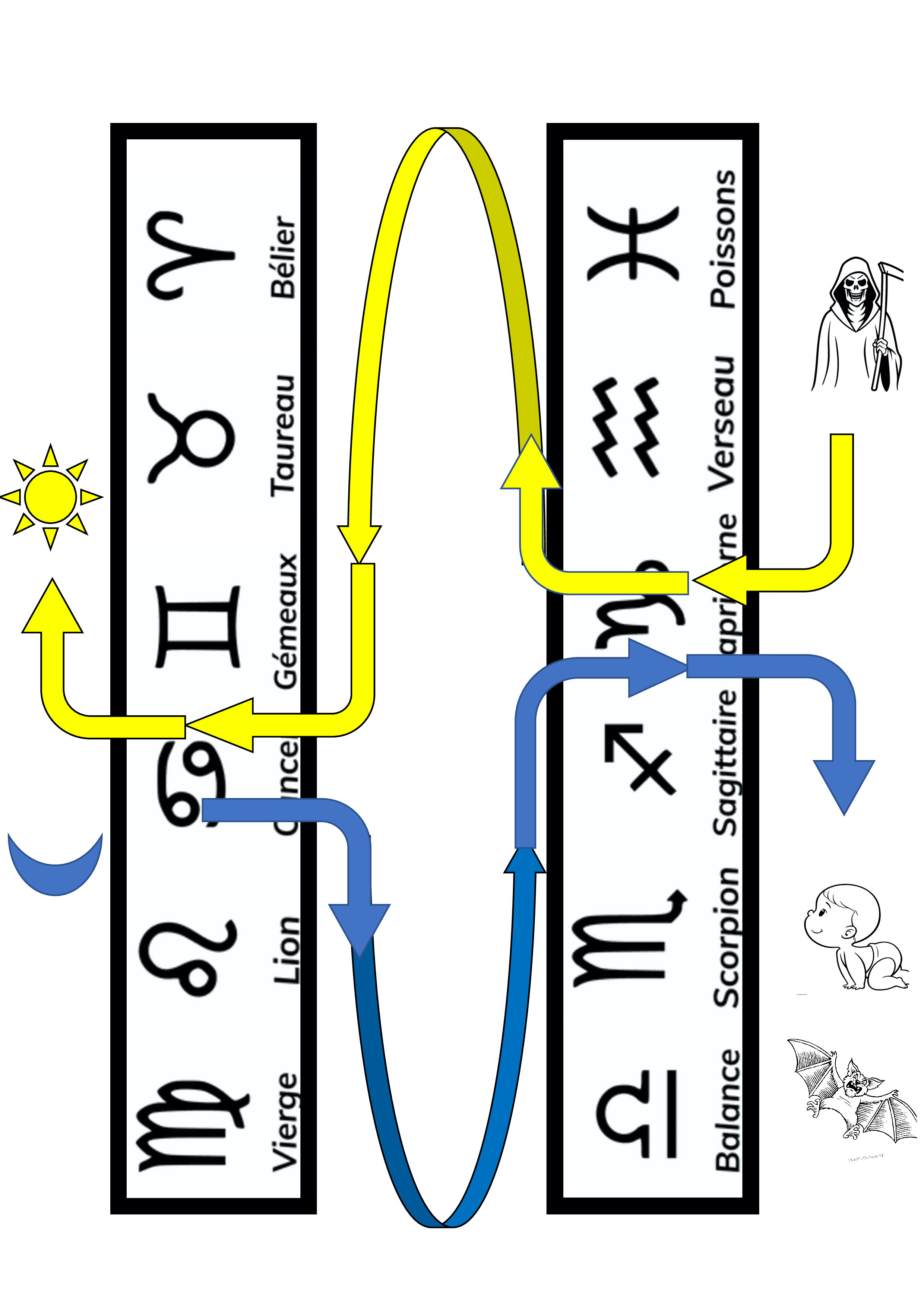
I did a modest research on the migration of the soul in the cult of Mithras:
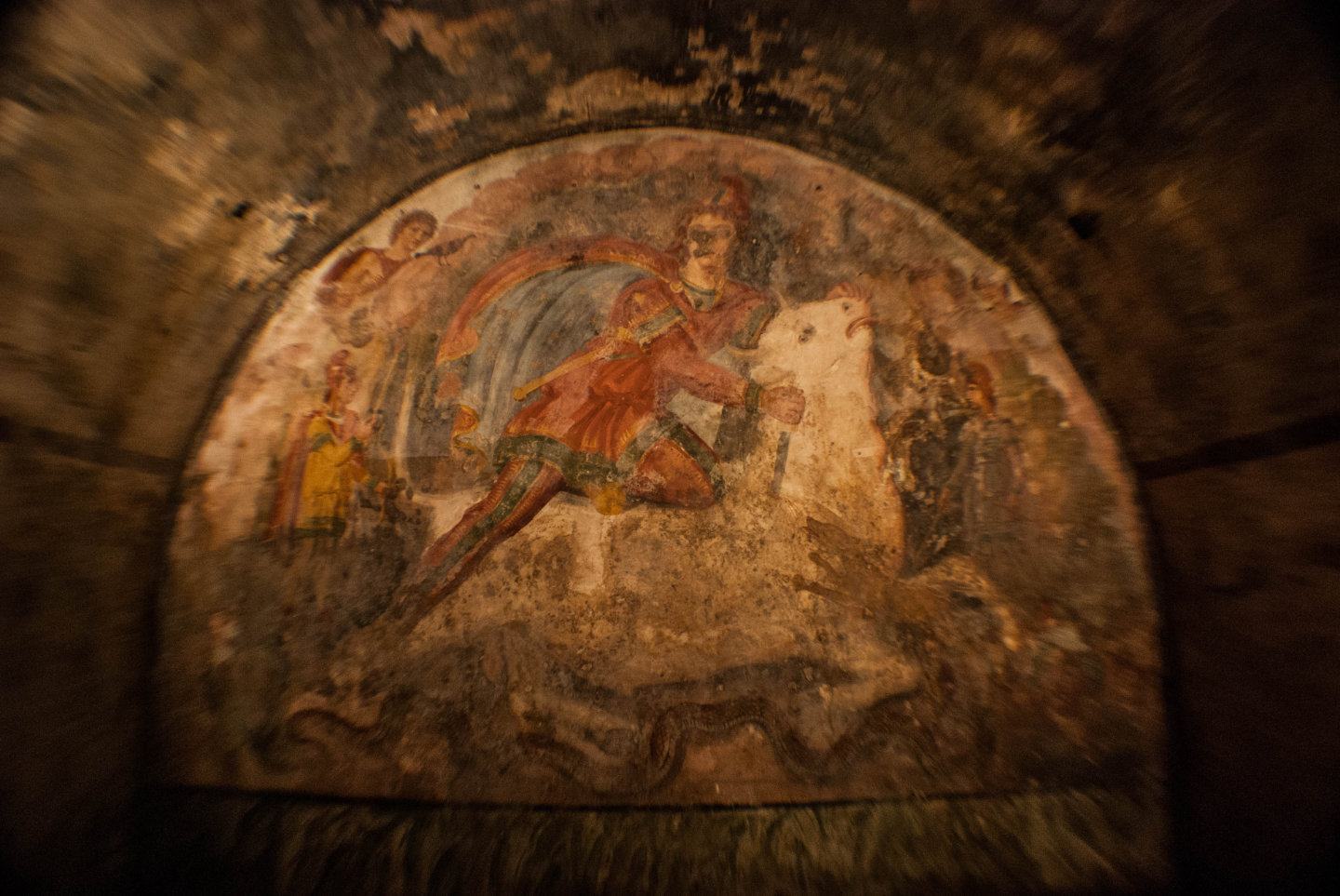
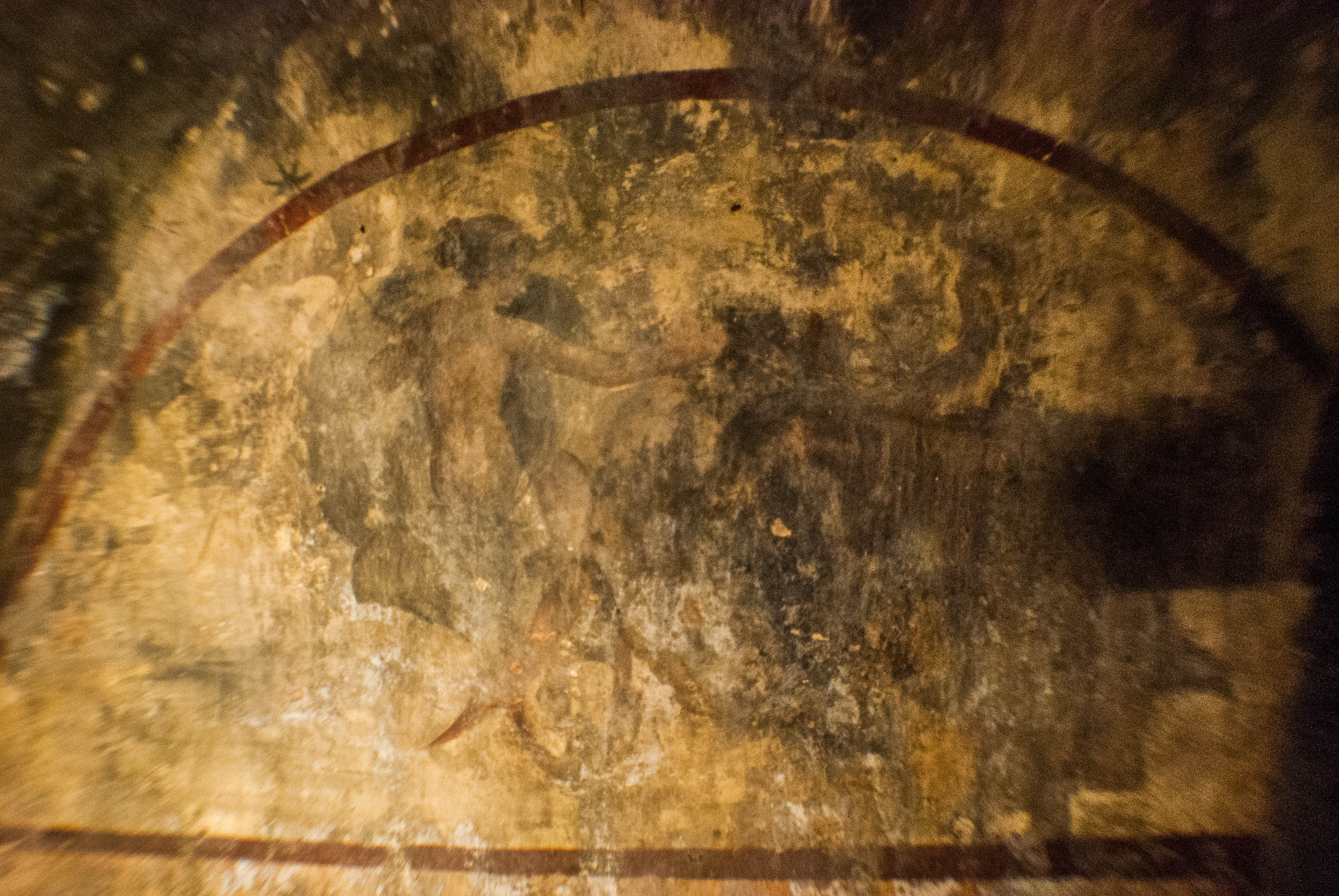
The catacomb of St. Marcellinus and Peter in Rome: Orpheus, Mithras or Jesus
Best regards
Dr D.Persoons