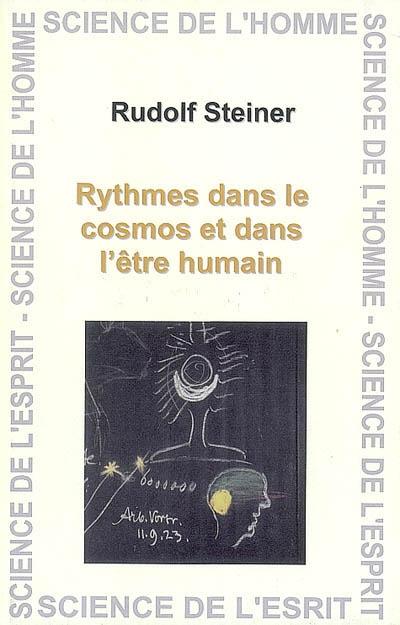
Rudolf Steiner on Cosmic Rhythms, Ancient Mysteries and the Cult of Mithras, from Druidic Ritual to Christianity and Freemasonry.

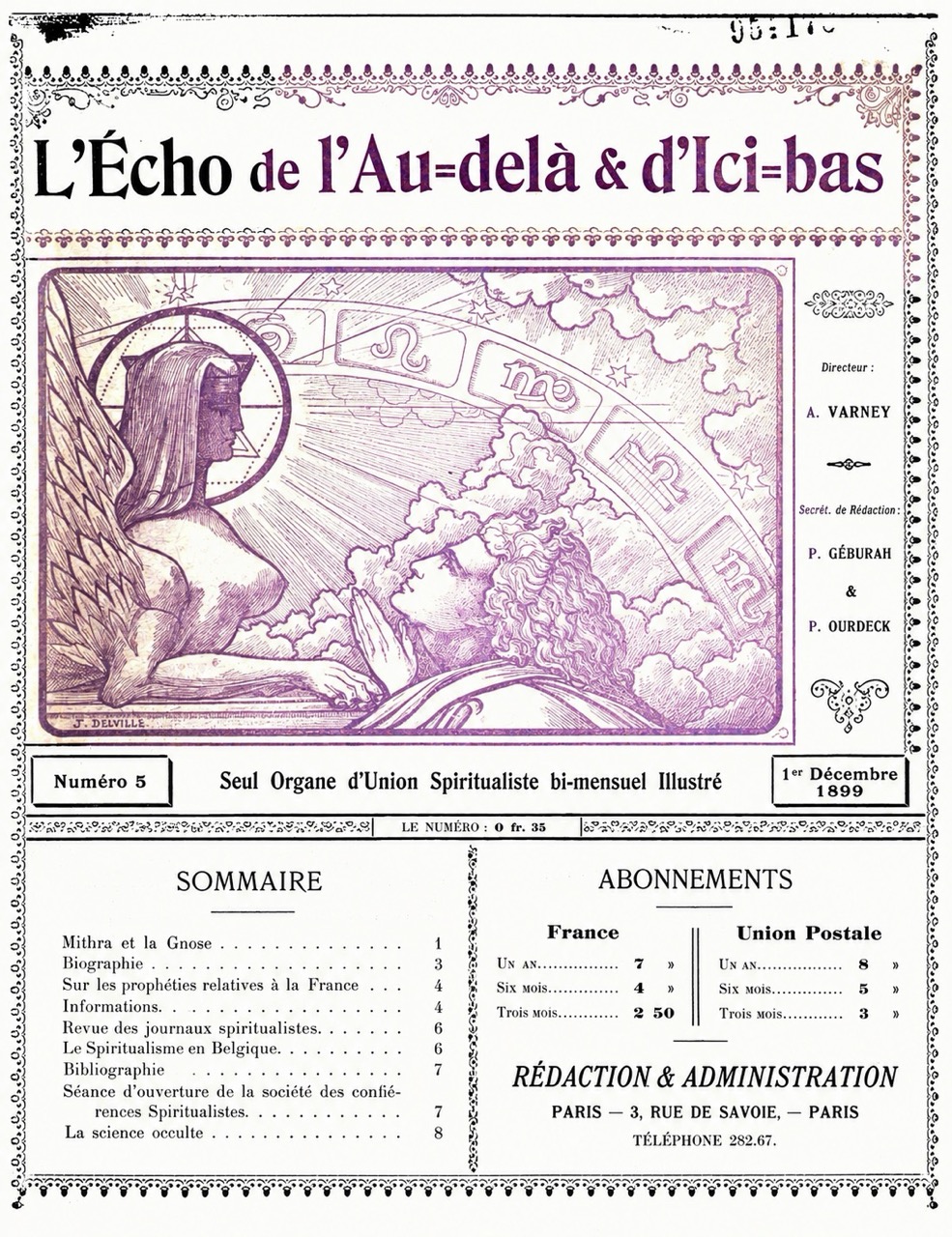
A fin-de-siècle French journal bringing together Spiritualism, occultism, Theosophy and esoteric currents under the banner of “Spiritualist Union”.

George Ryley Scott explores the significant role that male sexual organs, practices, and rites have played in various traditions throughout history and into the present day.
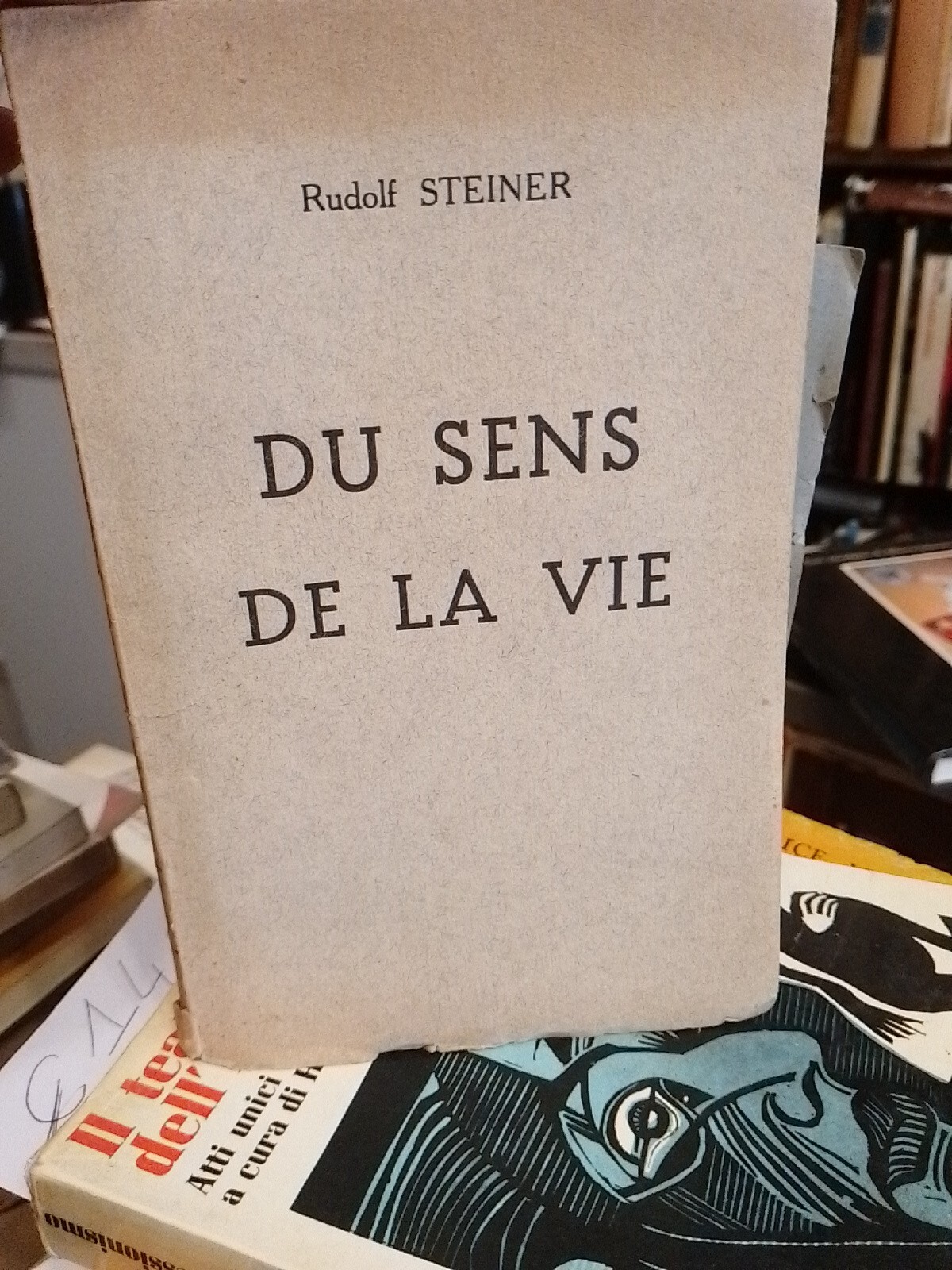
Rudolf Steiner on the meaning of human life, death and the spiritual nature of existence.

A selection of texts gathered by Ernesto Milá that reinterprets Mithraism as an initiatory, solar, and heroic cult. It includes the so-called Great Magical Papyrus of Paris, translated and commented by Julius Evola and the Ur Group.
Second volume of Vermaseren's series Études préliminaires aux religions orientales dans l'Empire romain, Mithriaca, dedicated to a small Mithraic sanctuary on the island of Ponza in the Tyrrhenian Sea.

Monograph in German dedicated to the Mithraic temple found in Virunum in 1992.
Preliminary archaeological report on the seventh and eighth excavation seasons at Dura-Europos, including the first detailed publication of the Roman Mithraeum.

A critical edition of the Mithras Liturgy (PGM IV.475–834), providing the Greek text, English translation, commentary, and an updated discussion of its interpretation since Albrecht Dieterich’s 1903 edition.

The Dionysian themed frescos of Pompeii’s Villa of the Mysteries constitute the single most important theurgical narrative to have survived in the Western esoteric tradition.

This catalogue proposes, thanks to the contributions of some 75 international experts, a new synthesis for a complex and fascinating cult that reflects the remarkable advances in our knowledge in recent decades.
A philosophical study of Iranian civilization that explores its spiritual foundations, including the legacy of Mithraic and Zoroastrian traditions, in order to reflect on Iran’s historical continuity and civilizational meaning.
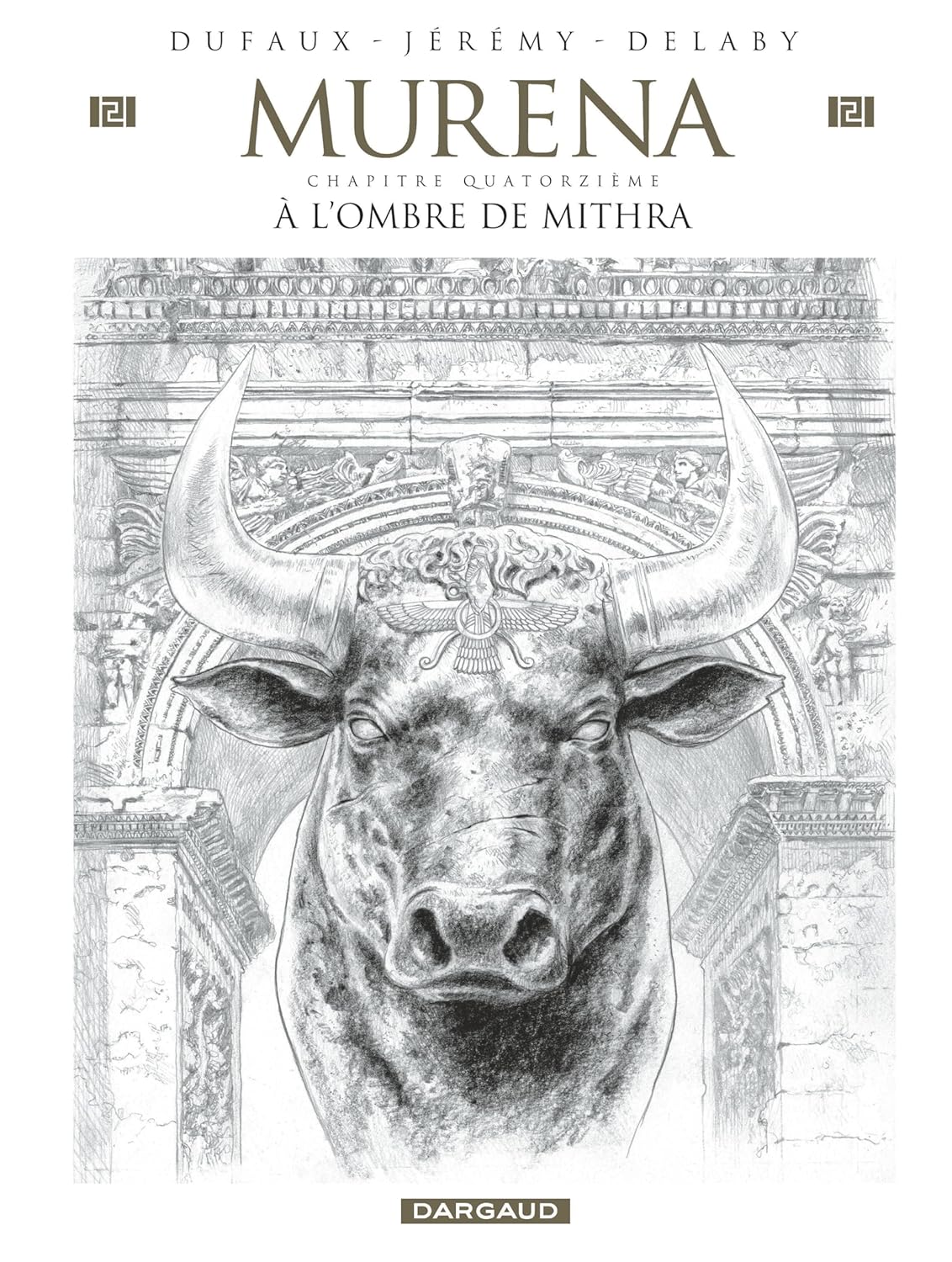
A Roman centurion investigates a ritual murder and a deadly new weapon, the Fire of Mithras, from the alleys of Lutetia to the battle of Argentoratum.