Originally published in Antaios, this interview explores a contemporary form of Mithraism combining solar worship, Neoplatonism and European identitarian thought.
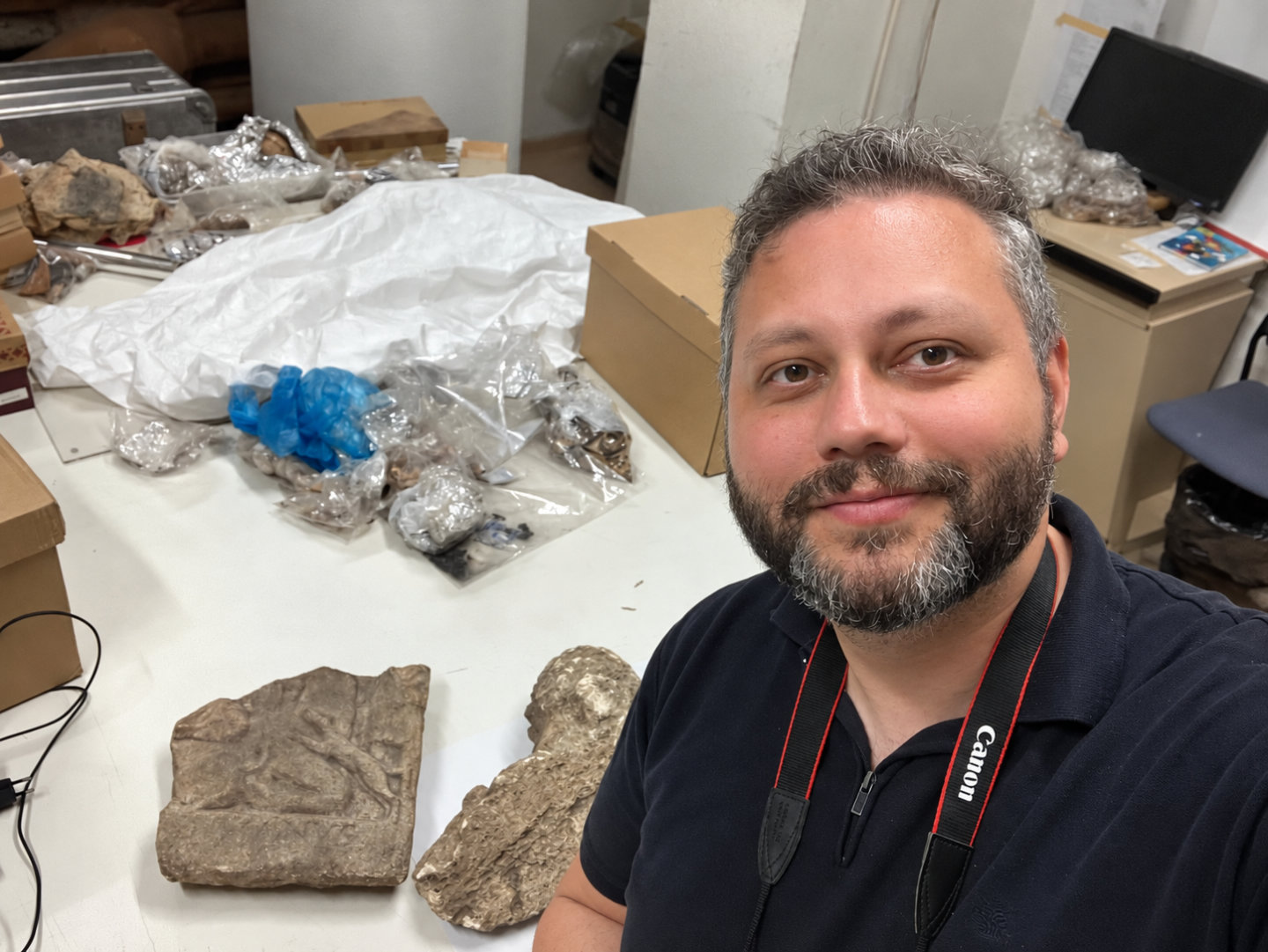
On universal traditions, local communities, initiation and ritual in the Roman cult of Mithras with Csaba Szabó.
An esoteric journey through Mithraic sanctuaries, blood symbolism, initiation, solar mysteries and the survival of the pagan spirit in the West.
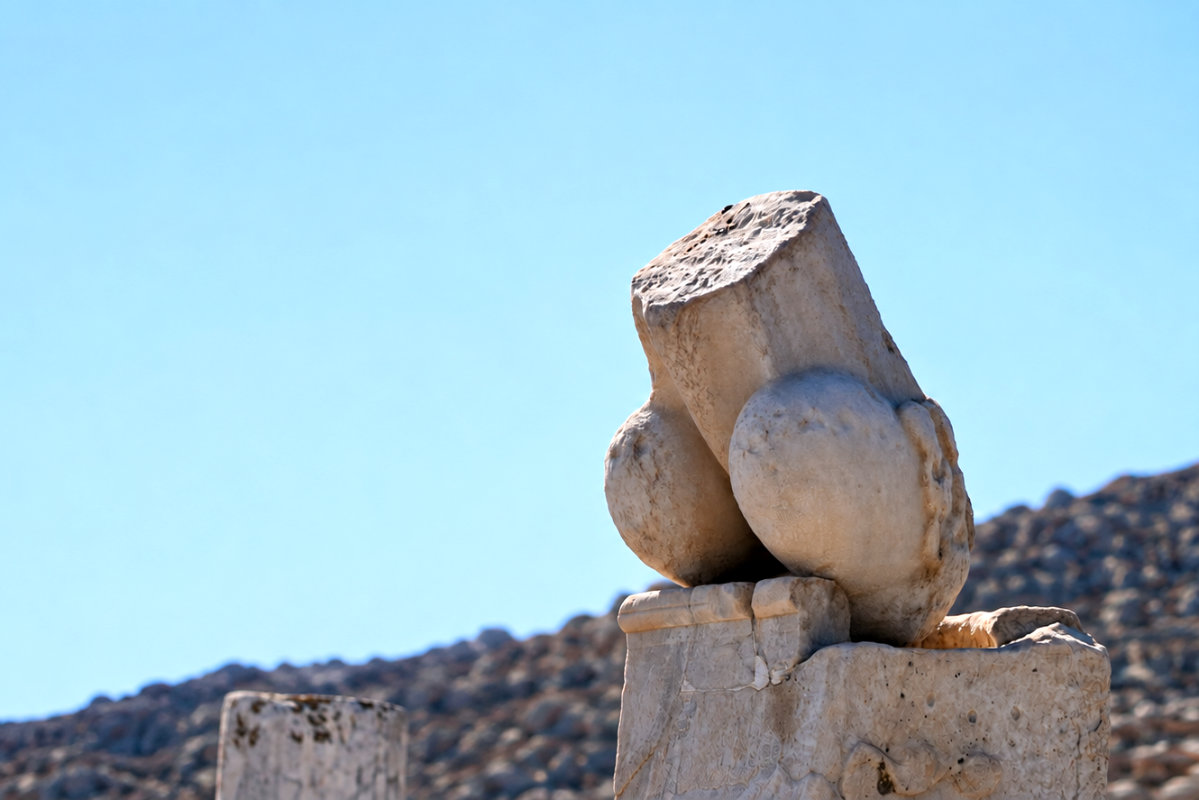
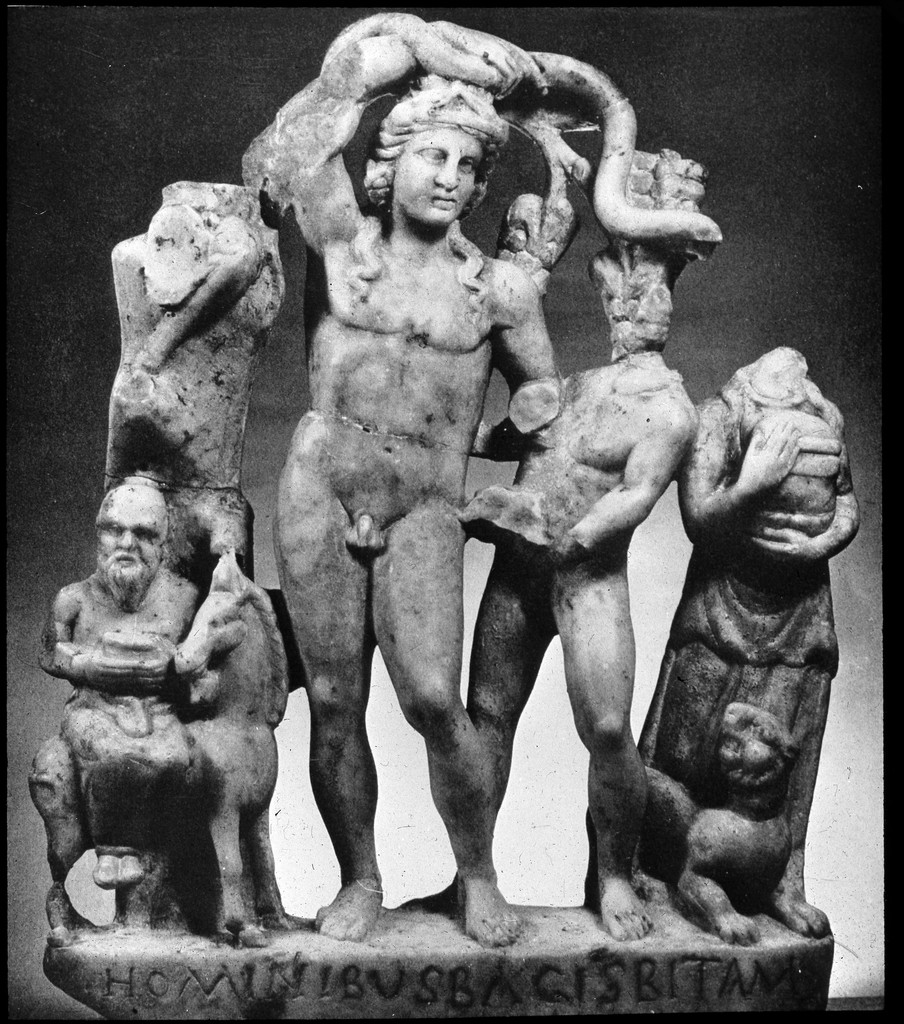
The sacred phallus in ancient and contemporary religion, from the Shiva linga and the cult of Priapus to Roman phallic symbolism, the curious but suggestive case of the Mithras cult at Tiddis and the modern idea of phallicism.
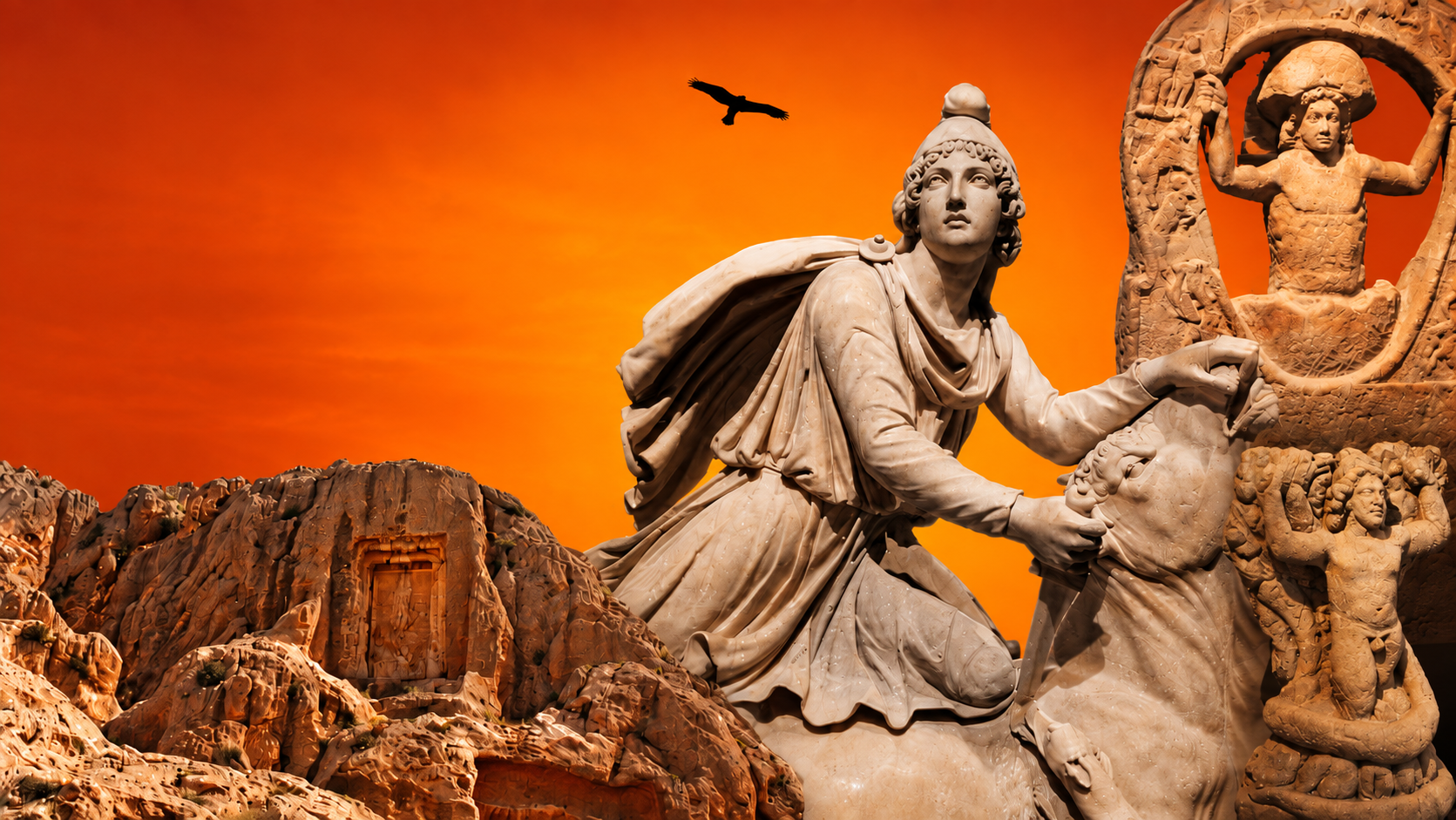
A flaw in the dominant narrative or just the usual genealogy?
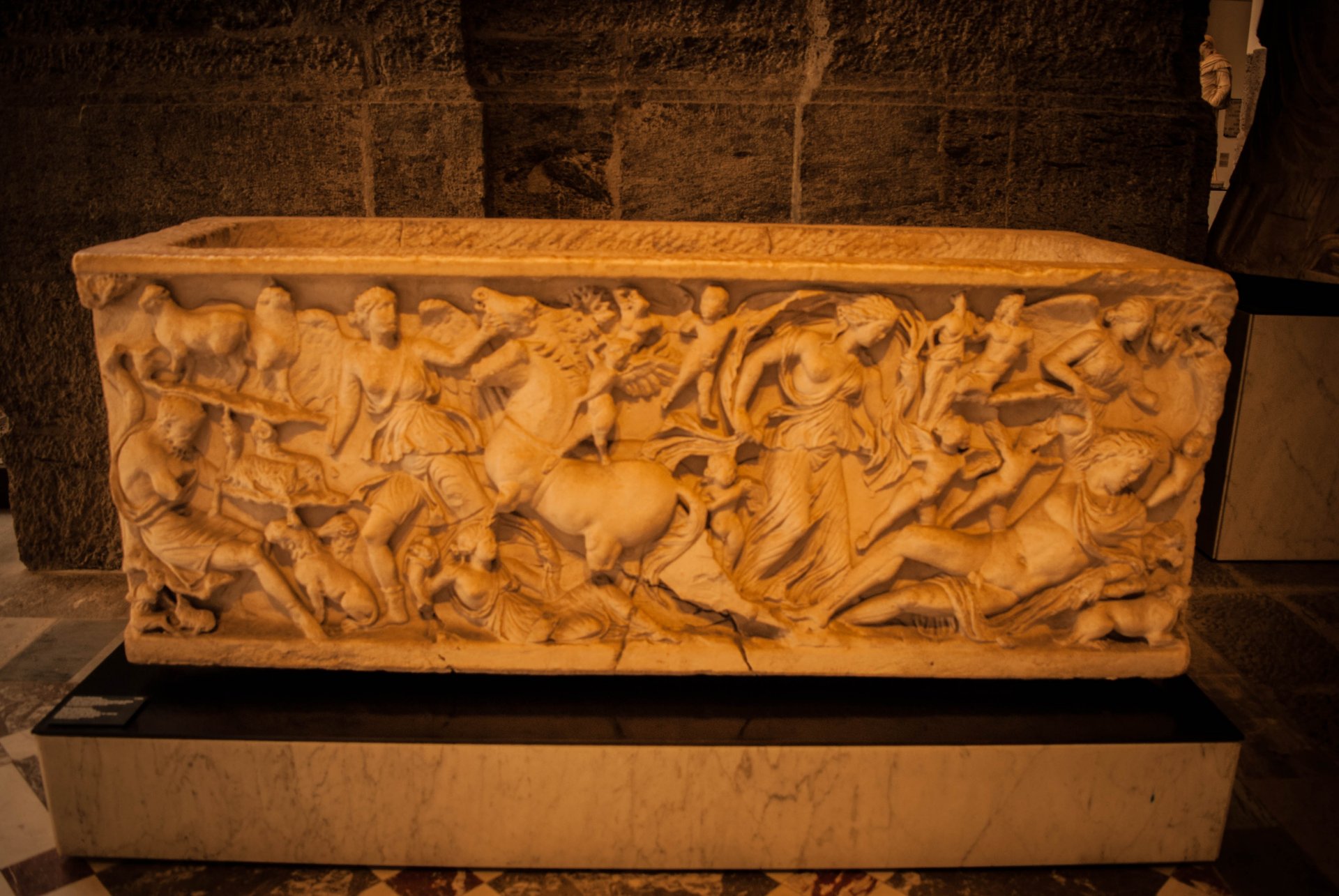
A theological experiment in Neo-Platonic realism, theology of arithmetic, and teleological metamorphoses of powers in the divine, terrestrial, and chthonic worlds across the cosmic symphony.
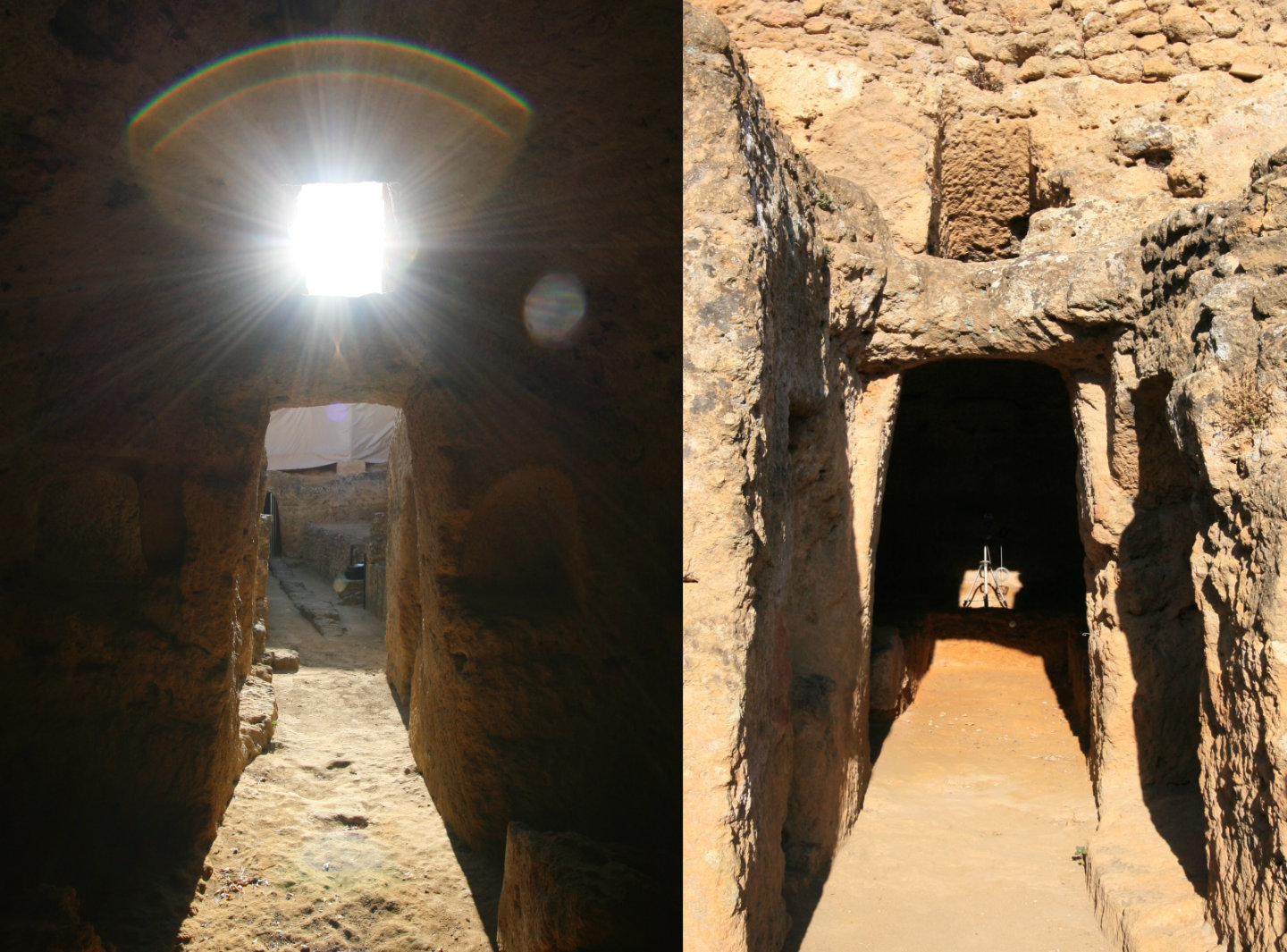
Arguments for interpreting the Tomb of the Elephant as a Mithraeum based on architectural archaeology, digital surveying and archaeoastronomy.
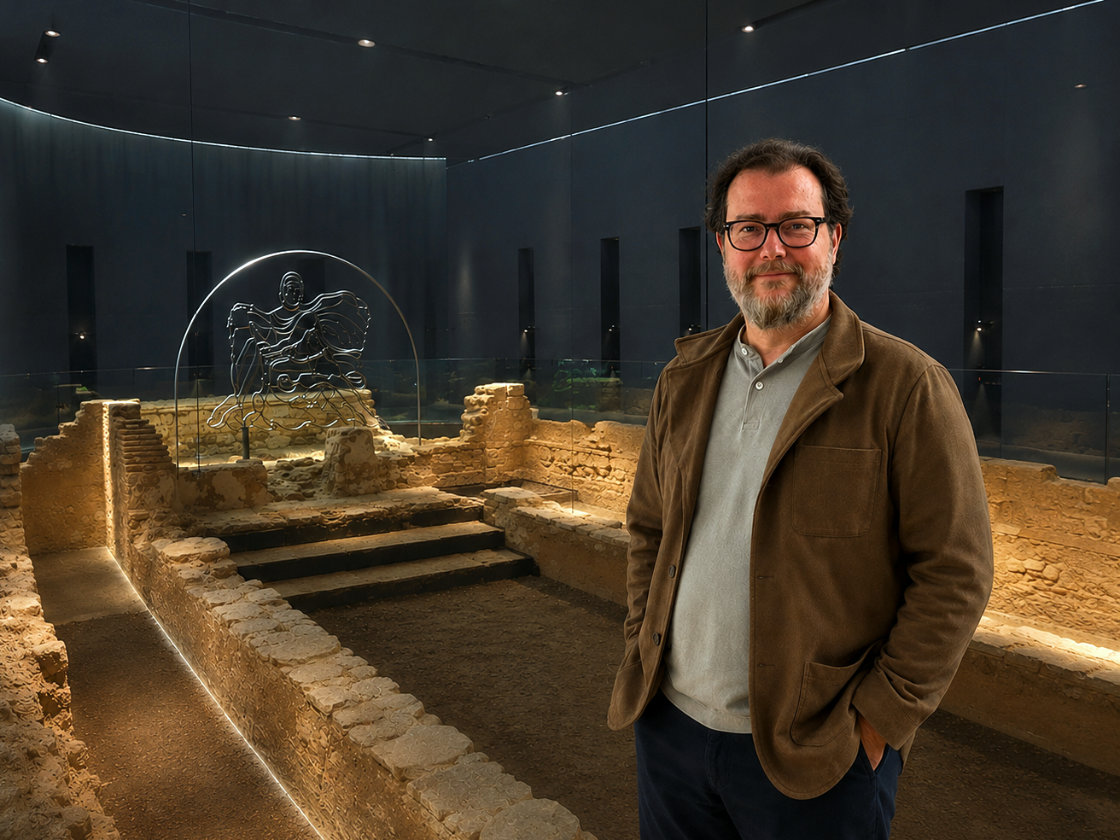
We speak with Israel Campos Méndez about questions that continue to divide scholars: what links the Indo-Iranian Mithra to the deity worshipped in the Roman Empire, and what do we really know about the origins of Roman Mithraism?
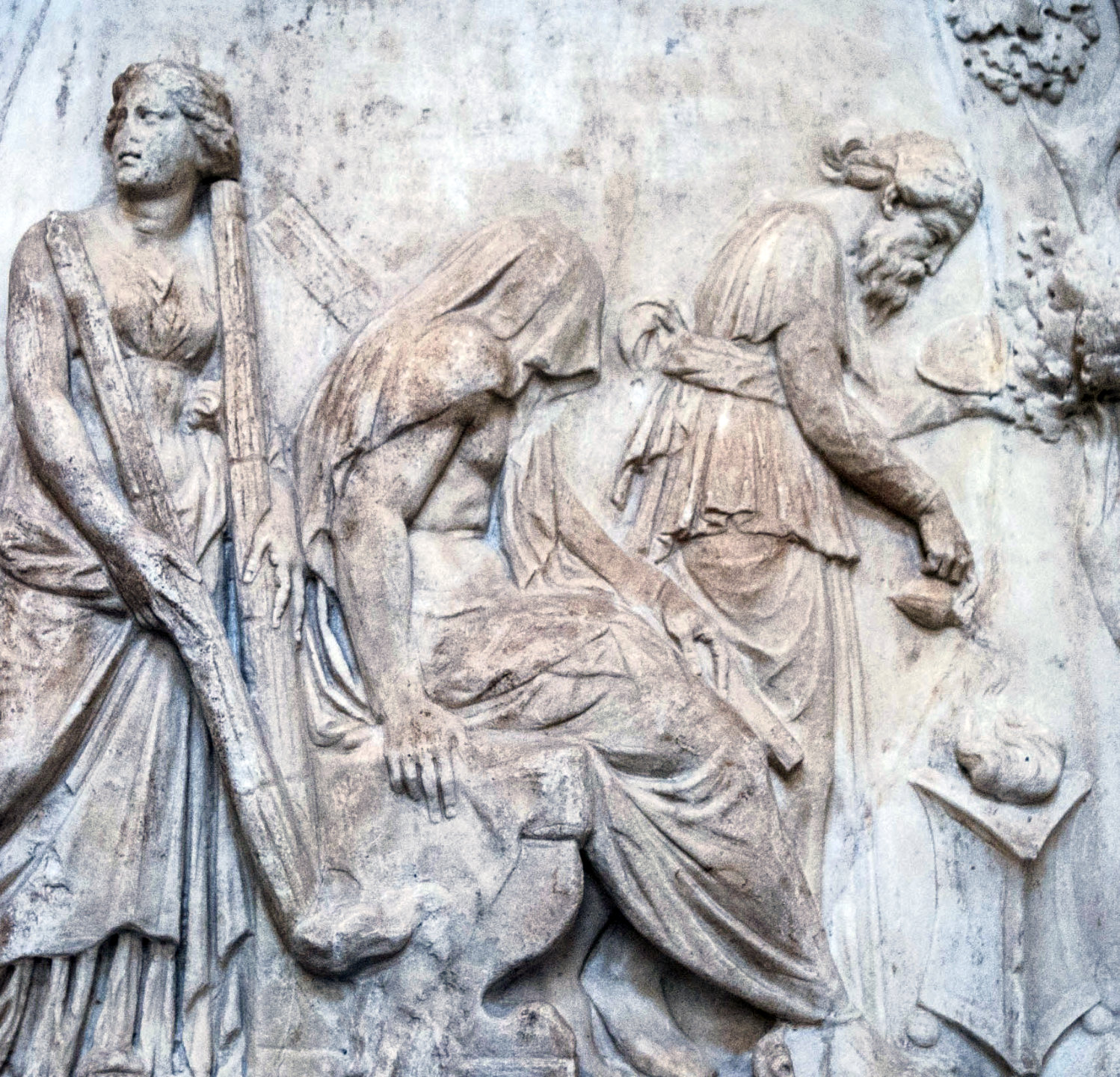
Labors of Hercules as planetary zodiacal initiations: model mystagogy. The alchemy of Herculean labors.
Lenni George on Hekate’s development across ancient traditions, from mystery cults to magical practice and philosophical thought.