Tracing the links between the cult of Mithras and the Proud Boys’ quest for identity, power, and belonging. How ancient rituals and brotherhood ideals resurface in radical modern movements.
Notitiae
Lenni George on Hekate’s development across ancient traditions, from mystery cults to magical practice and philosophical thought.
On what Hekate’s name may or may not tell us, and why the uncertainty matters.
At Rome’s twilight, amid political upheaval and Christian ascendancy, Vettius Agorius Praetextatus embodied pagan intellect, virtue, and authority across senatorial, military, and mystical spheres.
By reading Orphic theology together with Eleusinian ritual practice, the mysteries emerge as a structured mystagogy of transformation:…
Introductio
Press clips
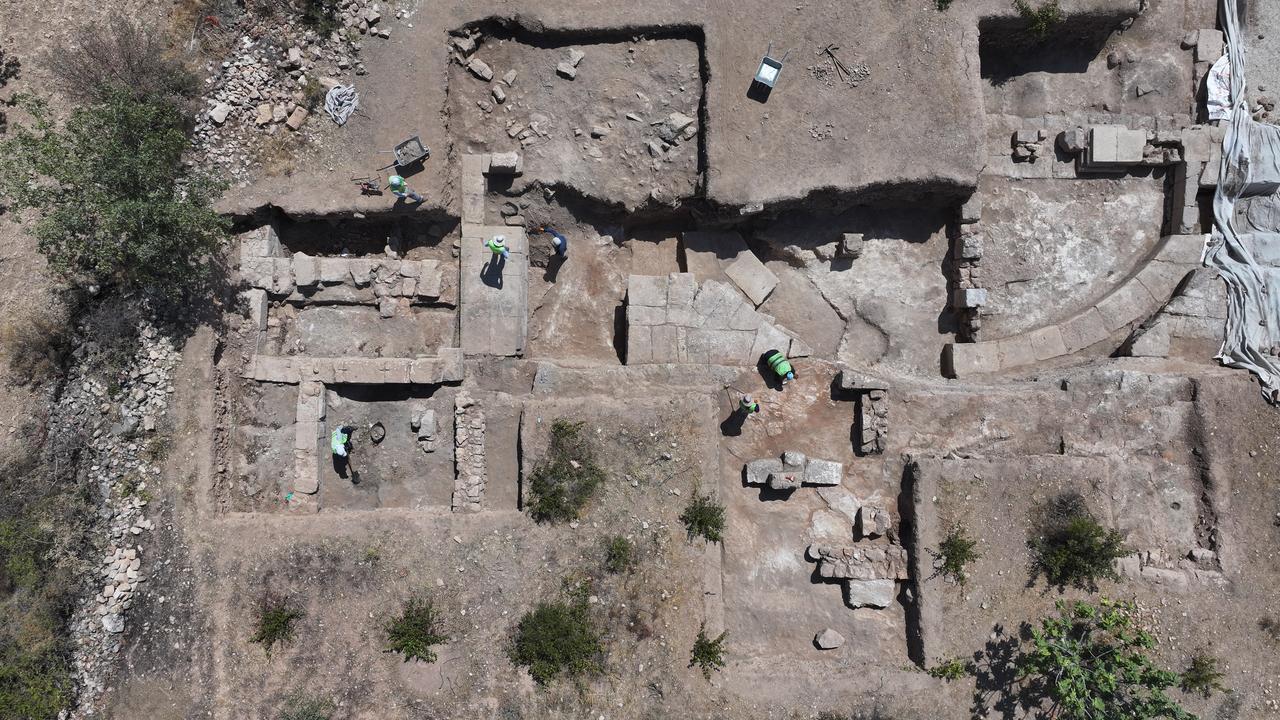
Archaeologists at Doliche are now excavating houses around the vast Mithras temple to learn how people lived beside the sanctuary.
Newsroom
The Mysteries of Mithras is an independent Initiatic Order which is inspired by and uses the allegory of the lost and ancient Mithraic Mysteries also known as Mithraism a previously influential Roman Cult of the same name.
Mysteriesofmithras/sandbox

Over the last century or so, a great deal has been said about the god Mithras and his mysteries, which became known to the European world mainly through his Roman cultus during the Imperial Period.
P Sufenas Virius Lupus
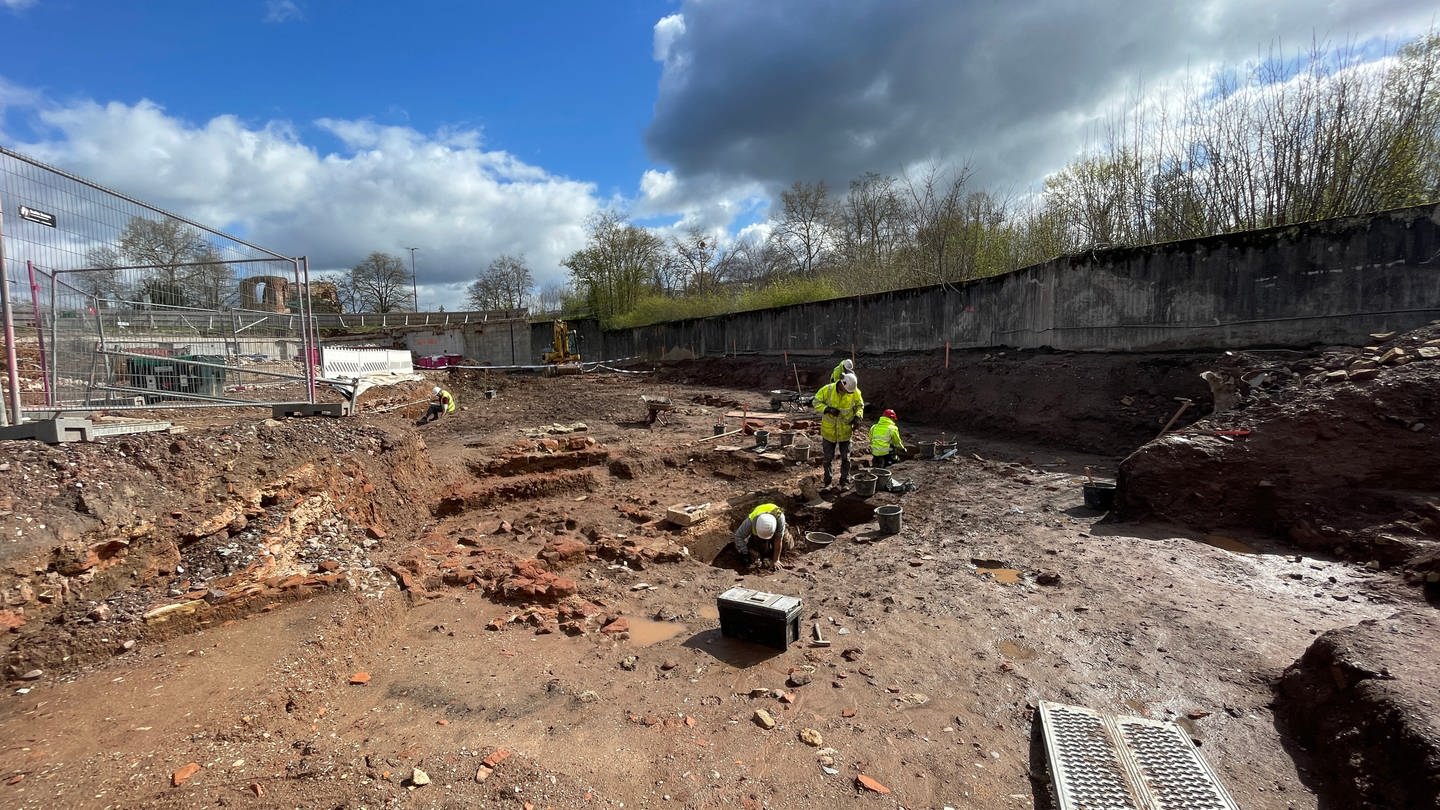
A place of worship for the Roman god of light Mithras was discovered during archaeological excavations in Trier. This includes a larger relief.
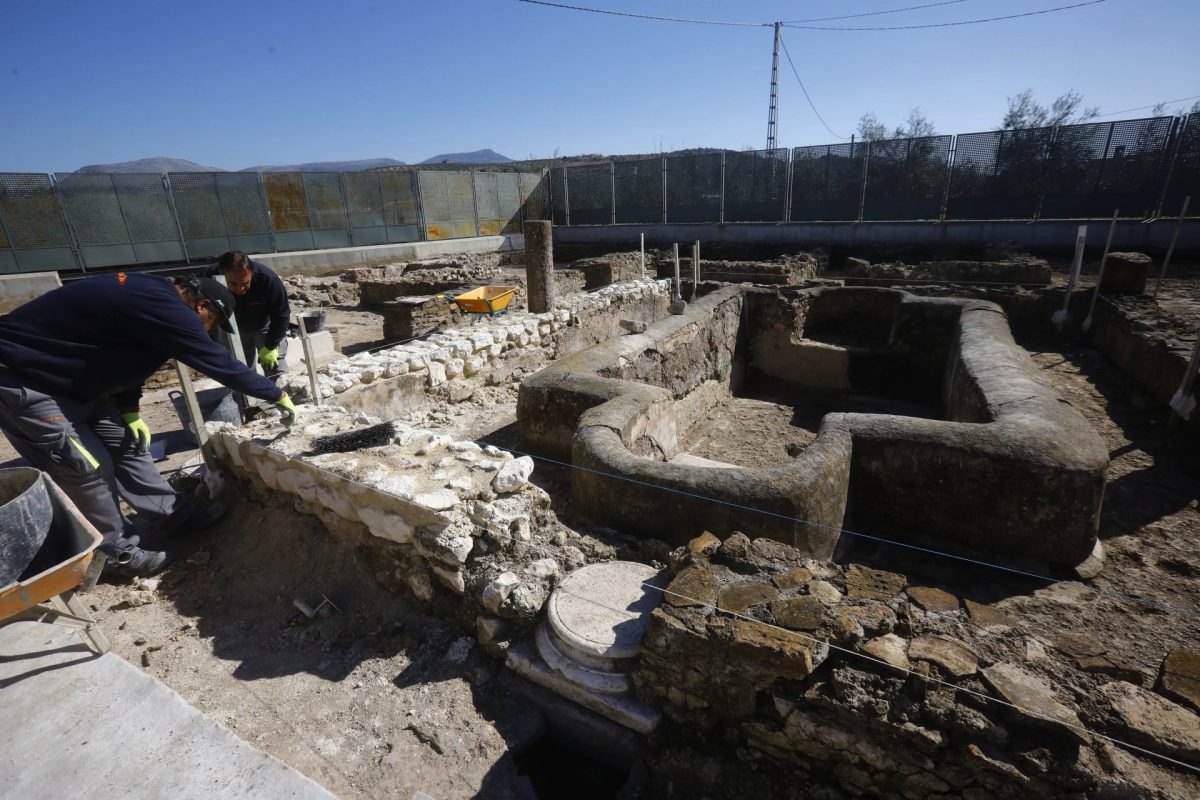
Las excavaciones llevadas a cabo en el yacimiento arqueológico romano de la villa de Mithra, en Cabra (Córdoba), han deparado el excepcional hallazgo de un mitreo, o zona destinada al culto al dios Mithra, cuya estatua fue descubierta hace unos 70 años.
Agencia
The few remains of the Mithraeum of Gimmeldingen are preserved at the Historical Museum of the Palatinate, in Speyer, Germany.
Mithraeum discovered in 1887–1888, located about 85 m north of the castellum at Ober-Florstadt, built on a hillside with a central aisle, benches, and an altar podium.
Mithraeum III in Ptuj was built in two periods: the original walls were made of pebbles, while the extension of a later period was made of brick.
There are references to two places of worship from Dieburg, whereby the Mithraeum, discovered in 1926.
Altar of Castlesteads
Altar to Luna from Gimmeldingen
Mithras carrying the bull
Inscription of Pylades from Angers
Castor-vase of St Albans
Bust of Aion of unkown origine
Tauroctony from Reșca
Tauroctony relief from Oescus
Tauroctony from the Collezione Torlonia
Sententia
comment 1
on XXX XXX XXX
Hello I am currenty conducting a research about the widespread of Mithraism in Asia Minor and…
Hoş geldin Sercan. Kendini evinde hisset!
on Sercan
Sorry, am disabled so marching round a museum has to be a limited event. But if I am going will let you know.
on Beth
comenatnouevo
on a post
Salve Martin and welcome to The New Mithraeum! Feel free to share your website for anyone interested in your great project!
on Martin
I kinda see a pineapple...
Excellent idea, Matthew. Count on us!
on a post
The Two Gates: Thank you very much for sharing this Dominique. Traditionally…
on Mithraeum at Santa Maria Capua Vetere. Revisited in February 2026
Libri