The New Mithraeum
25 Oct 2023
Updated on May 2026
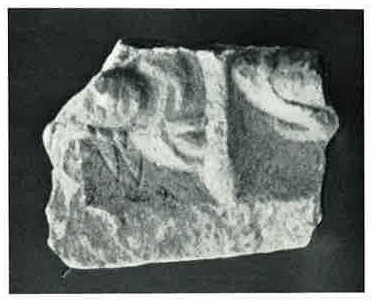
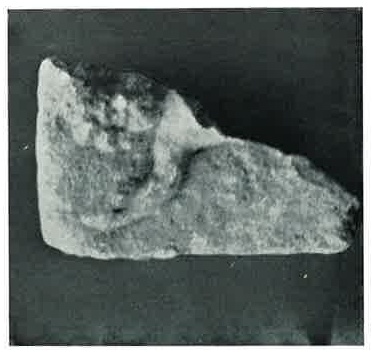
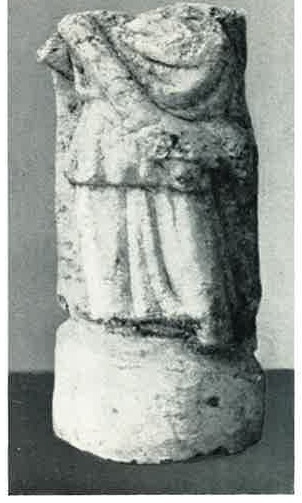
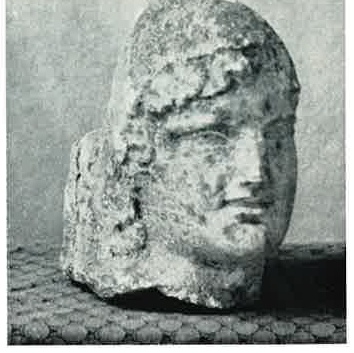
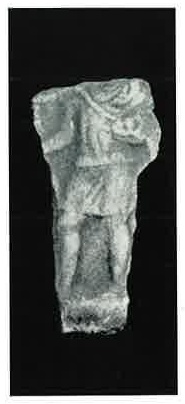
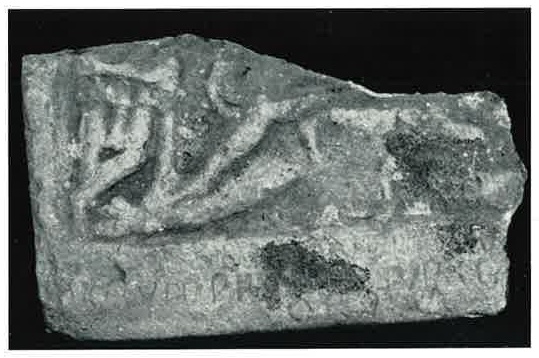
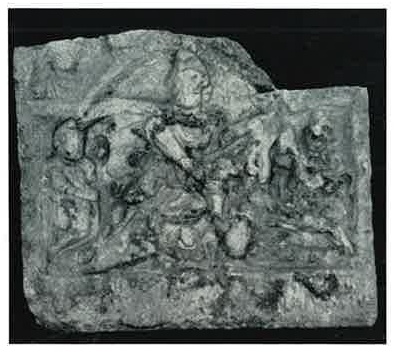
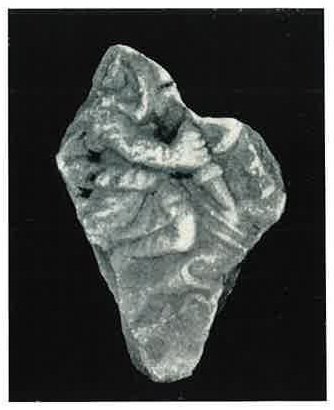
Fragments of the greater marble cult-relief.
Abramic in Jahrb. f. Alt. VII 1913 Taf. XXIV 5; Führer 74f with fig. 16. See fig. 386.
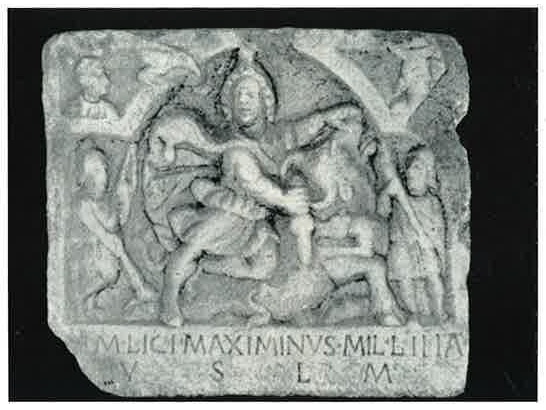
The relief represented Mithras as a bull-killer, as small remnants of Mithras’ flying cloak and a fragment (inv. No. 145) of his dressed thigh (H. 0.19) were found again. Two other fragments of the grotto seem to belong to the same relief.
The insides of two fragments which are grotto-like show four scenes and form parts of the r. side of the relief.
The greater part (Inv. No. 166; H. 0.55 Br. 0.24 D. 0.05) shows from bottom to top:
1) The upper parts of…
Abramic in Jahrb. f. Alt. VII 1913 Taf. XXIV 5; Führer 74f with fig. 16. See fig. 386.
The relief represented Mithras as a bull-killer, as small remnants of Mithras’ flying cloak and a fragment (inv. No. 145) of his dressed thigh (H. 0.19) were found again. Two other fragments of the grotto seem to belong to the same relief.
The insides of two fragments which are grotto-like show four scenes and form parts of the r. side of the relief.
The greater part (Inv. No. 166; H. 0.55 Br. 0.24 D. 0.05) shows from bottom to top:
1) The upper parts of…
The full article is reserved for our members.
Log in or create a free account to access the entire site.