The New Mithraeum
24 Aug 2021
Updated on Feb 2022
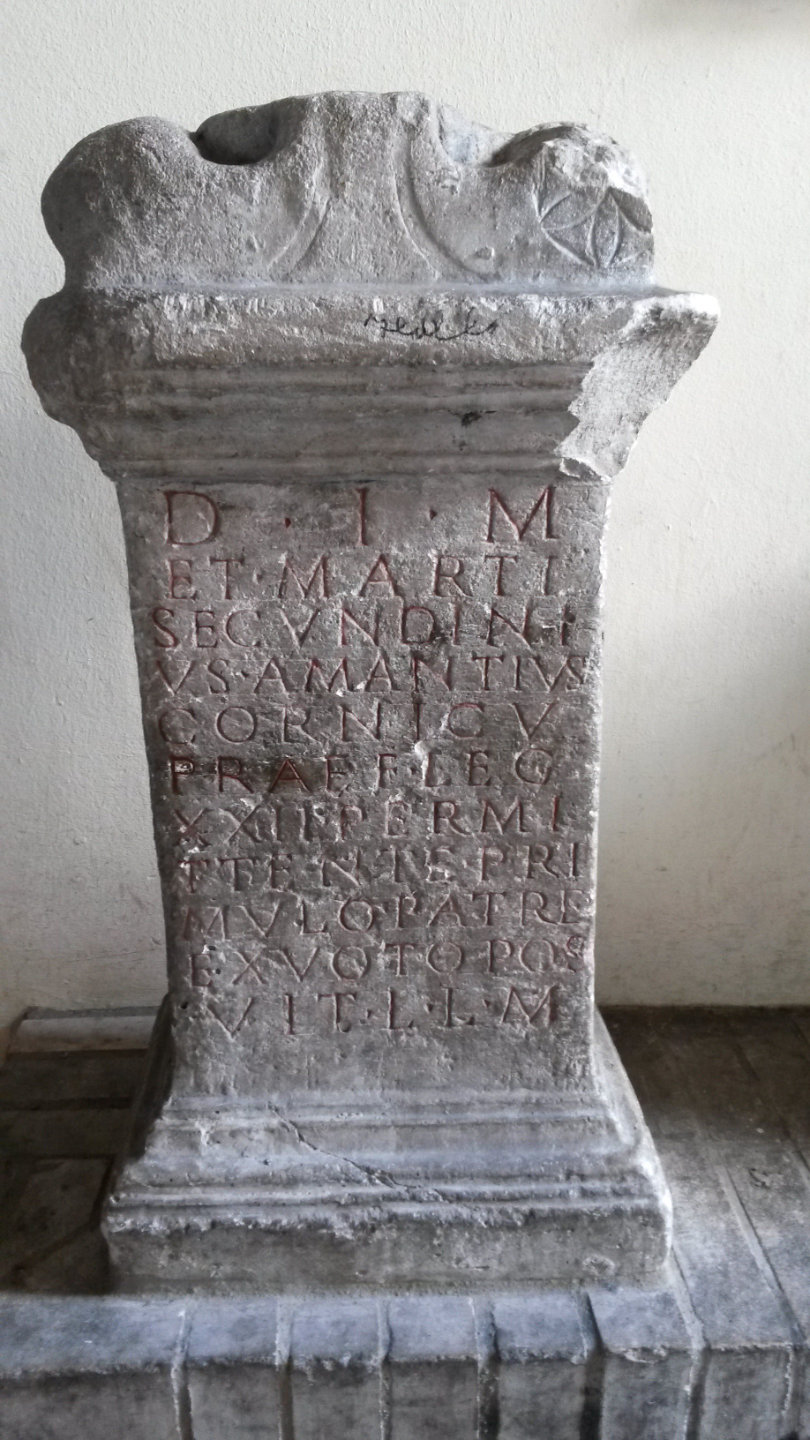
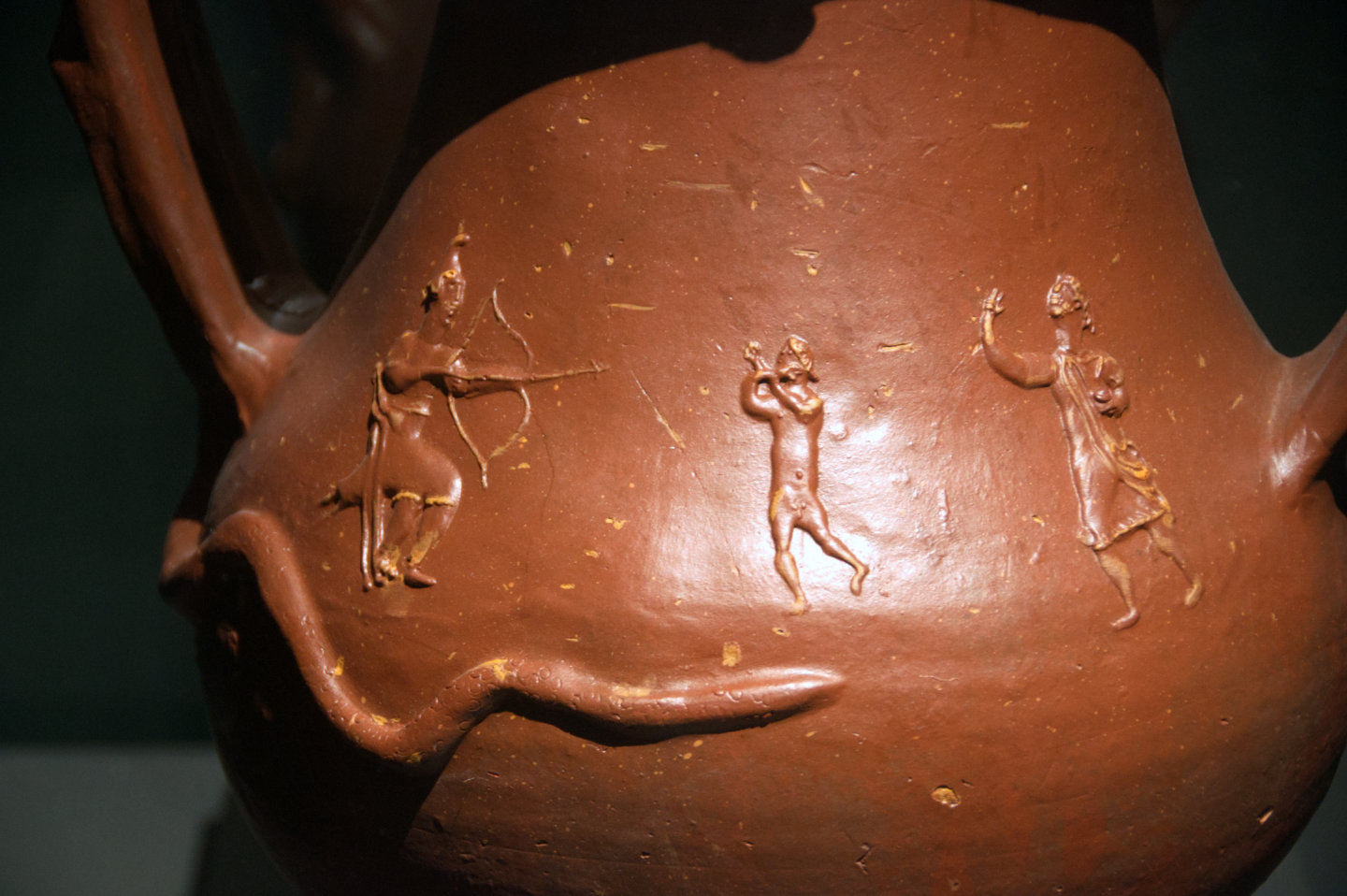
The mithraeum in Praesenzgasse/Ballhausplatz im Mainz, which was destroyed in the course of construction work on site, belongs to the class of spectacular finds that were, unfortunately, never properly documented. Rectangular in form, it was roughly twenty-two meters long, with a three-meter-wide aisle running down the middle. Including the arc, measurements of which can no longer be estimated, the sanctuary would have measured some thirty meters in length, making it one of the largest sites of the Mithras cult in the Roman world. Findings include two Mithras altars dating to Severan times, two large…
The full article is reserved for our members.
Log in or create a free account to access the entire site.