The New Mithraeum
20 Sept 2023
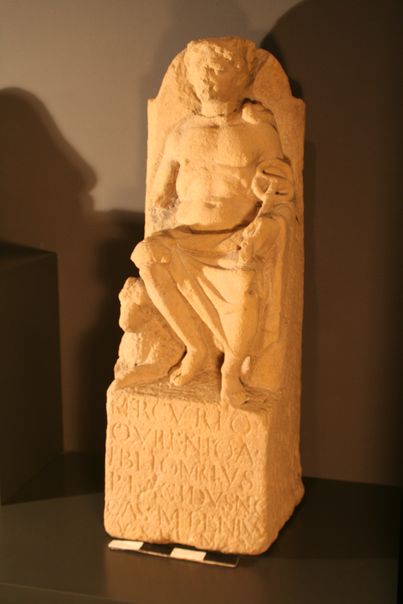
The Roman settlement of Groß-Gerau was an important junction on the long-distance route from Mainz, the capital of Upper Germany, to Passau and from Nierstein to the Odenwald. A votive stone for the gods of the road, found in the district of Auf Esch, points to this road.
Around the year 70, shortly after the beginning of the reign of Emperor Titus Flavius Vaspasian, the first sod was turned for a new fort. At first it was a wooden fort, and about 15 years later a stone fort, in the immediate vicinity of which the people who followed the army settled. These included soldiers' families, craftsmen and innkeepers…
Around the year 70, shortly after the beginning of the reign of Emperor Titus Flavius Vaspasian, the first sod was turned for a new fort. At first it was a wooden fort, and about 15 years later a stone fort, in the immediate vicinity of which the people who followed the army settled. These included soldiers' families, craftsmen and innkeepers…
The full article is reserved for our members.
Log in or create a free account to access the entire site.