The Corax grade: ritual, symbolism and initiation
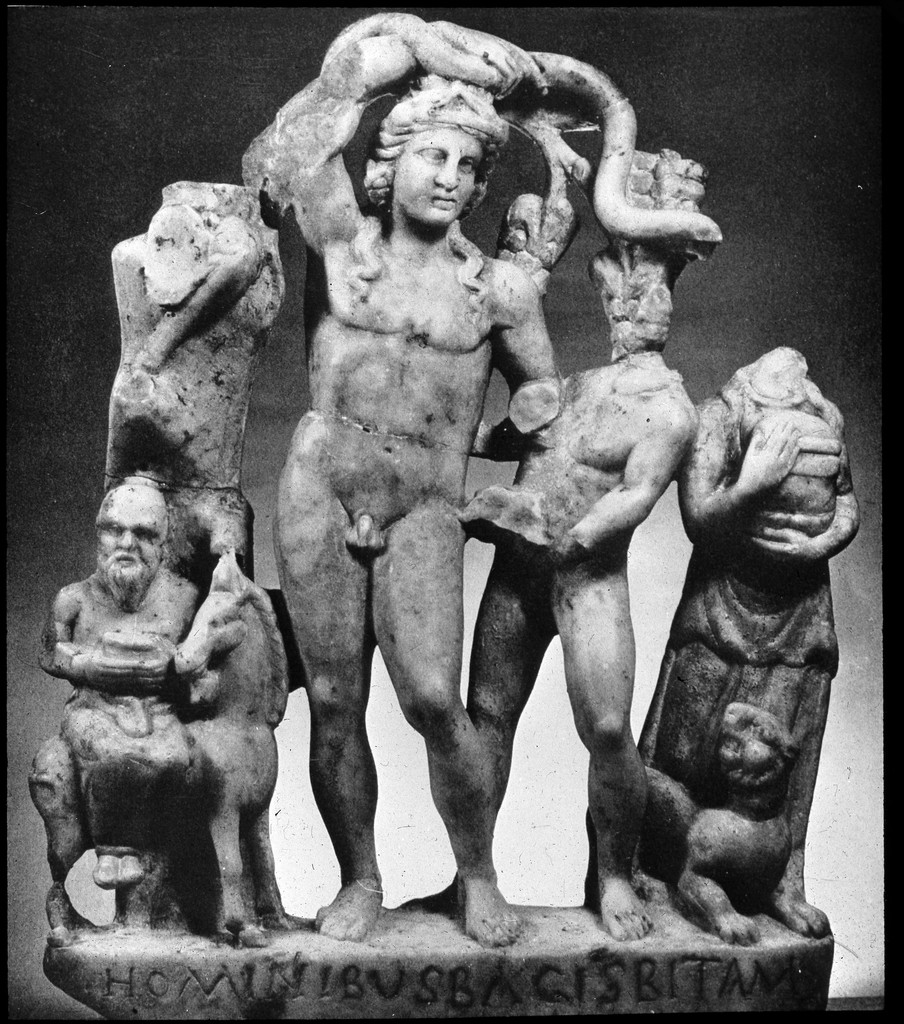
In Greek mythology, the raven was a servant of Apollo. The god sent it with a cup to fetch water, but the bird delayed its return while waiting for a fig near the spring to ripen. When it finally returned, it brought back the cup together with a water snake, claiming that the snake had prevented it from completing its task on time. Apollo, knowing that the raven was lying, cast all three into the heavens as the constellations Corvus (the Raven), Crater (the Cup), and Hydra (the Water Snake). As punishment, he condemned the raven to perpetual thirst: although the Cup lies close by in the sky, Hydra stands between them and prevents the bird from drinking.
Initiation into the Mysteries
Vermaseren (1963), pp. 129–137
Several features of the Mithraic initiation ceremonies, by which the novice was integrated into the community, are to be found among the primitive peoples of Australia, Africa and America today. Among these tribes initiation generally takes place at puberty. After severe trials to test the youth’s courage and stamina, he is admitted into a secret society, religious or otherwise. He is separated from the fond attentions of his mother and must thenceforward stand on his own. In short, from an adolescent he becomes a man and acquired not only certain rights but also an equivalent set of duties. After this ordeal he belongs to the ‘club’ and has to safeguard its secrets carefully, for they must never be divulged to outsiders, least of all to women. As members of one large family, the initiates will assist each other and will in their turn be helped by their guardian deity both in this life and in the life to come—if they believe that there is such a life.
It is practically certain that those who were going to be initiated into the Mithras cult were first instructed for a certain period as novices of some kind as preparation for the solemn ceremony to come. For this purpose they had to address themselves to the leader of the Mithraic community (Tertullian, Apol. 8: ‘Atquin volentibus initiari moris est, opinor, prius patrem illum sacrorum adire, quae praeparanda sint describere’ [‘Those wishing to be initiated are accustomed, I believe, first to approach the Father of the sacred rites, who tells them what preparations must be made’]; Ad Nat., i, 7: ‘Sine dubio enim initiari volentibus mos est prius ad magistrum sacrorum vel patrem adire’ [‘Without doubt, those wishing to be initiated are accustomed first to approach the master of the sacred rites or the Father.’].) Unfortunately the nature of this training is unknown. It may be that the myths of the origin of the universe and of the creation of the world and of man were explained, or that the novices were taught the sacred hymns and chants or even the liturgical language. The secrecy which is characteristic of the cult makes it improbable that so much would have been revealed to a layman, although it is quite possible that a more or less official explanation was given to the initiate concerning the elementary principles, which would have been in the nature of an open secret by contrast with the jealously guarded secrets of the actual proceedings at the ceremonies.
Father Nolan, to whom we owe the thorough investigation of the Mithraic sanctuary under San Clemente in Rome, thought it even possible to speak of a Mithraic ‘school’. Next to the entrance hall of this Mithraeum, which is found deep under the ground in a room attached to a distinguished Roman house, lies a small hall with seven niches in the wall. There were also some paintings and, what was of the greatest interest to the excavator, a brick platform along three sides. The niches would seem to indicate the worship of the seven planets and the platforms could have served as a sort of school desk, where the pupils sat listening to their teacher. Nevertheless, the paintings in this room do not seem to point to the Mithraic cult, and it is still very doubtful if this small hall, which was connected by a door to the entrance hall of the sanctuary, was used for the service. It is just as likely that it was a simple meeting-place.
Neither written nor archaeological evidence has been found to tell us more about the form of preparation for initiation, but about the initiation proper we have fortunately some scraps of information. A Florence papyrus gives these details1:
In the name of the god, who has divided the earth from the heavens, light from darkness, the day from night, the world from chaos, life from death and creation from destruction, beyond all doubt and in sincere good faith I swear to observe the secrecy of the mysteries, which will be bestowed on me by the most God-fearing Father Serapion and by the most venerable hallowed Herald Ka(merion?), to whom this task falls, and by my fellow initiates and most beloved Brethren. For which cause being true to my oath, I hope for all prosperity, but I commit myself also to all things contrary should I disclose any of this.
Thus before his initiation the initiate had to take a solemn oath, a sacramentum, that he would reveal nothing of what was to be imparted to him. We learn, moreover, that the initiation was performed by two dignitaries, who possessed the title of Father and Herald. After the ceremony he would be considered the brother (frater) of the other initiates and the son of the Father. The text goes on to tell us that in order to be recognised by the Father, he has to be tattooed, in other words branded on both hands. On several portraits, even on portraits of emperors, these tattoo marks are clearly visible, but on the forehead, in place of the hands.
The initiates had first to undergo severe trials, and a number of fragmentary scenes, preserved in the grotto at Capua, convey to us something of the fears they experienced. In one of the scenes a mystagogus in charge of the initiates, dressed in a white tunic with red borders, is pushing a naked initiate by the shoulders (Fig. 51). The novice has his eyes bound; he is still blind and cannot yet see the secrets of the mysteries. Very unsteadily and slowly he advances with his hands outstretched, not knowing where his guide is going to take him. Next we see him still blindfolded, with hands clasped, kneeling in front of the mystagogus while behind him a priest is approaching with a sword or stick. In another representation the novice is kneeling on one knee with a sword on the ground beside him, and this time the mystagogus is standing behind him and placing both hands on his head (Fig. 52). There are other people present at this ritual, but their function is obscure. Elsewhere the novice is lying on the ground as if dead, presently to be given symbolic new life.
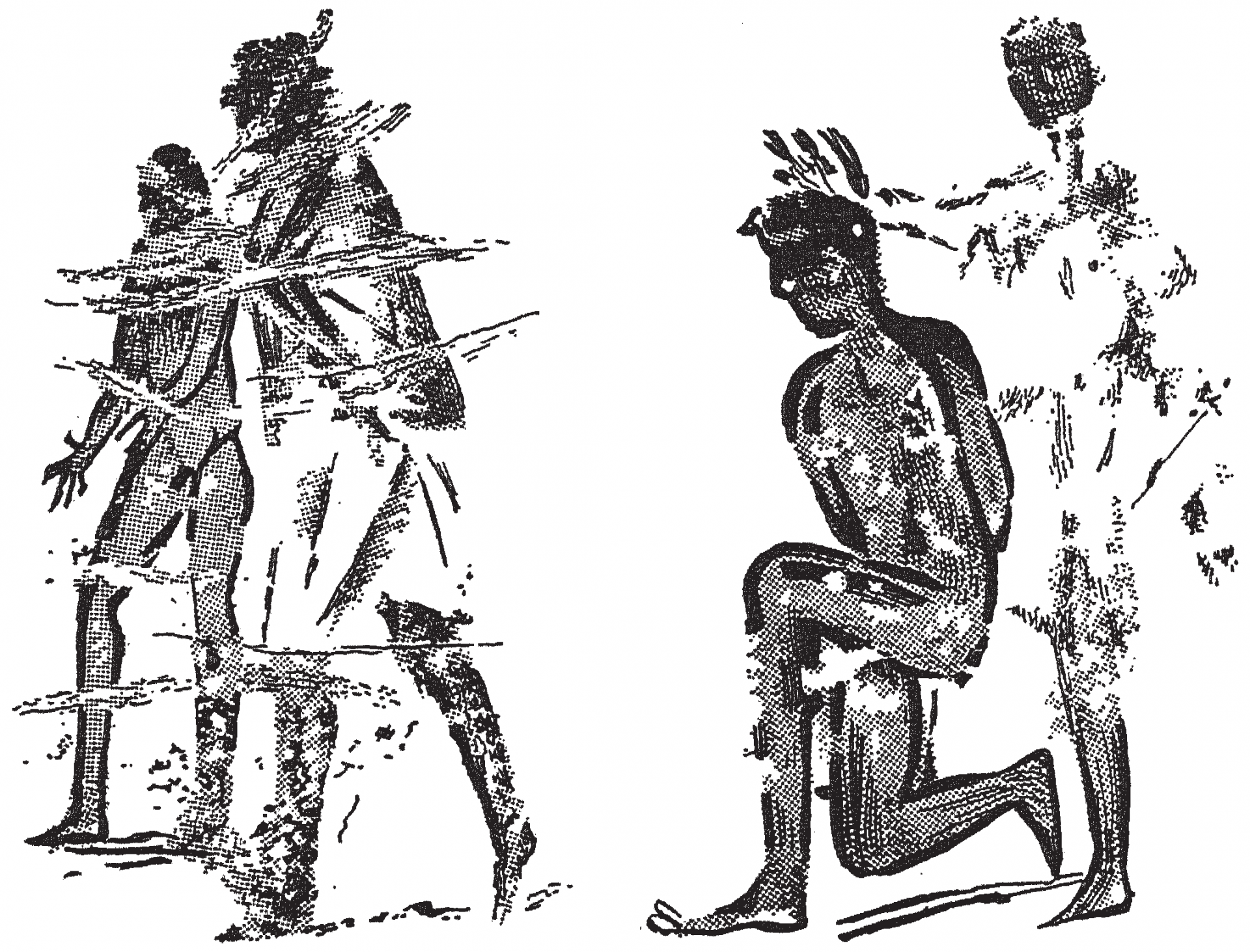
Fig. 51. Representation of the initiations into the mysteries.
Fig. 52. A second representation of the initiation into the mysteries.
Then there is yet another ceremony: the mystagogus presses with full force on the shoulders of the kneeling novice who is almost pushed over forward, but a third figure with outstretched hands is walking towards him. Another scene shows the same priest, recognisable by his red tunic, performing some rite which is very difficult to interpret; he is holding a stick or a sword close to a round object, possibly a loaf of bread or a garland, which is lying on the ground just in front of the novice, who is kneeling with his hands folded together under his chin. The mystagogus is standing behind him with one foot on his calves (Fig. 53).
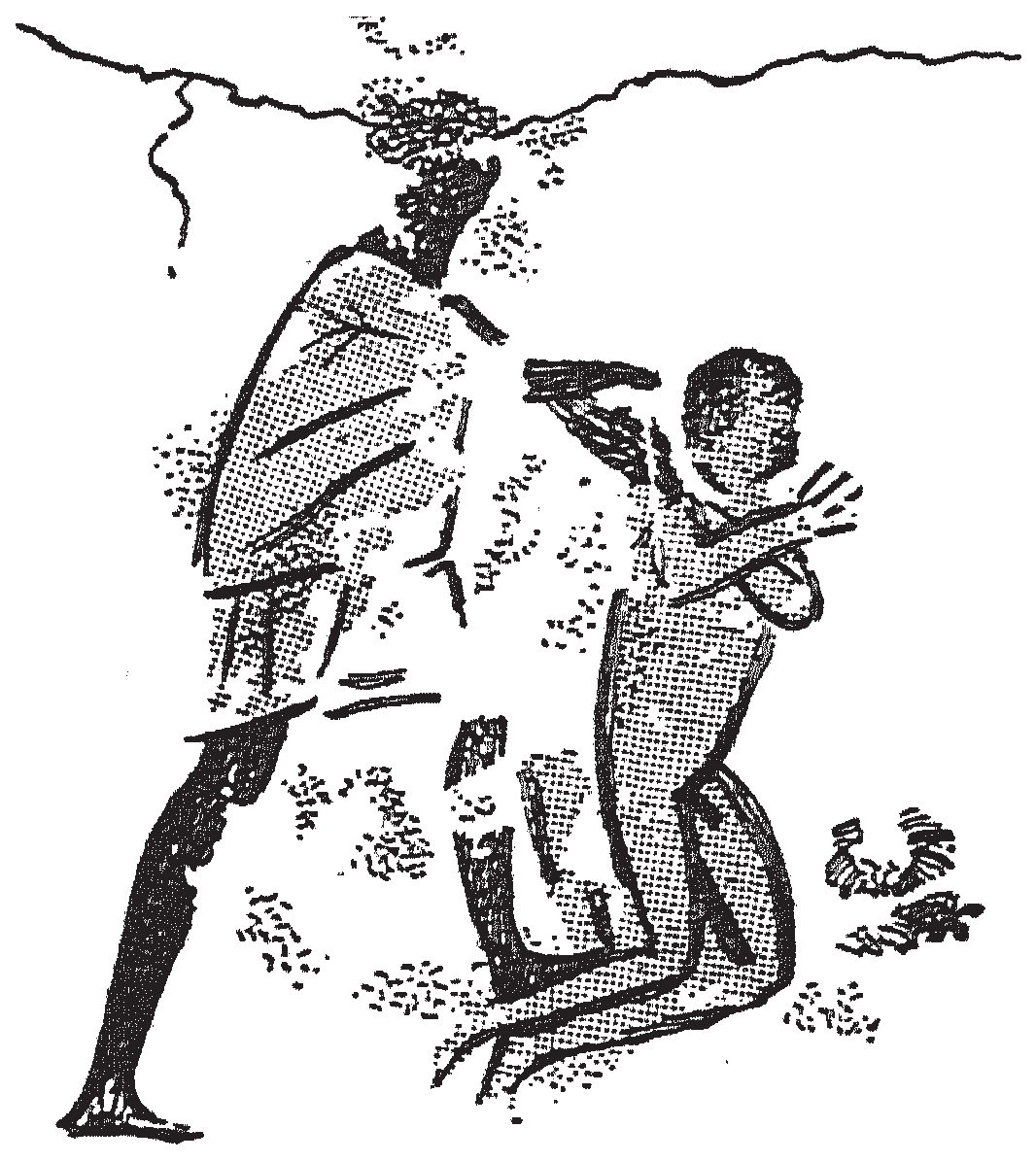
Fig. 53. A third representation of the initiation into the mysteries
A text of the fourth century A.D. explains clearly the function of the sword in these representations. The author observes that the followers of Mithras ‘are not even ashamed to be blindfolded’, and continues indignantly: with some their hands are tied together with chicken guts and then they are thrown across pits full of water. Someone approaches with a sword, cuts through the guts and as a result of this act calls himself liberator (alii autem ligatis manibus intestinis pullinis projiciuntur super foveas aqua plenas, accedente quodam cum gladio et inrumpente intestina supra dicta qui se liberatorem appellet).
Besides the representations at Capua, there is further evidence regarding the trials of initiation. Suidas, who composed a lexicon in the ninth century A.D., writes under the word ‘Mithras’, nobody could be initiated into them [the Mithraic mysteries], if, after having undergone a certain number of ordeals, he did not show himself to be sanctified (ὅσιος) and so impervious’. There are dreadful tales about the emperors Commodus and Julian (see p. 166), and in an oration against Julian, Gregory of Nazianzus (i, 70) reproaches that emperor for admiring τὰς ἐν Μίθρου βασάνους καὶ καύσεις ἐνδίκους τὰς μυστικάς—‘the ordeals in Mithraic ritual and the branding of the initiates’.
A monk by the name of Nonnus, who lived in the sixth or seventh century A.D., writes in great detail about the ordeals mentioned by Gregory, but here we enter the realm of fantasy2:
They who are going to be received into the Mithraic cult, are initiated by undergoing a series of trials, first they are subjected to light tests and then to the more severe ones. For example they first of all leave the initiate to fast for fifty days, and when after this they are given harsher treatment, they are ‘chafed’ for two days and then left in snow (or cold water) for twenty days. After thus having intensified the ordeal from small to great, only they are initiated in the deeper mysteries, the novice having given proof of his ability to withstand these ordeals.
In the eighth century A.D. Bishop Cosmas of Jerusalem improved even on these exaggerations. According to him there were eighty tests, which included ‘submerging themselves in water for many days, throwing themselves into fires, living in solitude and abstaining from all food’.
After reading all these texts one has the impression that the authors had no very profound knowledge of the true nature of these proceedings. The Swede Edsman has pointed out that in all probability certain followers of Mithras underwent a baptism of fire, but all things considered, one cannot escape the conclusion that the evidence at our disposal must be interpreted with caution. It has been suggested that the layout of a small stone feature which was noted in the Mithraeum of Carrawburgh may be connected with this baptism. In 1949 the excavators found an oblong trench strongly resembling a tomb close to a hearth on the south side of the sanctuary. If this trench were covered with stone slabs a man, laid inside it, could be subjected to alternating ordeals by heat and sudden cold. Beside this trench there was a small seat. This arrangement recalls the first side chapel of the Santa Prisca sanctuary (see p. 41), but there the explanation depends entirely on the graffito on the rim of the vessel buried near a wider but similar trench in which a person could be laid outstretched. At Carrawburgh a fire-shovel was found in the same room, and it is therefore not impossible that this room was used for the ceremony of the branding. The fire-shovel is incidentally an attribute of the Lion, itself the symbol of fire. An alternative reading is that this room was used to enact death and resurrection and in this connection we are reminded of the figure lying face downwards in the painting at Capua and the suspect text of Lampridius concerning the Emperor Commodus: ‘he defiled the mysteries of Mithras with murder since it was customary there for something to be spoken or imitated to produce a kind of fear (sacra Mithraica homicidio vero polluit cum illic aliquid ad speciem timoris vel dici vel fingi soleat)’.
In the pit at Carrawburgh several bones of sheep or goats were found, which remind us of the somewhat doubtful Mithraeum ‘delle tre navate’ at Ostia, where a tomb-like construction was found in the central passage, while near by a pig was portrayed in the floor mosaic. These discoveries do not furnish sufficiently conclusive evidence, nor are the texts particularly reliable, with the result that we can do no more than peruse the material at our disposal for hints and suggestions.
At a given moment, after the novice had been submitted to certain purification rites and had gone through a time of fasting and abstinence, he reached the end of his ordeals. He had sworn the oath, been branded on hands or forehead and had pressed the Father’s right hand (iunctio dextrarum). The joining of the right hands (δεξίωσις) promoted the initiates to σύνδεξιοι with the Father; the oath (sacramentum) made them sacrati or consacranei. An important inscription, discovered in Rome on the Campus Martius near the Cancelleria, the Papal Chancery, is here relevant. This sanctuary, its walls painted with stars and crescent moons, was in use in the middle of the third century A.D. It was founded by the pater sacrorum, Proficentius, who commemorates this fact in his own verses:
Hic locus est felix, sanctus piusque benignus
Quem monuit Mithras mentemque dedit
Proficentio, patri sacrorum—(here a palm branch is shown)
Utque sibi spelaeum faceret dedicaretque,
Et celeri instansque operi reddit munera grata.
Quem bono auspicio suscepit anxia mente,
Ut possint syndexi hilares celebrare vota per aevum
Hos versiculos generavit Proficentius,
Pater dignissimus Mithrae—(here a second palm branch is shown).
This place is fortunate, sacred, devout and propitious
It was recommended by Mithras who gave inspiration
To Proficentius, the Father of the mysteries,
To make for himself a cave and to dedicate it;
Insisting on rapid work, he fulfilled a pleasant task,
Which he undertook under good auspices and with a careful mind
That the syndexi might celebrate their vows with joy for eternity,
These verses were written by Proficientius
Worthy Father of Mithras.
The two palm-fronds on the inscription may be compared with the sun-wheel and palm-frond, symbols of Sol invictus, the invincible Sun-god, on the dedication by a Father in the San Clemente Mithraeum. It would be interesting to know if Proficientius is the subject of the sentence reddit munera grata, in which case, having been instructed by Mithras in a dream to build this cave (cf. ex visu), he has proceeded to acquit himself of this pleasant task; or if the subject is Mithras himself, in which case the god is rewarding Proficientius out of gratitude.
Most important, however, is the seventh line of the verse. The syndexi are the fellow initiates. The word is frequently encountered in the Mithraeum at Dura-Europos, and was thus used in the East as well as in the West. We come across it again in a formula handed down by the apologist Firmicus Maternus in the middle of the fourth century A.D.: “Μύστα βουκλοπίης, σύνδεξιε πατρὸς ἀγανοῦ.” ‘Novice of the bull-theft, initiate of the proud Father.’ The bull was, of course, stolen by Mithras. As a sign of his pact with the Sun-god, Mithras gives his right hand to his companion, and the initiate is the imitator of Mithras who, by giving his right hand in accordance with Persian custom (Diodorus, xvi, 43), concludes the pact and confirms the oath. The Cancelleria inscription mentions that the ‘initiates with the right hand’ joyfully celebrate their vows. These vows are not only valid for the period of life on earth, but also for all eternity.
Corax
Vermaseren (1963), pp. 141–142
In the legend of the bull-slayer the Raven has the role of the messenger who comes to entrust Mithras with his mission. He takes the place, as it were, of Mercury, the messenger of the gods, and bears as his emblem the caduceus, the magic staff of Hermes-Mercury.
On the Ostia a cup has been added, and although in the Santa Prisca version the Raven in the procession of the seven grades has unfortunately been lost, beside its place can still be read the words: Nama Coracibus tutela Mercurii, ’Hail to the Ravens under the protection of Mercury’.
The Raven symbolises the air and at the initiation he must have undergone certain rituals relating to this element, rituals which are called corvina or coracina sacra and which qualify the initiate as a ieros koras or ’divine Raven’. We sometimes find this adjective sanctus used in connection with other grades too, but particularly with the Pater, the Father or head of the community. When attending a service, the Raven wears a raven mask (Fig. 5.).
Corax
Cooper (1996), pp. 117–120
Following a spectacular initiation we will discuss in chapter 6, the prospective member became a Corax, meaning “raven.” The degree corresponded to the planet Mercury; its three devices were the cup, the caduceus, and the raven. The constellation with which it was associated was Corvus; the raven in the Tauroctony became its icon. The moral it taught was humility. That the degree related to the planet Mercury we know from several sources, including the mosaic at Ostia and the inscription at St. Prisca, which reads “Nama Coracibus tutela Mercurii” or “Holy Raven of Mercury’s tutelage.”1
The main task of the Coraxes was to serve the higher degrees during the Sacred Meal. They brought the food on plates and laid it before the Leos. They took away remnants and put these in the burial pits often found near Mithraea. They may also have performed “charwoman” and “batman” duties, cleaning the Mithraeum and seeing to the dressing of various participants in their ceremonial regalia. They may have shared these and cooking duties with the Nymphuses and possibly even the wives of the regular members.
All this was designed to instill a sense of humility in the Corax, in keeping with the Mithrasians’ self-portrayal as an elite. Closed societies, particularly those in a minority position, must have some element or promise which elevates them above the general community. Without that element of superiority, there would be no reason to join or remain in the group. Even claims of equality are insufficient: the minority group must claim superiority.
The inevitable mystique of superiority is enhanced by forcing members of the lower grades to work for members of higher grades, or for newer members to work for members of longer standing. It also seems to be essential that the superiority of higher members be described as an additional burden rather than a privilege. Without this there would be no higher purpose to getting the newer or lesser members to undertake tasks for their betters: it would be mere indentured servitude.
For example, prospective members of the Knights Templar were reminded of the great hardship membership would inevitably bring. Members of the Golden Dawn seeking membership of the inner order were advised that all their previous achievements of membership would now be laid aside. In both cases, a culture of lesser members serving higher members predominated. It was, in fact, a culture of patronage.
The Corax represented the first stage of this belief of a special role. The Coraxes had to serve those higher up: they had to change the way they were in order to progress. The symbolism of the grade confirms this. Mercury was the messenger of the gods, and Corvus was the messenger of the Tauroctony—it was the raven who brought Mithras the message of the Sun-god. But Mercury was also the psychopomp. That is, he was the guide of the souls of the dead, taking them from their bodies to the River Styx where Charon the boatman would ferry them to Hades. This tells us that the message the raven brought to Mithras concerned the death of the bull.
The raven was also a scavenger: a harbinger of doom. He had a low reputation in the ancient world. Little wonder he became the servant of others. As in the image of Sol and Mithras shaking hands over an altar of oath where the raven is shown pecking at the meat, the Coraxes probably fed themselves as they went. The Leos may have participated in the ritual meal but no doubt everyone consumed the food.
The image of the raven also symbolized the thoughts of the first degree members—scavengers of ideas, as it were. Like a bird flying from place to place, the Corax’s thoughts were likely to go from one thing to another: reinforcing the notion that Mithrasism emerged from an occult milieu such that they not only added material they also organized much of what had existed prior to their formation.
The morals of the Coraxes, too, were those of the scavenger: ravens were seen as repositories of vice, as the fables of Aesop will attest. The three devices of office represent this bias. The cup is not a mixing bowl, but a single-handled drinking cup, reminding the Corax of his duty to serve the members of higher degrees at the Sacred Meal. It is possible that each Corax was sponsored by or otherwise assigned to an individual Leo, acting in a sense as his batman. The Corax would be responsible for helping dress his Leo in any ceremonial regalia. He would run normal errands, and otherwise act like a newly inducted soldier is normally treated by those who had been soldiers longer—like a slave. Thus the Corax learned the virtue of humility.
The raven or raven’s head reminded the Corax of the reason for this treatment. His state was lowly. He was prey to immoral thoughts and activities. He was touched by death and not yet wholly redeemed. Like the alchemical symbol of the raven’s head, the Corax represented the raw material, the original ore which had to be refined to be of use. The Corax had to be trained to control his thoughts and to understand death.
Thought control seems to have been vital to the Mithrasians, as shown by each degree having some symbol pertaining to the head. Some have suggested that the different head gear merely provided a convenient way of spotting different degrees in a crowd. But the Mithrasians, almost uniquely in the Empire, had no public procession. Since these devices had no value in separating individual ranks in a crowd, the interest in the head must have had esoteric import.
The third device of the Corax is the caduceus, a staff with two snakes twined around it, representing Mercury’s role as the guide of the dead. Reincarnation was an integral part of the Mithrasian religion, as shown by the astrological symbolism of the Milky Way as the ladder of souls. Reincarnation was an accepted belief in Roman society generally, and was a strong, though not dominant, stream of thought in the Zarathustrian religion. The Corax was guided symbolically through the processes normally reserved for the dead. He was drossed, to borrow an alchemical or metallurgical term—the impurities were removed from his thoughts and from his soul in order that he might return to the source of things. Only when the dross had been removed could he go on to the next stage of Nymphus.
Initiation
Cooper (1996), pp. 144–148
Membership in the religion and advancement through its various degrees was essential for the soul to progress. Each step along the path was marked by an initiation ritual about which we have a number of scraps of information. Unfortunately, not enough information survives to reconstruct every ritual in its entirety.
Moreover, some of the textual evidence is unreliable, being part of an organized polemic by a rival creed. One sixth century Christian writer—which is to say someone writing less than a century after Christianity’s triumph—gave as ordeals faced by Mithrasians a fifty day fast, two days of chafing, and twenty days of being left in snow. An eighth century writer said there were eighty tests, including submersion in water for several days, being put into fire, solitary life and fasting.¹ Fortunately when we have removed the fantasies there are some elements of the rituals of which we can be certain.
We know from Tertullian³ that anyone seeking initiation into Mithrasism first had to undergo a period of instruction, after which the candidate presented himself to the Pater of the Mithraeum. If accepted, he would then be initiated into the community and become a frater.
According to a fourth century text, at his initiation into the mysteries, the candidate was bound with chicken guts and blindfolded.⁴ He was then made to leap, or was thrown, over a ditch filled with water. A man would then approach the candidate with a sword and cut his bonds. The man with the sword was called the Liberator. We don’t know if any continuing relationship of patronage existed between the Liberator and candidate. Sometime before, during, or after this initiatory sequence, the candidate swore an oath to protect the secrets of the religion. Most writers assume this occurred before the ritual. That, however, would constitute a most unusual occult practice, since an oath taken during an initiation has more force than a promise made before or after.
³ Tertullian, Apology, chapter 8, quoted in Vermaseren, Mithras, p. 129.
During the initiation the candidate may have been branded or tattooed on the wrist. Soldiers of Rome were normally branded on the wrist to prevent desertion. In their case it is possible that no additional mark was added. Merchants and others may have been branded, but for soldiers, attention was probably just drawn to the existing brand.
The Mithraeum at Capua contains scenes of initiation, although it is not known if they represent a membership ritual or passage through the various degrees. Probably these are other scenes in that first initiation. If so they indicate a series of trials faced by the candidate.
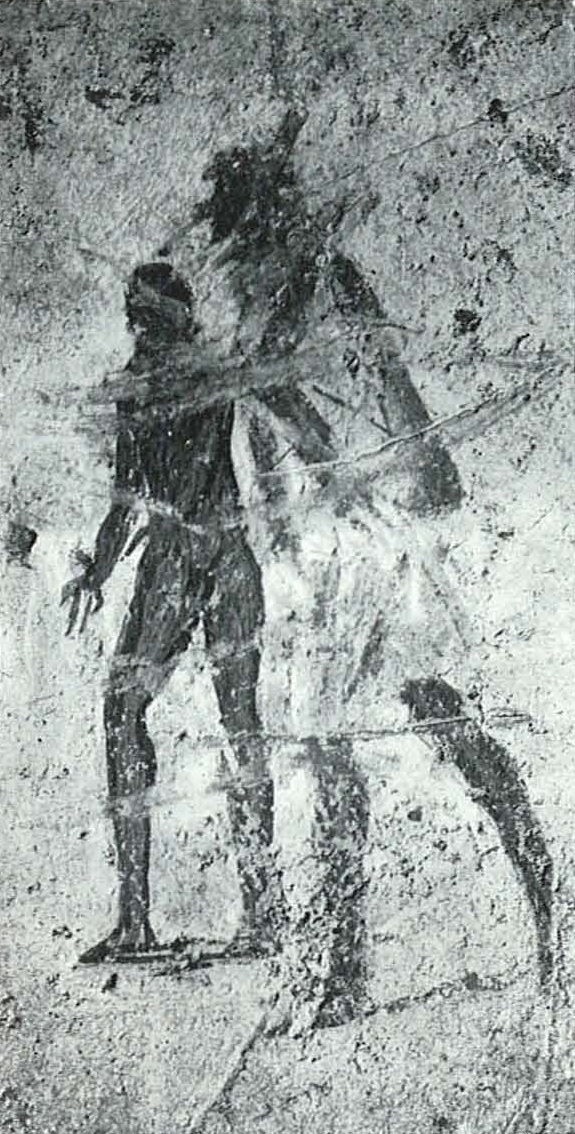
Scene of the initiation into the Mithras cult.
CIMRM
In all scenes the candidate is naked, which may explain something of the exclusion of women. In one of the scenes an officer of the rite, dressed in a white tunic with red borders (the same uniform that would later be used by the Golden Dawn), is pushing the candidate forward by the shoulders. The candidate is blindfolded: his hands are before him. The candidate’s attitude seems to be one of uncertainty. He raises his arms from his sides and holds them before him, but not at a level you would expect if he were in fact using them to ward off or discover obstacles. Instead they seem raised in uncertainty. The candidate is being pushed forward, not knowing where he is going. One can almost imagine the Leos on their benches, heightening the fear of the candidate with an occasional gasp as if the candidate were about to meet some unpleasant fate. The candidate, forced to move forward blindly, would be in a highly anxious state, his most primitive fears brought to the fore.Perhaps the candidate is brought to a ditch filled with water. Although the texts describe one, the murals at Capua don’t show such a ditch.
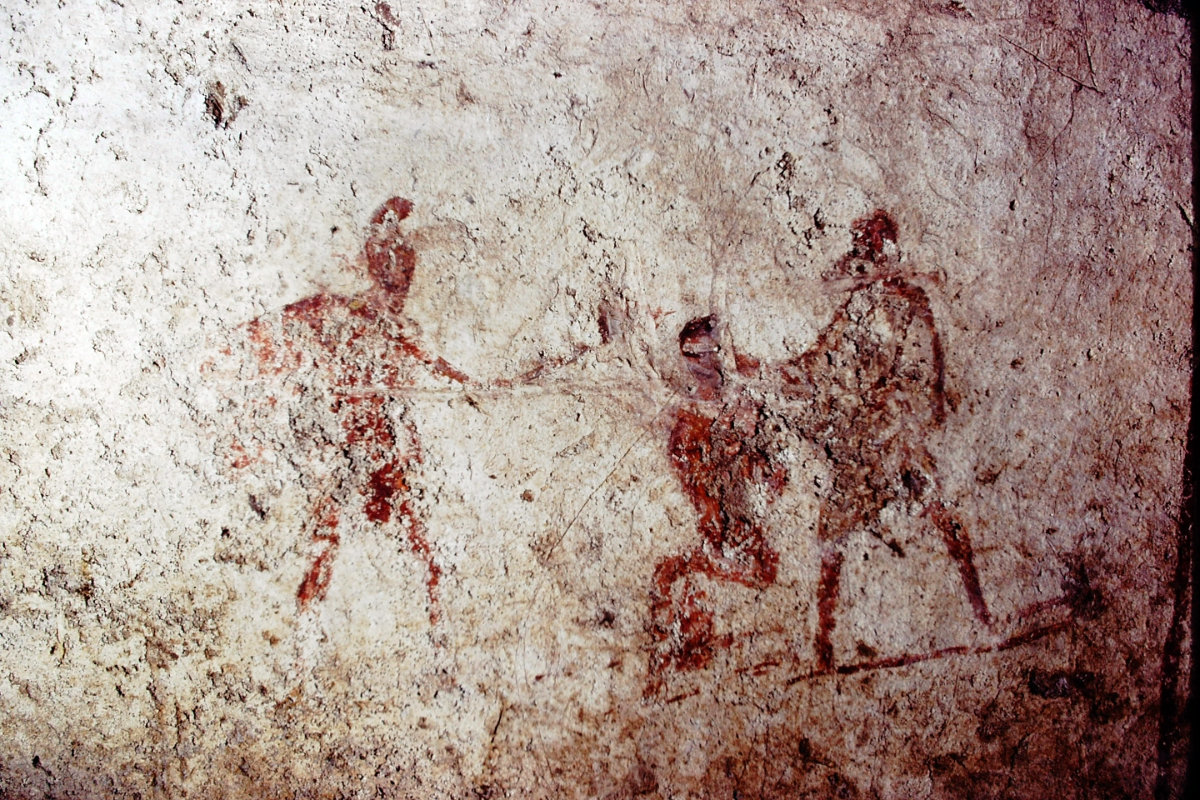
Fresco scene from the initiation ceremony at S. Capua Vetere.
University of Maryland / Stanley A. Jashemski (CC BY-NC 4.0)
In the second scene at Capua the candidate kneels, blindfolded, with his hands behind his back. He may be bound. The man in white stands before him, while a Pater approaches from behind carrying a sword or stick. This may be a depiction of the role of Liberator, described above. In the third image, however, it appears that the Pater (or other red-cloaked priest) gives the white-robed official the object, which is probably a sword.
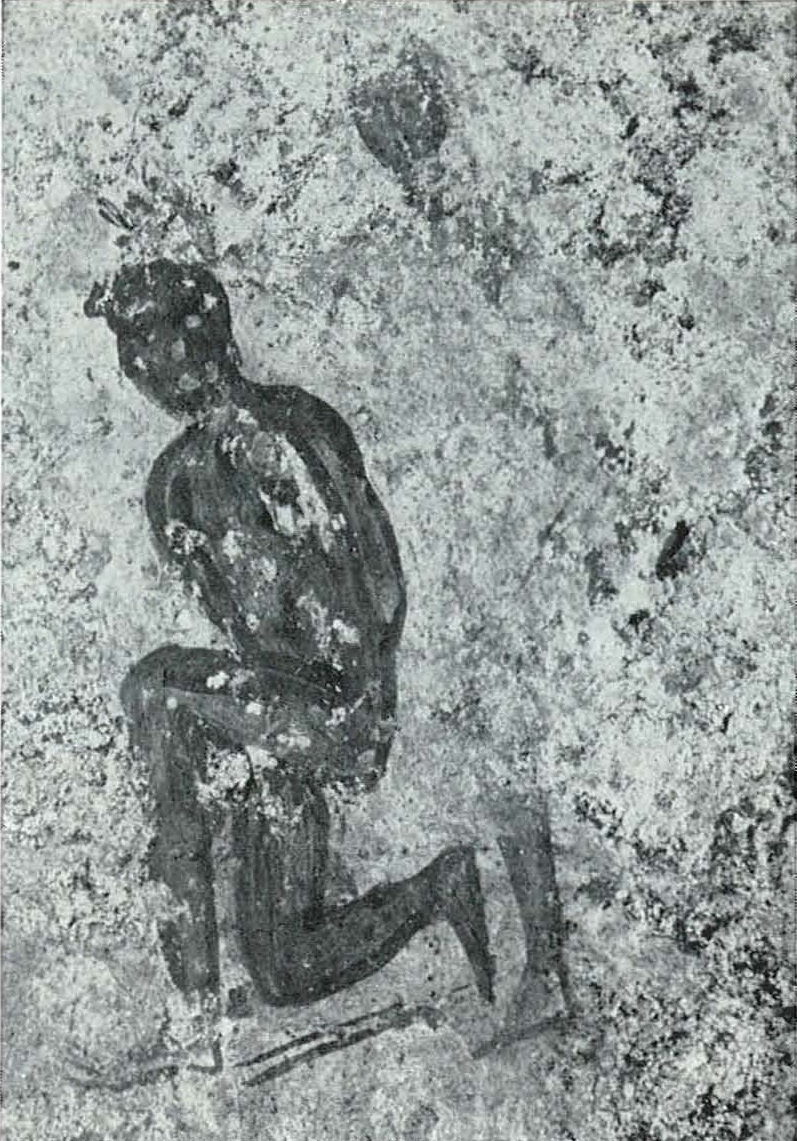
Fresco scene of initiation at S. Capua Vetere
CIMRM
In the third scene the candidate kneels on one knee. His hands are still behind his back and he is still blindfolded. The officer of the initiation stands behind him with his arms outstretched and his hands behind the candidate’s head—a stance well known to ritual occultists as the projection of power. The sword lies next to the candidate. It indicates the transfer, which was no doubt accompanied by an oath or description of the sword’s mystic purpose. Other people are present at this stage of the ritual but we are not certain of their role, due in part to the poor condition of the painting.

Initiation scene from Capua Vetere.
CIMRM
The last mural of the series shows the candidate with his hands crossed over his chest in what ritual occultists call the Osiris position. The candidate is on both knees, the white-robed officer is standing behind him. The officer’s left hand holds the candidate’s left hand over the candidate’s right shoulder. The officer’s right hand is crossed over his arm and is reaching for or releasing the candidate’s right hand over the candidate’s left shoulder. The scene recalls not only the Osiris position, but the various grips used by Masons and the Golden Dawn. The position, while impractical as an actual handshake, served as a kind of mudra, and doubtless had an esoteric meaning.
Just in front of the candidate is a circular object which may be a wreath or a loaf of bread. Believing this not to be a representation of the third degree initiation (Miles) but rather initiation into the religion or as a Corax, I suggest it is a loaf of bread. A red-cloaked Pater is holding a sword pointed at the bread, a common means of infusing magical power into an object such as a talisman or, in this case, bread to be eaten.
A ninth century writer, Suidas,⁵ supplies an interesting fact about the initiation and its trials. If the candidate did not pass the trials, he could not be admitted to the Mithrasian religion. Given this fact, and using patterns found in other initiatory groups as models, we can attempt to reconstruct the initiation into Mithrasism. That is, we can compose a palimpsest of the script the Mithrasians themselves may have used.
(1) The potential member is brought to the notice of the Leos at a full Sacred Meal. If seconded and approved, he is approached.
(2) If the potential member is willing, he is taught the “open secrets” of the religion. This would include much that was generally available but which was incorporated into the religion in a special way. For example, the signs of the zodiac and the rulership of planets might have been taught. Of Mithras, much could have been said: he was a god of light who by a brave act brought salvation to those who follow his path. The nature of this salvation (e.g., rebirth or entrance into an Elysium) would have been explained. Undoubtedly much would have been made of Mithras’ ancient past in Persia. The Romans not only admired, but were awed by the ancient wisdom of the Orient.
(3) If the potential member has learned his lessons well, he is presented to the Pater of the Mithraeum to be questioned. If he fails this test, he is turned away. If he passes, he is initiated.
(4) During the night of the Sacred Meal, initiations are performed, a fact inferred from Christian polemic which describes the binding used as chicken gut, and the murals which show a chicken brought in procession for sacrifice. The symbolism of the cock’s crow driving away evil spirits is also plain here.
(5) At some point the candidate is brought into the Mithraeum. In the anteroom, he is disrobed and blindfolded.
(6) A man in a white tunic with red borders—possibly the man who offered the candidate for admission—puts his hands on the candidate’s shoulders and pushes him forward. Possibly sounds are used to enhance the fear the candidate feels.
(7) An oath is administered to the candidate to reveal nothing of what he may see or hear in the Mithraeum. If the candidate accepts the oath, he is bound with the guts of a sacrificed cock—symbolically “bound” to the force of light.
(8) Still blindfolded and unworthy to see what surrounds him, the candidate is forced to kneel. In this position he is presented to the Pater. The Pater brings a sword which is given to the officer. An oath or exchange must have occurred explaining the significance of the sword, most likely a description of the slaying of the bull.
(9) The sword is laid beside the candidate and magical energy (nabarze) is passed from the officer of the initiation to the candidate. In this the whole of the religion may have possessed a concept like that of the priestly apostolic succession of the Roman Catholic and Anglican churches.
(10) The sword is taken and the bonds of the candidate are cut. They could not be cut before the receipt of nabarze. However, the candidate still seeks the light and is thus left blindfolded.
(11) The candidate is then forced to both knees and his arms put in the Osiris position. The officer crosses his own arms, taking the candidate’s left hand in his left and right hand in his right.
(12) While this is happening, a loaf of bread is put before the candidate and blessed with the sword, showing the bread as the flesh of the bull which is meant to give salvation to the followers of the religion.
(13) Since the candidate is being restrained from being able to take the bread (which implies fasting before this initiation), there must be some discussion or explanation of the significance of the bread made flesh and the wine made blood.
(14) At this stage, the candidate is put to a test. He may have been rebound and thrown over a pit of water, but if so no trace of these pits has been found. Some test must have occurred.
(15) If the test is passed, the blindfold is removed and the bread eaten. If not, the candidate is refused admission to the religion and sent out. The culmination, then, was removing the blindfold so the candidate could see the bull-slaying scene of the icon in the east, as a full member of the religion and known as a frater (brother).
References
- Alberto Bernabé (2017) Un juramento sacro en PSI X 1162 y PSI XII 1290 ↑
- Maarten Vermaseren (1963) Mithras, the Secret God, p. 141 ↑
- Nonnus Abbas (6th century) Nonnus Abbas on Gregory of Nazianzus ↑
- Maarten Vermaseren. The Seven Grades of Initiation
- Jason Cooper (1996) Mithras: Mysteries and Initiation Rediscovered
- Maarten Vermaseren (1963) Mithras, the Secret God, p. 133
- Ibid., pp. 133–134
