Your search George Ryley Scott gave 71 results.
Over the last century or so, a great deal has been said about the god Mithras and his mysteries, which became known to the European world mainly through his Roman cultus during the Imperial Period.
Ernest Renan suggested that without the rise of Christianity, we might all have embraced the cult of Mithras. Nevertheless, it has had a lasting influence on secret societies, religious movements and popular culture.
Translation and Introductory Essay by Robert Lamberton. Station Hill Press Barrytown, New York 1983.
This small magical jasper gem shows Sol in a quadrigra on the recto and Mithras as a bull slayer on the verso.
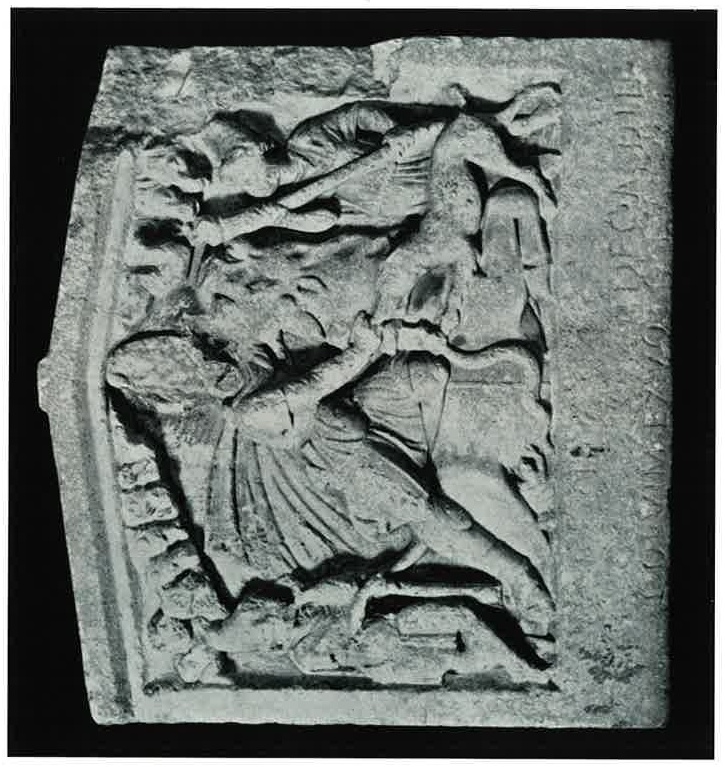
According to Hitzinger remnants of animal bones were found in front of the relief of the Mithraeum at Rozanec.
This unusual piece depicts Mithras slaying the bull on one side and the Gnostic god Abraxas on the other.
Yolanda’s multimedia dissertation focuses on the cognitive mechanisms that motivate Mithras worshippers. Her work includes a podcast entitled Conversations about Mithras.
The Mithraeum of Caernarfon, in Walles, was built in three phases during the 3rd century, and destroyed at the end of the 4th.
Twelve centuries separate the decline of Roman Mithraism from the dawn of Freemasonry. Twelve centuries during which the mysteries of Mithras have remained more secret than ever.
HBO Max's sci-fi series Raised By Wolves features a religious faction that references Sol and the Mithraic Mysteries. Here are the real-world Roman concepts the show borrowed from.
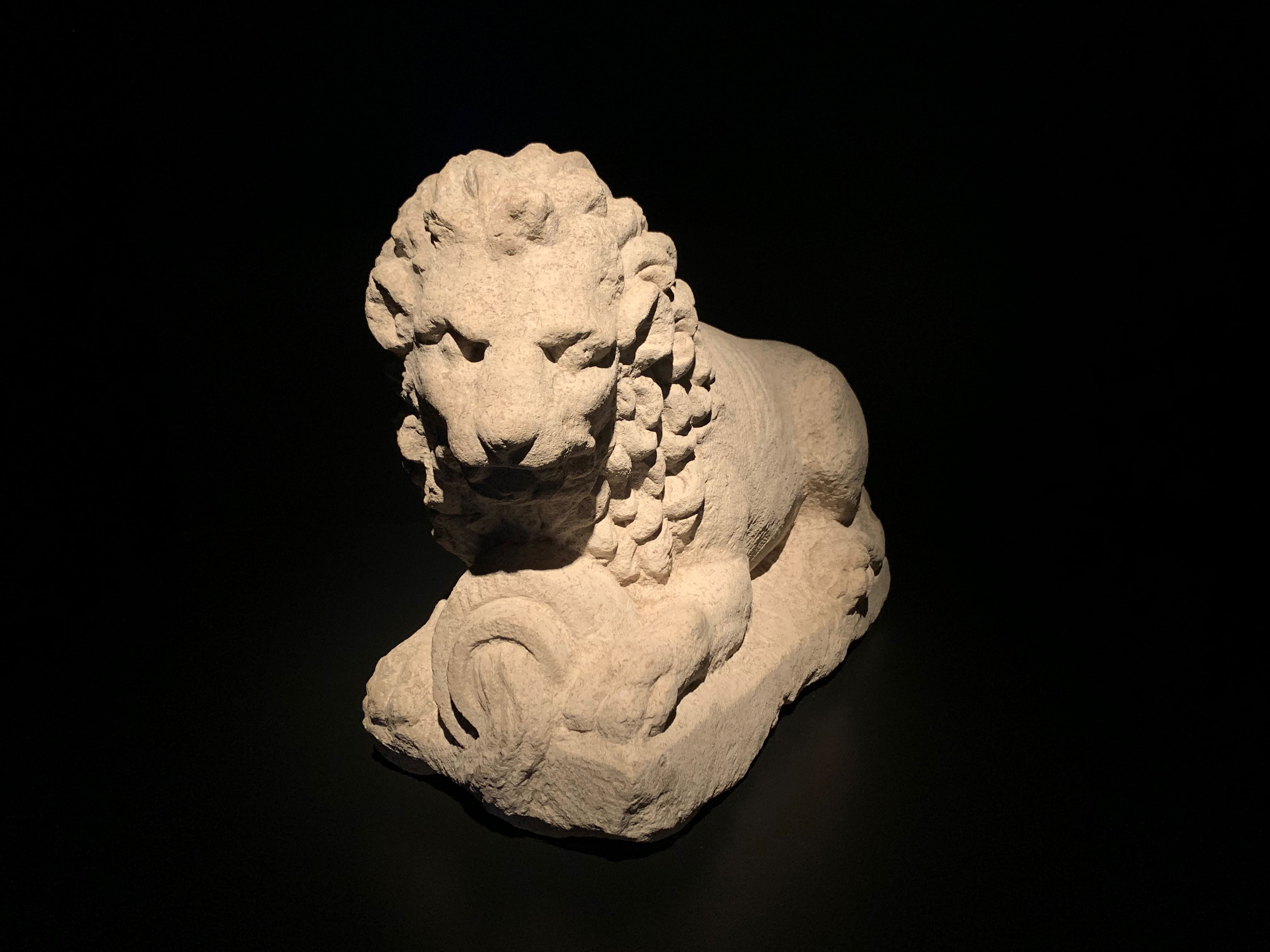
The lion sculpture found near the entrance of the Mithraeum at Les Bolards is unique in its genre.
This monument representing Cautes with uncrossed legs was consecrated by a certain Anttiocus.
Mouth of a fountain (H. 0.10 Br. 0.09) and a square spout and other fragments of round spouts.
Fragments of a bronze vase (H. 0.07) with two ears, one of which is broken off.
Bronze statuette (H. 0.12 Br. 0.17) with the representation of a lion with opened mouth, in which is a hole, connecting with another hole, made in the stomach.
Bronze statuette (H. 0.18), representing a standing, naked youth, wearing a necklace and with outstretched hands.