This site uses cookies to offer you a better browsing experience.
Find out more on how we use cookies in our privacy policy.

 
Monumentum

Tauroctony from the Mithraeum III of Nida

The relief of Mithras slaying the bull from Nida's Mithraeum III was found in two pieces in 1887, destroyed during an air raid on Frankfurt in 1944, and restored in 1986.
1 / 2
 
The New Mithraeum
17 Jan 2022

TNMM 407 ↔ CIMRM 1118

Discovered at the end of 1886, Mithraeum Ill at Nida was an independent structure located in the civil part of the urban area. On the floor of the rectangular spelaeum (10.55 × 5.50 m), at a depth of aproximately three metres, there came to light on 20 January 1887 the upper part of the relief, and then, four days later, the lower part and other stone objects. Exhibited at the Museum für heimische Vor- und Frühgeschichte established in the old Dominican monastery beginning in 1937, the relief was destroyed during the 18 March 1944 air raid on Frankfurt's city centre. Thirty- seven fragments of the relief, for the most part non-joining and significantly reddened in places from the bombing, were recovered in 1952 in the ruins of the monastery. Partially restored from the preserved elements, the relief was presented to the public for the first time on 22 September 1986.

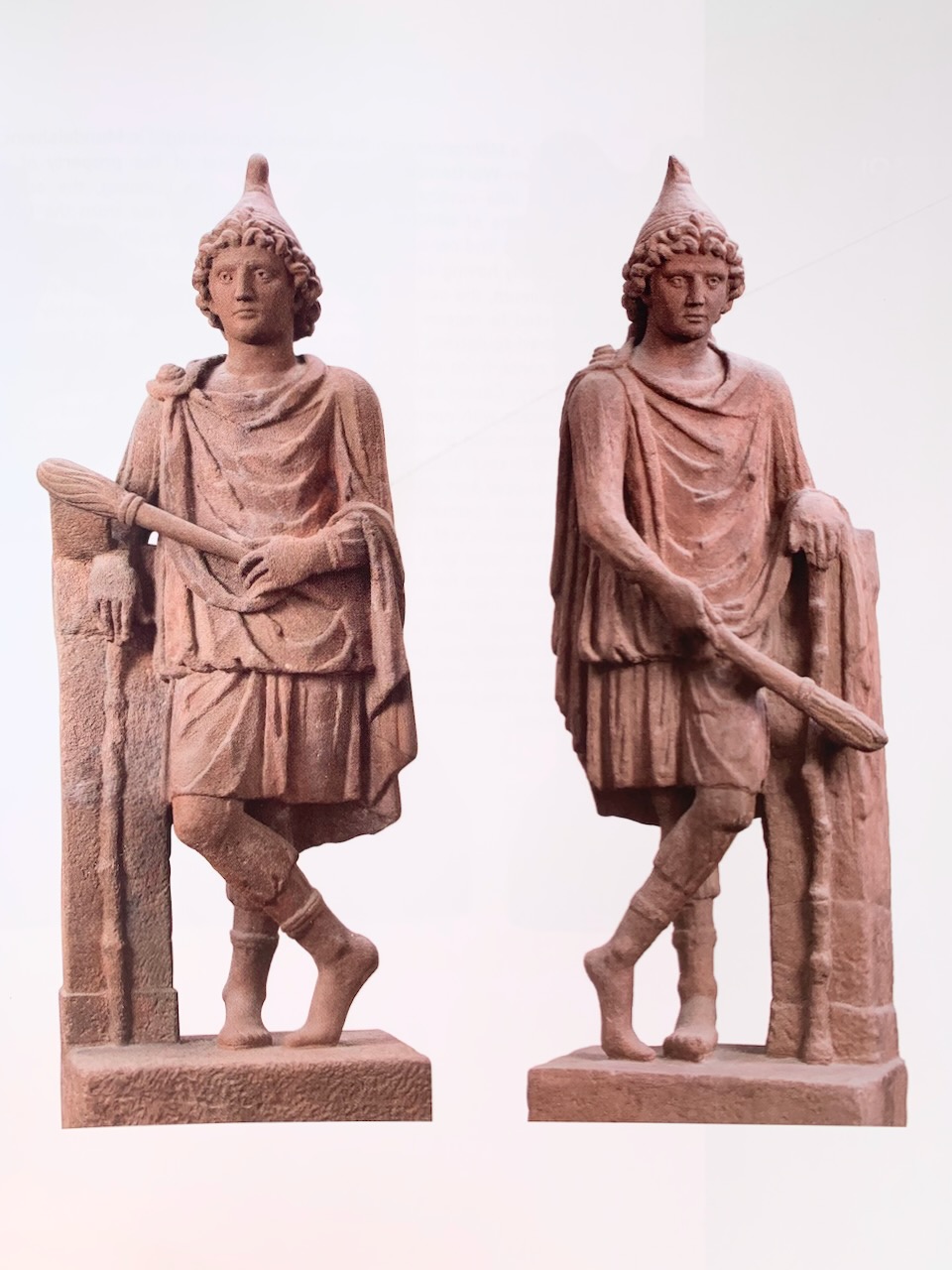
The relief, which originally was placed in the large niche constructed at the back of the spelaeum, is incomplete. Its framing, with side walls and an arch in the upper part, perhaps featuring panelled scenes, has not been found. Only the central part is preserved, with the killing of the bull by Mithras, who buries his knife in the animal's side while mastering it by grabbing its nostrils with his left hand. The representation of the bull, with its front legs raised and folded, gives the impression of movement. Its tail, standing before Mithras's mantle, ends in ears of grain. Mithras wears a short tunic with long sleeves, tight and belted. His head is turned to face the viewer. The top of the relief, including the Phrygian cap, is missing. A scorpion clings to the bull's testicles; a serpent positions its head on a large crater with two handles, to the right of which there lies a lion with a bristling mane; a dog rises towards the wound in order to lick up the blood that flows from it. On the upper-left edge of the relief, above the mantle flowing behind Mithras, there appears the head of a raven which is missing its body. The scene is flanked by Cautes on the right, with a raised torch, and Cautopates on the left, with a lowered torch. They both have their legs crossed and are wearing Phrygian caps.

References

Related monuments

Mithraea of Heddernheim

Since 1826, four mithraea have been found at Nida-Heddernheim.

Aion of Hedderneheim

The lion-headed statue of Hedderneheim is a reconstruction from fragments of two different sculptures.

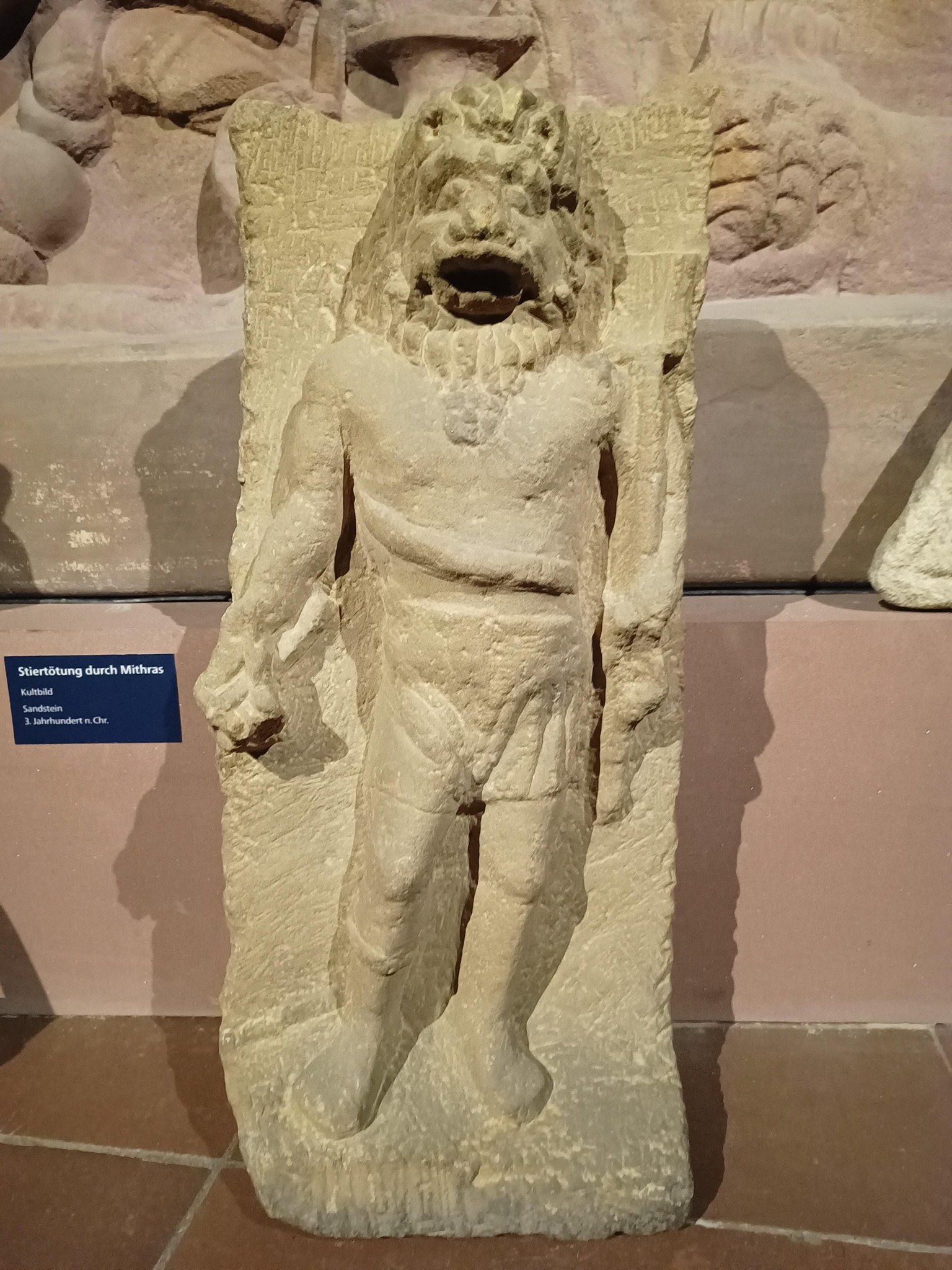
Leontocephaline figure from Frankfurt

This lion-headed figure from Nida, present-day Frankfurt-Heddernheim, holds a key and a shovel in his hands.

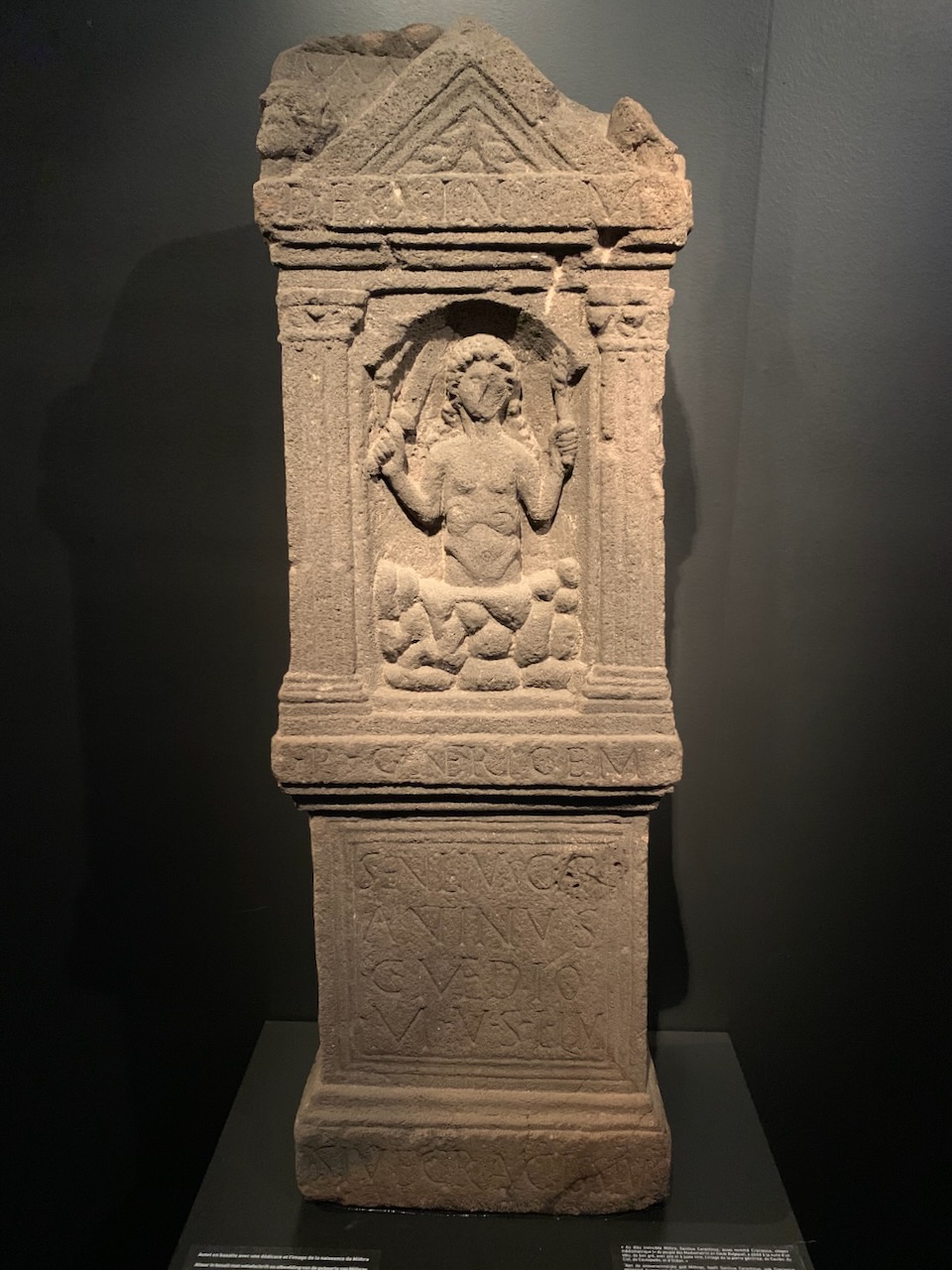
Altar with Mithras rock-birth of Nida

The Mithraic stele from Nida depicts the Mithras Petrogenesis and the gods Cautes, Cautopates, Heaven and Ocean.


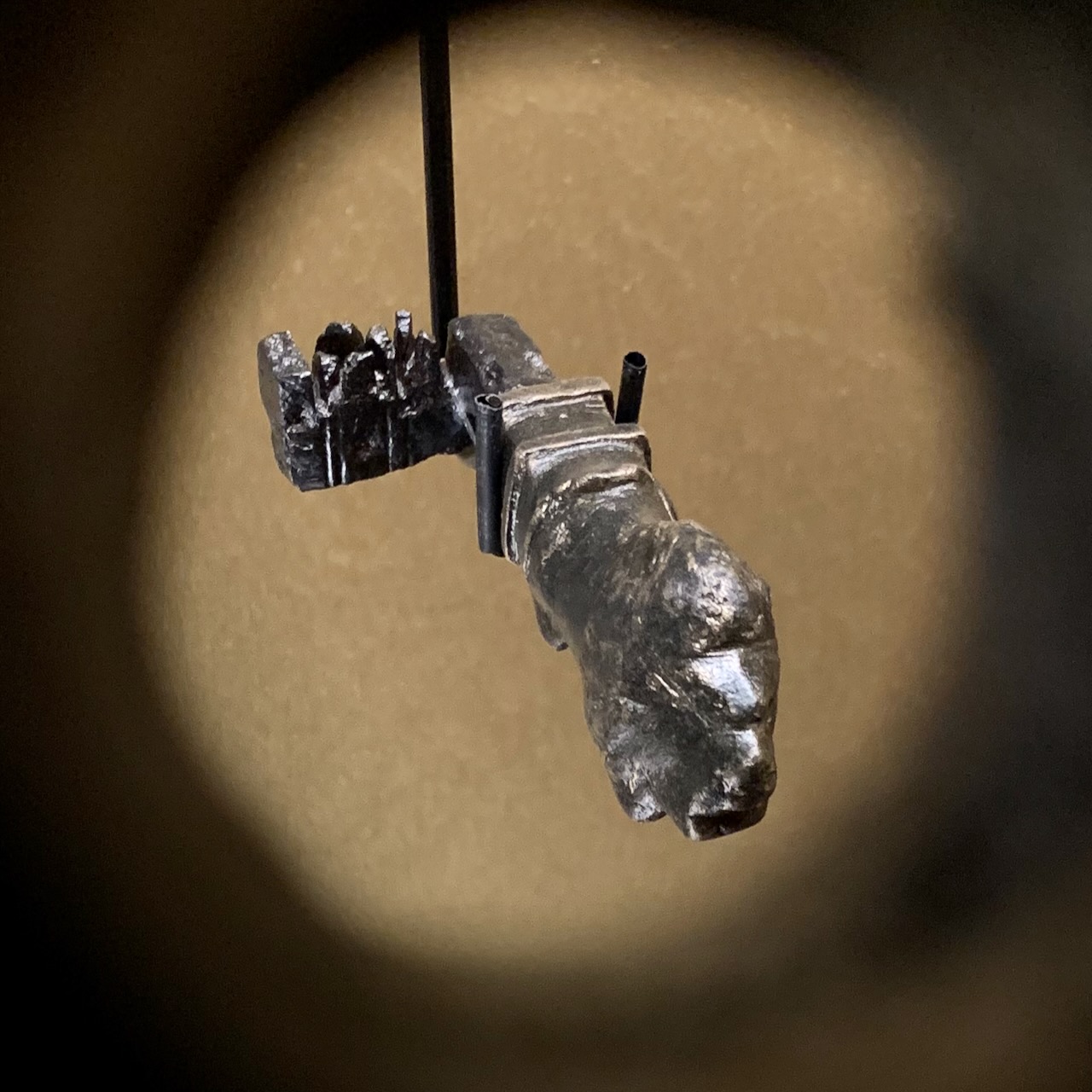
Key of Mithraeum III at Nida

The key of Nida's Mithraeum III was decorated with a lion's head.

Cautes and Cautopates from Mithraeum III of Heddernheim

The two companions of Mithras carry a torch and a shepherd's staff at the third Mithraeum in Frankfurt-Heddernheim, formerly Nida.

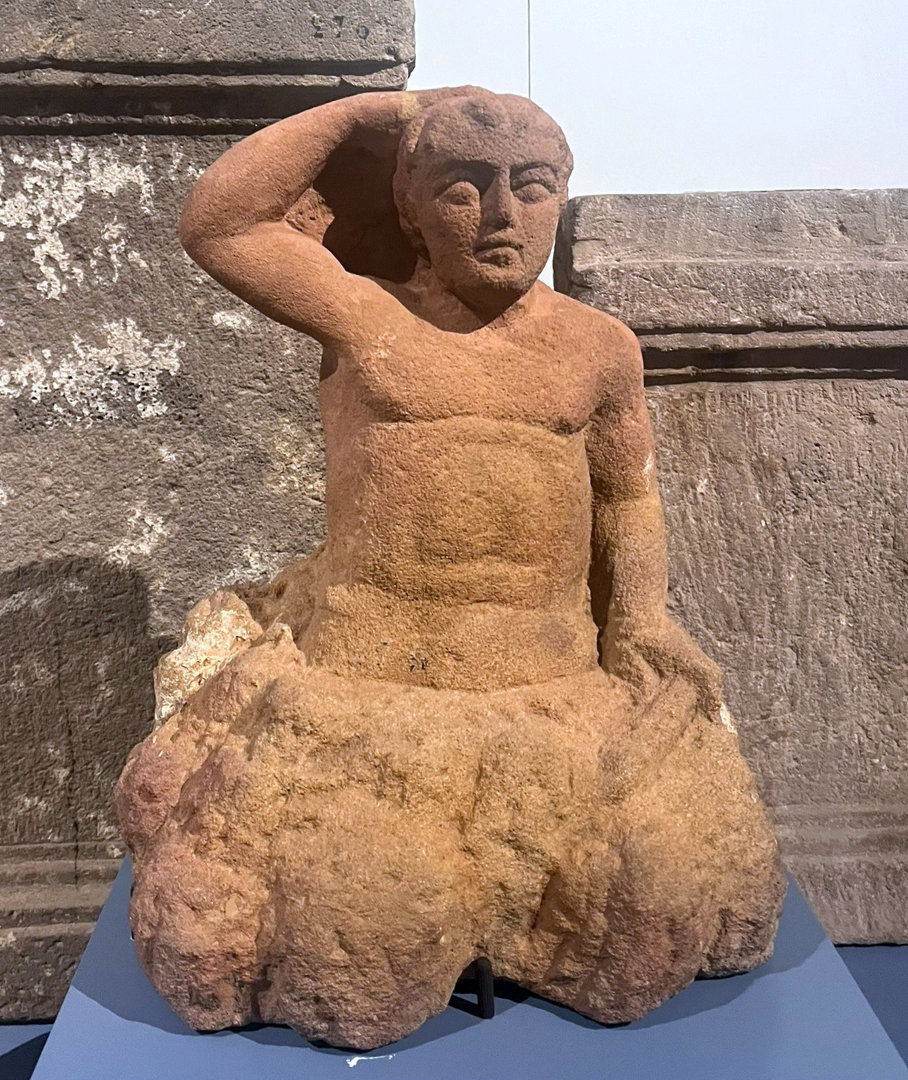
Petrogeny with hand on head from Nida

This sculpture of Mithras being born from a rock is unique in the position of the hands, one on his head, the other on the rock.

 
Back to Top