The New Mithraeum
17 Jan 2022
Updated on Jan 2025
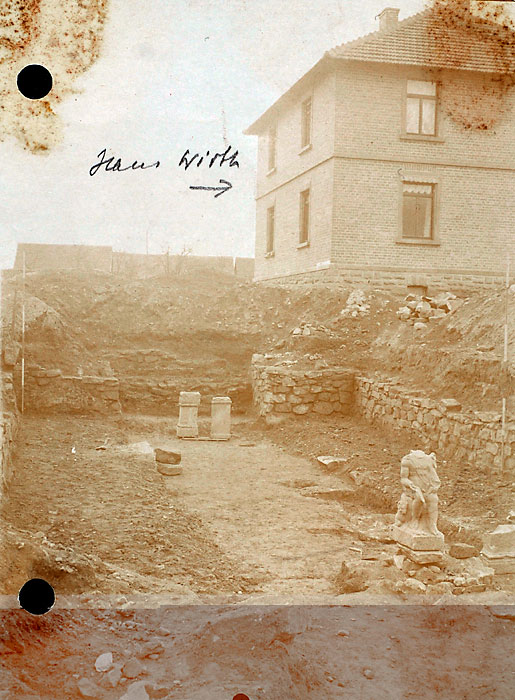
This sandstone statuette was found near the entrance of Mithraeum I at Stockstadt am Main. This sanctuary, which came to light in 1908 to the east of the Roman camp, was in use during the first half of the 3rd century. The work represents a raven with a tall and slender silhouette, standing upright on long legs with sharp claws. The plumage of the wings and tail is sketched with lightly incised lines. Traces of restoration are visible at the level of the bird’s neck, beak and legs, as well as on the base supporting it. The head is composed of two fragments, one of which would have belonged…
The full article is reserved for our members.
Log in or create a free account to access the entire site.