Mithraeum of Sárkeszi
TNMM 766
A Mithraeum found at a distance of about 10 kmtrs S-W of the town of Székesfehérvár in a place called Ságvölgi belonging to the protestant parish of Sárkeszi (distr. Fejér).
A. Marosi in Székesfehérvári Szemle II 1932, 64; III, 1933, 10; Nagy in BpR XV, 1950, 47ff and plan fig. 1.
The foundations of irregular limestone blocks show that the sanctuary (L. 23.00 Br. 10.00) had the form of a parallelogram. Of the walls only the south wall is preserved. In the pronaos are two small circular holes in the floor evidently for wooden pillars which sustained the roof. East of them were traces of fire, but it is not certain whether these are ancient or modern. The sanctuary proper is divided into a central aisle (Br. 4.00) and two low benches (Br. 3.00) which end before the apse. There are a few remnants of painting. The Mithraeum dates from the late second and the early third centuries A.D. The temple is one of the largest in Pannonia; Sárkeszi is situated near the road Herculia-Aquincum. The finds are at Székesfehérvár, Archaeological Museum.
The mithraeum at Sárkeszi is remarkable for its size and unique architectural features. Measuring approximately 23x10 metres, it is one of the largest mithraea in the Pannonian region, surpassed only by a sanctuary at Carnuntum. It is strategically located near the border with Sárkeszi, next to a Romanised aboriginal settlement.
The temple has an east-west orientation. The main entrance on the eastern side opens into a pronaos which serves as an antechamber before leading into the main sanctuary. It is divided into three main sections: a central cell flanked on either side by two benches, each three metres wide. The benches end before reaching the rear wall of the sanctuary, where they join the side walls. A unique feature of this sanctuary is the semicircular masonry near the eastern wall, where the main cult image was located. This apse-like feature is a rarity in Mithraic architecture.
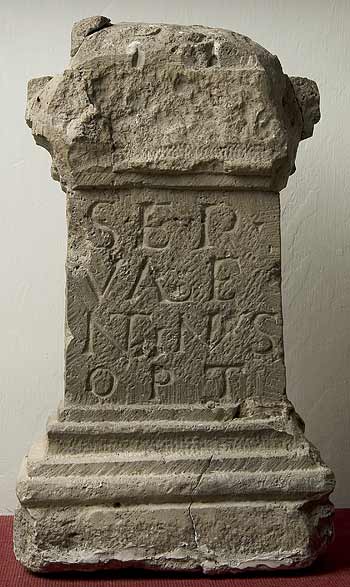
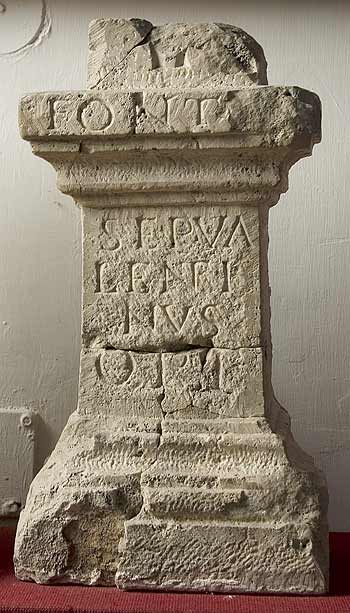
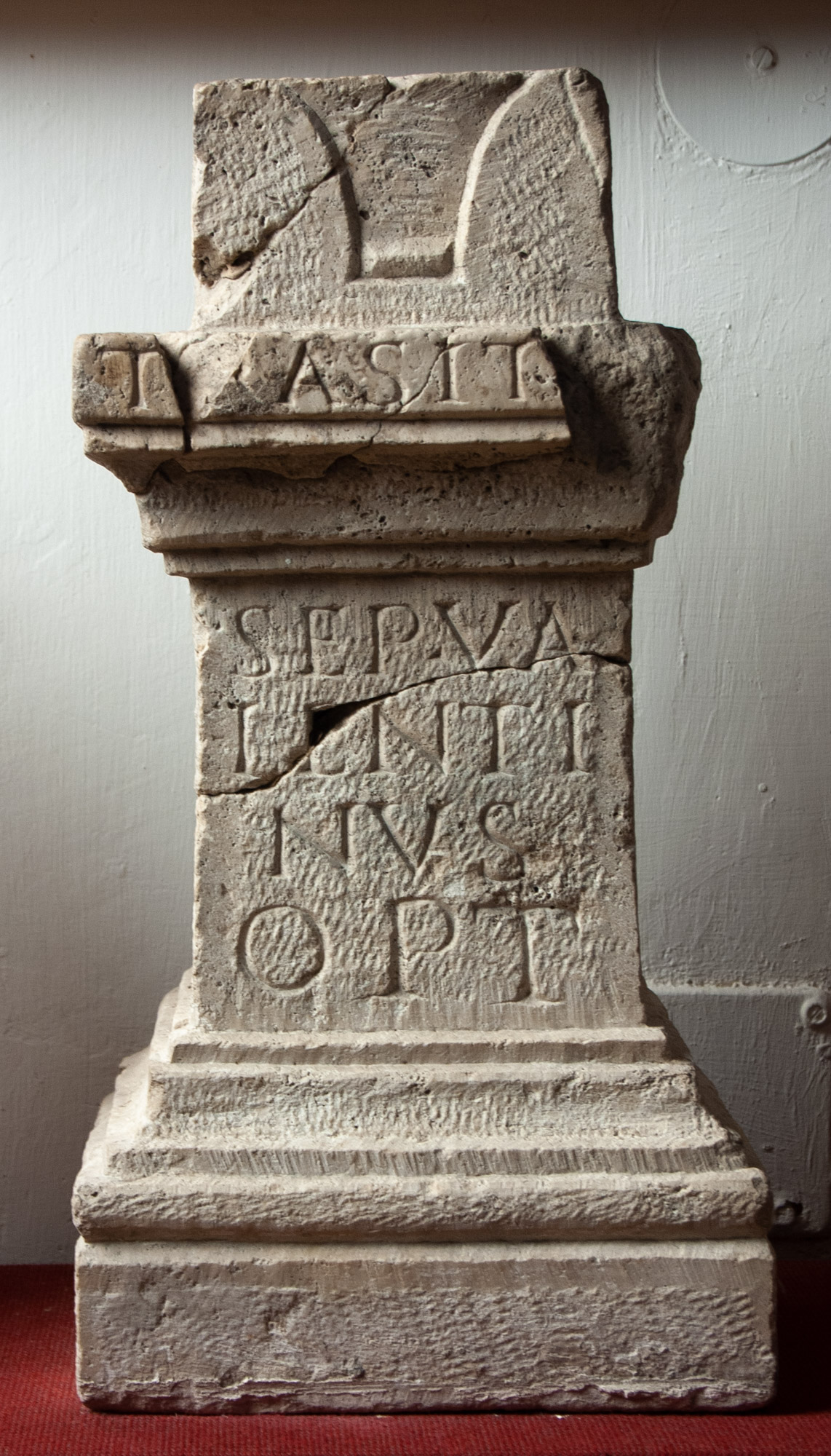
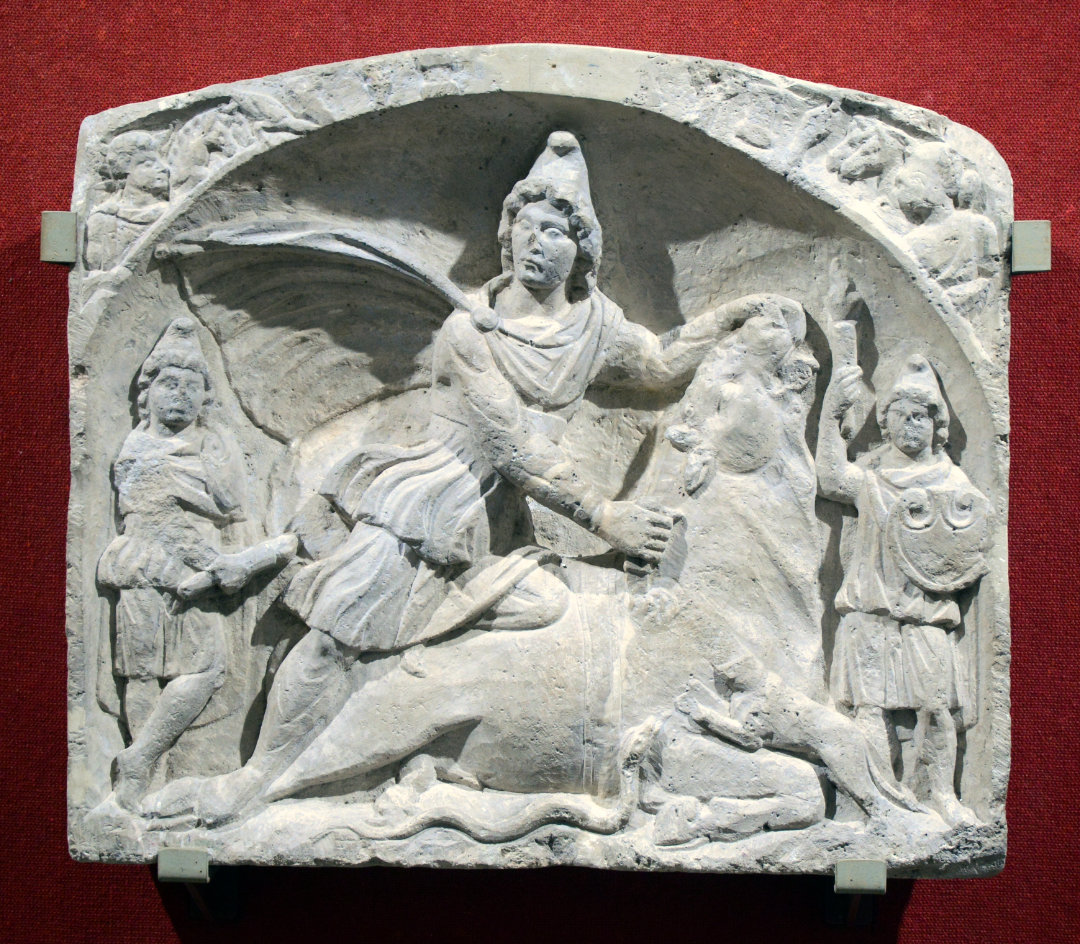
Inside, the western wall of the sanctuary housed the image of Mithras tauroctonus, dated to the last third of the 2nd century AD and probably made in an Aquincum workshop. The size of the sanctuary suggests that it served a large religious community, possibly including worshippers from nearby Gorsium. The sanctuary’s active period is also marked by repairs and extensions carried out in the first half of the 3rd century AD, as evidenced by the discovery of fragments of a high altar and the votive altars of Septimius Valentinus.
The history of the sanctuary culminates in its abandonment in the 4th century A.D., a conclusion drawn from the methodical burial of the large cult image, altars and other religious artefacts in the forecourt. This deliberate act of concealment indicates a conscious effort to preserve the sanctity and memories associated with the site.
References
- A. Rendić-Miočević; M. Šegvić (1998) ‘Religions and cults in Pannonia’. A szent istván király múzeum közleményei, A 33, 101-102.
- Romaikor.hu (2023) Római Birodalom - Szentélyek - Sárkeszi.