This site uses cookies to offer you a better browsing experience.
Find out more on how we use cookies in our privacy policy.

 
Acta diurna

Daily Gazette

Acta diurna is our Mithraic social stream for keeping up to date with what is happening in The New Mithraeum.

avatar
Sept 2026
Scriptum
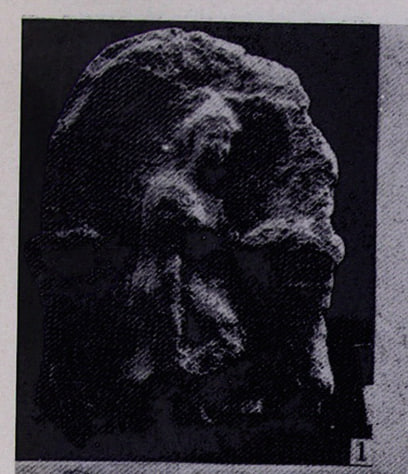
Tauroctony relief from Artashat (Artaxata)

O.V. Obukhov writes the following specifically about her and the tauroctony (from the book *The Pantheon and the Royal Cult in Commagene*):

[...Thus, G.A. Koshelenko views the tauroctony as a reinterpretation of the late Babylonian Kalu ritual. In his view, even more significant was the New Year’s ritual, during which a white bull—the embodiment of nature’s generative forces—was sacrificed (with references to F. Turo-Dangen and G. Videngren). It is known, for example, that the taurbolia ritual was performed in the Mithraeum at Uruk-Varka, as evidenced by the discovery of a clay seal depicting a taurictoony scene. Sculptural remains of a taurictoony scene were also discovered in layers dating to the first centuries CE in the ancient Armenian city of Artashat. This ritual is apparently described in a reinterpreted form in the Armenian folk epic about David of Sasun.]

Sources:
1: Խաչատրյան, Ժ. Դ. - Արտաշատ II ([ref:6a9d9eb8b7f4c])
2: Обухов, С. В. - Пантеон и царский культ в Коммагене. Эпоха Митридата I Каллиника и Антиоха I Теоса: историко-археологическое исследование
Tauroctony relief from Artashat (Artaxata)

O.V. Obukhov writes the following specifically about her and the tauroctony (from the book The Pantheon and the Royal Cult in Commagene):

[...Thus, G.A. Koshelenko views the tauroctony as a reinterpretation of the late Babylonian Kalu ritual. In his view, even more significant was the New Year’s ritual, during which a white bull—the embodiment of nature’s generative forces—was sacrificed (with references to F. Turo-Dangen and G. Videngren). It is known, for example, that the taurbolia ritual was performed in the Mithraeum at Uruk-Varka, as evidenced by the discovery of a clay seal depicting a taurictoony scene. Sculptural remains of a taurictoony scene were also discovered in layers dating to the first centuries CE in the ancient Armenian city of Artashat. This ritual is apparently described in a reinterpreted form in the Armenian folk epic about David of Sasun.]

Sources:
1: Խաչատրյան, Ժ. Դ. - Արտաշատ II (Արտաշատ II. Անտիկ դամբարանադաշտեր (1971–1977 թթ. պեղումները))
2: Обухов, С. В. - Пантеон и царский культ в Коммагене. Эпоха Митридата I Каллиника и Антиоха I Теоса: историко-археологическое исследованиеarar.sci.amԱրտաշատ II. Անտիկ դամբարանադաշտեր (1971–1977 թթ. պեղումները)Archaeological study of the ancient necropolises of Artashat (Artaxata), based on excavations carried out between 1971 and 1977. The volume presents the burial…
Thanks for sharing, Hetanos. I haven’t had a chance to visit Garni yet, but it has been highly recommended to me. Do you know if anything else has been published on the sculptural group? I’d be very interested to read more about it.
Unfortunately, this relief from Artashat and the bull’s head from Garni have been poorly studied by Armenian archaeologists. I found these and several other artifacts while digging through old Armenian-language reports on Soviet-era archaeological finds. Armenian academics apparently simply forgot about the existence of these finds, and I mostly find comments about them in Russian academic works.

avatar
 
Back to Top