
At the western edge of the Roman world, Mauretania Tingitana linked North Africa to Hispania through military and maritime exchange.
Along the upper Rhine frontier, Germania superior became one of the principal centres of Mithraic activity in northwestern Europe.
Etruria formed part of the cultural and religious heartland of central Italy closely connected to Rome and the Tyrrhenian world.
Numidia occupied a frontier and military landscape where Mithraic cults circulated through urban settlements and imperial infrastructure.
Dalmatia connected the Adriatic world to the Balkan interior through maritime routes, military mobility and provincial urban networks.
Baetica occupied a prosperous and highly urbanised corner of Roman Hispania where Mithraic cults circulated through Mediterranean exchange networks.
Noricum formed a key link between the Alpine world and the Danubian frontier where Mithraic cults spread through military and urban environments.
Mauretania Caesariensis connected western North Africa to Mediterranean trade routes and the provincial networks of the Roman empire.
Africa Proconsularis formed one of the principal urban and administrative centres of Roman North Africa where Mithraic cults circulated through prosperous civic networks.
Narbonensis connected Roman Gaul to the Mediterranean world through some of the oldest urban and maritime networks of the western empire.
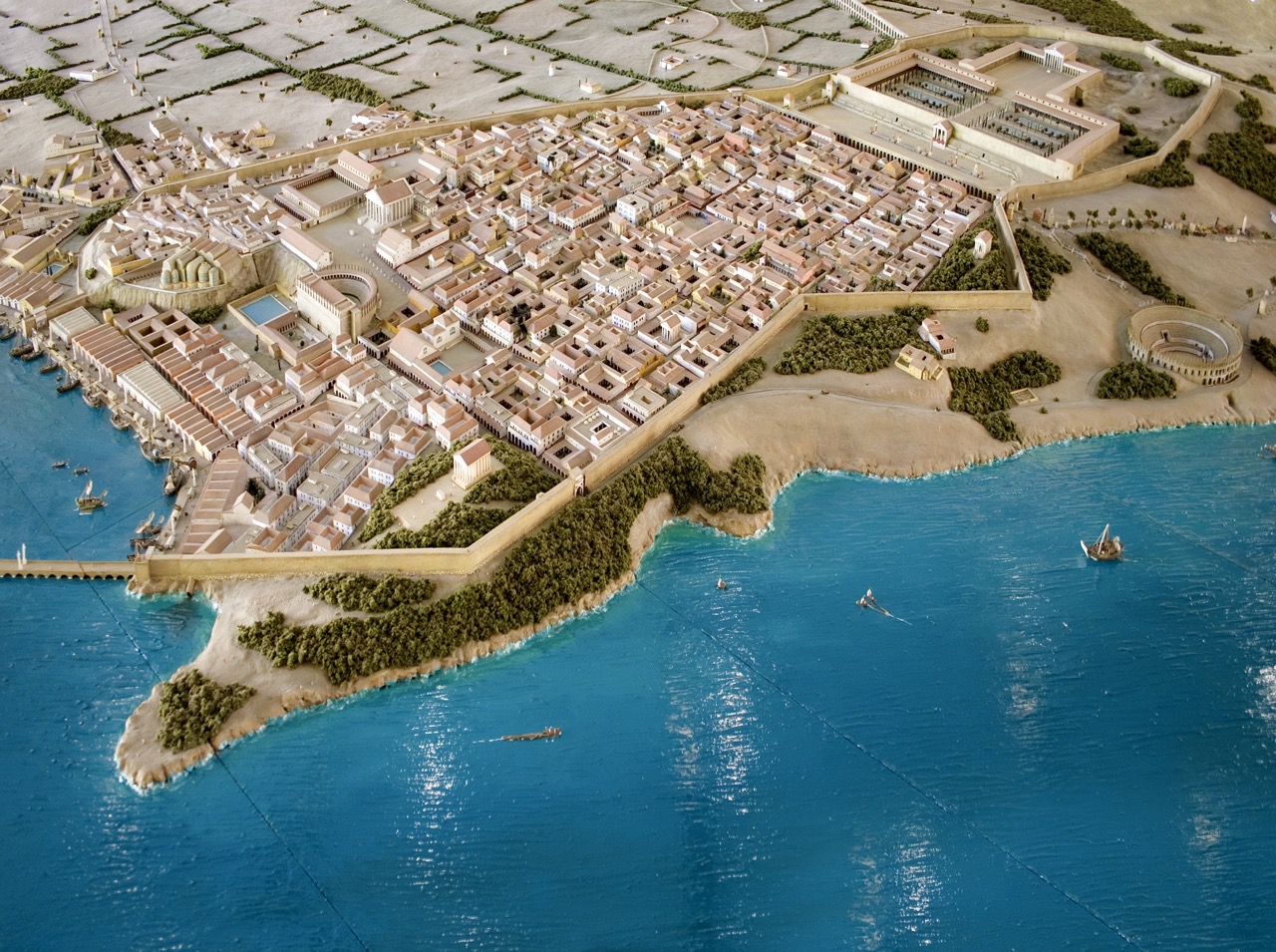
Across Tarraconensis, Mithraic evidence appears in diverse urban, military and Mediterranean environments of Roman Hispania.
Picenum connected the Adriatic coast of central Italy to inland communication routes and the wider networks of the Roman Peninsula.
Latium formed the political and religious centre of the Roman world where some of the most important Mithraic communities developed.
Cyrene linked North Africa to the Greek East through long-standing urban traditions and eastern Mediterranean maritime exchange.
Bithynia et Pontus connected northwestern Anatolia to the Black Sea through major maritime, urban and provincial networks.
Tripolitania connected the southern Mediterranean coast to caravan routes and maritime exchange networks of Roman North Africa.
Dacia superior formed part of one of the most intensely Mithraic frontier regions of the Roman empire after the conquest of Trajan.
Moesia inferior occupied a major position along the lower Danube where Mithraic cults circulated through military and port environments.
Pannonia superior preserves one of the richest frontier corpora of Mithraic evidence along the middle Danube.
Along the lower sectors of the middle Danube, Pannonia inferior became a major centre of Mithraic activity in the frontier provinces.
