Your selection gave 273 results.
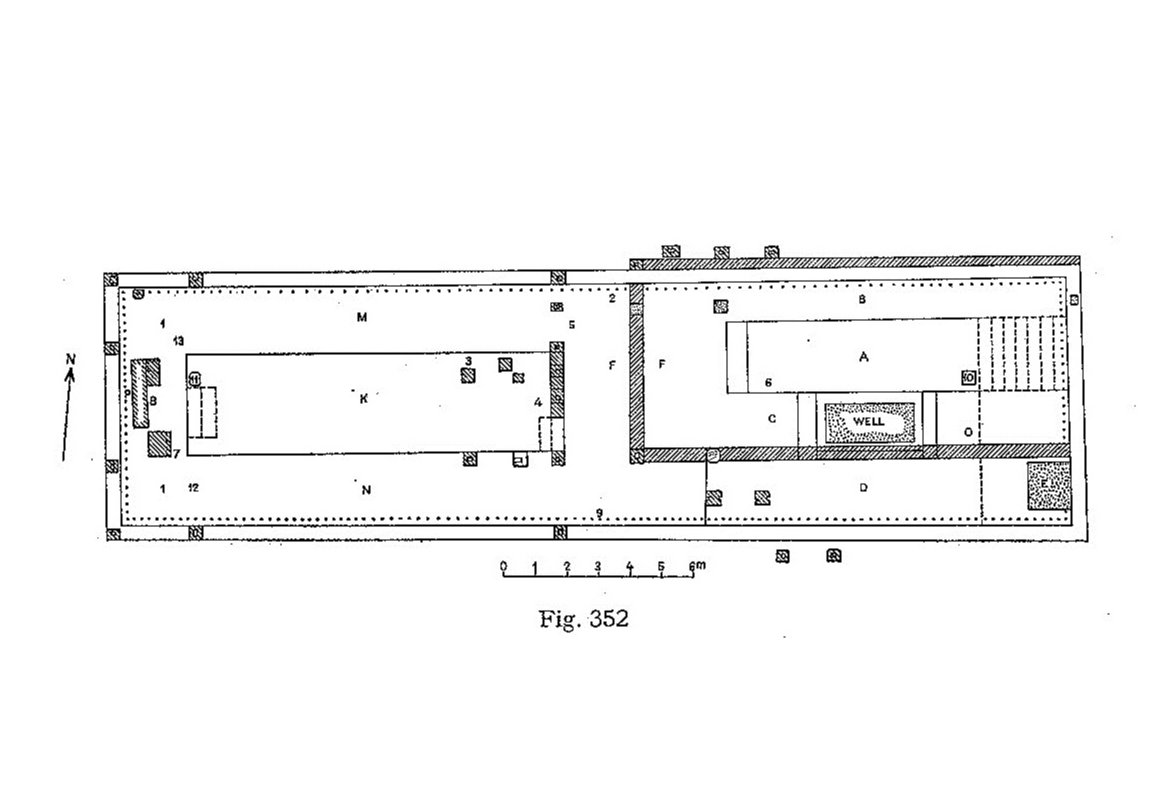
Lors de la construction de l’église Saint-Paul en 1911, un mithraeum a été mis au jour à Königshoffen, vicus gallo-romain situé aux abords du camp légionnaire de Strasbourg-Argentorate.
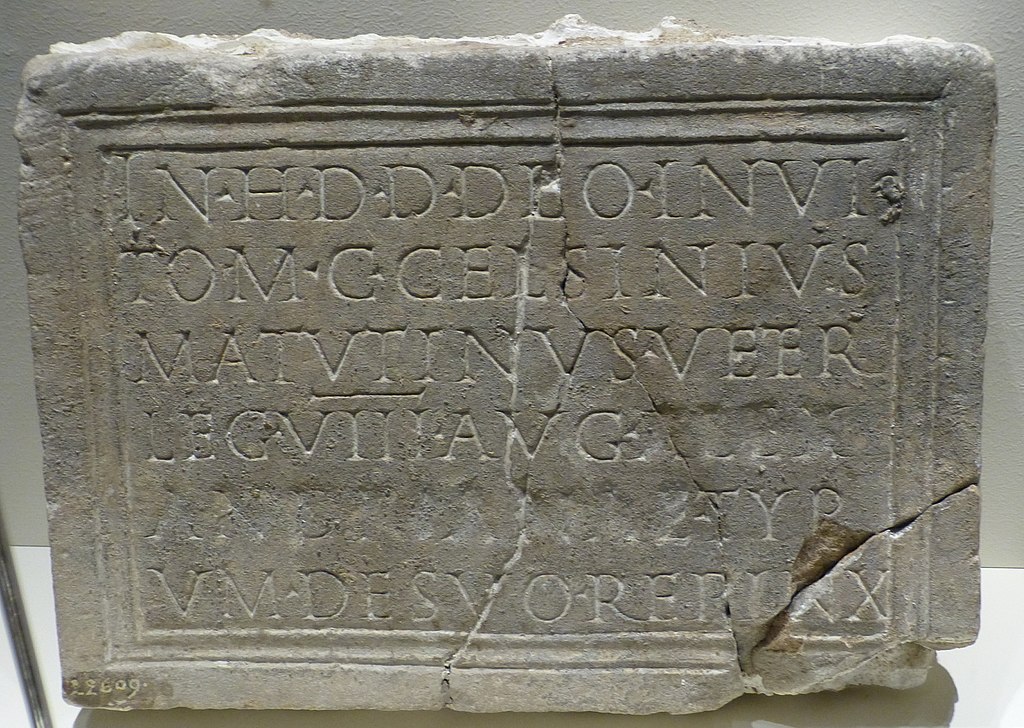
The inscription reports the restoration of the coloured painting of the main relief of the Mithraeum by a veteran of the Legio VIII Augusta.
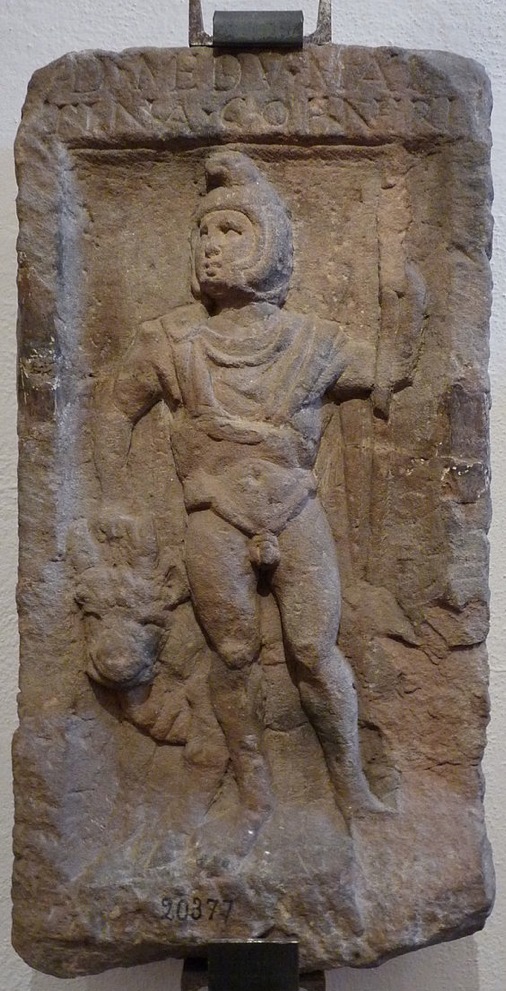
The relief of naked Roman soldier, wearing a mantle and a Phrygian cap, has been related to the Mithras' cult.
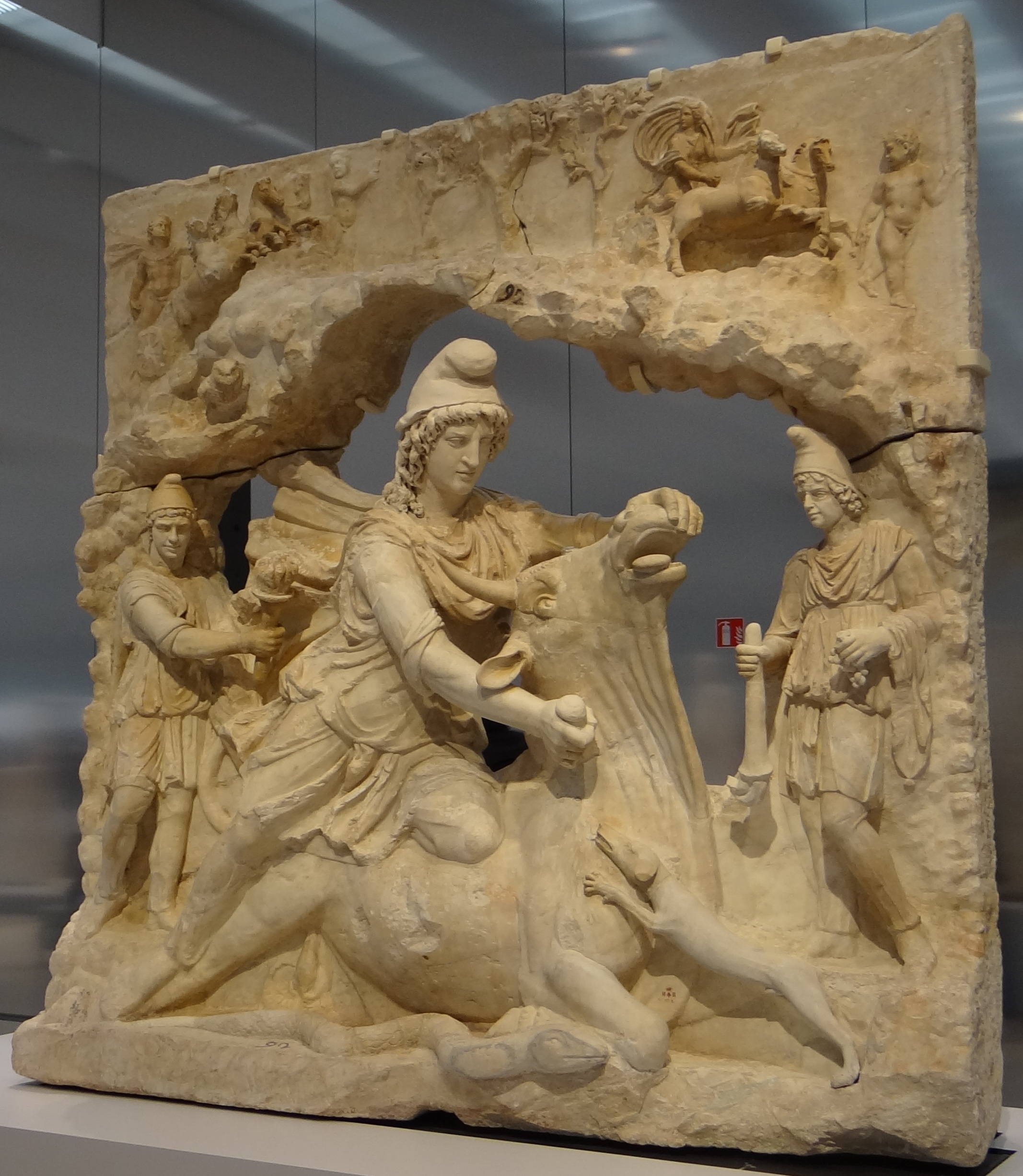
This relief of Mithras slaying the bull was erected in Piazza del Campidoglio, moved to Villa Borghese and is now in the Louvre Museum.
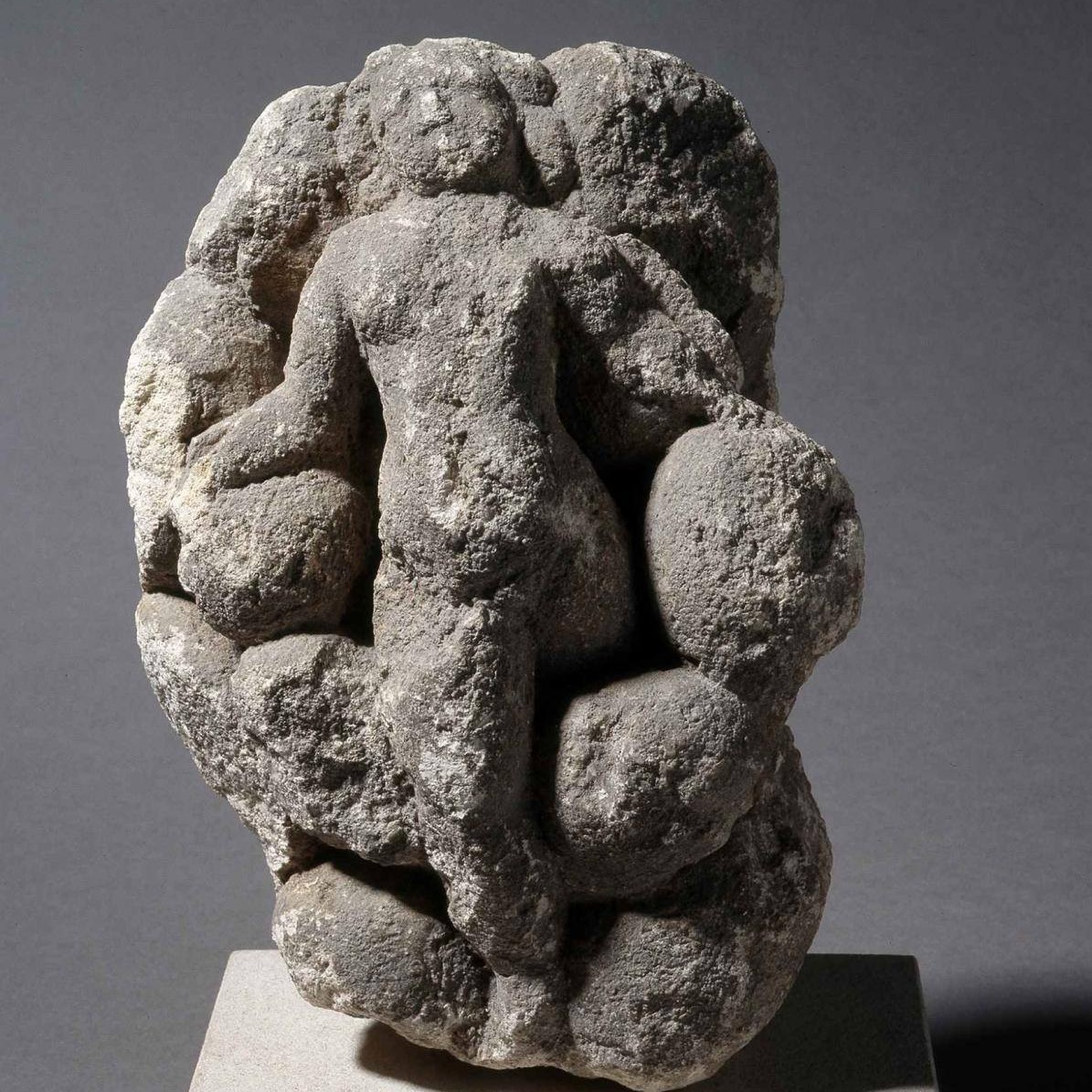
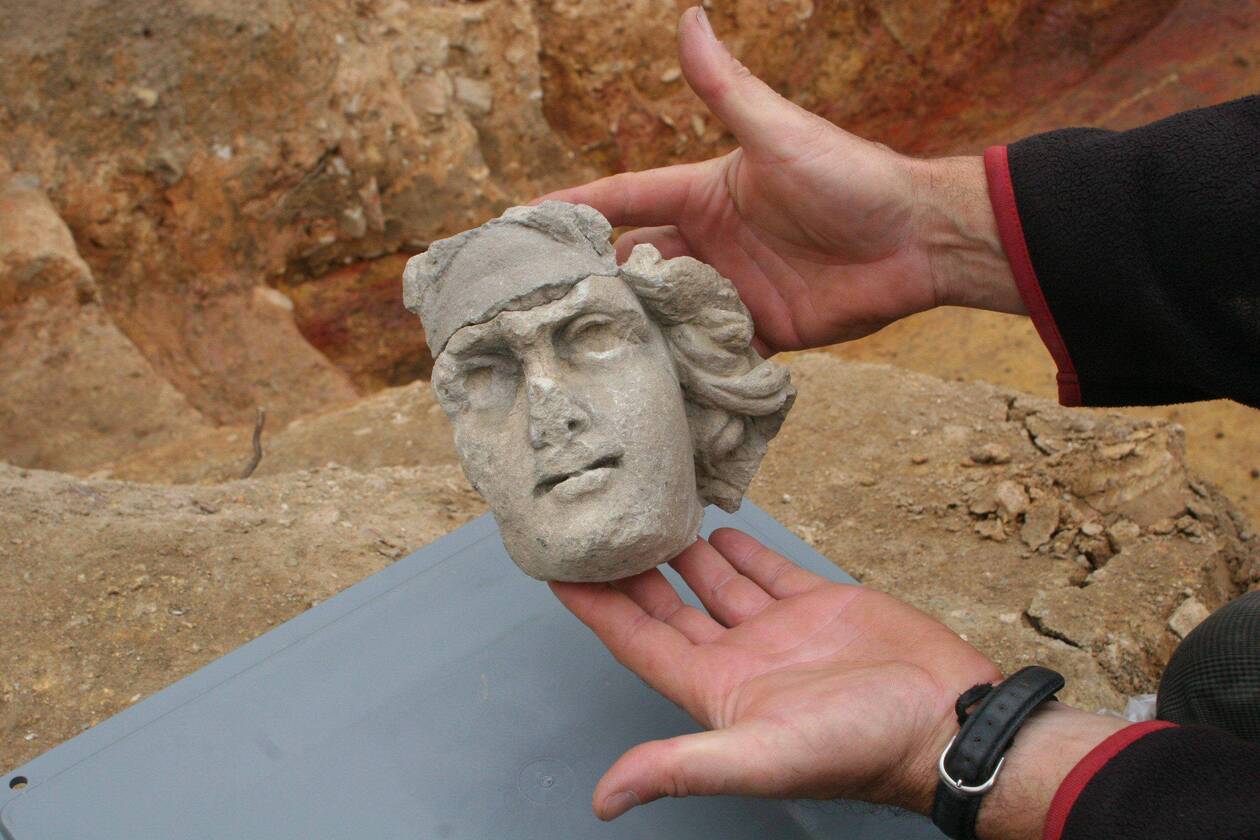
The head of Mithras of Angers has been found a four months after the main relief.
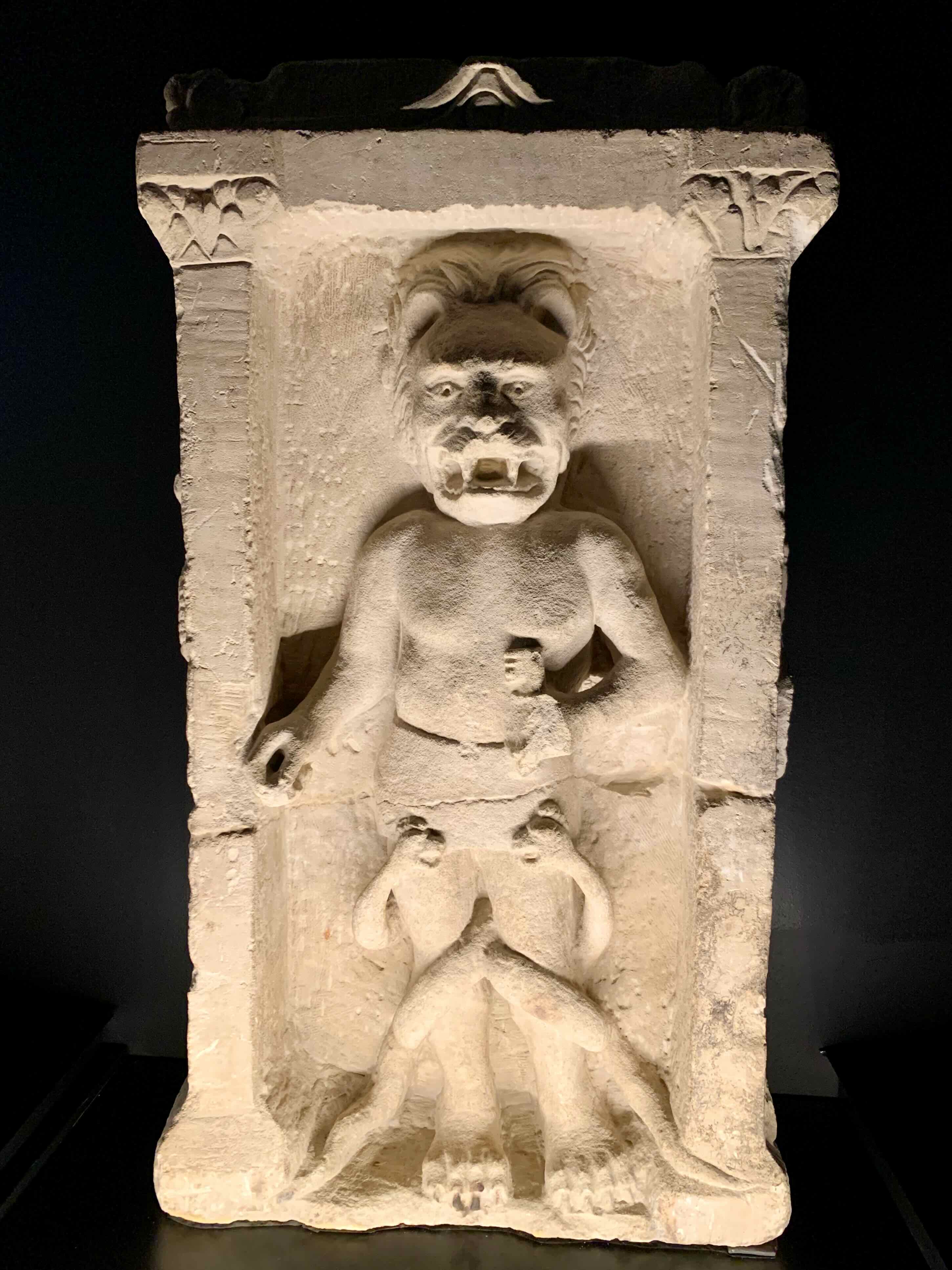
The altar depicting a lion-headed figure from Bordeaux includes a sculpted ewer and a patera on the sides.
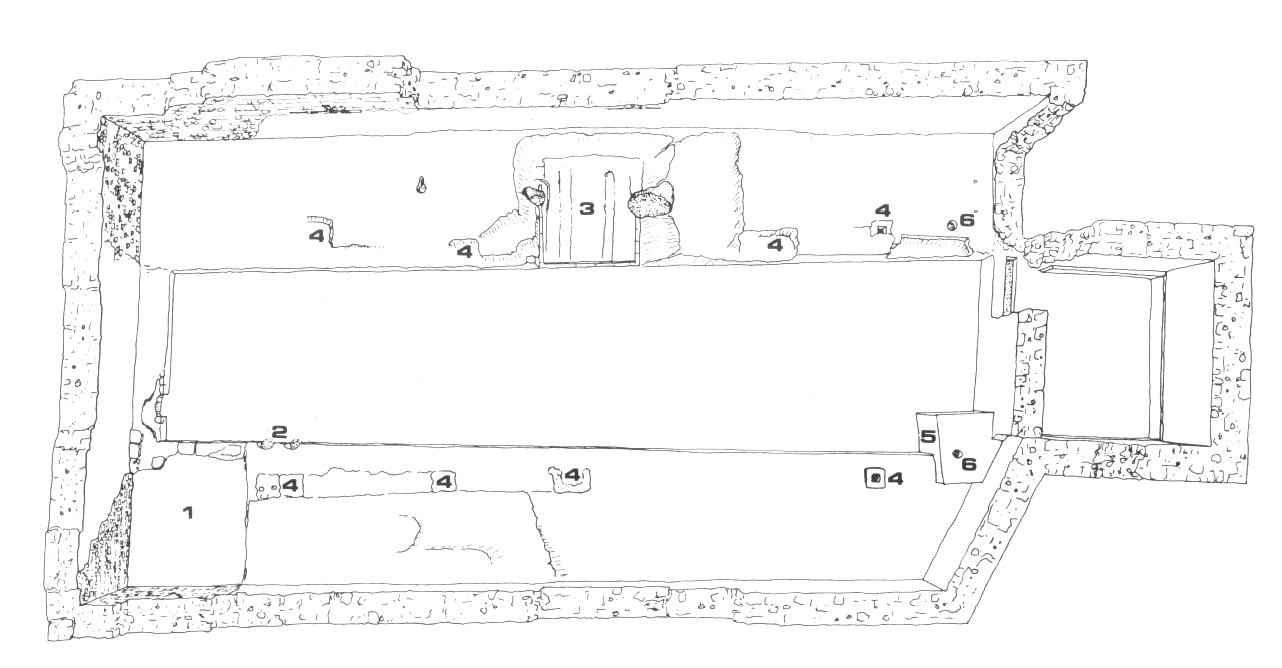
C’est en 1986, à l’occasion de la restructuration de l’ancien magasin Parunis, qu’une fouille de sauvetage archéologique fut réalisée cours Victor Hugo.
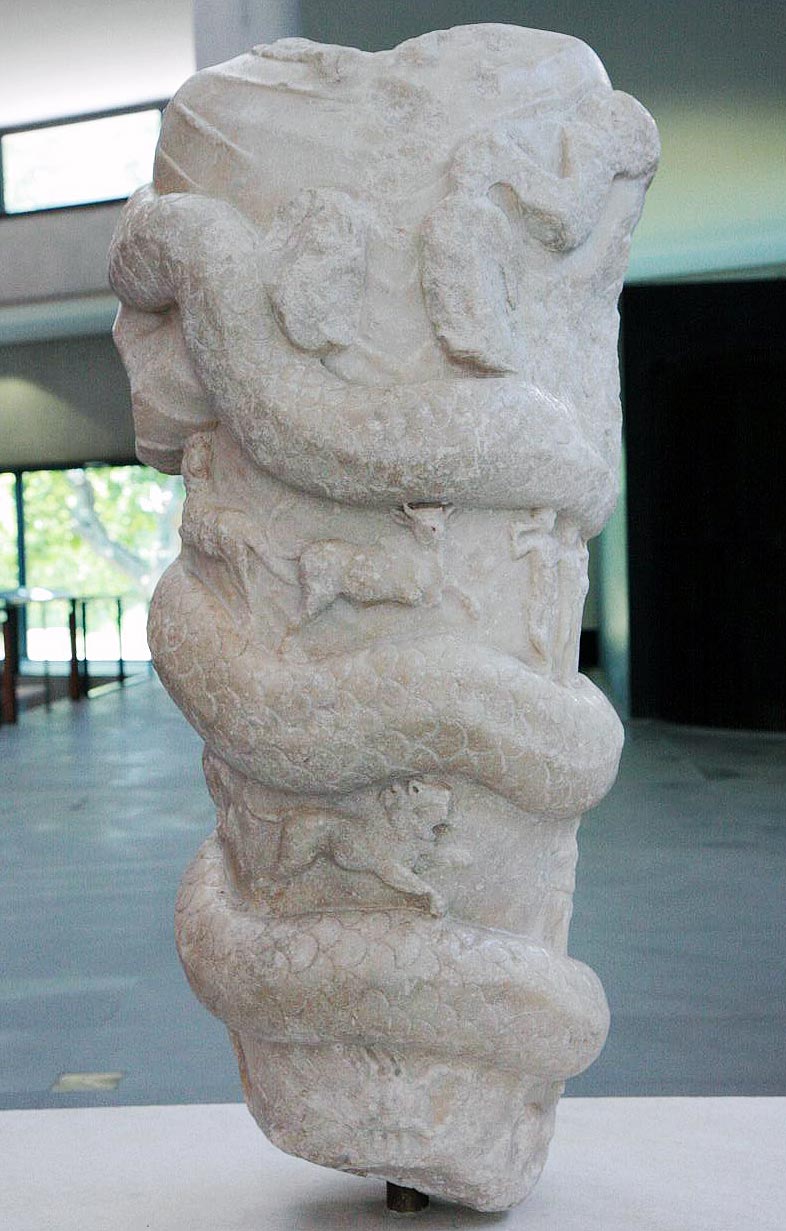
The Aion of Arles includes nine signs of the zodiac in three groups of three, between the spirals of the serpent.


This is one of the few known Mithraic inscriptions dedicated by a member who attained the grade of Perses.
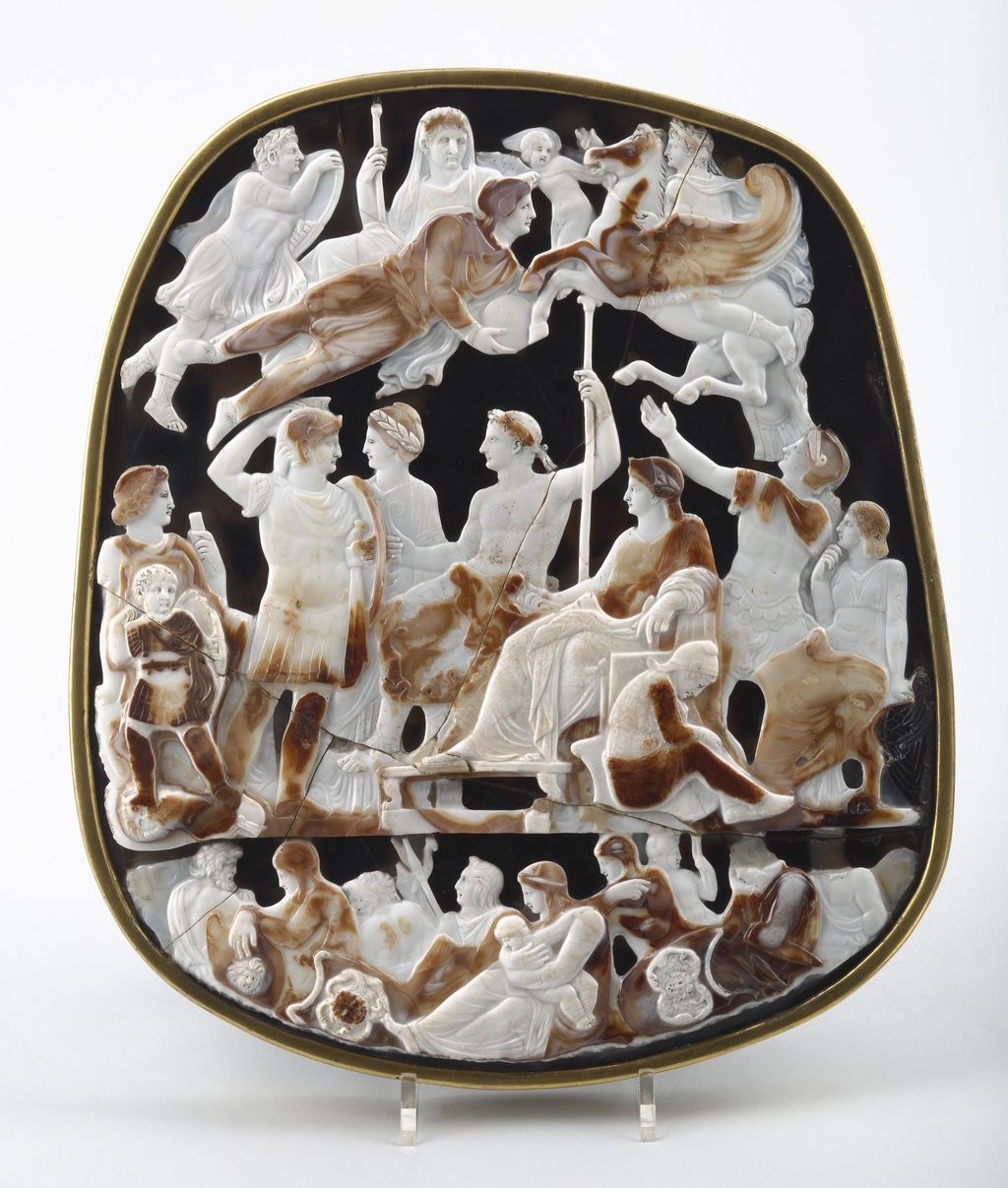
Some authors have speculated that the flying figure dressed in oriental style and holding a globe could be Mithras.
Musée Saint-Raymond, musée d'Archéologie de Toulouse, associate curator of the exhibition Le mystère Mithra, plongée au cœur d'un culte romain.

This tabula marmorea was consecrated by a certain slave Vitorinus in Tibur, nowadays Tivoli, near Rome.

During the excavations of 1804-1805, a series of monuments dedicated to Mithras and a temple were discovered at ancient Mons Seleucus.
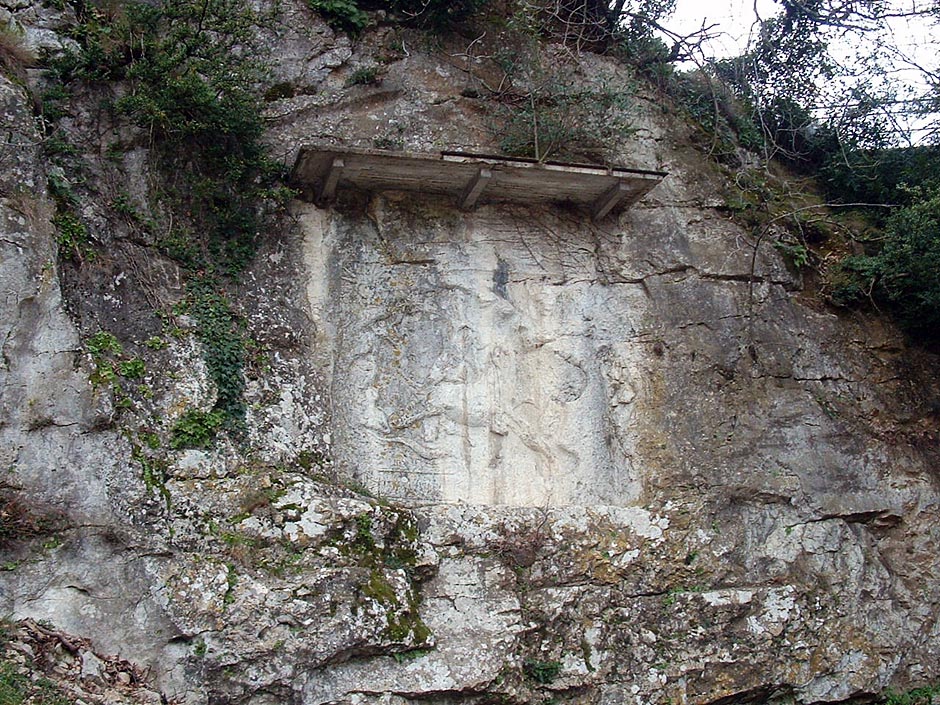
The Mithréum de Bourg-Saint-Andéol was built against a rock where the main Tauroctony was chiseled.
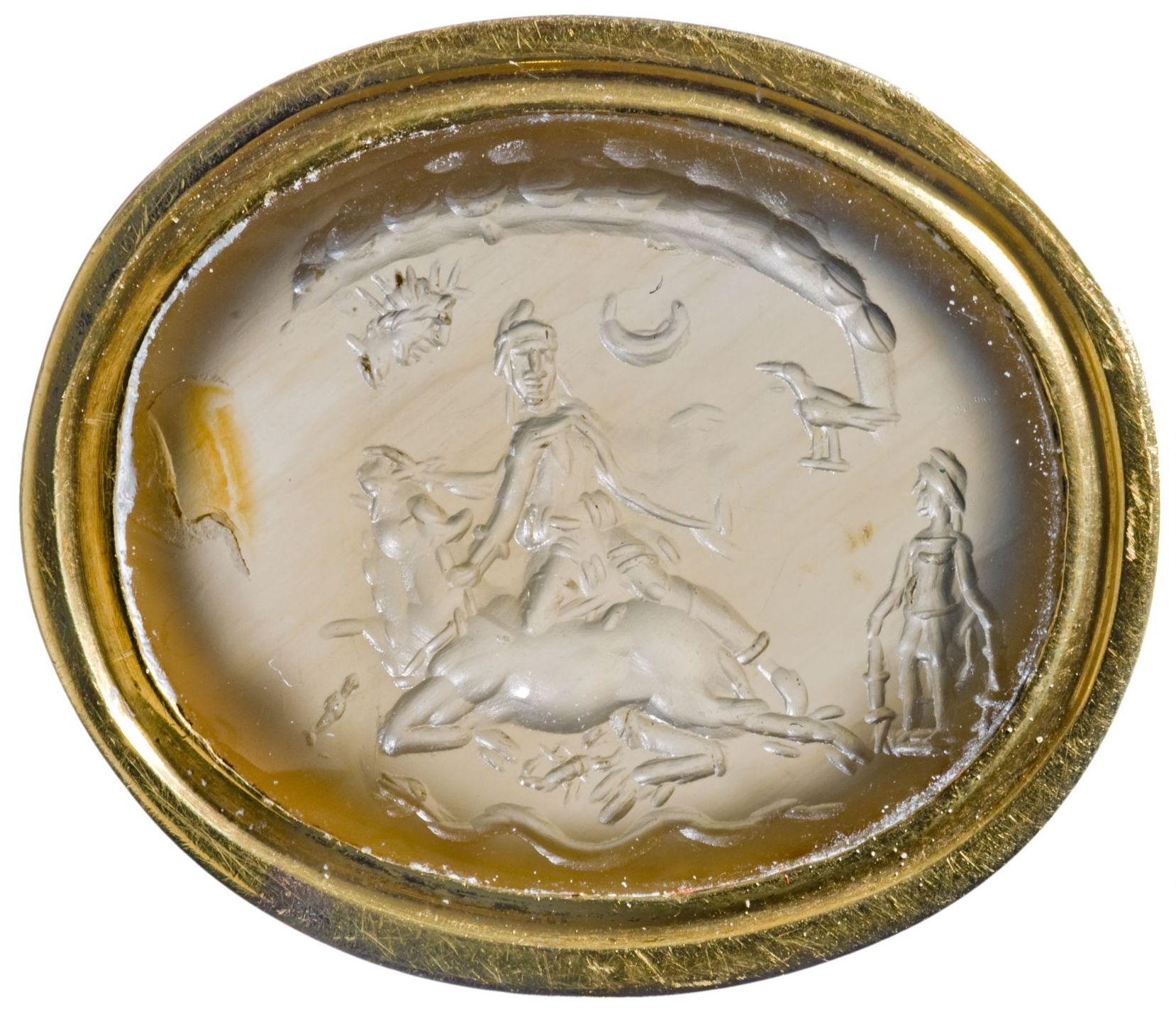
This intaglio depicting Mithras killing the bull is preserved at the Bibliothèque national de France.
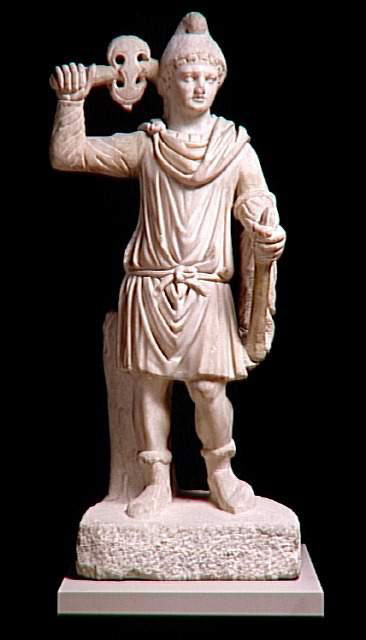
The Cautes of Sidon who wields an axe also wears a piece of cloth on his left arm.
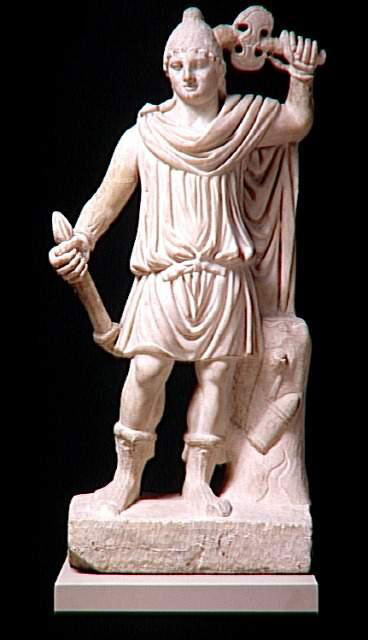
In this case, a quiver has been attached to the tree-stump behind the torchbearer.
