Your search Al. N. Oikonomides gave 3559 results.

Small sandstone altar with red-painted lettering from the Mithraeum at Tirgușor, Moesia Inferior, dedicated by Horimos to the god Caute; the last letters of the inscription are uncertain.
Small sandstone altar with red-painted lettering from the Mithraeum at Tirgușor, Moesia Inferior, dedicated to the god by Horimos.
Yellowish marble tauroctony relief from Acbunar, Moesia Inferior, depicting Mithras killing a bull described as unusually buffalo-like; the god looks back at the raven on the grotto's border.
Limestone altar from the Territorium Troesmense, Moesia Inferior, dedicated to Invicto Mithrae sacrum by Lucius Valerius Fuscus, centurion of a legion.
Limestone altar fragment from the apsidal construction at Ulmetum, Moesia Inferior, bearing a partially preserved inscription mentioning fonte dei — the spring of the god; the Mithraic attribution is uncertain.
Limestone altar from Oescus, Moesia Inferior, dedicated to Deo invicto by Tettius Plotus, veteran of Legio IIII Flavia Fidelis and pater sacrorum — one of the clearest grade attributions from Moesia Inferior.
Large marble altar from Ghighen, ancient Oescus in Moesia Inferior, dedicated to Deo invicto Mithrae by Marcus Titius Maximus, duumviralis of the Colonia, with Aelianus as scribe.
Limestone altar from Stojnik, Moesia Superior, found at a house at Guberevci, dedicated to Deo Mithrae Soli for the welfare of Emperor Severus Alexander.
Stone altar with akroteria from Dražinovići, Moesia Superior, found in 1934 near the brook Savina Voda, dedicated to Invicto deo Mithrae for the welfare of Emperor Severus Alexander.
Altar at Knjaževac (Ravna), Moesia Superior, preserved beneath a water-mill called Kulina, dedicated to Invicto deo for the welfare of Emperor Marcus Aurelius Antoninus Augustus.
Marble altar from near Osmakovo, Moesia Superior, now in the Niš museum, dedicated to Soli invicto by Valerius Iucundus.
White marble altar from Lopata in the Kumanovo district, Moesia Superior, associated with possible Mithraic sanctuary remains at the find-spot.
Limestone altar from Cioroiul Nou, Dacia, dedicated to Soli invicto Mithrae for the welfare of his family by Caius Antonius Iulianus.
Limestone altar fragment from Drubeta, Dacia, bearing a Mithraic dedication.
Votive altar from Păuleni, Dacia, dedicated to Soli invicto for the welfare of Caius Iulius Valentinus, conductor salinarum, by Caius Iulius Ornucio.
Altar from Doștat, Dacia, dedicated to Invicto Soli deo genitori by Publius Aelius Artemidorus, sacerdos creatus a Palmyrenis — a priest appointed by Palmyrene worshippers.
Limestone votive altar from Decea Mureșului, ancient Bruckla in Dacia, dedicated to Invicto Mithrae by Surus.
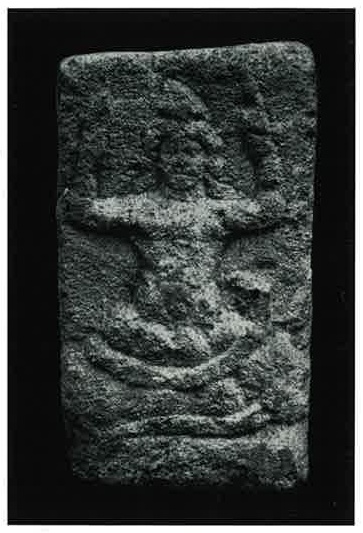
White sandstone altar from Decea Mureșului near Aiud, ancient Bruckla in Dacia, depicting on its front the naked Mithras being born from the rock, holding a torch in his right hand and a dagger in his left, with a coiled serpent below.
Altar from Osijek, ancient Mursa, found when the fortress was demolished in 1922, dedicated to Deo Aeterno — the Eternal God — a title sometimes associated with Mithraic worship.
Altar from Petrovaradin, ancient Cusum in Pannonia Inferior, found around 1690, dedicated to Soli invicto Mithrae by Donatus, sacerdos — one of the attestations of the Mithraic priestly title from the Danubian provinces.
