Your search Bad Ischl im Salzkammergut gave 2085 results.

Inscription from a house staircase at Salona, Dalmatia, dedicated to Deo Mithrae invicto and all the other immortal gods by a dedicant whose name ends in -elius.
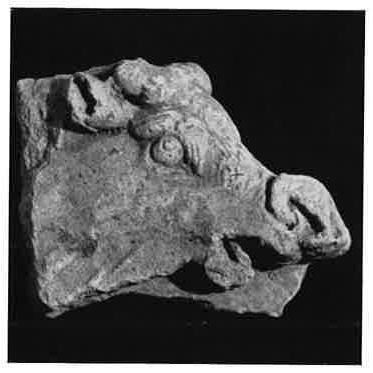
Limestone relief fragment from Salona or its surroundings, Dalmatia, preserving a very fine bull's head and the left hand of Mithras.
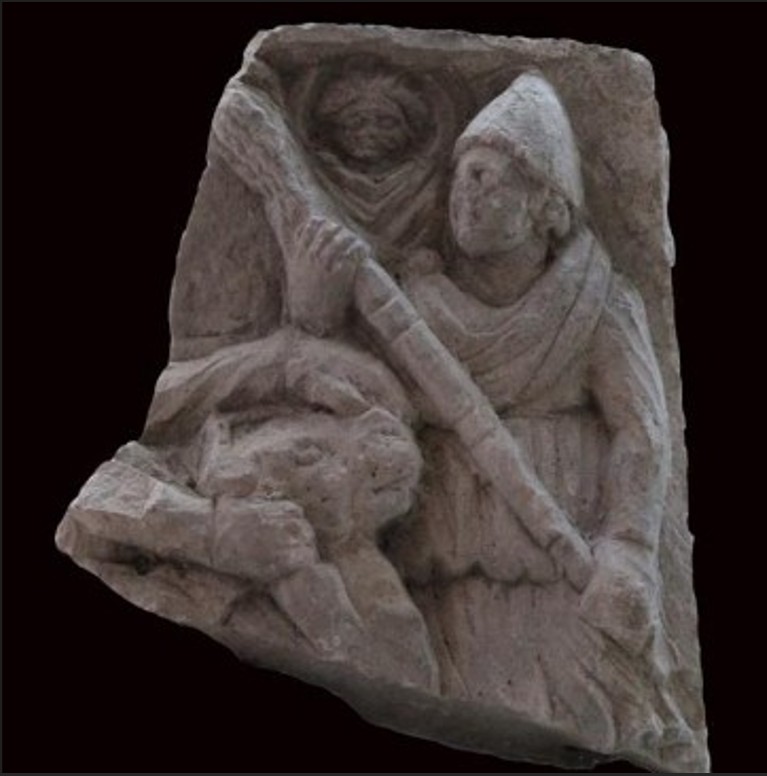
Right upper portion of a limestone relief from Salona or its surroundings, Dalmatia, depicting a standing figure — probably a torchbearer or divine attendant.
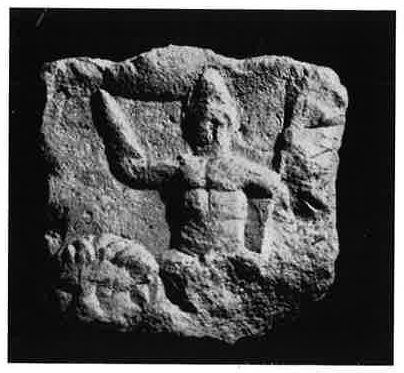
White limestone relief fragment from the walls of Salona, Dalmatia, found in 1906, depicting naked Mithras being born from the rock with a dagger in his right hand and a torch in his left.

Left lower corner of a limestone tauroctony relief from Salona, Dalmatia, preserving the crossed legs of a torchbearer and the grotto base.
Fragmentary inscription from Salona, Dalmatia, preserving only the phrase impendio suo — probably recording a building act.
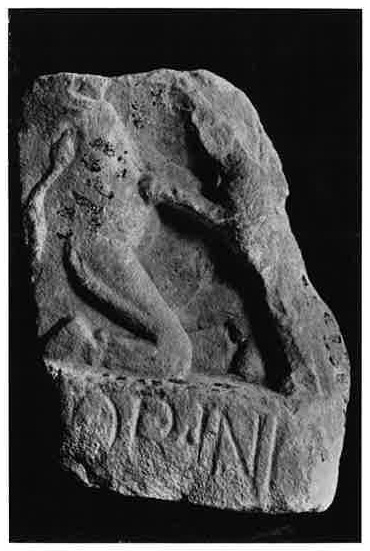
Limestone tauroctony relief fragment from Salona, Dalmatia, preserving the foremost part of the bull, the dog, the serpent, and part of Mithras's dagger hand.

Limestone tauroctony relief from the Mithraeum at Sárkeszi, Pannonia Inferior, depicting Mithras killing the bull with a broad belt, dog, serpent, raven, and torchbearers; the grotto is indicated by rough soil.
Limestone altar fragment from the Mithraeum at Sárkeszi, Pannonia Inferior, recording the restoration of a templum that had collapsed through age.
Altar from Aquincum, Pannonia Inferior, dedicated to Mythrae Nabarze by Tiberius Pontius Maximus — the epithet Nabarze, possibly of Iranian origin meaning 'victorious', is attested on only a handful of Mithraic inscriptions.
Altar found at Altofen in 1855, ancient Aquincum, dedicated to Deo Arimanio — Ahriman, the Zoroastrian adversary — by Libella, leo, as a votive dedication to the fratres; one of the very few Mithraic dedications to Ahriman from the Roman world.
Large limestone altar from near Mithraeum III at Aquincum, Pannonia Inferior, with a hole in the base probably designed to hold a cult object; the detailed iconographic programme of this altar is notable within the Aquincum Mithraic assemblage.
Limestone altar from Brigetio, Pannonia Superior, dedicated to Invicto deo Mithrae by Masuininius Amicus, Augustalis of the Municipium Brigetionis Antoniniani.
Base probably found during the discovery of the Dolichenum at Brigetio in 1899, Pannonia Superior; possibly belonging to the adjacent Mithraeum given its proximity.
Altar from Petronell, ancient Carnuntum, Pannonia Superior, dedicated to Soli divino ex visu by Lucius Aelius Leo — possibly the same individual who dedicated a further altar identifying himself as a miles of Legio XIIII Gemina.
Sandstone plate from Mithraeum III at Carnuntum, Pannonia Superior, dedicated to Deo invicto by Caius Iulius Propinquus, who built a wall ex voto; traces of red on the rim.
Marble altar from Stix-Neusiedl, Pannonia Superior, dedicated to Invicto deo sacrum by Longinus Secundus, with a triangle in the right rim and red-painted lettering.
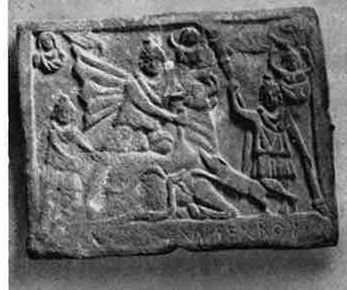
White marble tauroctony relief from Stix-Neusiedl, Pannonia Superior, depicting Mithras killing the bull with the raven perched on the rim of the god's flying cloak — an unusual detail placing the raven on the cloak rather than on the grotto border…
Marble altar from Mithraeum III at Ptuj, ancient Poetovio, dedicated to Deo invicto Mithrae by Titus Flavius Maximianus, decurio of the Colonia Poetovionis.
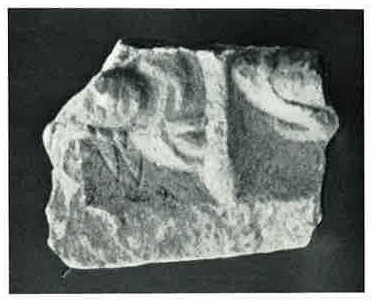
Left upper corner of a marble relief from Mithraeum II at Ptuj, ancient Poetovio, with the dressed bust of Sol in radiate crown above a horizontal rim, beneath which the head of a torchbearer, probably Cautopates.
