Your search Boulogne-sur-Mer gave 706 results.

Sandstone altar found between Celeia and Emona, Noricum, dedicated to Invicto Mithrae by Surio; the misspelling Mitre for Mithrae reflects local phonology.
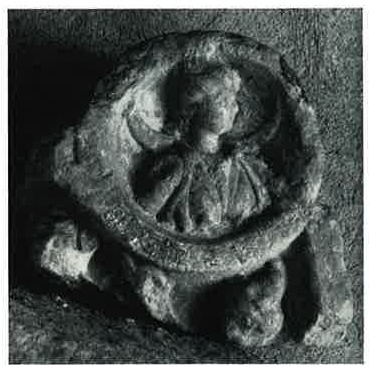
White marble relief fragment from near Klein-Wagna, ancient Flavia Solva in Noricum, preserving part of a tauroctony scene including the bull, Mithras's dagger, and the torchbearers.
Votive stone found at Epfach in 1830, ancient Abudiacum in Raetia, dedicated to Soli sacrum by Tiberius Claudius Mace, son of Tiberius Claudius Mace, apparently a dedication by a son continuing his father's cult.
Square altar from Zwiefalten near Ulm, Raetia, found reused in the apse of a church; local tradition places the original sanctuary on a hilltop between Zell and Zwiefalten, or alternatively near Reichenstein.
Lost stone inscription found reused in a pier of the parish church of St Martin at Günzburg, ancient Guntia in Raetia, dedicated to Deo invicto Mithrae by Publius Oppius Secundus following a vision.
Set of six triangular bronze votive hatchets from Thun-Allmendingen, each inscribed with the name of a deity: Iovi, Neptuni, Minervae, Mercurio, Matribus, and Matroni; forming a unique ensemble of polytheistic dedications within a Mithraic context.
Site excavated by C. F. L. Lohner in 1824–25 at the Renzenbühl near Thun-Allmendingen, Germania Superior, where the outline of five rooms was identified, one or more of which may have served as a Mithraic sanctuary.
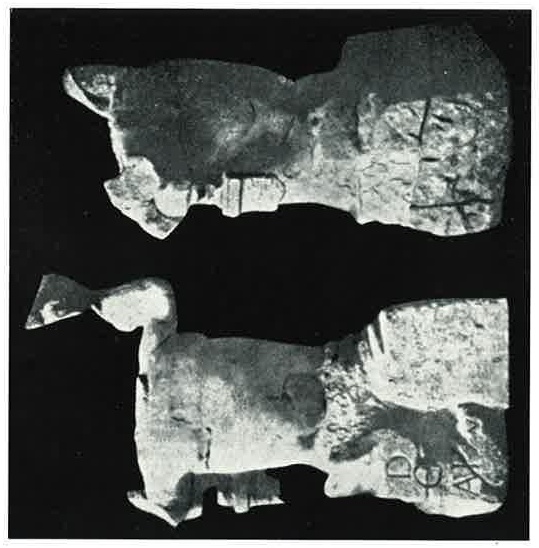
Sandstone statue from the entrance area of the Mithraeum at Königshoffen depicting the youthful naked Mithras emerging from the rock, with the sheath of a dagger still visible at his hip; head, right arm, and left hand are lost.
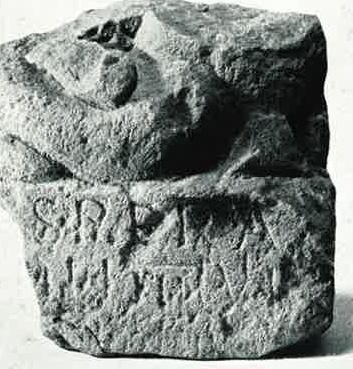
Fragment of a sandstone statue found during cellar excavations at Gross-Krotzenburg in 1848, possibly belonging to the Mithraeum
Red sandstone altar from the Mithraeum at Gross-Krotzenburg, with decorated cornice, found at 1.30 metres from the cult relief
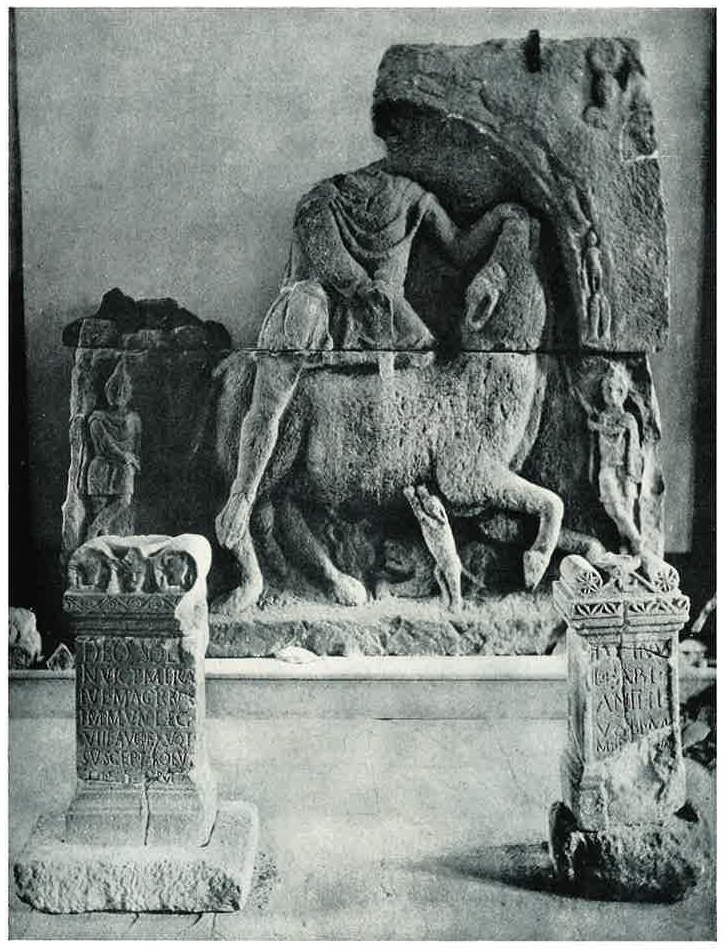
Large two-fragment sandstone tauroctony relief from the Mithraeum at Gross-Krotzenburg, one of the most significant Mithraic monuments in the region
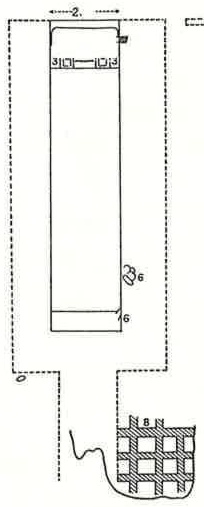
Mithraic sanctuary discovered behind the west part of a Roman cemetery near the camp at Gross-Krotzenburg in 1881, finds destroyed in World War II
Sandstone relief fragment with a cup above an inscription panel, probably from a Mithraic monument.
Group of Mithraic monuments preserved in the museums of Liège.
Structure in the Tarn region initially reported as a Mithraeum but later identified as an ordinary silo.
Bearded nude statue formerly claimed to be Mithraic but later rejected as a seventeenth-century sculpture unrelated to the cult.
Small altar dedicated to Cautopates discovered at Ospedaletto di Gemona and later lost.
Marble base formerly in the Villa Negroni and then the Museo Borgia at Velletri, with bas-reliefs on three sides showing Sol in a quadriga, initiates in Oriental dress and other Mithraic scenes; the collection is now dispersed among museums in Naples and Rome…
Altar formerly in the house of the de Vellis family near the Carmelites in Rome and now in the Museo delle Terme, with a dedication to Silvanus on one side and on the reverse a record by M. Aurelius Bassus, priest of Sol, of having made a fountain flow.
Fragment of a grey marble slab formerly in the Palazzo Caponii and now in the Vatican Musea, Galleria Lapidaria, with an inscription on two arched borders and a leaping ox in the blank space.
