This site uses cookies to offer you a better browsing experience.
Find out more on how we use cookies in our privacy policy.

 
Support The New Mithraeum The New Mithraeum is an independent, non-profit project dedicated to Mithraic studies, ancient religions and classical culture. Developed and maintained independently since 2007, the site exists without advertising, paywalls or institutional funding. If you have found value in its articles, interviews, photographs or database, please consider supporting the project with a contribution. Every contribution helps keep The New Mithraeum open, free and alive. Thank you.
Support us →
Quaere

The New Mithraeum Database

Find news, articles, monuments, persons, books and videos related to the Cult of Mithras

Your search Carlo Pavia gave 12 results.

Socius

Carlos Afonso Santos

Apenas um pesquisador. Sou maçom e tenho estudado muito o assunto.

Socius

ANGEL CARLOS AGUAYO PEREZ

I’m archaeologist and I was in Doliche’s Mithraeum the last summer

 
Monumentum

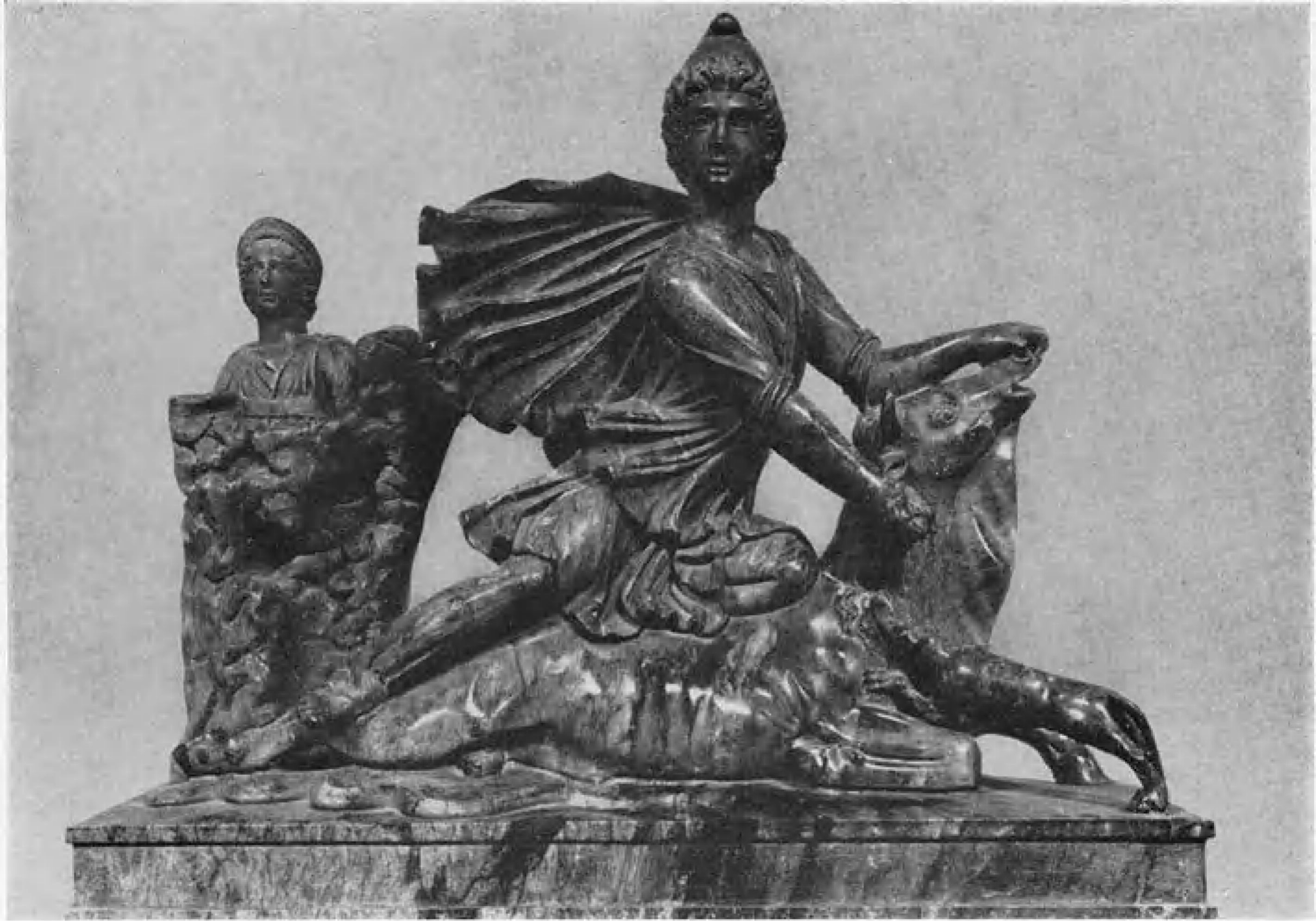
Tauroctony from Albacini

This black marble of Mithras killing the Bull has belonged to the sculptor Carlo Albacini.

 
Monumentum

Mitreo di Ponza

This Mithraic shrine on the island of Ponza is renowned for its exceptional stucco zodiac and astral symbolism linked to Roman Mithaism.

 
Liber

Los cultos de Mater Magna y Atis en Hispania

Tercera entrega de la trilogía de Jaime Alvar dedicada al estudio de los cultos a dioses procedentes de Oriente en la Península Ibérica.

Socius

Jaime Alvar Ezquerra

Historiador experto en Historia Antigua y catedrático en la Universidad Carlos III de Madrid.
 
Notitia

Hallan en el yacimiento romano de Cabra (Córdoba) un lugar de culto al dios Mithra

Las excavaciones llevadas a cabo en el yacimiento arqueológico romano de la villa de Mithra, en Cabra (Córdoba), han deparado el excepcional hallazgo de un mitreo, o zona destinada al culto al dios Mithra, cuya estatua fue descubierta hace unos 70 años…

 
Monumentum

Altar of Benifayó

This altar found in Benifaió, València, was erected by a slave called Lucanus.

Back to Top