Your search Castellammare di Stabia gave 1971 results.
To date, there is no evidence that the so-called Mithraeum of Burham was ever used to worship the sun god.
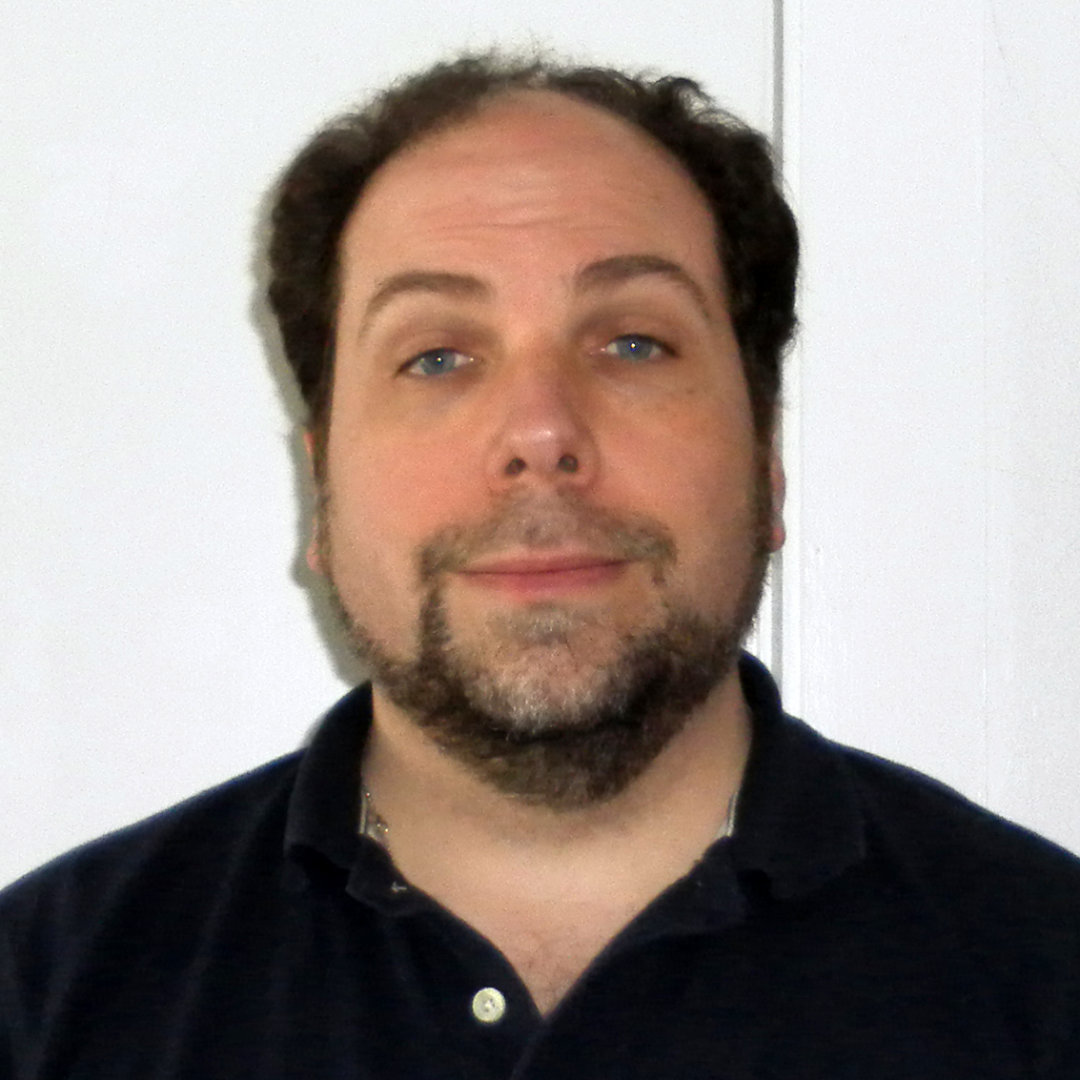
Owner of www.mithraeum.org and the Mithras and Mithraeum discussion lists on Groups.io. Co-founder of Nova Roma and the founder of Byzantium Novum.
The Mithraea in the territory of Arupium were first mentioned by Š. Ljubić in 1882.
For the launch of our YouTube channel, we chat with the author, poet, essayist and friend Peter Mark Adams about the Sola-Busca tarot, a Renaissance masterpiece, uncovering ties to the Mithras cult.
For the launch of our YouTube channel, we chat with the author, poet, essayist and friend Peter Mark Adams about the Sola-Busca Tarot, a Renaissance masterpiece, uncovering ties to the Mithras cult.
The 24th annual MithraCon has been announced! It will be held in New Haven Connecticut from Friday 26th to Sunday 28th April 2024. MithraCon, or the New England Convention of Mithraic Studies, is a small informal conference focused on the study and…
The relief of Mithras killing the bull, found near Zvornik in Bosnia and Herzegovina, features some variations on the usual scene.

Archéologue et historien de l’art belge, professeur à l’université de Liège, et directeur du Domaine & Musée royal de Mariemont.
At least! You can now edit your posts and comments on your Profile / Contribution page. Have I said Happy Saturnalia yet?
Relief of Mithras killing the bull with an inscription from a certain Aurelius Macer who dedicates it to Sol Invictus Mithras.
White marble relief, found near Aix "a la Torse dans un enclos ayant appartenu à la famille de Colonia".
Le Musée Saint-Raymond de Toulouse recherche un médiateur culturel diplômé en archéologie. Pour en savoir plus : [ref:6583260271549]
The two altars found in the Mithraeum of Mundelsheim one of Sol and the other of Luna, are exposed in situ.
The altars of the gods of the Sun and Moon found in the Mithraeum of Mundelsheim wear openwork segments that could be lighten from behind.
The site of Orbe-Boscéaz, Switzerland, also known as Boscéay, is renowned for its mosaics and mithraic temple.
The colossal head has been identified as a solar god, Apollo-Mihr-Mithras-Helios-Hermes.
Mount Nemrut or Nemrud is one of the highest peaks in the eastern Taurus Mountains, southeastern Turkey. On its summit large statues stand around what is supposed to be a royal tomb from the 1st century BC.
