Your search for Drobeta-Turnu Severin gave 18 results.

The modern city of Drobeta-Turnu Severin preserves the memory of the ancient Danubian centre of Drobeta.
Drobeta controlled an important crossing point on the Danube and became one of the major centres of Dacia.

Unpublished tauroctony relief from Turnu Severin, Dacia, with multiple Mithraic scenes including Mithras with Sol, Mithras as archer, and Mithras as bull-slayer.
Limestone altar fragment from Drubeta, Dacia, bearing a Mithraic dedication.
Bronze statuette from Drubeta, Dacia, depicting Mithras placing his left leg on the bull's head — the tauriphoros type — with the bull in a subordinate posture.
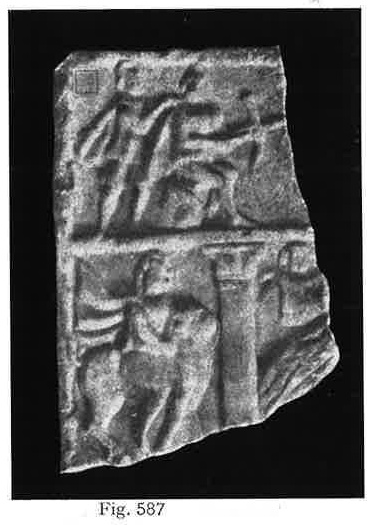
Left upper corner of a white marble tauroctony relief from the Roman camp at Drubeta, Dacia, found in 1896–99, preserving the grotto border and, outside it, Sol in his quadriga with cracking whip.
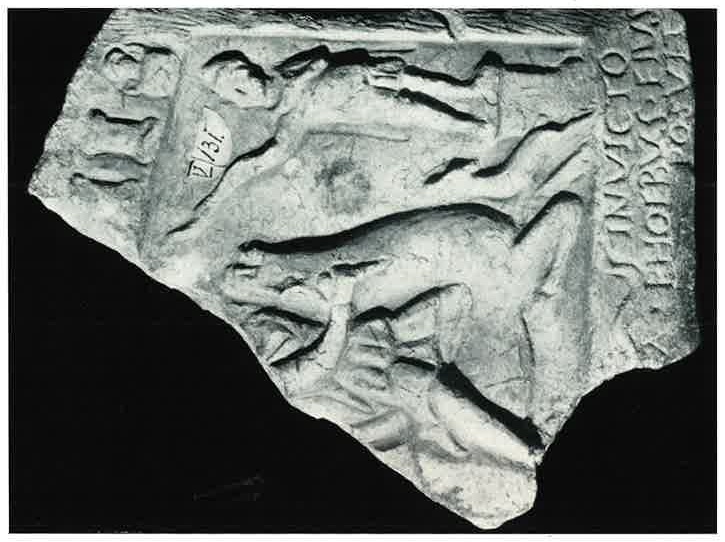
White marble tauroctony relief fragment from Romula, Dacia, now in Turnu Severin; the composition is partially preserved.
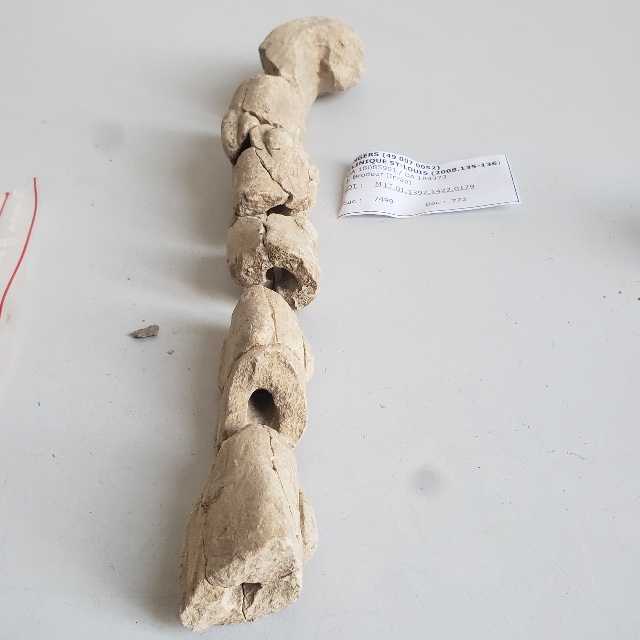



Soldier of the Legio VIII Augusta who dedicated an altar to Deus Invictus at Genava after twenty-six years of service.
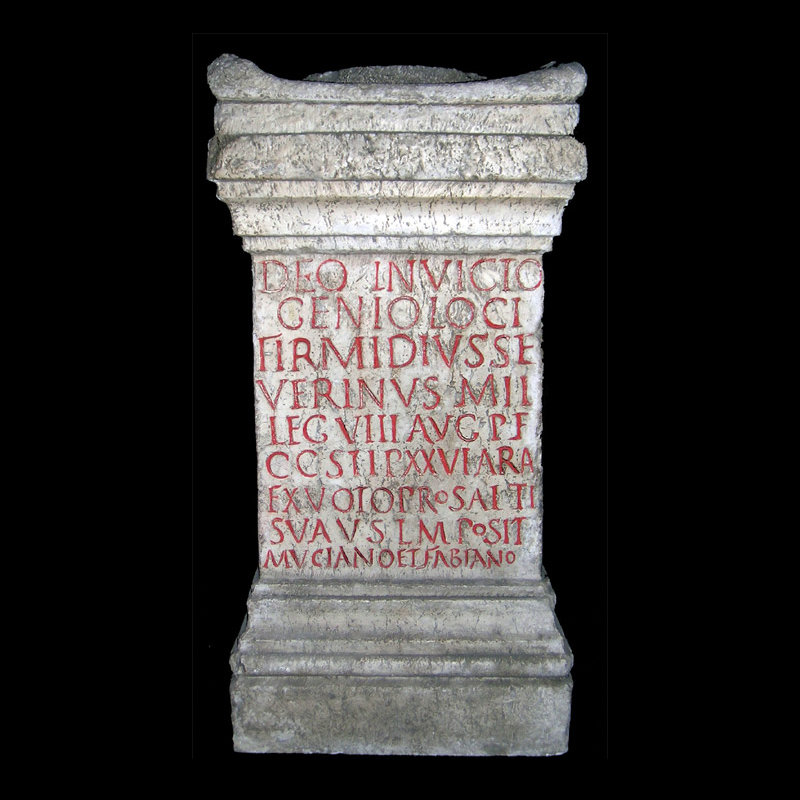
This limestone altar bears an inscription from its donor, Firmidius Severinus, in honour of Mithras after 26 years of service in the Legio VIII Augusta.
Two lost Mithraic monuments from Rome: one documented in a 1738 catalogue of the Palazzo Barberini as a tauroctony group with scorpion, snake and dog, and another mentioned by Pirro Ligorio as a Mithras panel in the Palazzo del Duca di Sanseverino.
Fragment of a small white marble relief showing Mithras slaying the bull with the dog, serpent and scorpion, formerly walled in the inner court of the Palazzo Rondinini (now Palazzo Sanseverino), Corso No. 518.
Inscription from Virunum, Noricum, dedicated to Deo invicto Mithrae for the welfare of Antonius Severinus by Helvius Acceptinus ex voto.
It is well known that Mithras was born from a rock. However, less has been written about the father of the solar god, and especially about how he conceived him.
