Your search Rohr im Kremstal gave 2036 results.

Limestone altar fragment from Drubeta, Dacia, bearing a Mithraic dedication.
Left portion of a large limestone tauroctony relief from Mintia, ancient Micia in Dacia, depicting Mithras killing the bull with a belt, the bull's tail ending in corn-ears, together with subsidiary Mithraic scenes.
Sandstone altar from Alsóbajom near Mediaș, Dacia, with Mithras killing the bull between Cautes and Cautopates on its front face and no animals depicted; Sol appears in the upper left corner and Luna in the upper right.
Limestone votive altar from Decea Mureșului, ancient Bruckla in Dacia, dedicated to Invicto Mithrae by Surus.
Limestone base from Decea Mureșului, ancient Bruckla in Dacia, dedicated to Invicto Mithrae by Iulius Quintus, centurio.

Two limestone relief fragments from Bihać, Dalmatia, found near Kástel Stasi and the Croate Church of Saint Martha, preserving portions of a Mithraic bull-slaying scene.
Finds from the Mithraeum at Konjic, Dalmatia, comprising a large roof nail, fragments of a concentric-circle basin, pottery, glass, animal bones, 32 coins from Gallienus to Constantine, and a pine apple.
Limestone altar from the Mithraeum at Konjic, Dalmatia, dedicated to Soli invicto Mithrae by Veturius Lucius.
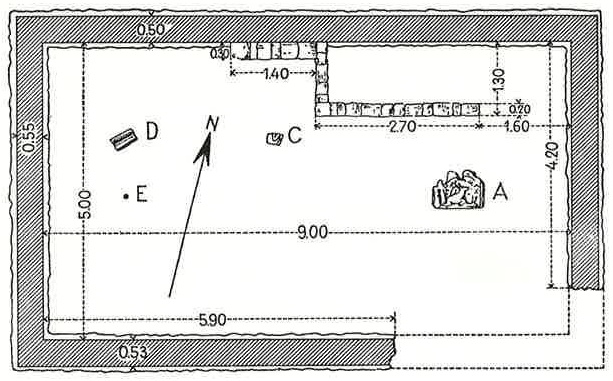
Mithraic sanctuary found in 1897 on the slope of the Repovic mountains on the right bank of the river Trstenic near Konjic in Herzegovina, Dalmatia; a limestone sanctuary with cult relief, altar, and architectural elements.
Inscription from Han Potoci, Dalmatia, dedicated to Deo Soli invicto Meteri by Aurelius Maximinus, Flavius Marcellinus, and Flavius Marcellus; Meteri is interpreted as a variant spelling of Mithrae.
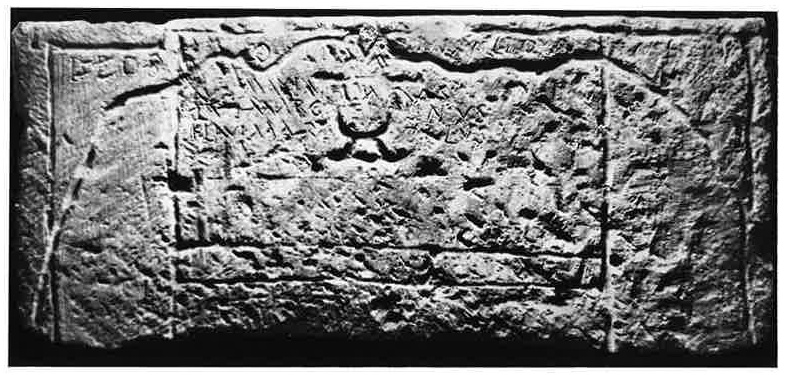
Limestone slab from a Roman settlement at Bijelo Polje north-east of Mostar, ancient area of Han Potoci in Dalmatia, found in 1902 and probably dating to the fourth century AD, depicting a Mithraic scene.
Limestone altar from the ruins of ancient Plevlje, Dalmatia, walled into the well of the local barracks, dedicated to Soli invicto sacrum by Sextus Baberius Ianoarius.
Limestone tauroctony relief fragment from Cavtat, ancient Epidaurum in Dalmatia, preserving the dog leaping up against the bull and part of a Cautes figure not cross-legged.
Inscription from Narona, Dalmatia, dedicated to Deo Soli Iovi optimo maximo aeterno sacrum; the Mithraic attribution is doubtful.
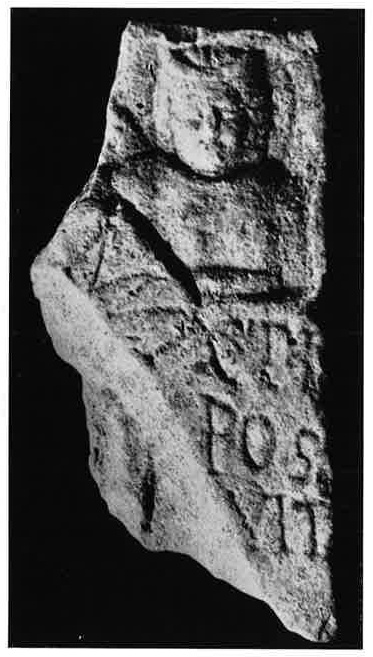
Small limestone tauroctony relief fragment from Gardun near Sinj, ancient Aequum in Dalmatia, found in a field at Oglavak.
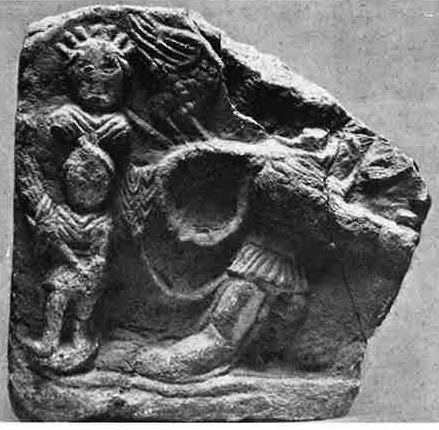
Yellow limestone tauroctony relief found in the bed of the brook Obdulje at Sinać near Otočac in the Lika, Dalmatia, depicting the standard bull-slaying scene.
Altar from Osijek, ancient Mursa, found when the fortress was demolished in 1922, dedicated to Deo Aeterno — the Eternal God — a title sometimes associated with Mithraic worship.
Trapezium-shaped limestone tauroctony relief from Nagytétény, ancient Campona in Pannonia Inferior, depicting Mithras killing the bull in an arched niche with scorpion, serpent, and torchbearers.
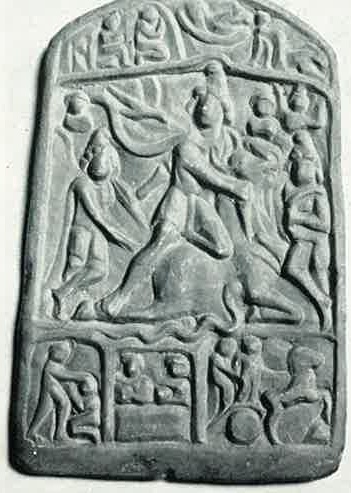
Limestone tauroctony relief found in a grotto at Nagy-Kovácsi, Pannonia Inferior, depicting the standard bull-slaying with flanking torchbearers and divine busts in the upper register.
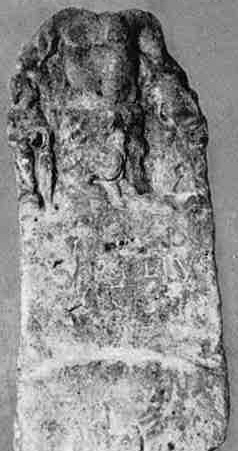
Limestone relief from Schwadorf, ancient Aequinoctium in Pannonia Superior, depicting the naked Mithras being born from the rock with a serpent encircling it, flanked by torchbearers; one of the finest examples of this iconographic type from the Danubian region…
