Your search for Sopron gave 14 results.

Sopron is a city in Hungary on the Austrian border, near Lake Neusiedl/Lake Fertő.
Scarabantia became one of the principal urban centres of western Pannonia near the Amber Road.

Marble inscription fragment from the Mithraeum at Sopron, ancient Scarabantia, preserving only the closing votive formula.
Marble statuette of Cautopates from the Mithraeum at Sopron, ancient Scarabantia, in Phrygian cap and Oriental dress, holding the torch downwards; the head is lost.
Marble statuette of Cautes from the Mithraeum at Sopron, ancient Scarabantia, in Phrygian cap and Oriental dress, holding the upraised torch with both hands; the head is lost.
Inscription from the Mithraeum at Sopron, ancient Scarabantia, dedicated to Deo Soli invicto Mithrae by Caius Valerius Respectus, IIIIvir Augustalis of the Colonia Scarabantiensis.
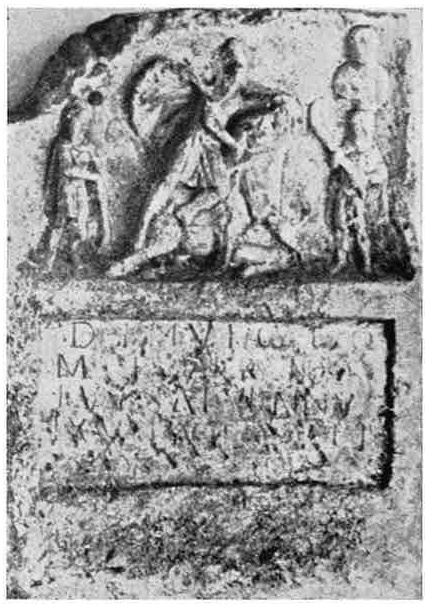
Marble tauroctony relief from the Mithraeum at Sopron, ancient Scarabantia, depicting the standard bull-slaying scene with raven, dog, serpent, scorpion, and torchbearers.
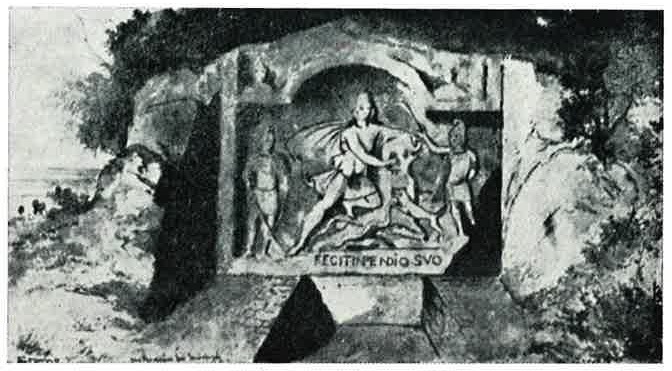
Marble tauroctony relief from the Mithraeum at Sopron, ancient Scarabantia, depicting the standard bull-slaying with raven, dog, scorpion, and cross-legged torchbearers.
Marble inscription fragment from the Mithraeum at Sopron, ancient Scarabantia, recording a dedication to Deo invicto Mithrae by an Augustalis.
Marble altar fragment from the Mithraeum at Sopron, ancient Scarabantia, dedicated to Deo invicto Mithrae by a dedicant whose name includes Secundinus.
Large marble tauroctony relief from the Mithraeum at Sopron, ancient Scarabantia, depicting the standard bull-slaying with raven, dog, serpent, and scorpion, flanked by cross-legged torchbearers.
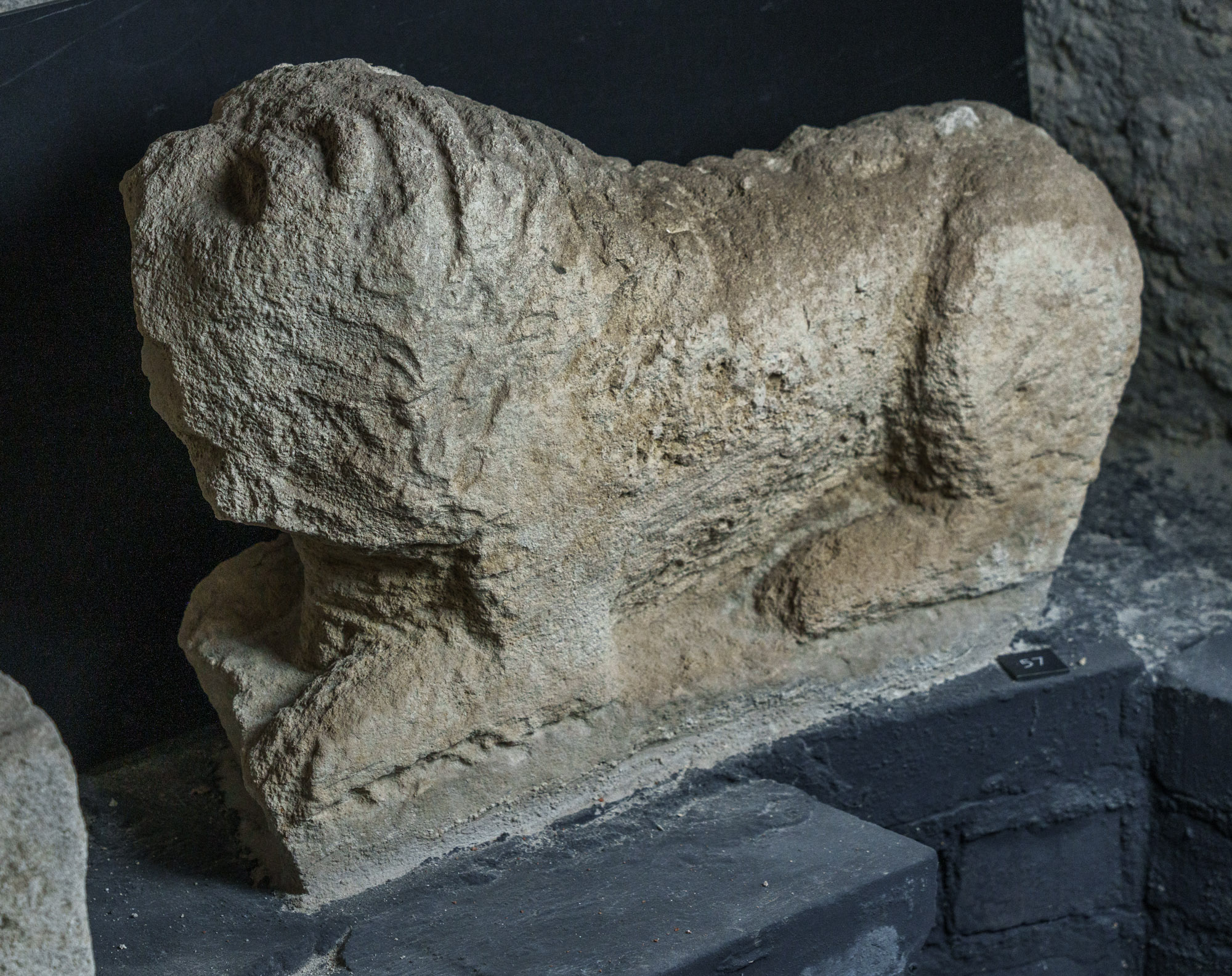
Two limestone sculptures depicting a recumbent lion and a lioness stood near the entrance of the Mithraeum of Fertőrákos, positioned at the threshold of the sanctuary.
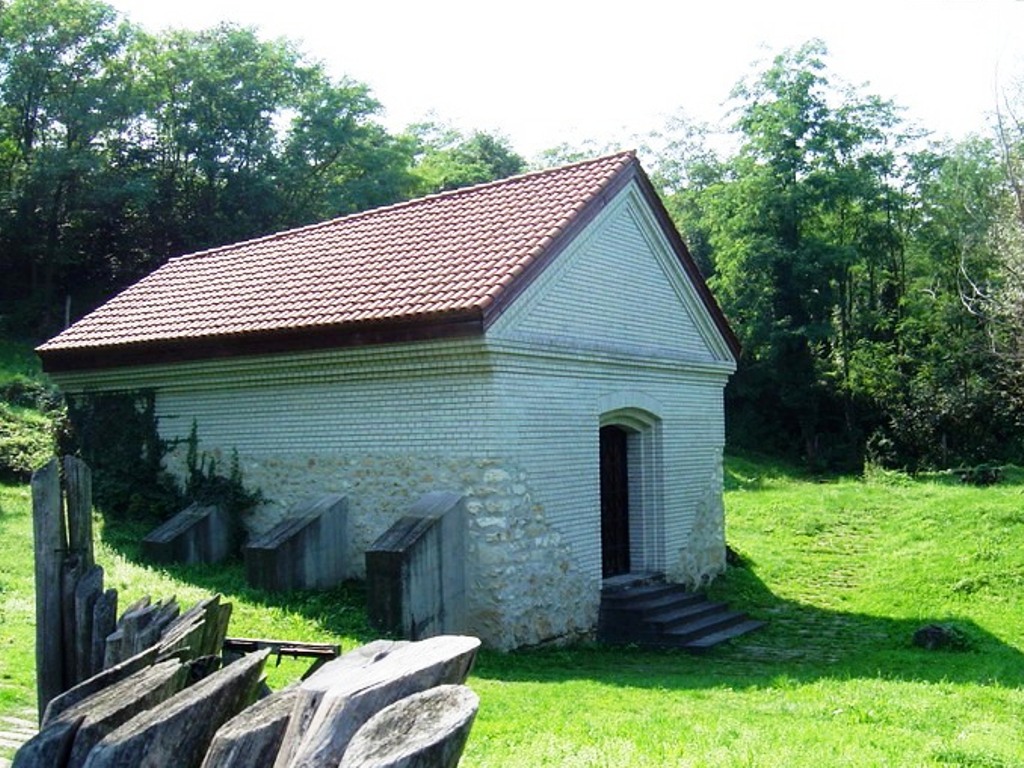
The temple of Mithras in Fertorakos was constructed by soldiers from the Carnuntum legion at the beginning of the 3rd century AD.

Emperor Julian is supposed to have presided over a human sacrifice in the Mithraeum of Scarbantia, according to N. Massalsky.
