Your search St Albans gave 2762 results.


Offered the famous Tauroctony of Osterburken to the unconquerable sun god Mithras.


Marcus Statius Niger was a lion who erected an altar to Cautopates in Statio, the present-day Angera, with his brother Gaius.
The Mysteries of Mithras is an independent Initiatic Order which is inspired by and uses the allegory of the lost and ancient Mithraic Mysteries also known as Mithraism a previously influential Roman Cult of the same name.
Porphyry states that the Mithraists “perfect their initiate by inducting him into a mystery of the descent of souls and their exit back out again, calling the place a ‘cave’.”.
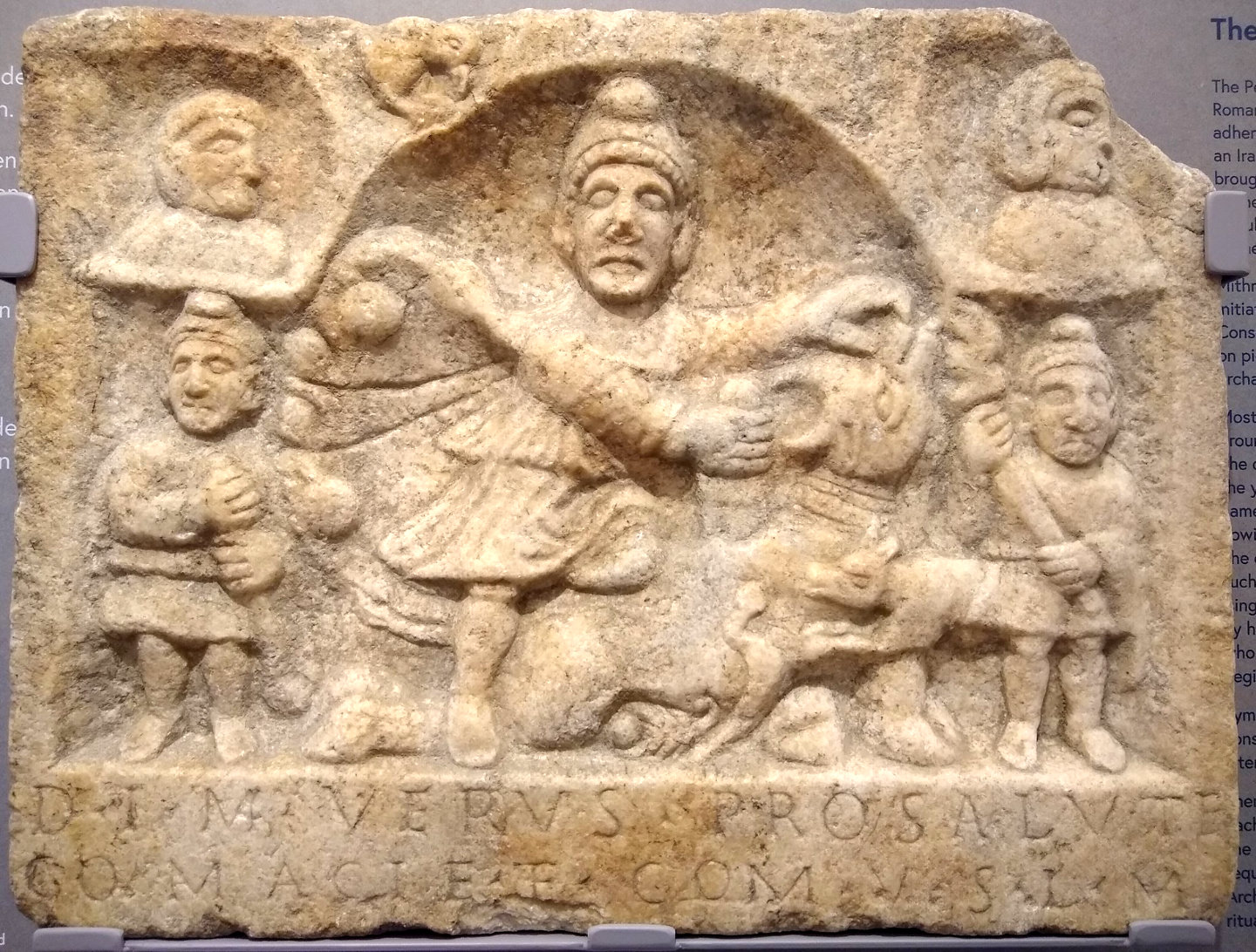
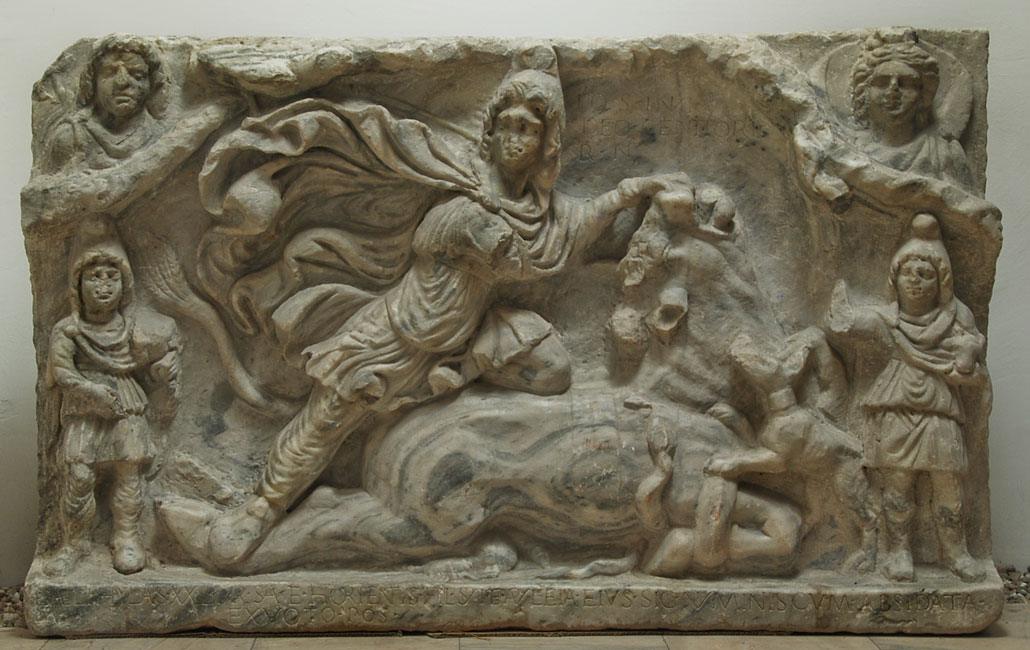
The votive image was donated by a certain Verus for a mithraeum which was probably located in the hinterland of the Limes.

Ernest Renan suggested that without the rise of Christianity, we might all have embraced the cult of Mithras. Nevertheless, it has had a lasting influence on secret societies, religious movements and popular culture.
During the first semester of his sophomore year at Crozer, King composed a paper for Enslin’s course on Greek religion, focusing on Mithraism.
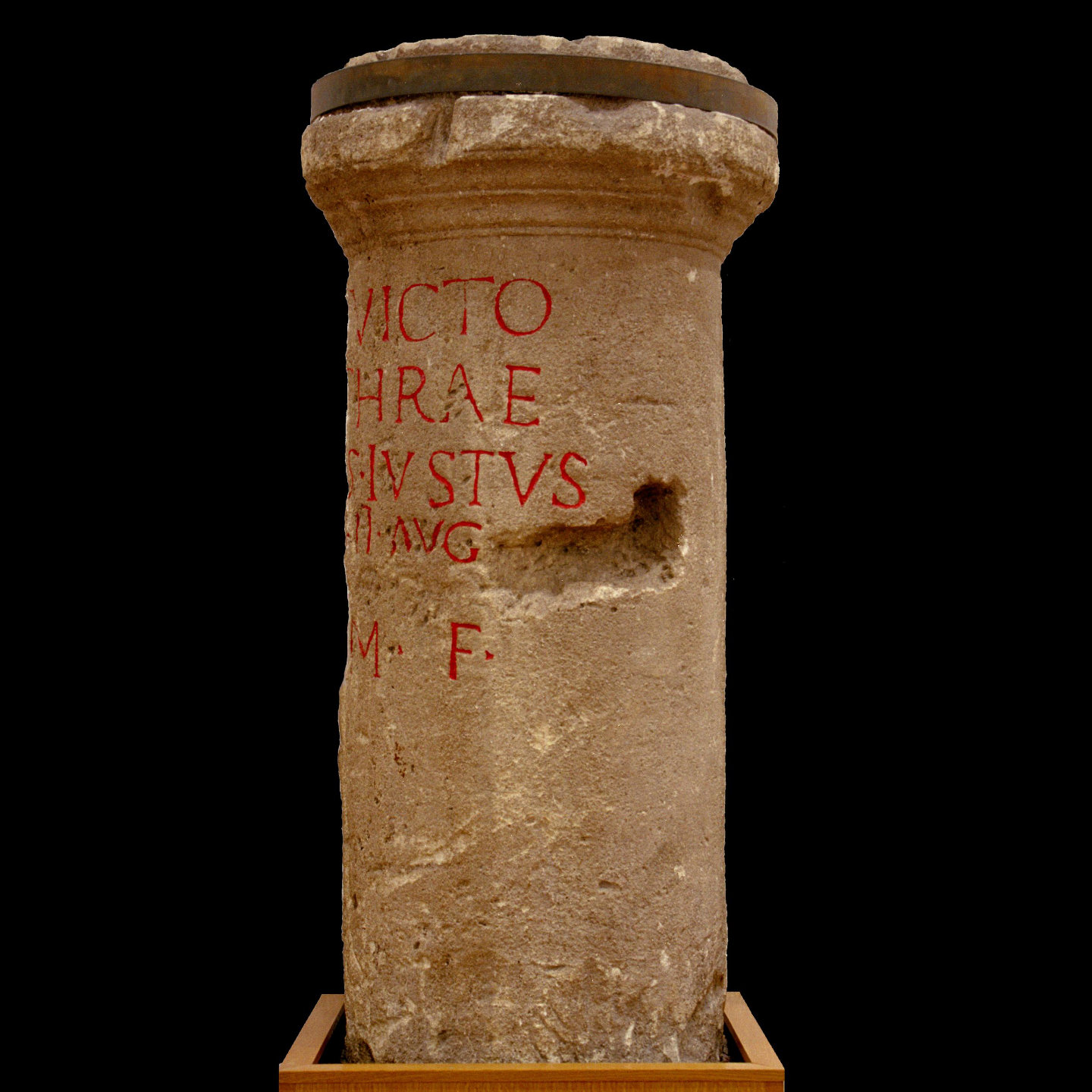
This oolite base, dedicated to the invincible Mithras, was found in the baths of the Villa de Caerleon, Walles.

This marble bust of Sol, found in the Mitreo di San Clemente, had five holes in the head where rays had been fixed.
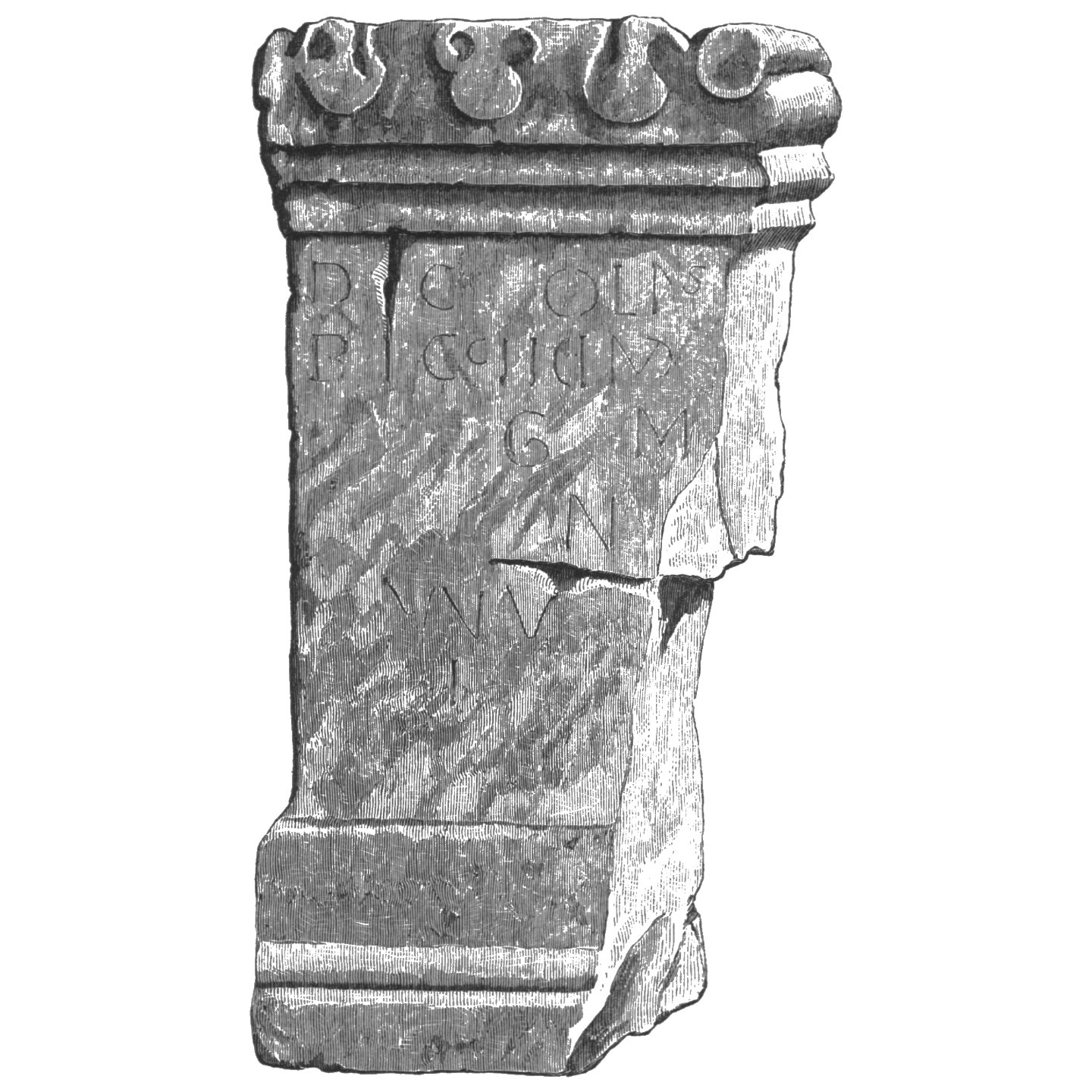
Horsley thought that, like some other inscriptions in the Naworth Collection, this altar also had come from Birdoswald.
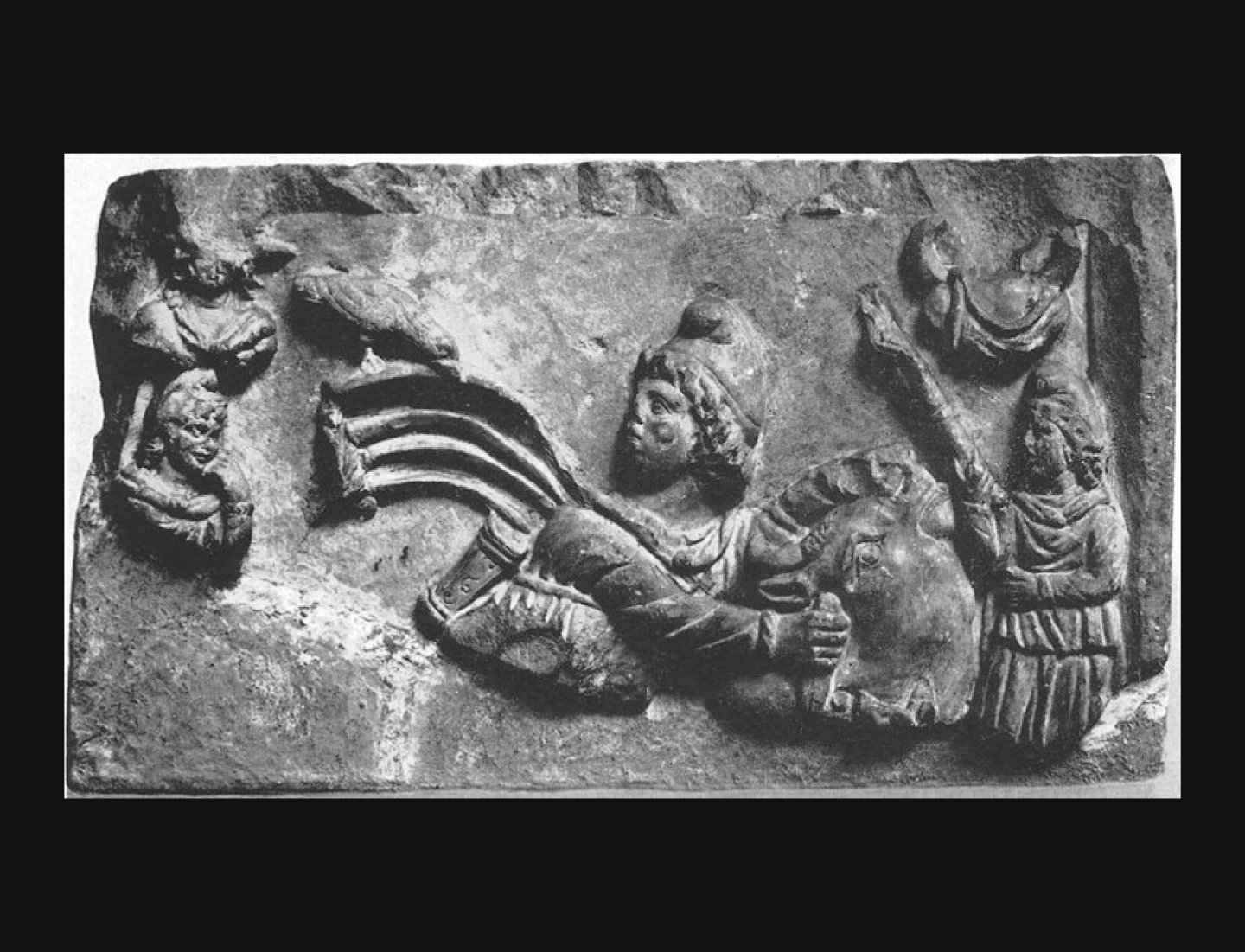
Franz Cumont bought this relief of Mithras as a bullkiller from a dealer who claimed to have found it in a vineyard near the church of Saint Pancrace, in Rome.
This monument bears an inscription by a certain Lucius Aelius Hylas, in which he associates Sol Invictus with Jupiter.
This lost monument bears an inscription to Cautes by a certain Tiberius Claudius Artemidorus.
Second Mithraic monument dedicated by the Kastos family, found not far from the Arco di S. Lazzaro, in Rome.
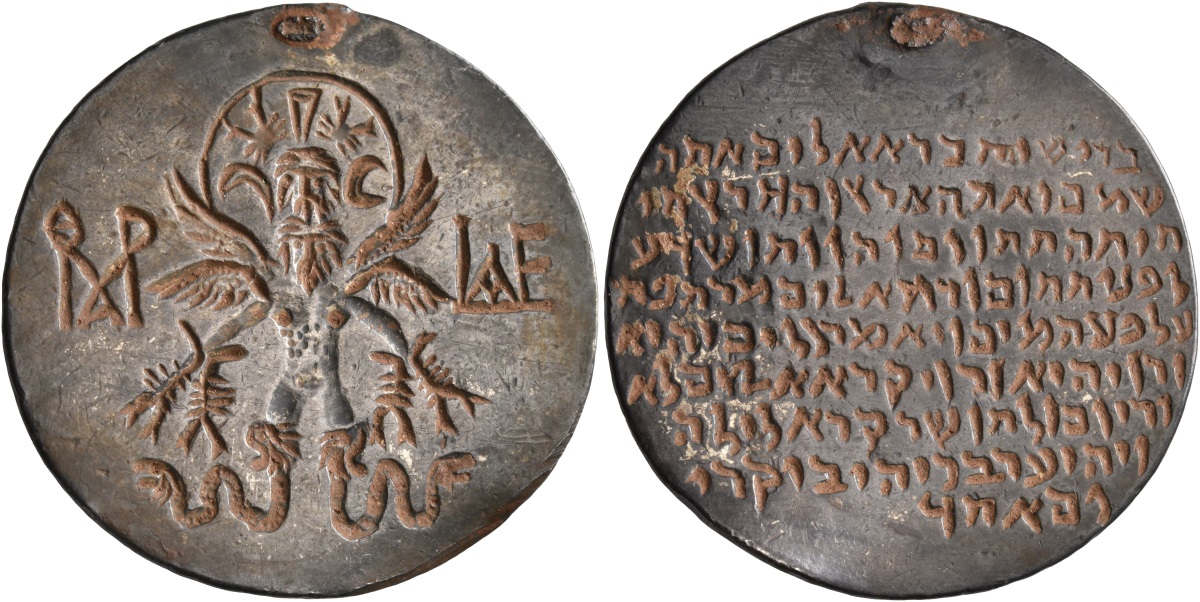
This silver amulet depicts Abraxas on one side and the first verses of the Book of Genesis in Hebrew on the other.
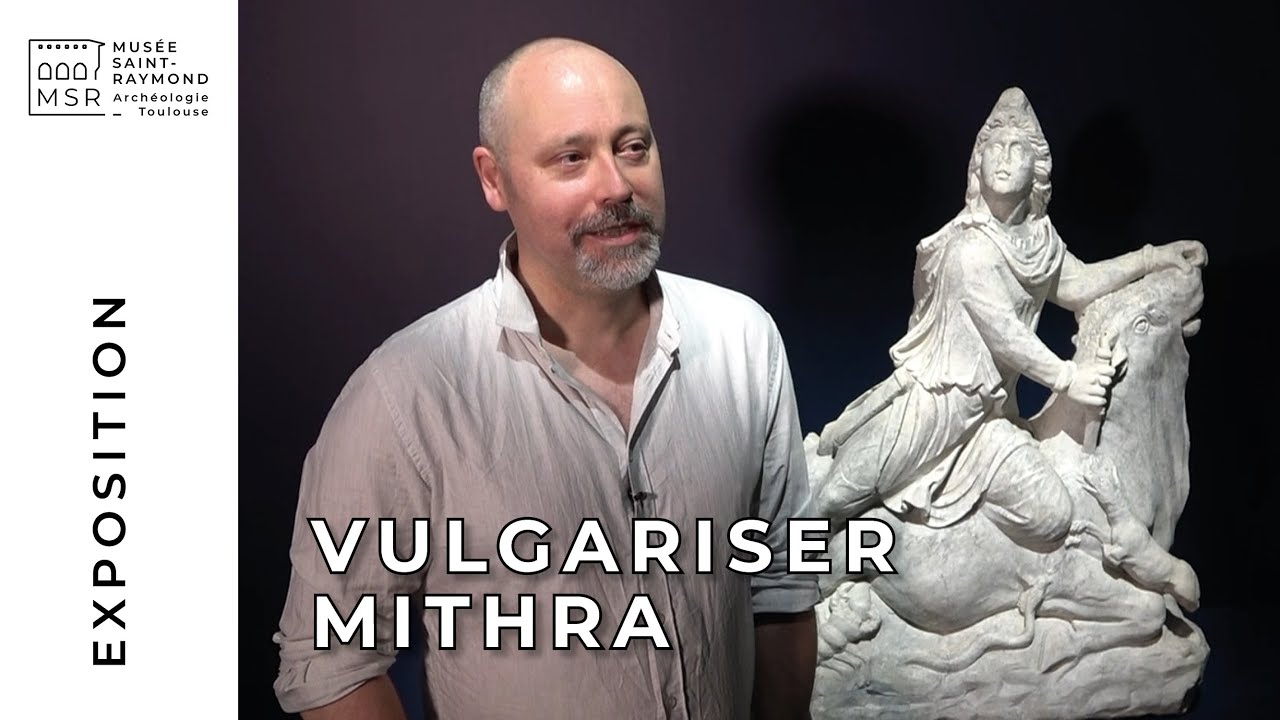
Jean-Christophe Piot a participé à la réalisation de l'exposition 'Le mystère Mithra' en réalisant des pastilles sonores sur certaines œuvres de l'exposition.
