Your search Tal hal Hariri / Es-Sâlihiyeh / As Salhiyah gave 3730 results.
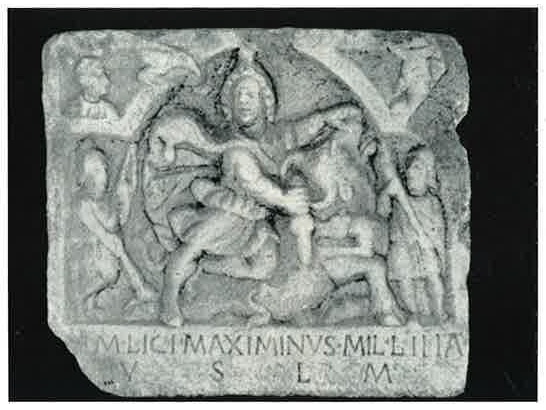
White marble tauroctony relief from Mithraeum II at Ptuj, ancient Poetovio, depicting Mithras in Oriental dress killing the bull with a girdle and the raven perched on the grotto's border.

Colonia Ulpia Traiana Augusta Dacica Sarmizegetusa was the capital and the largest city of Roman Dacia, later named Ulpia Traiana Sarmizegetusa after the former Dacian capital, located some 40 km away. The city was destroyed by the Goths.
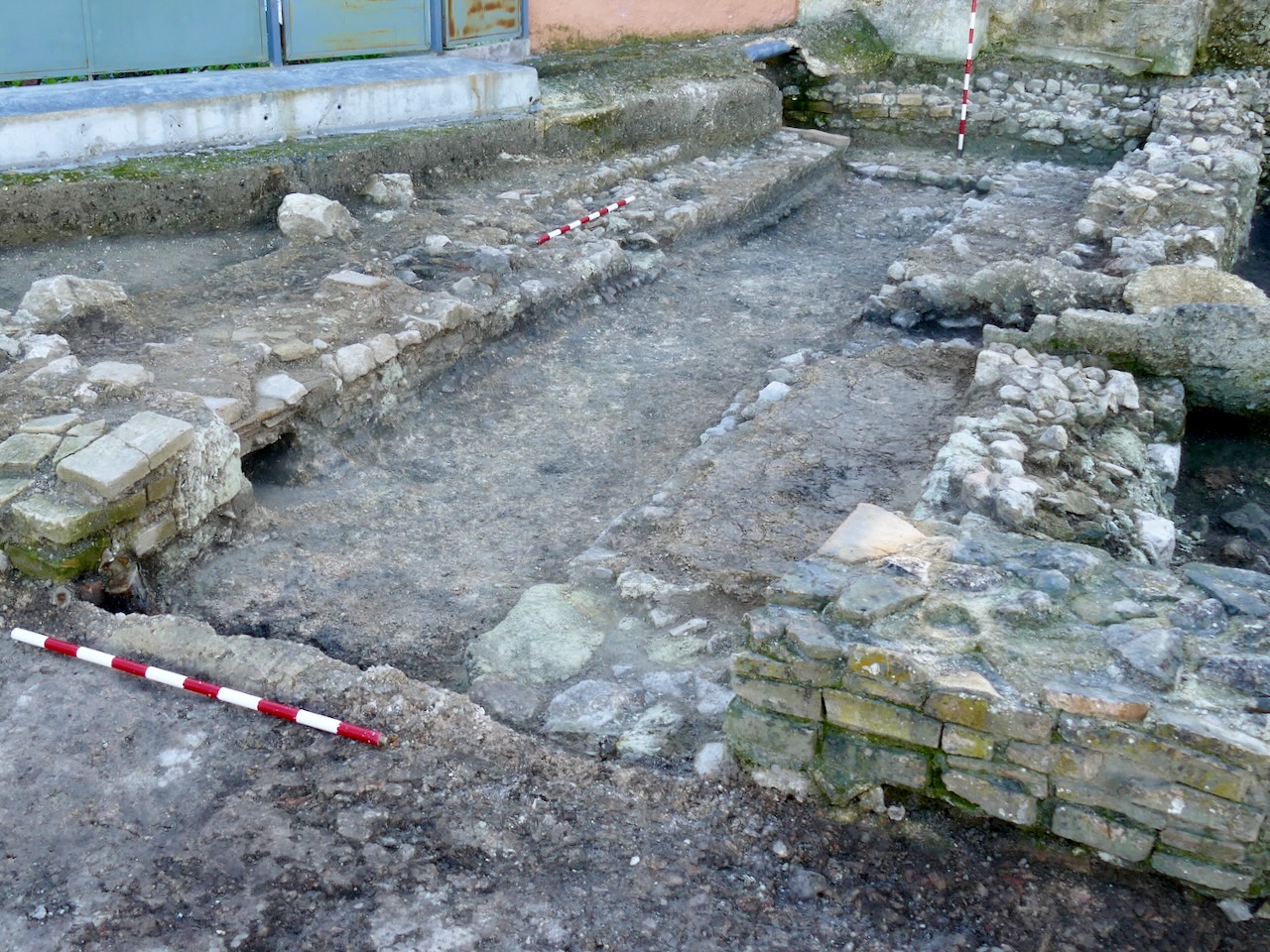
The Mithraeum of Cabra is located in the Villa del Mitra, which owes its name to the discovery in 1951 of a Mithras tauroctonus in the remains of the Roman villa.

Commagenean sanctuary preserving relief fragments of Mithras greeting royal figures at the hierothesion of Mithridates Kallinikos.

In this relief of Mithras as bull slayer, recorded in 1562 in the collection of A. Magarozzi, Cautes and Cautopates have been replaced by trees still bearing the torches.
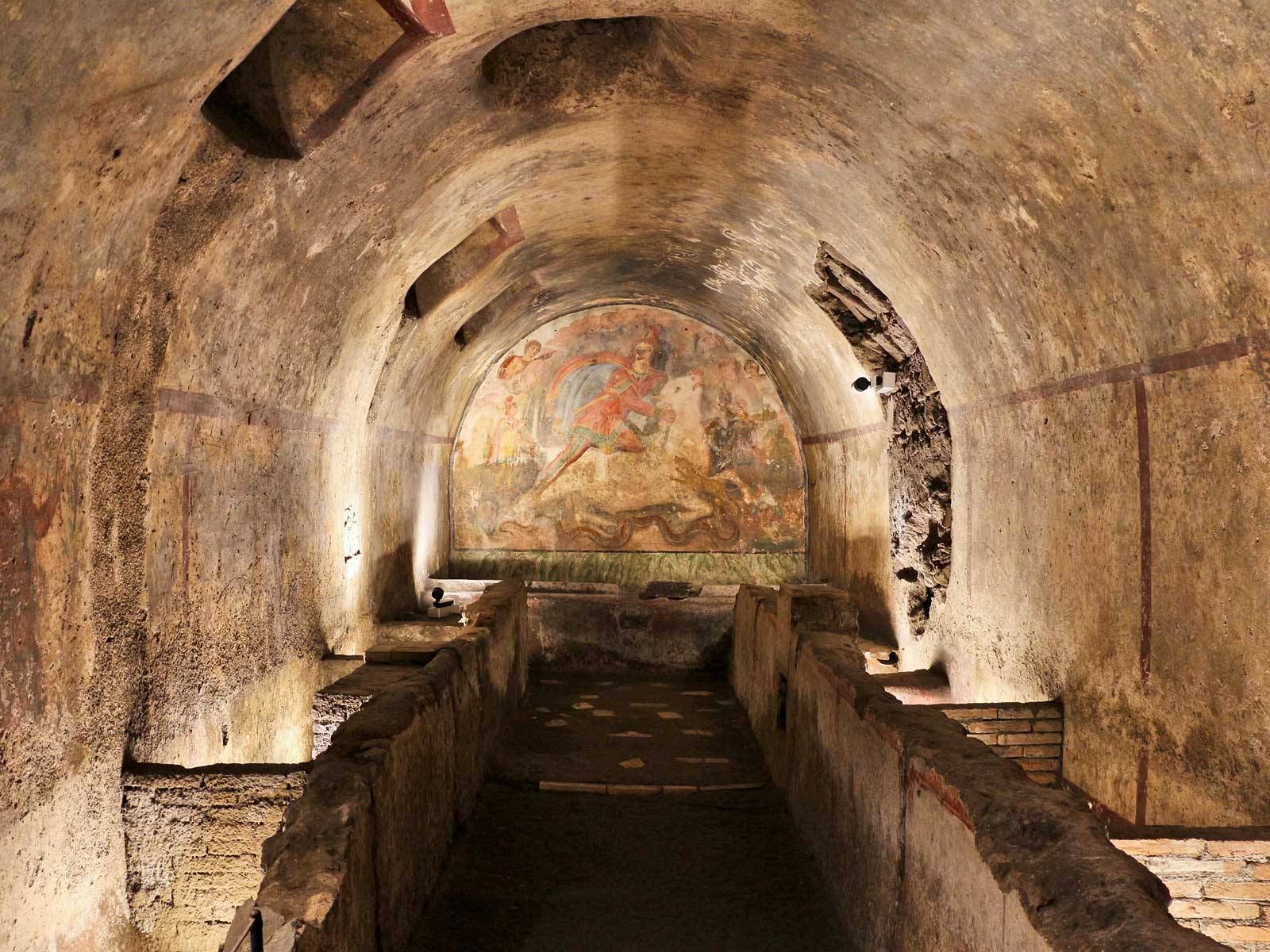
One of Roman Italy’s most important Mithraic sanctuaries, the Mithraeum at S. Maria Capua Vetere preserves a remarkable painted cycle of initiation scenes, offering rare visual evidence for the ritual life of Roman Mithaism.
The Pontiae islands, including modern Ponza, formed part of the Roman maritime landscape of Latium and preserve one of the most remarkable Mithraic sanctuaries of Roman Italy, renowned for its rare stucco zodiac and astral symbolism.
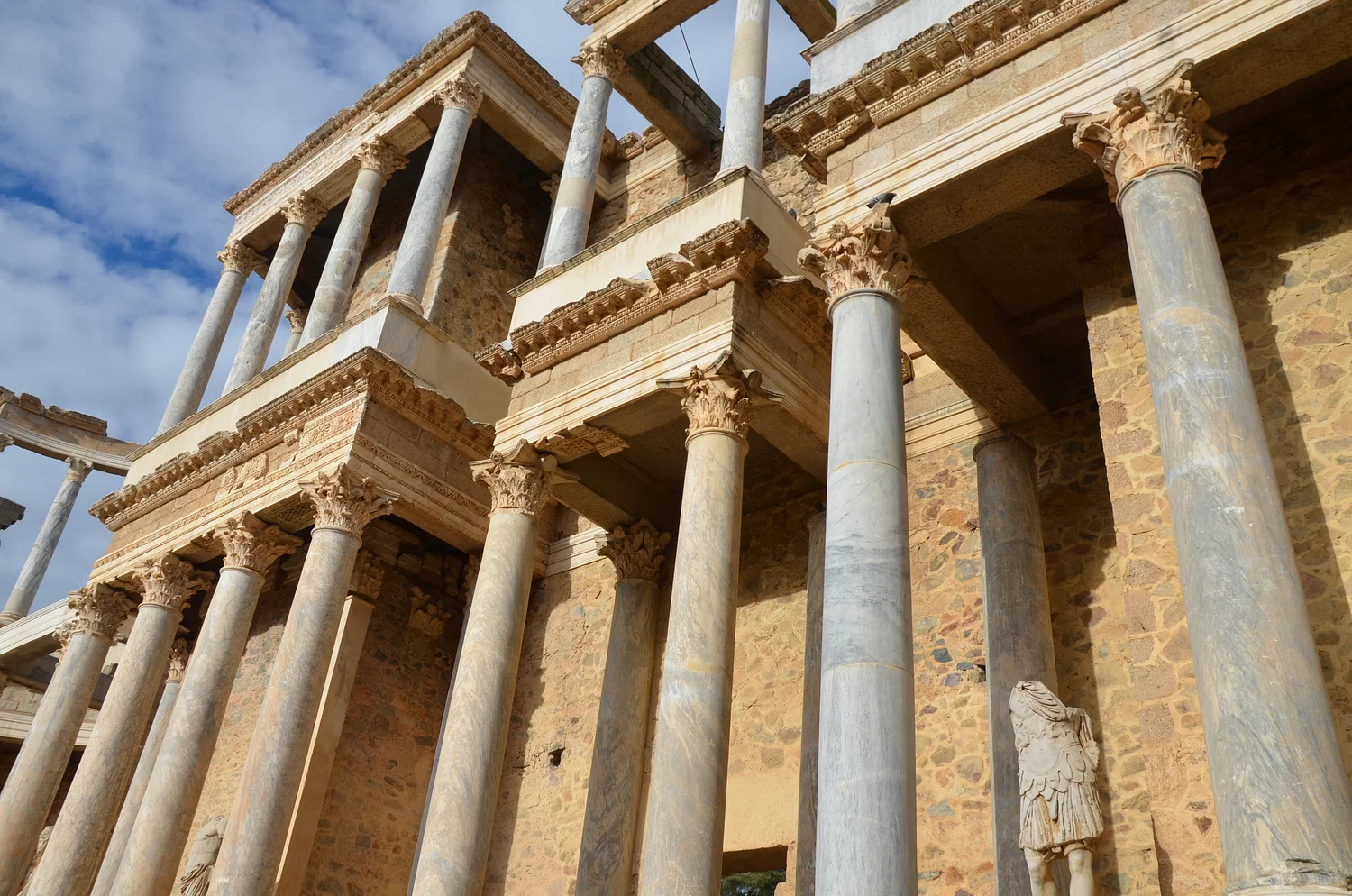
Roman Hispania preserves a relatively modest but strongly urban body of Mithraic evidence, centred above all on Mérida.
Anazarbus was an ancient Cilician city. Under the late Roman Empire, it was the capital of Cilicia Secunda.
Posillipo is an affluent residential quarter of Naples, southern Italy, located along the northern coast of the Gulf of Naples.
Viminacium was a major city, military camp, and the capital of the Roman province of Moesia.
Peltuinum was a Roman town of the Vestini on the Via Claudia Nova, founded in the mid-1st century BC. It developed into a regional centre with city walls, a sanctuary, a theatre and an amphitheatre, and was monumentalised in the early Imperial period
Antium was an ancient coastal settlement in Latium, founded around the 11th century BC. A major stronghold of the Volsci before its conquest by Rome, its territory largely corresponds to modern Anzio and Nettuno.
The capital of Hispania Tarraconensis, Tarraco is the oldest Roman settlement on the Iberian Peninsula.
Szombathely is the oldest recorded city in Hungary. It was founded by the Romans in 45 AD under the name of Colonia Claudia Savariensum, and it was the capital of the Pannonia Superior province of the Roman Empire.
Bergamo is a city in the alpine Lombardy region of northern Italy, approximately 40 km northeast of Milan, and about 30 km from Switzerland, the alpine lakes Como and Iseo and 70 km from Garda and Maggiore.
Waidbruck is a comune in South Tyrol in northern Italy, located about 20 kilometres northeast of Bolzano.
Cosa was an ancient Roman city near the present Ansedonia in southwestern Tuscany, Italy.
Emona or Aemona was a Roman castrum, located in the area where the navigable Nauportus River came closest to Castle Hill, serving the trade between the city’s settlers – colonists from the northern part of Roman Italy – and the rest of the empire.
Palaiopoli is an ancient city on the west coast of Andros in the Cyclades Islands, Greece, and was the capital of Andros, called Andros, during the Classical period.
