Your search Terme di Caracalla gave 2069 results.

Inscribed altar from Lobenfeld dedicated to Deo Soli by Vitalius Severus
Fragmentary Latin inscription from Gross-Krotzenburg recording a dedication by Speratus of Cohors IIII Vindelicorum
Small finds from the Gross-Krotzenburg Mithraeum including a Phrygian-capped head, a pinecone fragment, coins of Trajan and Hadrian, and column fragments
Terracotta vase fragment from Gross-Krotzenburg bearing a graffito reading furit, found in association with the Mithraeum
Inscribed altar from Gross-Krotzenburg dedicated to Deo Soli invicto by Lucius Fabius Anthimus, probably a physician of Cohors IIII Vindelicorum
Inscribed altar from Gross-Krotzenburg dedicated to Deo Soli invicto Mithrae by Iulius Macrinus, immunis of Legio VIII Augusta
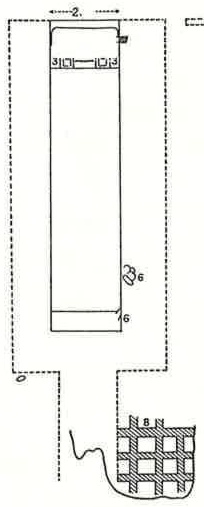
Mithraic sanctuary discovered behind the west part of a Roman cemetery near the camp at Gross-Krotzenburg in 1881, finds destroyed in World War II
Sculpted torchbearer relief discovered near the Roman fort of Castellum Echzell.
Tuff fragments including a knee, thigh and possible lunar head from a bull-slaying scene.
Poorly preserved subterranean Mithraic sanctuary discovered beneath a medieval convent.
Fragmentary head wearing a Phrygian cap discovered with a Mithraic relief.
Marble stele relief with bull-slaying scene and subsidiary Mithraic episodes including the sacred banquet.
Dedication to Mithras mentioning Freio and Friatto.
Dedication to Mithras from Juslenville by Axius Verus, Quintus Vetius and Probinus.
Structure in the Tarn region initially reported as a Mithraeum but later identified as an ordinary silo.
Decorated ceramic vessel showing Mithras slaying the bull together with torchbearers, zodiacal motifs and figures of abundance.
Small altar dedicated to Cautopates discovered at Ospedaletto di Gemona and later lost.
Fragmentary inscription from Pola preserving a possible reading of the name Atticus.
Group of inscriptions from Umbria including one entry reassigned to Interamna Lirenas in Latium.
A medal in the form of a Grecian cross from the Mithraeum at Spoleto, showing busts of a bearded man and a veiled woman each with a radiate crown, identified by Cumont as Sol and Luna.
