Your search Vid gave 175 results.
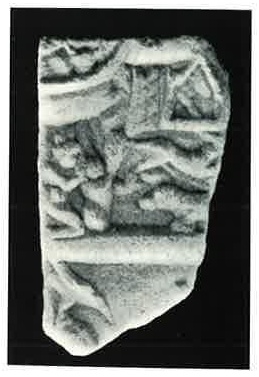
Two fragments of a yellowish marble tauroctony from Acbunar, Moesia Inferior, divided into three registers by two horizontal rims; the upper registers carry subsidiary Mithraic scenes.
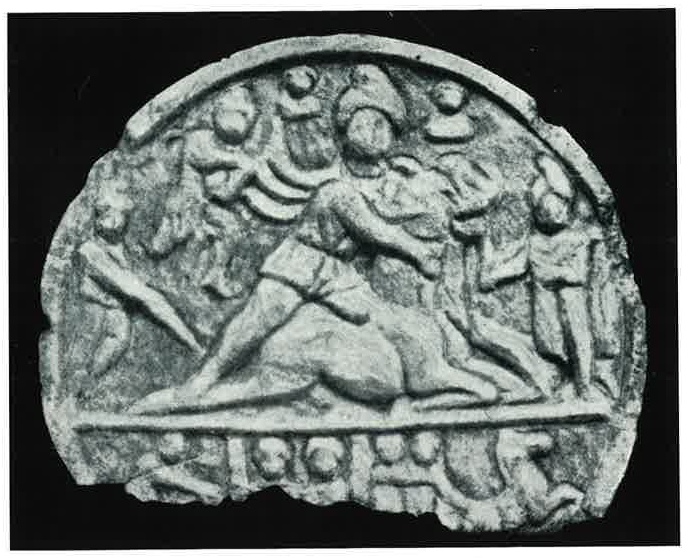
Small circular marble tauroctony relief from Kadine-Most in the Küstendil district, Moesia Superior, divided into two parts by a horizontal rim, with the bull-slaying in the upper and a figure or inscription in the lower.
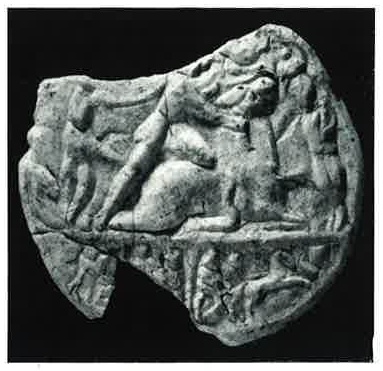
Small circular marble tauroctony relief from the Mithraeum at Linz, ancient Lentia, depicting Mithras killing the bull with dog, serpent, and scorpion, flanked by cross-legged torchbearers with a lion behind Cautopates; the lower section is divided into three subsidiary scenes…

Altar from Vidy near Lausanne, ancient Leusonna, dedicated to Soli Genio Lunae sacrum by Publius Clodius Primus, curator of the vici Lousonnenses, sevir Augustalis, and curator of the Roman citizens of the Helvetian conventus; not earlier than AD 161–169…
Round perforated bronze plaque from Augst, ancient Augusta Rauricorum, bearing a dedication of an aurichalcum image of Sol to Deo invicto; interpreted by Cumont as evidence for identifying the dedicatee as Mithras.
Evidence for a Mithraeum at Sentinum (modern Sassoferrato) in ancient Umbria, attested by a marble tauroctony group and three inscriptions, with a related mosaic found on the grounds of the Countess of Leuchtenberg and later given to King Louis of Bavaria…
Marble tablet in the Vatican Musea, Galleria Lapidaria, with a dedication to the Invictus and Urania by two initiates of the Leo grade, the text divided by four feet pointing in opposite directions as a pro itu et reditu formula.
Two inscriptions (a and b) from the Aventine Dolichenum sanctuary relating to Sol Invictus Mithras, one a fragmentary dedication and the other mentioning a signum and providentissimus.
Late Roman funerary inscription from Antium commemorating the senator, governor of Numidia and Mithraic pater Alfenius Ceionius Iulianus Kamenius.
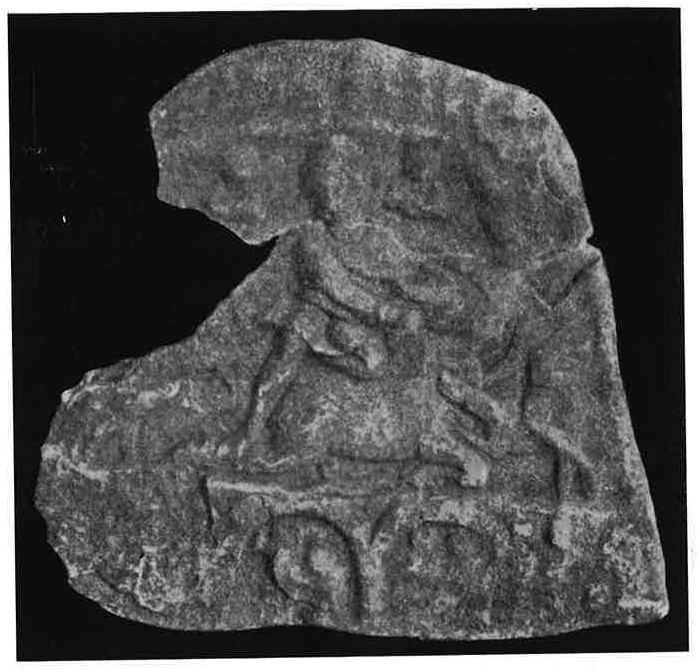
Arched marble tauroctony relief in two fragments from Sofia, ancient Serdica in Thracia, divided into three parts, with Mithras killing the bull in the centre and subsidiary scenes on either side; the weathered surface limits identification.
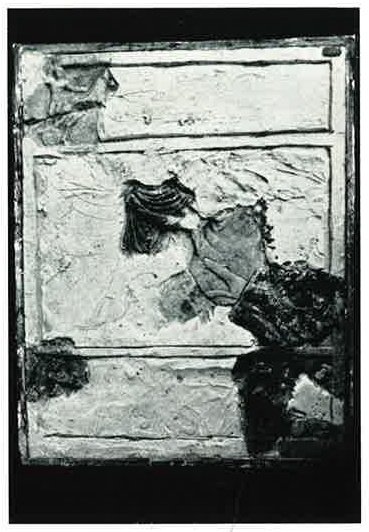
Ten fragments of a greyish marble tauroctony relief from the Mithraeum at Sarmizegetusa, Dacia, divided into three horizontal registers.
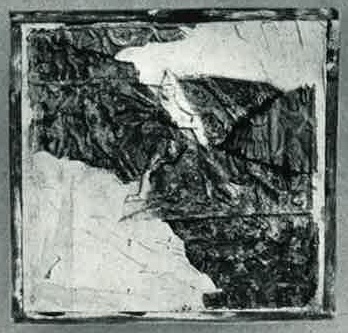
Bluish marble tauroctony relief in fragments from the Mithraeum at Sarmizegetusa, Dacia, divided into horizontal registers with the central bull-slaying and multiple subsidiary Mithraic scenes.
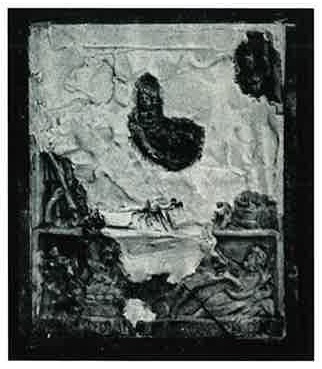
White marble tauroctony relief in eleven fragments from the Mithraeum at Sarmizegetusa, Dacia, divided into three horizontal registers, the central one depicting the bull-slaying and the others bearing subsidiary Mithraic scenes.
Altar from Petronell, ancient Carnuntum, Pannonia Superior, dedicated to Soli divino ex visu by Lucius Aelius Leo — possibly the same individual who dedicated a further altar identifying himself as a miles of Legio XIIII Gemina.
Minor finds from Mithraeum III at Carnuntum, Pannonia Superior, including lamps, bricks, pottery, and serpent-vase fragments; a coin of Macrinus (AD 217) from the entrance may provide a terminus, and the sanctuary is attested as restored in AD 307.
Minor finds from Mithraeum I at Carnuntum, Pannonia Superior, comprising legionary brick stamps, burnt coal and wood, ash with ox, sheep, and goat bones, and fragments of serpent-vases; the coin evidence points to a terminus ante quem in the early third century…
Deposit of twenty-three coins from the Mithraeum at Schachadorf, Noricum, spanning from Claudius II to Valentinianus II and providing a terminus for the sanctuary's use.
Small rectangular Mithraic sanctuary (spelaeum 8.00 m long) found in 1935–36 in a gravel terrace at Schachadorf near Wartberg an der Krems, Noricum; the building is divided into a pronaos and an inner cult room, and shows traces of fire destruction.
Animal bones, principally of birds, found in pit g at Mithraeum III, Heddernheim, ancient Nida, evidence of ritual feasting
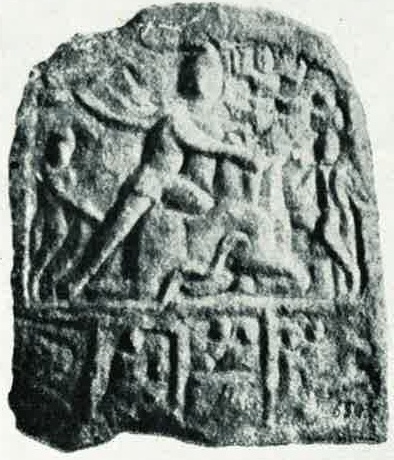
Small arched marble tauroctony relief from Philippovtsi near Sofia, Thracia, divided into two parts by a horizontal rim.
