Your search farid ud din attar gave 891 results.

Yellow lenticular carnelian gem probably from Aquileia, now in Udine, depicting a Mithraic scene nearly identical to the Florence jasper.


Kadine-Most lies within the central Balkan region historically connected with Roman Moesia.
Dolni Vadin occupies a position near the Danubian frontier zone of northern Thrace.

A bluish marble tauroctony relief once in the Villa Ludovisi in Rome, showing Mithras slaying the bull with the raven perched on his cloak holding a heart-shaped fruit, the bull's tail ending in ears of grain, and the dressed busts of Sol and Luna in the upper corners…
A group of small finds from an Ostia Mithraeum, including three tuff altars, two trapezophores, a column fragment, lamps, vases, and a marble Silen.
Dedication from the Mithraeum of Rudchester recording the restoration of a temple dedicated to Sol Invictus.
Budaörs is a town in Pest County, in the metropolitan area of Budapest, Hungary. Before the Romans, the Celtic tribe of Eraviscus occupied the area for about 100 years.
The inscription on the decorated altar No. 839 from the Mithraeum at Vindobala (modern Rudchester), recording a gift to the Deity by L. Sentius Castus, a soldier of the Sixth Legion.
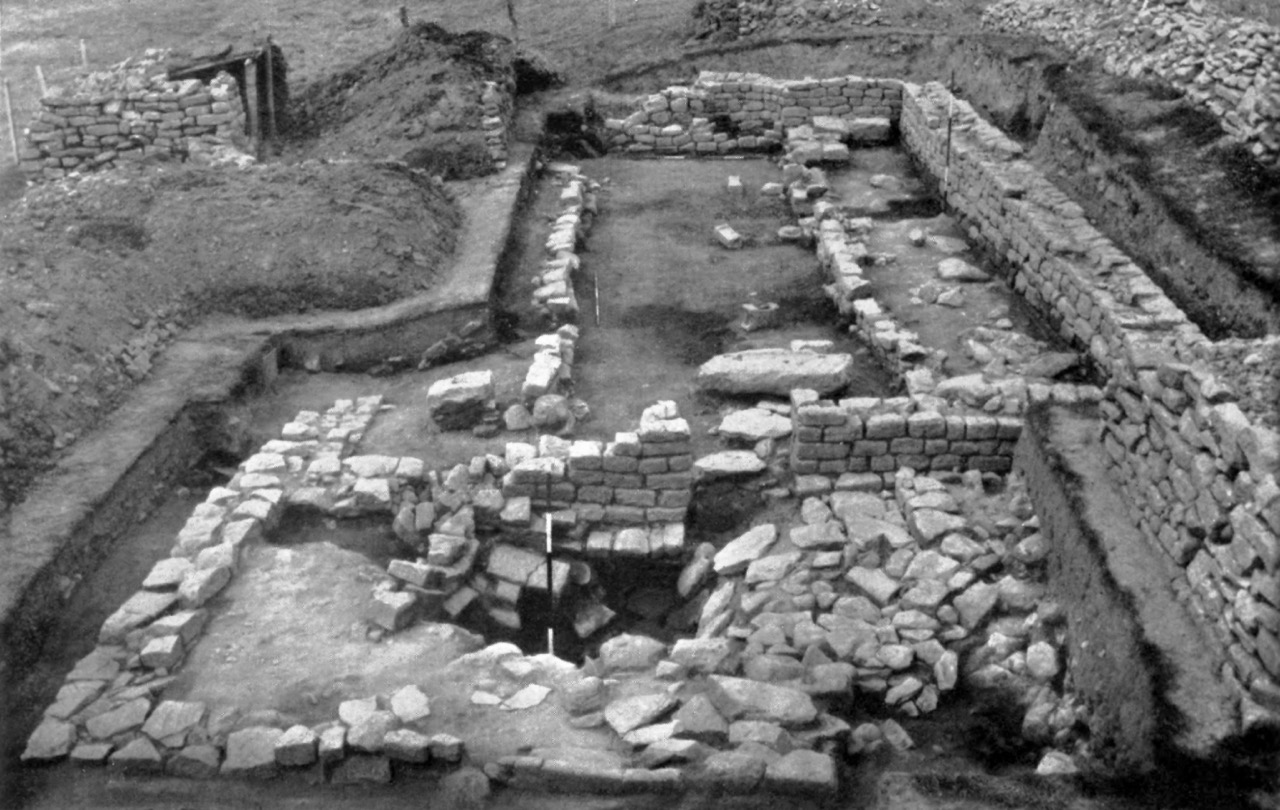
The Mithraeum of Rudchester was discovered in 1844 on the brow of the hill outside the roman station.
Fragmentary inscription from Dolni Vadin, Thracia, preserving only the word sancto — probably part of a dedication to Deo sancto invicto.
Two marble relief fragments from Dolni Vadin, Thracia, one showing Sol's chariot and the other the right lower corner of a bull-slaying scene; the two fragments may not belong to the same relief.
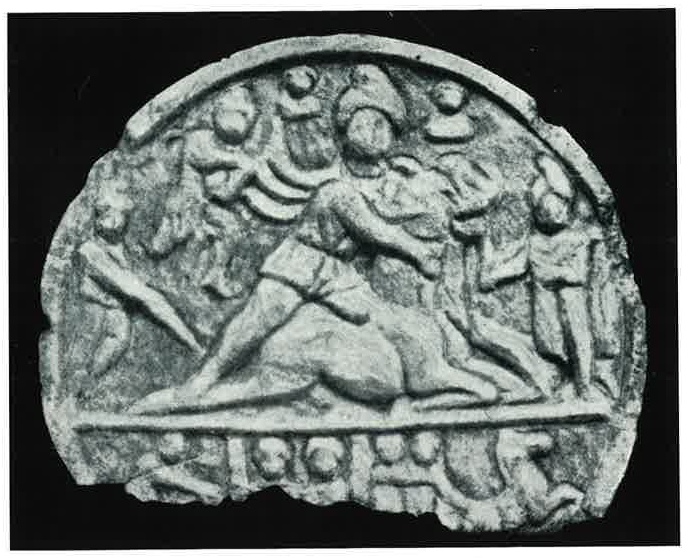
Small circular marble tauroctony relief from Kadine-Most in the Küstendil district, Moesia Superior, divided into two parts by a horizontal rim, with the bull-slaying in the upper and a figure or inscription in the lower.
Sandstone relief fragment from the Mithraeum at Gimmeldingen preserving the upper bodies of two standing deities: a bearded male, possibly Vulcanus, and a helmeted Minerva with lance.
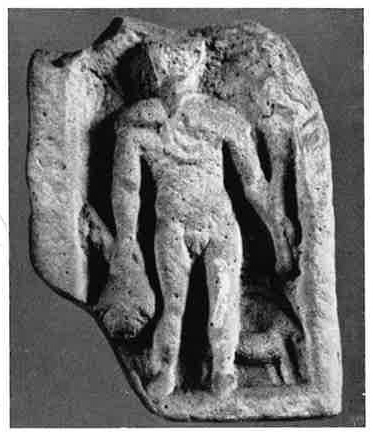
Sandstone relief from the Mithraeum at Gimmeldingen depicting a standing Mercury with caduceus and purse, accompanied by a ram and a cock; the head and upper caduceus are damaged.
Lower portion of a sandstone relief from the Mithraeum at Gimmeldingen, preserving a cross-legged torchbearer in a long cloak, probably Cautes.

Peter Mark Adams’ The Game of Saturn: Decoding the Sola-Busca Tarocchi is the first full length, scholarly study of the enigmatic Renaissance masterwork known as the Sola-Busca tarot.
This base was found in the 18th century and bears an inscription to the god Arimanius.
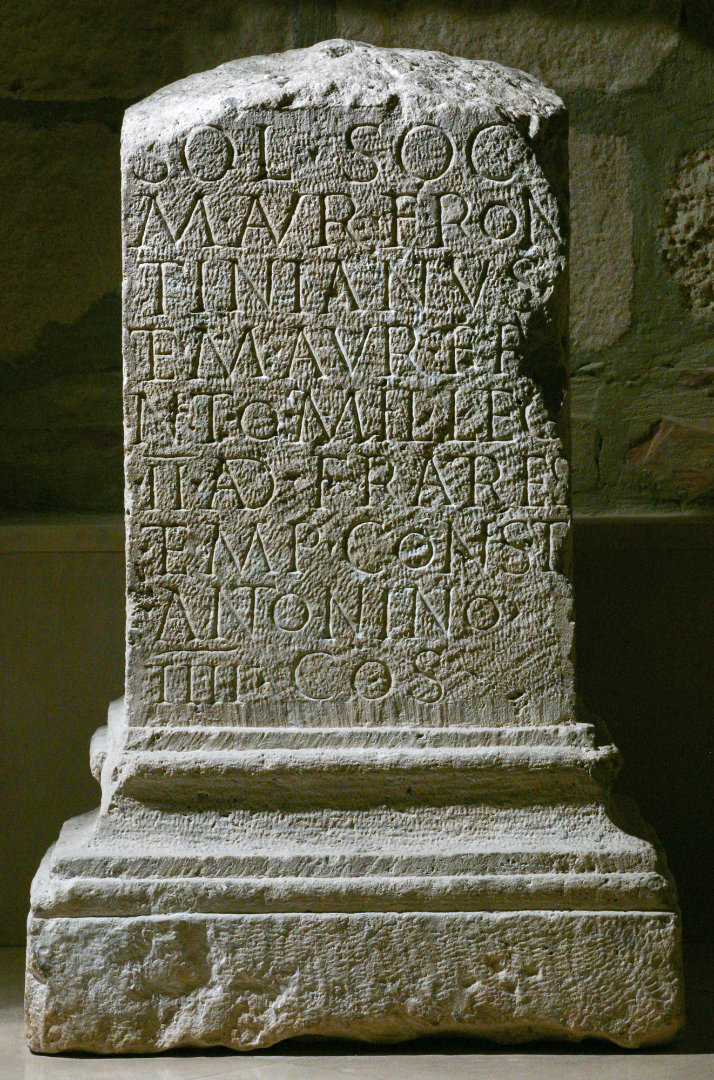
This fragmented altar was erected by two brothers from the Legio II Adiutrix who also built a temple.

