Filtering by Location: Aquincum in monuments gave 57 results.

Limestone altar from Aquincum dedicated to Sol, preserving the brief inscription Solis ara and now in the Hungarian National Museum.
Altar from Aquincum dedicated to Mithras by Aurelius Florianus, a veteran of the Legio II Adiutrix, who fulfilled his vow in AD 240.
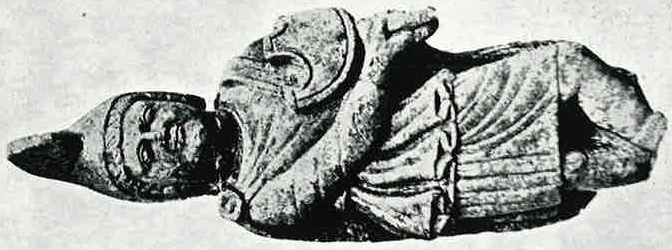
Statue from Aquincum depicting Cautopates standing cross-legged in Oriental dress, holding a lowered torch in his right hand and a pelta in his left.
Pair of limestone torchbearer statues from Aquincum representing Cautes and Cautopates; Cautes preserves a pelta in his left hand.
Group of four limestone altars from Aquincum, each bearing the same painted dedication to the Invincible God by Caius Iulius Ingenus, scribe of the colony of Aquincum.
Assemblage of pottery fragments, lamps and late Roman coins recovered from Mithraeum II of Aquincum, including issues from Constantine II to Gratian.
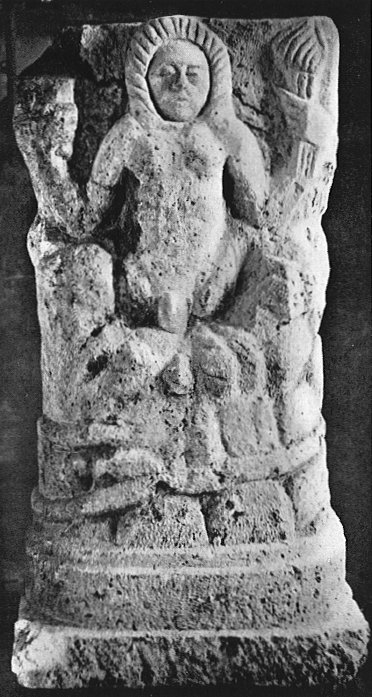
imestone relief from Mithraeum II of Aquincum depicting the naked Mithras emerging from the rock, encircled by a serpent and holding a burning torch and dagger.

Poorly documented Mithraic sanctuary discovered near the amphitheatre at Aquincum, identified from a group of five altars.
Fragmentary base from Aquincum preserving the titles of an unidentified civic magistrate who served as decurion and aedile of the colony.
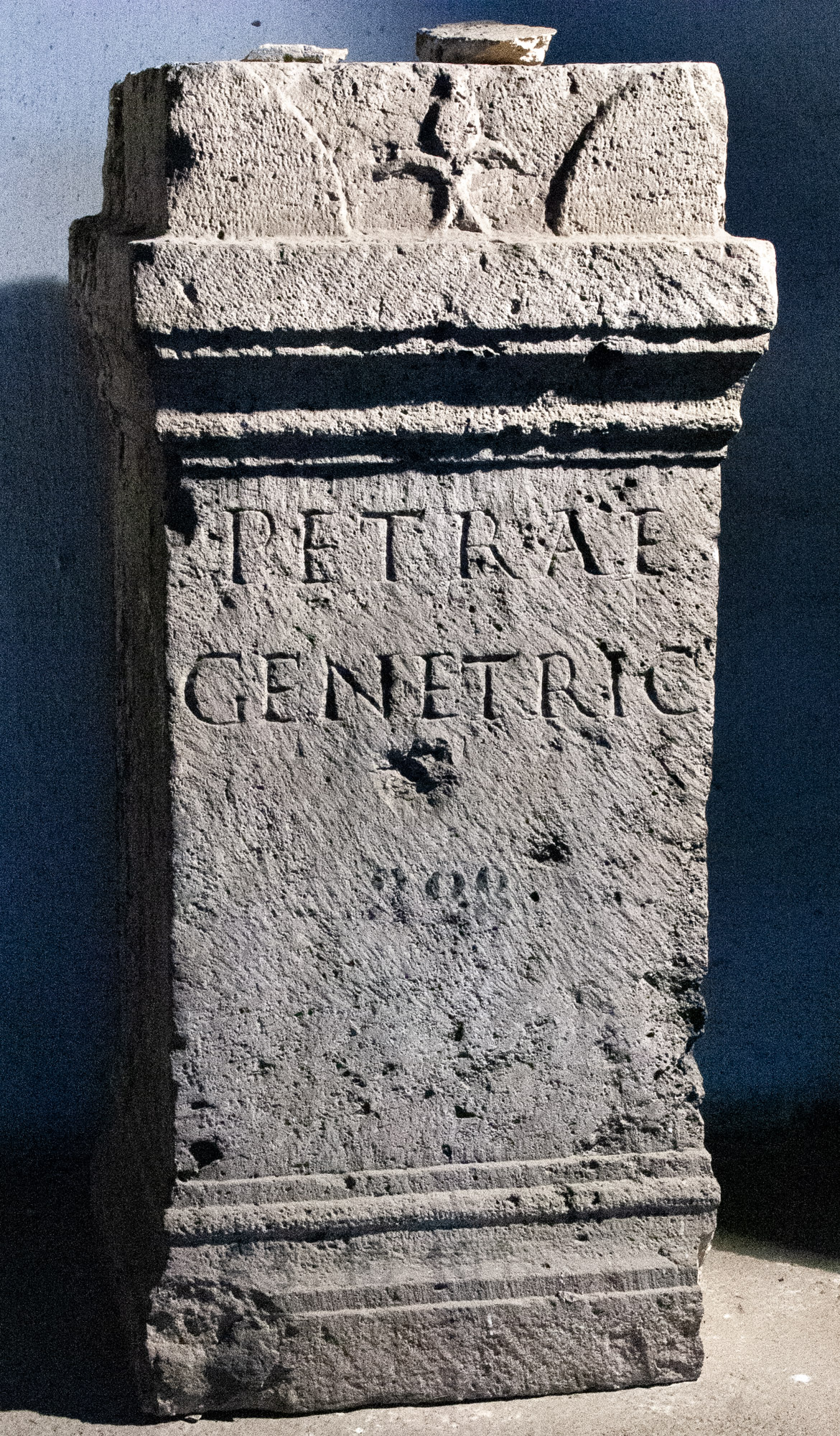
Small limestone altar from Aquincum, Budapest, dedicated to Petra Genetrix.
One of a pair of altars erected at Budaörs by soldiers of Legio II Adiutrix in connection with the foundation of a Mithraic sanctuary.
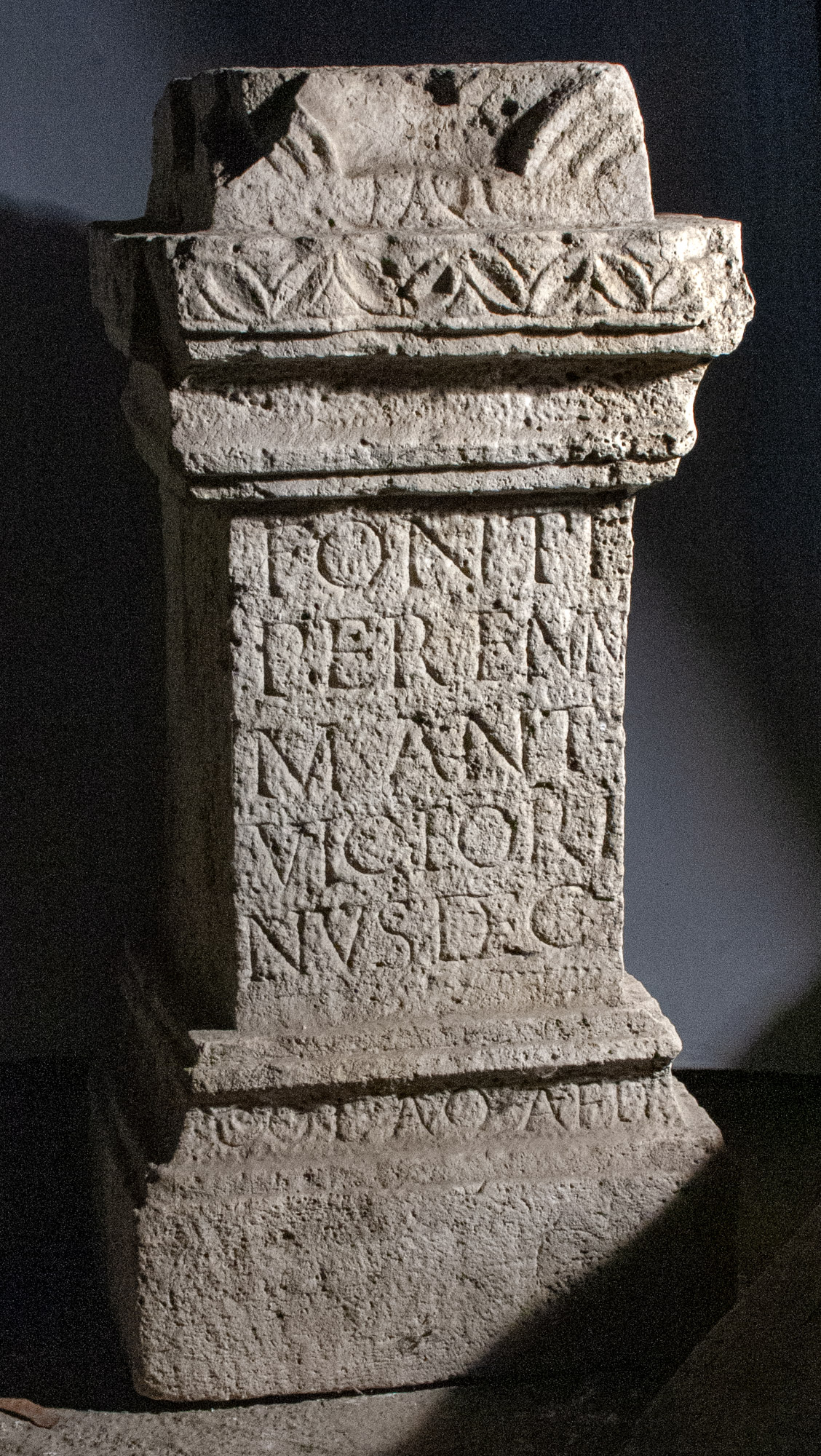
One of several dedications commissioned by the duumvir Marcus Antonius Victorinus in his Mithraeum of Aquincum, modern Budapest.
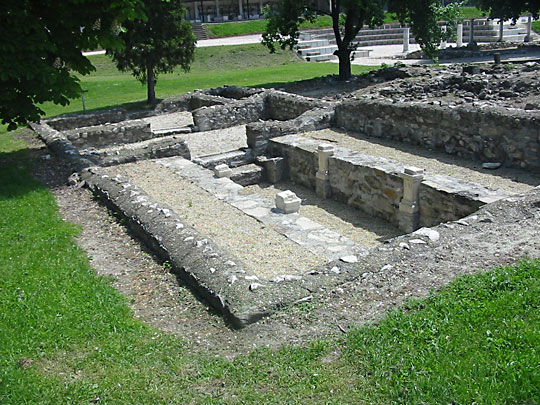
This temple of Mithras in Aquincum was located within the private house of the decurio Marcus Antonius Victorinus.
Bronze plate from Budapest, ancient Aquincum or vicinity, preserving a Mithraic representation of uncertain composition; no longer in a known collection.
White marble statuette from Budapest, ancient Aquincum or vicinity, depicting a badly damaged Mithras killing the bull with dog and serpent; the god's head is lost.
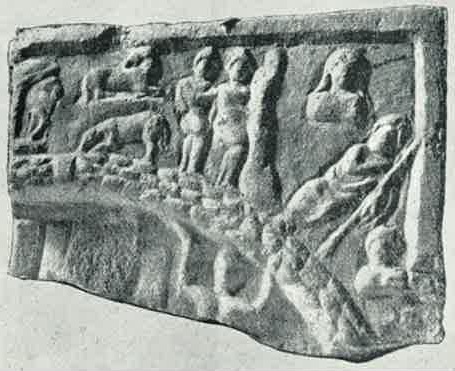
Right upper corner of a white marble tauroctony relief from Budapest, ancient Aquincum or its vicinity, in the National Museum since 1868, preserving part of the grotto border and divine busts.
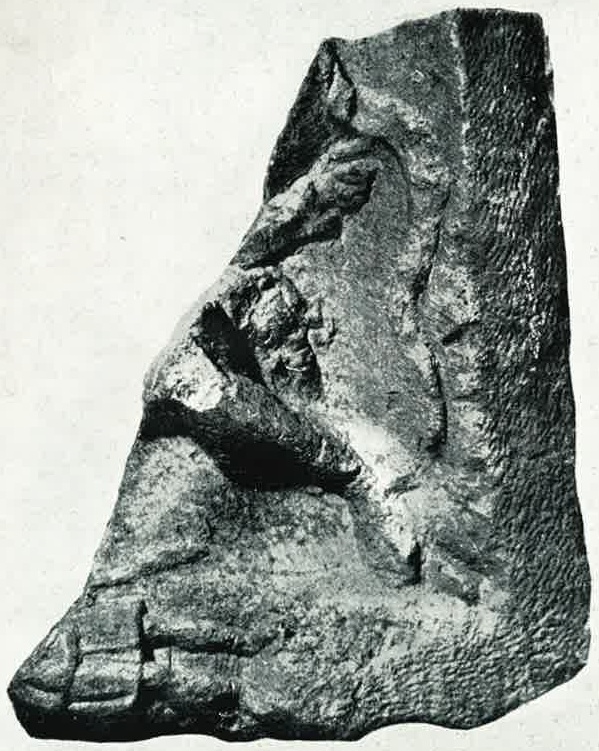
Fragment of a relief from Aquincum, Pannonia Inferior, walled into a house at Majláth-Utcai 51, preserving the lower left corner of a tauroctony with the bull's hind-leg, Mithras's leg, and the scorpion.
Small head in Phrygian cap from Aquincum, Pannonia Inferior, possibly representing a torchbearer or Attis.
Altar from Aquincum, Pannonia Inferior, dedicated to Mythrae Nabarze by Tiberius Pontius Maximus — the epithet Nabarze, possibly of Iranian origin meaning 'victorious', is attested on only a handful of Mithraic inscriptions.
Altar from Aquincum, Pannonia Inferior, dedicated to Deo Soli by Claudius Patasio; dated to AD 191, one of the earliest dated Mithraic inscriptions from Aquincum.
