Your selection in monuments gave 384 results.

Marble altar fragment from the Mithraeum at Sopron, ancient Scarabantia, dedicated to Deo invicto Mithrae by a dedicant whose name includes Secundinus.
Large marble tauroctony relief from the Mithraeum at Sopron, ancient Scarabantia, depicting the standard bull-slaying with raven, dog, serpent, and scorpion, flanked by cross-legged torchbearers.
Fragment of a marble inscription from the Mithraeum at Modrič, Pannonia Superior, preserving only the opening of a dedication to Deo invicto Mithrae.
Marble altar from the Mithraeum at Modrič, Pannonia Superior, dedicated to Deo invicto Mithrae by a dedicant whose name is lost.
Marble altar from the Mithraeum at Modrič, Pannonia Superior, dedicated to Deo invicto Mithrae by Aurelius Maximus, beneficiarius consularis.
Marble altar from the Mithraeum at Modrič, Pannonia Superior, dedicated to Deo invicto Mithrae by Aurelius Ianuarius, beneficiarius consularis.
Marble altar from the Mithraeum at Modrič, Pannonia Superior, dedicated to Deo invicto Mithrae by Aurelius Marcianus, beneficiarius consularis.
Marble altar from the Mithraeum at Modrič, Pannonia Superior, dedicated to Deo invicto Mithrae by Aurelius Valentinus, beneficiarius consularis.
Marble altar from the Mithraeum at Modrič, Pannonia Superior, dedicated to Deo invicto Mithrae by Marcus Aurelius Ingenuus, beneficiarius consularis.
Marble altar from the Mithraeum at Modrič, Pannonia Superior, dedicated to Deo invicto Mithrae by Aurelius Saturninus, beneficiarius consularis.
Marble altar from the Mithraeum at Modrič, Pannonia Superior, dedicated to Deo invicto Mithrae by Aurelius Rufus, beneficiarius consularis.
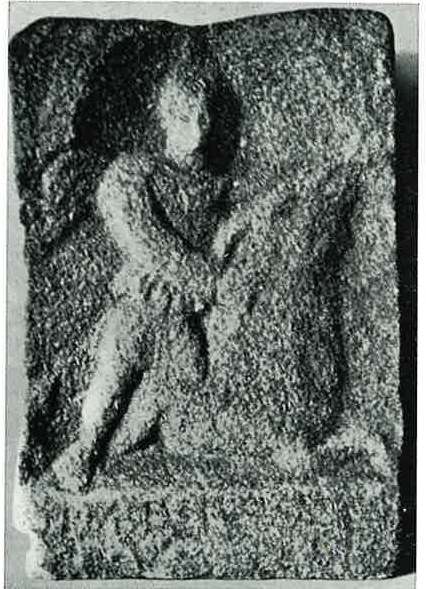
Marble tauroctony relief from the Mithraeum at Modrič, Pannonia Superior, with Cautopates and Cautes flanking the bull-slaying scene and a dedication inscribed in the lower border.
Marble altar from the Mithraeum at Modrič, Pannonia Superior, dedicated to Deo invicto Mithrae by Aurelius Victor, beneficiarius consularis.
Lower portion of a marble relief from the Mithraeum at Modrič, Pannonia Superior, preserving the legs and downward torch of a Cautopates.
Upper portion of a marble relief from the Mithraeum at Modrič, Pannonia Superior, preserving a torchbearer's head in Phrygian cap with torch.
Marble altar from the Mithraeum at Modrič, Pannonia Superior, dedicated to Deo invicto Mithrae by Ulpius Secundinus, beneficiarius consularis.
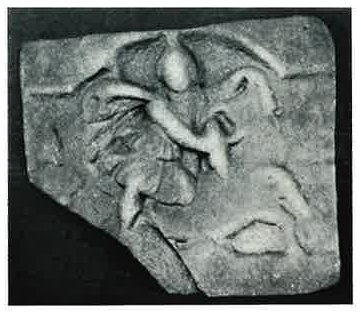
Marble tauroctony relief from the Mithraeum at Modrič, Pannonia Superior, depicting the standard bull-slaying with raven, dog, scorpion, and cross-legged torchbearers.
Small Mithraic sanctuary (9.28 × 4.52 m) found at Modrič near Našice in Slavonia, Pannonia Superior, in 1911; the sanctuary has the standard corridor and bench division with a water-basin in the pronaos, and yielded a rich assemblage of marble reliefs…
Marble altar from Poljčane between Celje and Maribor, Pannonia Superior, dedicated to Deo invicto Mithrae by Lucius Annius Serecinus for the welfare of his grandson Lucius Annius Verus — a rare three-generation Mithraic dedication.
Inscription from Trojane, ancient Atrans in Pannonia Superior, recording that Quintilianus, beneficiarius consularis of Legio II Italica, restored a Mithraic temple that had collapsed through age, at his own expense.
