Filtering by Region: Pannonia in places gave 44 results.

Mursa became one of the principal urban centres of Roman Pannonia along the Drava river.
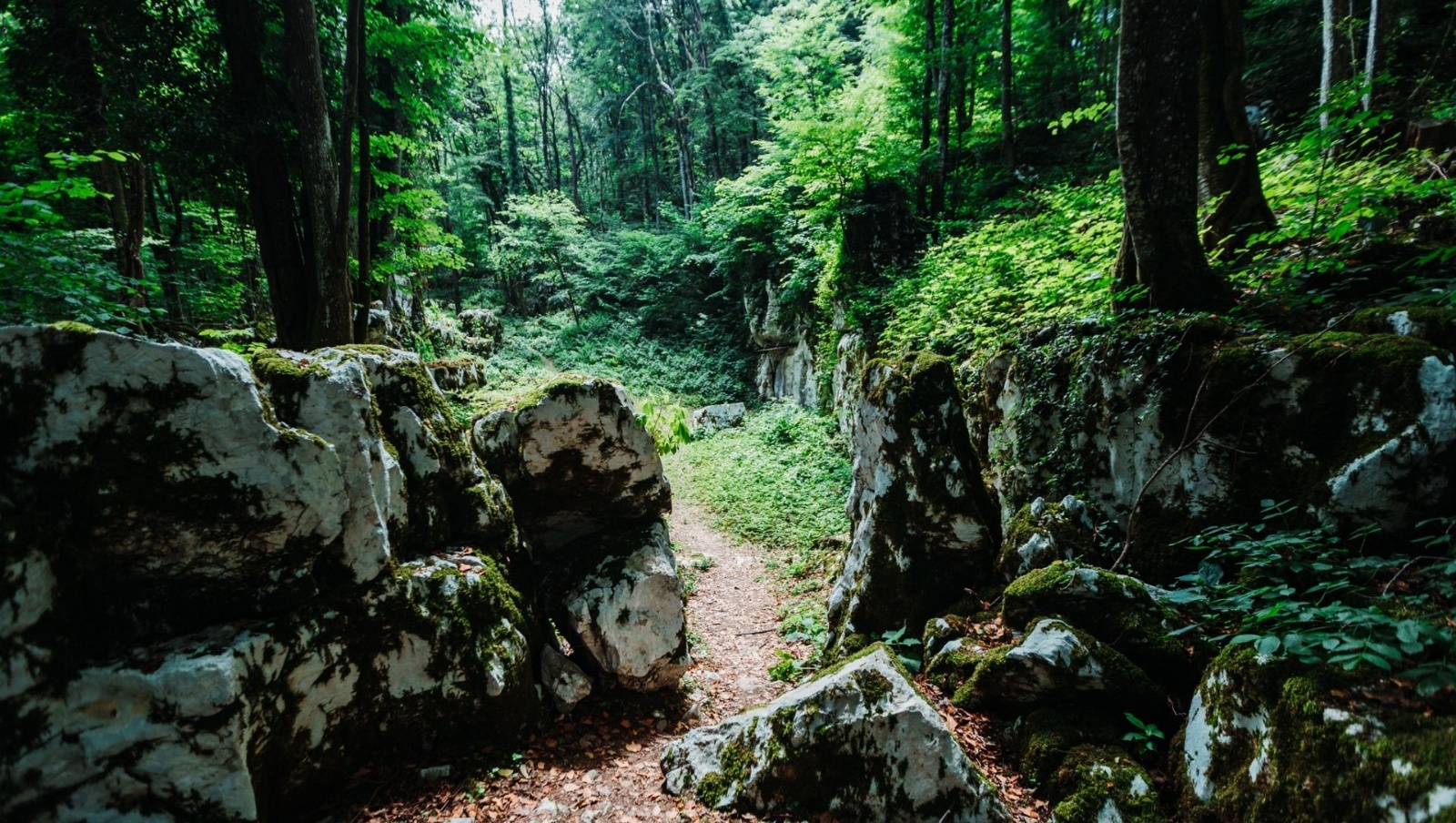
Rožanec is a settlement north of the town of Črnomelj in the White Carniola area of southeastern Slovenia.
Aequinoctium occupied an important position along the Danubian frontier communications routes.
Carnuntum was a Roman legionary fortress and headquarters of the Pannonian fleet from 50 AD. After the 1st century, it was capital of the Pannonia Superior province. It also became a large city of 50,000 inhabitants.
The Romans controlled Poetovium until the 1st century BC. It became the base camp of the Legio XIII Gemina, where they built a castrum.
Szombathely is the oldest recorded city in Hungary. It was founded by the Romans in 45 AD under the name of Colonia Claudia Savariensum, and it was the capital of the Pannonia Superior province of the Roman Empire.
Budaörs is a town in Pest County, in the metropolitan area of Budapest, Hungary. Before the Romans, the Celtic tribe of Eraviscus occupied the area for about 100 years.
Aquincum was an ancient city, situated on the northeastern borders of the province of Pannonia within the Roman Empire.
Ulcisia Castra formed part of the fortified Danube frontier north of Aquincum.
The locality of Vadas belongs to the Danubian hinterland associated with Roman Pannonia.
Poljčane belongs to the southeastern Alpine region historically linked with Roman Pannonia.
The Neusiedl lake region formed part of the western frontier landscape of Roman Pannonia.
Campona occupied a strategic position south of Aquincum along the Danube frontier.
The vicus Vindonianus formed part of the civilian settlement network associated with the Danube frontier.
Illmitz is a market town in the district of Neusiedl am See in Burgenland in Austria.
Dalj is a village on the Danube in eastern Croatia, near the confluence of the Drava and Danube, on the border with Serbia.
Intecisa was a military camp and town located in the Roman Province of Pannonia, now known as Dunaújváros, bordering Western Hungary.
Neviodunum developed into an important settlement along the Sava river communications corridor.
