This site uses cookies to offer you a better browsing experience.
Find out more on how we use cookies in our privacy policy.

 
Support The New Mithraeum The New Mithraeum is an independent, non-profit project dedicated to Mithraic studies, ancient religions and classical culture. Developed and maintained independently since 2007, the site exists without advertising, paywalls or institutional funding. If you have found value in its articles, interviews, photographs or database, please consider supporting the project with a contribution. Every contribution helps keep The New Mithraeum open, free and alive. Thank you.
Support us →
Quaere

Books: TNMdB

Find news, articles, monuments, persons, books and videos related to the Cult of Mithras

Filtering by Genre / Topic: dionysus in books gave 11 results.
Search
Filter
Liber

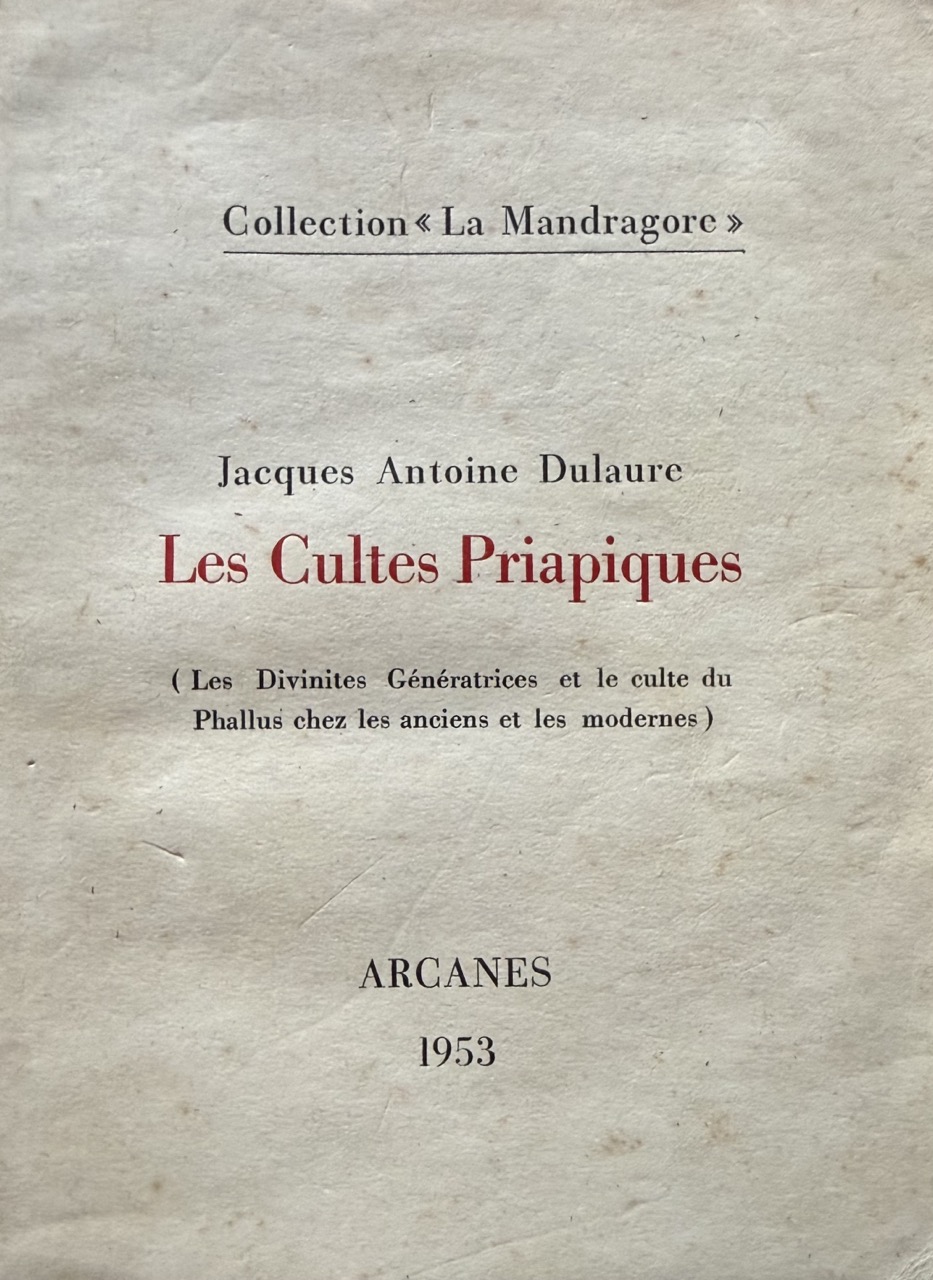
Les cultes Priapiques: Les divinités Génératrices et le culte du Phallus chez les anciens et les modernes

An early comparative exploration of phallic worship, fertility cults and the generative powers of the gods in ancient and later religious traditions
Liber

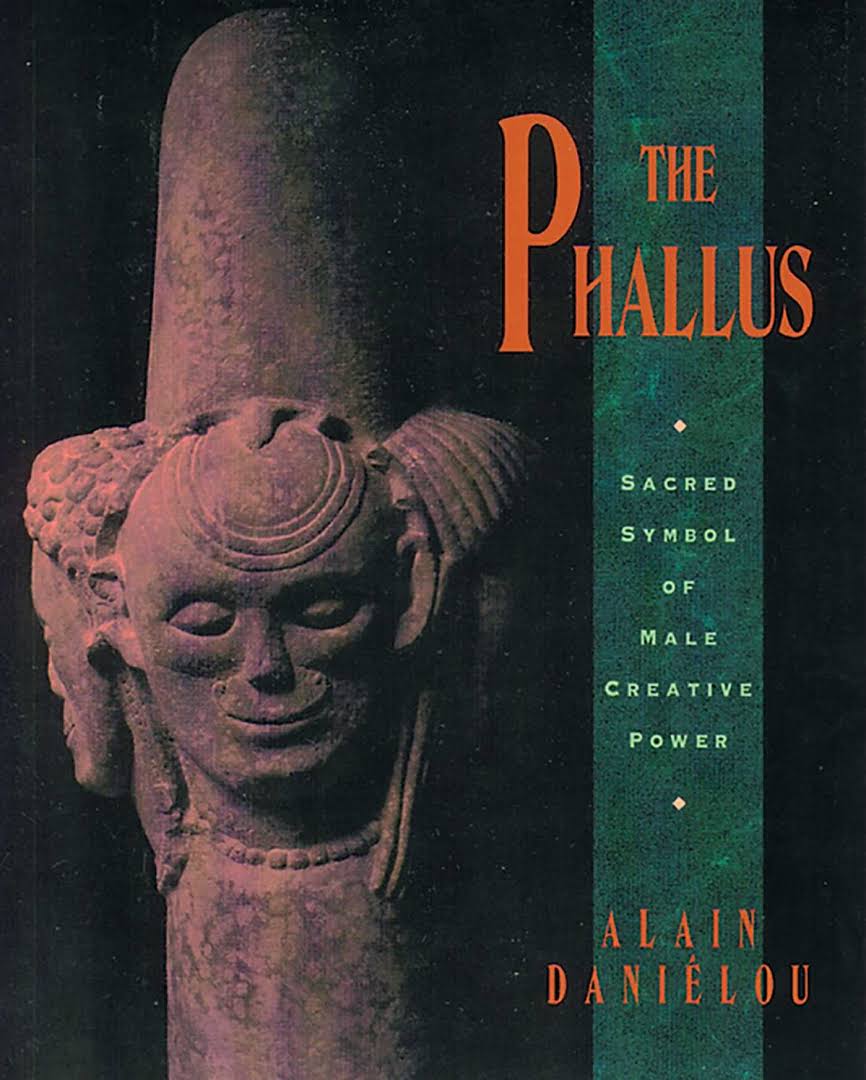
The Phallus: Sacred Symbol of Male Creative Power

Alain Daniélou explores phallic symbolism across religious traditions, from prehistory to India, Egypt and the Greco-Roman world, taking the lingam and the cult of Shiva as his main points of reference.

Liber

Mystai: Dancing out the Mysteries of Dionysos

The Dionysian themed frescos of Pompeii’s Villa of the Mysteries constitute the single most important theurgical narrative to have survived in the Western esoteric tradition.

Liber

The Phallic Worship: A History of Sex and Sex Rites in relation to the Religions of All Races from Antiquity to the Present Day

George Ryley Scott explores the significant role that male sexual organs, practices, and rites have played in various traditions throughout history and into the present day.
Liber

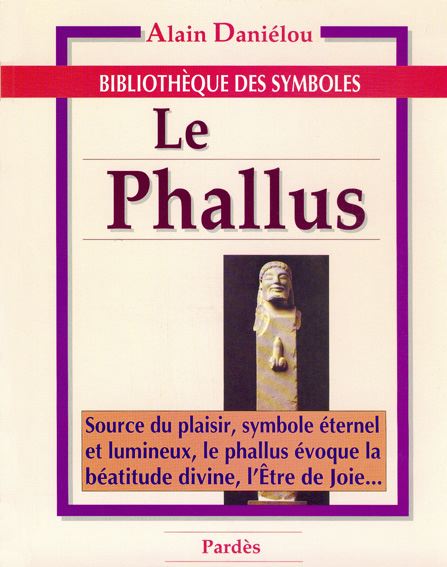
Le Phallus

Alain Daniélou explore le symbolisme phallique à travers les religions, de la préhistoire à l’Inde, l’Égypte et au monde gréco-romain, en prenant le lingam et le culte de Shiva comme principaux points de référence.

Liber

Lux perpetua

Back to Top