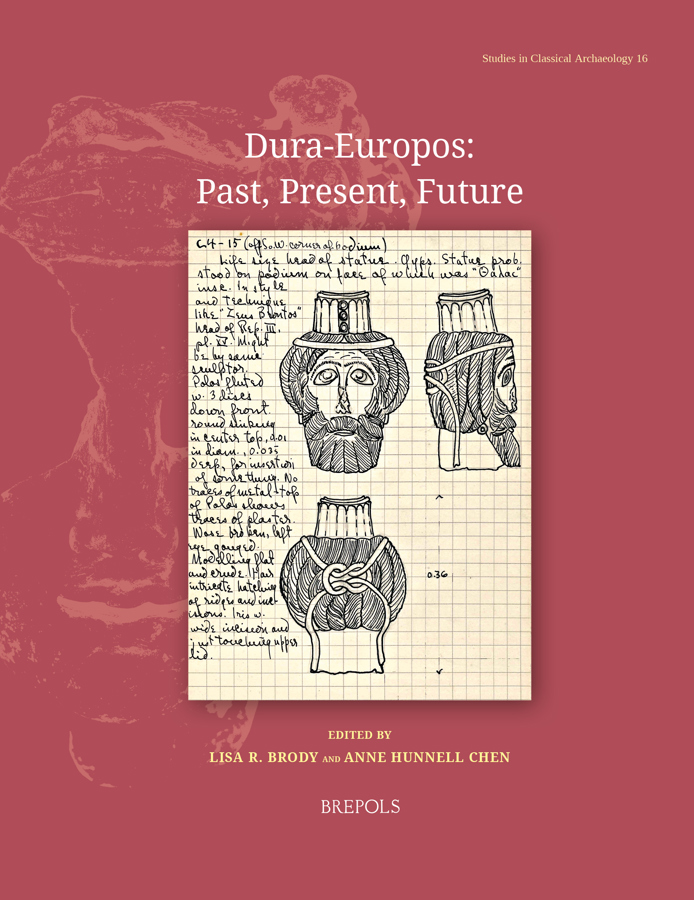
Proceedings from an international conference on the ancient city of Dura-Europos (Syria) held at Yale University in 2022, with papers that explore its cultural heritage through multidisciplinary research approaches.

A comprehensive reassessment of the introduction, development and early decline of Mithraism in Roman Hispania, combining socio-historical analysis with the most complete catalogue of Hispanic Mithraic evidence currently available.
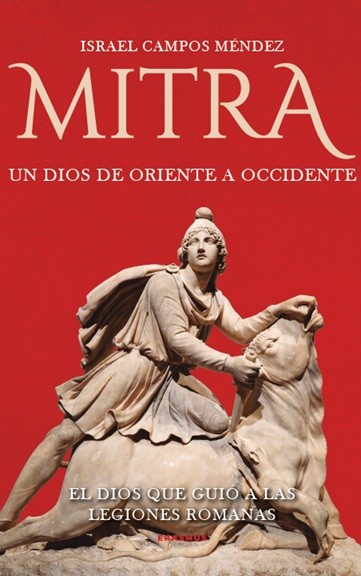
Un recorrido por los orígenes, la expansión y el legado de Mitra desde Persia hasta el corazón de Roma.
The Rites of Hekate is a personal yet deeply rooted academic account of the current understanding of this ambivalent goddess, presented as an arcane and liminal archetype.
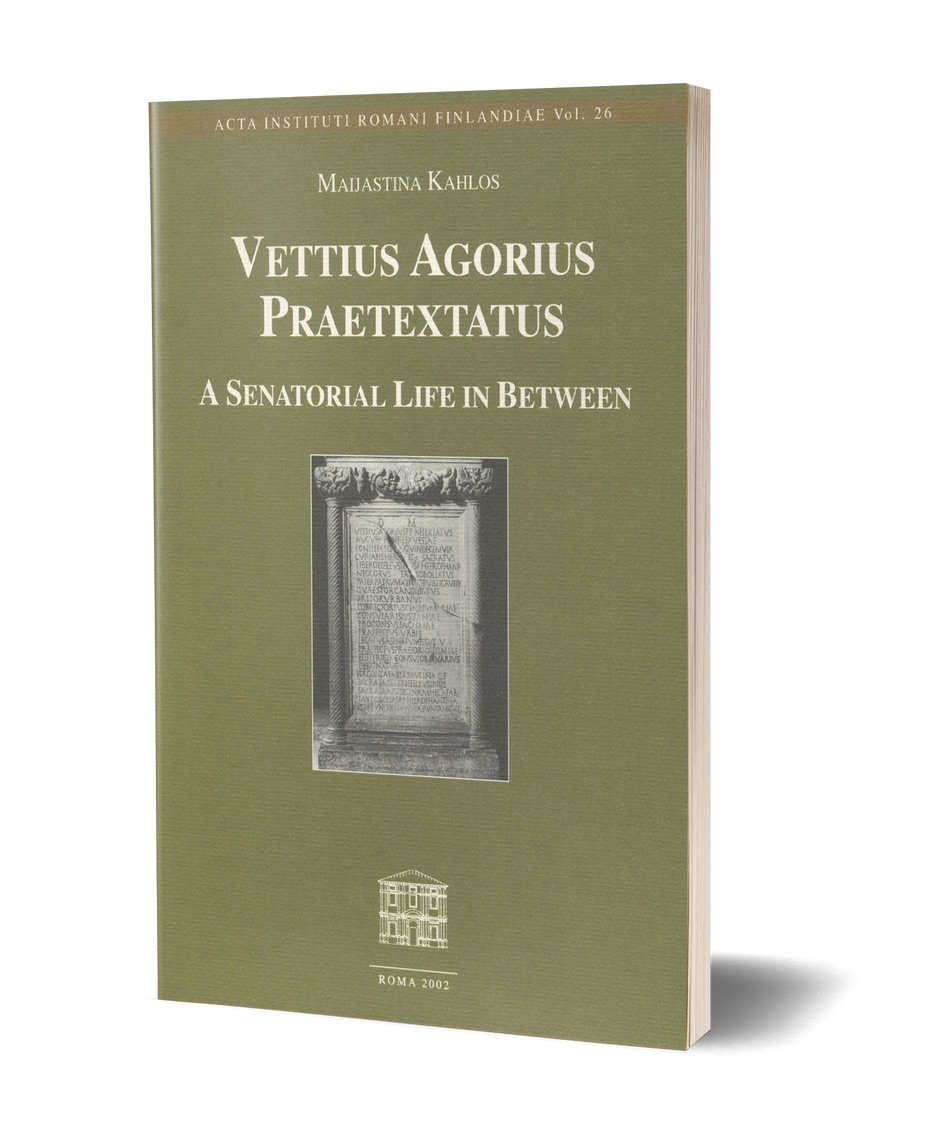
The cultural and religious world of fourth-century Rome is explored through the life and afterlife of Vettius Agorius Praetextatus. His case is set in comparison with other pagan and Christian senators of the period.
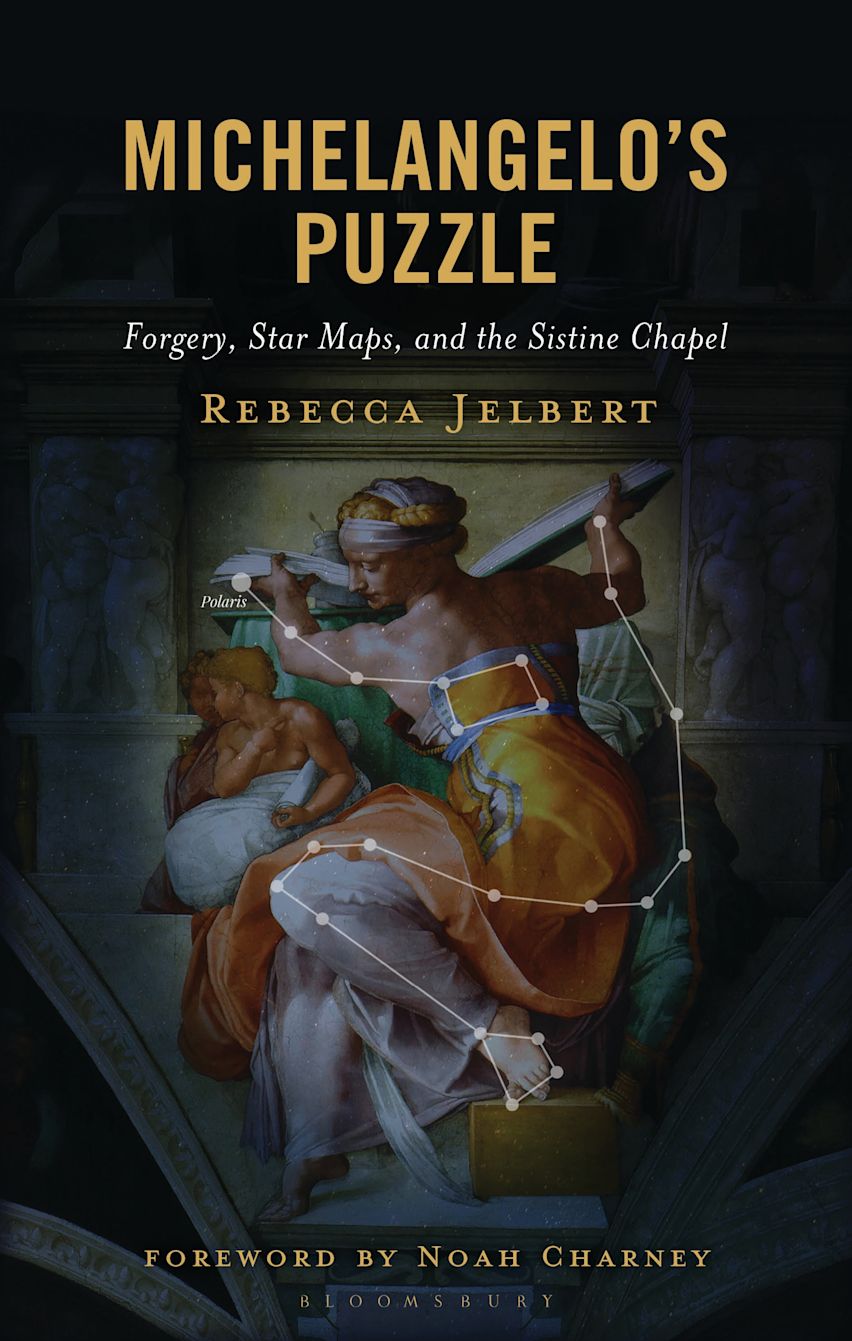
Rebecca Jelbert explores Michelangelo’s major works through the lens of hidden structures, symbolic systems, and esoteric traditions. It considers how themes associated with Mithras and other mystery cults may illuminate new interpretative possibilities within Renaissance art…

Moeller interprets the square as a Mithraic construction encoding cosmological, numerical, and theological structures of Roman mystery religion, rather than an early Christian cryptogram.

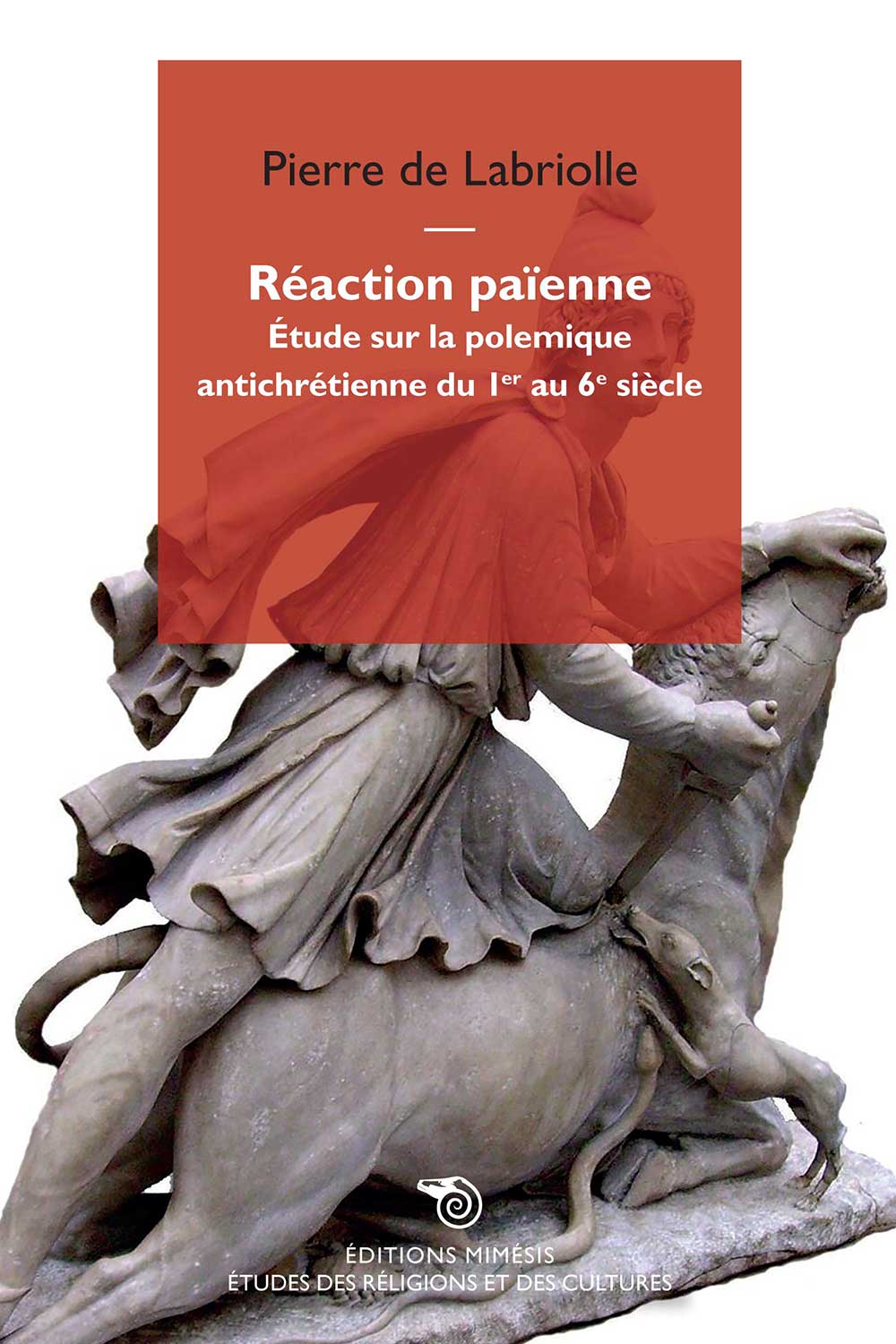
Maarten Vermaseren, qui a publié un corpus des inscriptions et des monuments de la religion mithriaque et un certain nombre d'études savantes sur le même sujet est certainement l'un des meilleurs spécialistes de la question.

Francesco Massa examines how the concept of mysteria was transformed in the Roman Empire, as Christian authors from the mid-second century CE adopted the language of mysteries to articulate their own rituals and beliefs, reshaping understandings of both Christian and traditional cults…

Memoir by Félix Lajard analysing a Mithraic bas-relief discovered in Vienne in 1830. Based on direct examination of the fragments and their context, the study corrects an earlier misidentification and documents a rare lion-headed figure within a probable mithraeum…

Professor Wind's acclaimed work explores pagan mysticism and neoplatonic philosophy in Renaissance art, offering insightful analyses of masterpieces by Botticelli, Michelangelo, Raphael and Titian.

Ce livre présente les religions de la Méditerranée ancienne – grecque, romaine, phénicienne et punique, hébraïque et juive, mésopotamienne, égyptienne – en mouvement. Au fur et à mesure de ces histoires de dieux en voyage…

Der römische Gott Mithras aus der Perspektive der vergleichenden Religionsgeschichte.

Followers of a revived version of Mithraism in contemporary Italy threaten to overthrow the government and destroy the Vatican. Rome is in chaos. Earthquakes shake the city. The Pope is in a coma.


The Dionysian themed frescos of Pompeii’s Villa of the Mysteries constitute the single most important theurgical narrative to have survived in the Western esoteric tradition.