This site uses cookies to offer you a better browsing experience. Find out more on how we use cookies in our privacy policy.
The full article is reserved for our members.
Log in or create a free account to access the entire site.

The remains of this Mithraeum were discovered in 1930 in the Cetatea district of Alba Iulia, ancient Apulum.
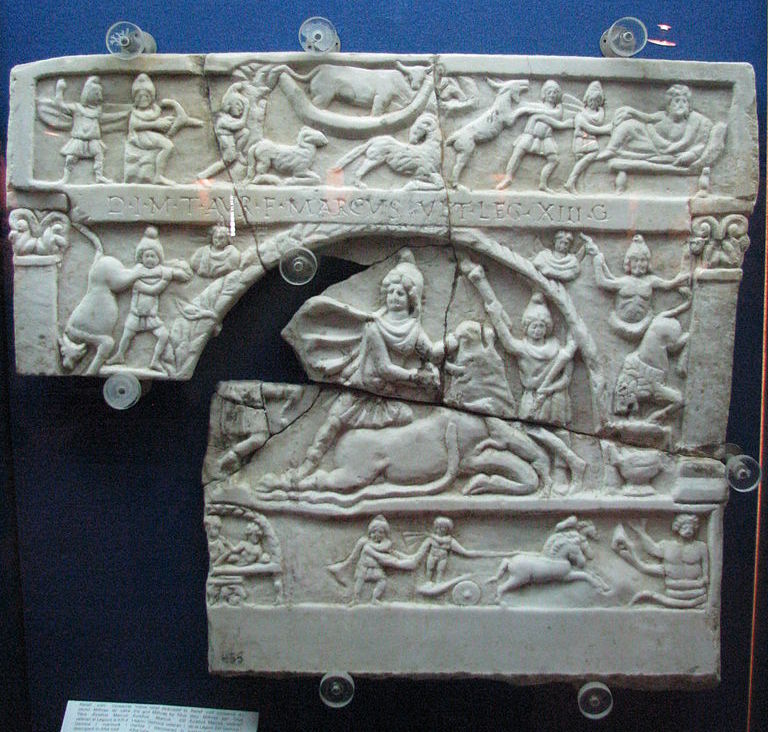
Limestone altar from Apulum, Dacia, dedicated to Deo invicto Mithrae as a gift by Titus Aurelius Marcus (tribu Fabia), veteran of Legio XIII Gemina.
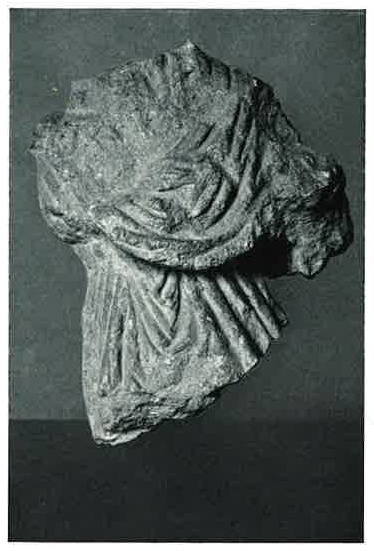
Statues of a man and a woman from the same Mithraic context at Apulum, Dacia; no further details are known.
Altar from Apulum, Dacia, dedicated to Iovi optimo maximo by Claudius Niger; included in the Mithraic corpus by proximity to other monuments from the same context.
Limestone capital reused as an altar at Apulum, Dacia, its top scraped off, bearing a dedication to Soli Mithrae by Aelius Gordianus.
Limestone altar from Apulum, Dacia, dedicated by Aelius Mestrius.
Top of a limestone altar from Apulum, Dacia, with a rosette in the pediment and palmettes on the sides, recording a dedication to the Numen invicti by a dedicant whose name may be Vallerius.
Top of a limestone votive altar from Apulum, Dacia, preserving only the dedication to Invicto deo.
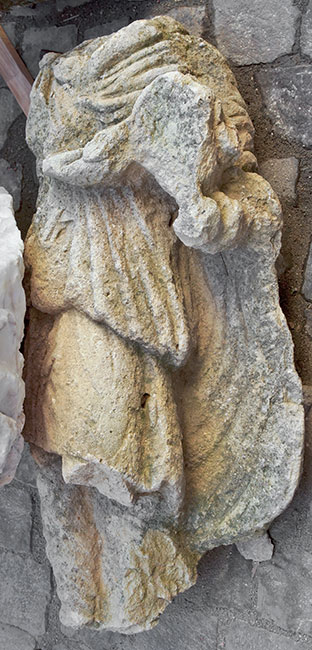
Limestone statue torso from the Mithraeum at Apulum, Dacia, found with the preceding piece, depicting a person in Oriental dress carrying a bull's head in his left hand; head, arms, and legs are lost.
Fragment of an open-work marble tauroctony from the Mithraeum at Apulum, Dacia, preserving Mithras's head with only the snout of the bull; the relief is framed by a border.
This weathered limestone statue from the Mithraeum of Apulum depicts a standing figure in Oriental attire holding the head of a bull or ram.
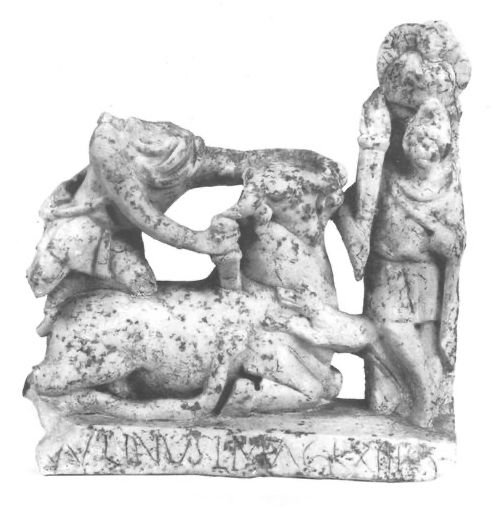
This relief of Mithras killing the bull was dedicated by the bearer of the imperial standard of Legio XIII Gemina, Marcus Ulpius Linus.
This marble relief from Alba Iulia contains numerous scenes from the myth of Mithras.